Hydraulic hoses and what you need to know about them
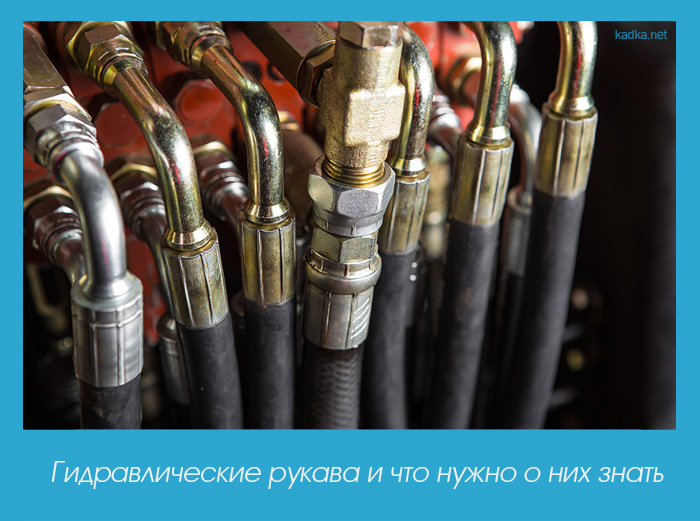
Hydraulic hoses are a special type of flexible connection of hydraulic systems. They are involved in the transfer and pumping of working material between various modules of machines, devices and equipment, and are also used as bellows for liquid nitrogen and helium.
Flexible pipelines that can withstand high pressures, temperature fluctuations, loads and aggressive chemical influences – these are all industrial hoses. Due to the multilayer structure, high reliability is formed, and the limit of functionality in terms of temperature indicators, based on the type and purpose: -55°C to plus 100°C.
Five Types of High Pressure Hydraulic Hose
Depending on the design properties, working environment and operating parameters, hydraulic hoses are divided into groups and types. Main types:
- suction and pressure-suction hoses are flexible pipelines operating under vacuum. They are made of inert materials and are used in the chemical and food industries at pressures from 0. 8 to 10 atmospheres and temperatures fro m-50 t o-90 ° C;
- pressure hoses are hoses that operate under the influence of the pressure of the pumped medium and through which acids with a concentration of less than 20%, fuel mixtures, superheated steam and compressed air are pumped. Limit parameters of use: pressure – ten atmospheres, temperature indicators – 175°C. They carry a clearly visible corrugated reinforced structure;
- pneumatic hoses are used to transport hot and cold air (fro m-35 to 100°C) and hot water with a pressure of up to 5 atmospheres.
- hydraulic hose for fuel dispensing devices. They are used to deliver fuel liquids with a maximum medium pressure of 5 atmospheres and temperatures fro m-50 to 120 °C. At the production stage of these hydraulic hoses, a special current-protective coating can be used;
- gas welding hoses. Hydraulic hoses and fittings of this type are very durable and can withstand pressure up to twenty atmospheres.
The following classification is based on the type of material from which high-pressure hydraulic hoses are made. This classification includes:
- vinyl tubes;
- heated tubes;
- Teflon tubes;
- metallized sleeves;
- nylon tubes;
- reinforced tubes;
- non-conductive sleeves;
- polyethylene tubes;
- polyurethane tubes;
- thermoplastic sleeves.
Areas of use for hoses
High pressure hydraulic hoses are purchased for various purposes, such as:
- railway and handling equipment;
- agricultural and tractor equipment.
- road, specialized, logging and cargo equipment;
- industrial hydraulic equipment (for example, on concrete pumps cost which becomes available to most organizations).
Due to the variety of types, types and purposes, prices for high-pressure hydraulic hoses will vary.

Fittings for hydraulic hoses
It is possible to buy hydraulic hoses by the meter or with crimped ends. Fittings come in both quick-release and flanged, crimp flange, crimp threaded and combined welding types.
Tubes for crimping in areas of connections, turns, branches and transitions are equipped with one of 3 main types of fittings:
- universal;
- CS series;
- Interlock.
The end caps have metric or inch threads.
There are 2 main methods of crimping sleeves:
- longitudinal;
- transverse.
The crimping method consists of firmly connecting a hose to a fitting using a complete coupling by squeezing the rubber of the hose around the fitting. For this purpose, special crimping presses are used. In this regard, the price of hydraulic hoses depends on the fact of pre-installed limit switches.
Nowadays, at least one area of industrial production is unlikely to operate without high-pressure hoses, since structures, hydraulic equipment and special equipment are equipped with them. When choosing a hydraulic hose, you should pay attention not only to the price, but also to the full compliance of the hose with the requested parameters.