Faux leather is a modern alternative and a worthy competitor to natural leather materials.
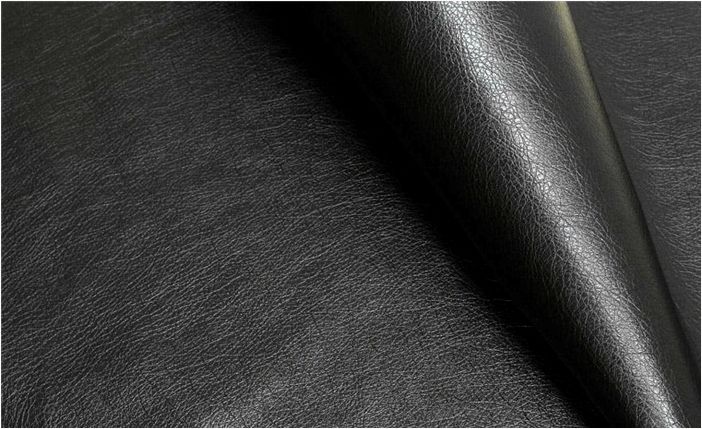
Faux leather is a durable and safe artificial material. It was created to fill the gap in natural leather fabrics. Faux leather can completely replace natural leather, making it impossible to tell the difference. They are inexpensive, reliable, and offer excellent decorative properties. They come in a wide range of colors and textures.
Contents of the article:
General description of the material group
Synthetic hides are made from polymers and artificial fibers. Production technologies vary depending on the type. Microfiber, PVC, polyurethane, and rubber can be used as the top layer. Blended fabrics, non-woven canvas, knitwear, cotton, and even paper are used as the backing. Manufacturing Technology
Manufacturing technology
At the end of the last century, manufacturers in the country began large-scale production of artificial fabrics; in 1963, the first material was released from a DuPont plant in the USA. A year later, the Japanese company Kuraray established production; in 1964, the first material was released in the USA. Today, Japanese artificial leather occupies an important place in the market, is in demand, and deserves attention.
Artificial leather began to be produced on an industrial scale in Russia in the 1930s. Rubber began to be replaced by polymers, which were then new. Today, you can buy artificial leather in St. Petersburg
at the online store “Materials and Components.” The following methods are used to produce artificial leather: direct. A simple polymer composition is applied to a small base;
Portable. The polymer is applied to a tape backing. This technique is used to produce highly stretched leather;

- Calendar. The polymer is applied by replication or friction. This method is considered universal and is suitable for producing most types of artificial leather;
- Ping. Initially, the polymer composition in granular form is fed into a special machine, from which a film emerges, which is eventually applied to the base. This technique is used to create multi-layered textures;
- Lamination. With the help of innovative equipment, leather is turned into leather goods. A continuous film applied to the base is visible.
- The main ingredient of the material is a film-forming composition, i. e. finishing coating made of polymer material. Depending on the technology, leather acquires individual properties.
- Finally, the trim is secured in place. Varnish or matte coatings, embossing and patterns are applied.
Species
Depending on the area of use, the following types of leather fastening are distinguished:
Types
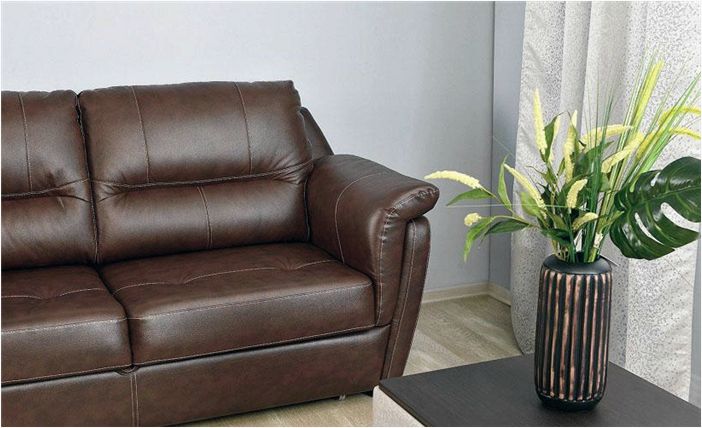
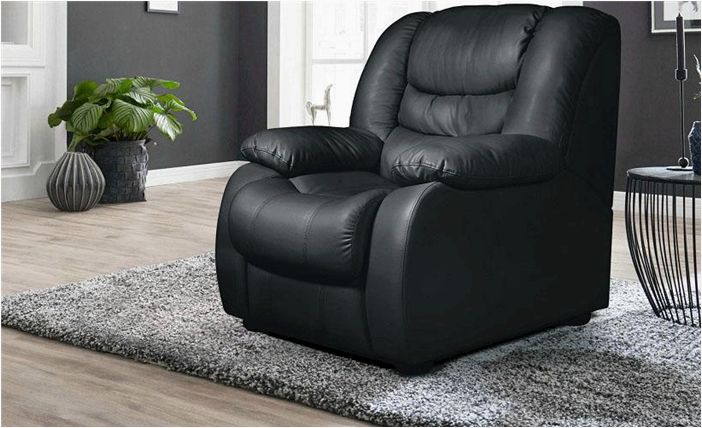
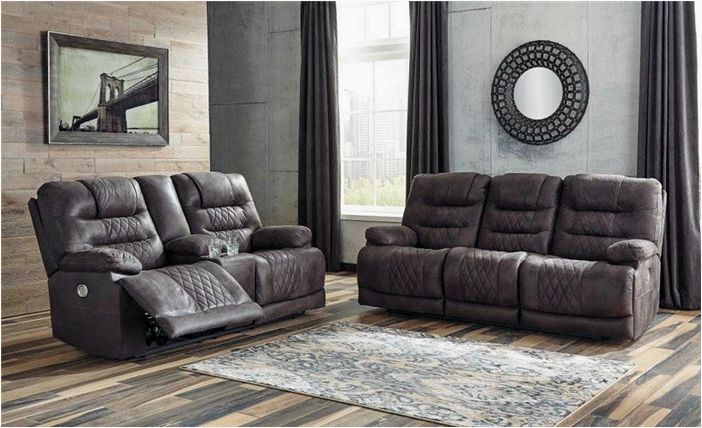
Interior decoration. Typically made from a knitted base coated with PVC. It has a high gap and bend rate, does not deform during operation and retains moisture on the surface. This category of alternative, also called Vinylska, is used for finishing furniture interiors;
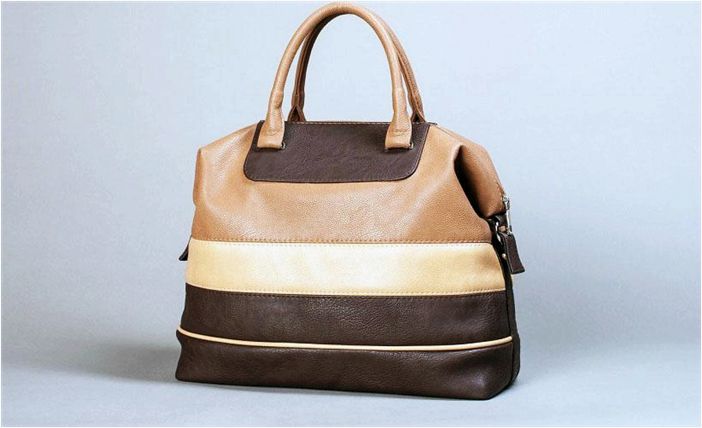
- Gallantry. It is used to make gloves, bags, wallets and other accessories. The main plus & mdash; frost resistance. This type of leather set is not only soft, but also resistant to mechanical damage;
- Cloth. It is widely used for sewing clothes, as its properties are practically equal to real leather;
- Intertwined. Designed for making covers for books, notebooks, diaries and folders;
- Vehicles. It is mainly covered with rubber, which makes it ideal for car showrooms and sewing covers.
- Also found in medical artificial leather. Superior to conventional fabrics found in furniture. The air permeability rate is high, bacteria do not multiply in the material and can be treated with chlorine content.
- So-called oil wipes are also produced. They are intended for domestic needs, for example, in the production of tablecloths and all kinds of bedspreads.
Single layer;
Multilayer;
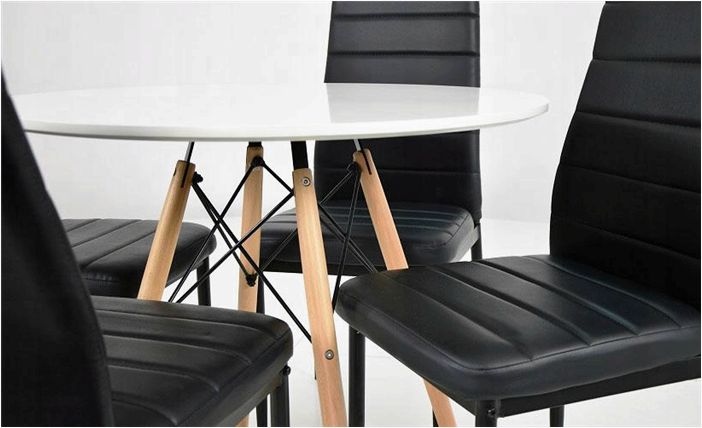
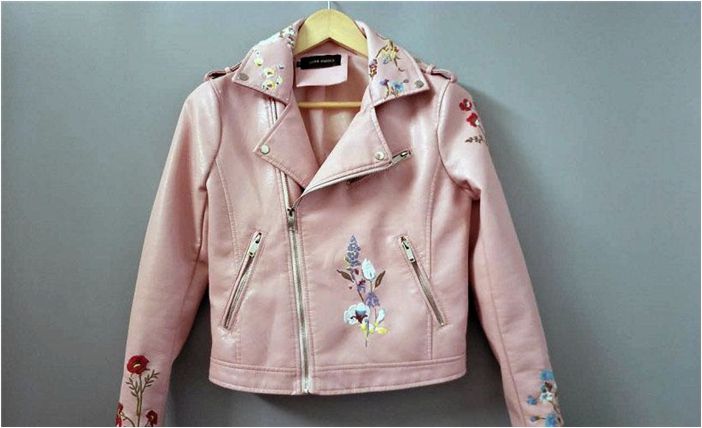
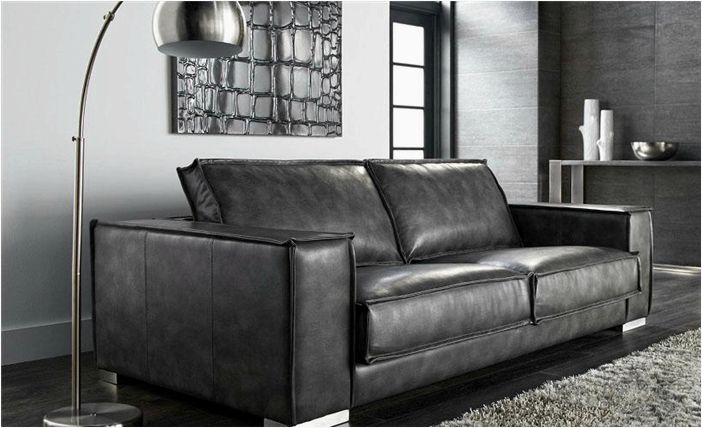
- Porous;
- Monolithic;
- Porous; monolithic;
- Fibrous;
- Without reason;
- Reinforced.
- Depending on the intended operating conditions, frost-resistant artificial substitutes, electrically conductive, anti-corrosion, grease-resistant, grease-resistant, fire-resistant, etc. are produced.
- In appearance, you can smooth out or imitate almost any structure, including skin. It’s not even worth talking about color solutions; few people can boast of such an assortment.
Names of existing leather substitutes, their composition and purpose
Identifying alternative skin options can help determine which target is more appropriate.
Names of existing leatherette materials, their composition, and purpose
Polyester or polyamide
Waterproof, hygroscopic, porous structure
MFPVCPVC and plasticizersDepending on the amount of plasticizers, it can have a soft or hard structureCotton, polyurethane, genuine leatherIt absorbs moisture and allows air to pass through, the material is absolutely harmless to humans, and is not afraid of mechanical stress and frost. Soft to the touchPUEco leatherSynthetic canvas or cotton, polyurethane top coating.Low allergen, hygroscopic skin, tolerates frost well and does not fade from sunlightTo determine the type of base, you should also check the markings. Letter “T” means that the fabric used as the base is “TN” & mdash; knitted fabric, and & quot; NT& quot; & mdash; non-woven material.Advantages and disadvantages compared to natural leather
The main advantages & mdash; strength and reliability. For example, compared to natural materials, shoes made of leatherette last much longer. Using the latest technology, ultra-strong synthetic fibers can be created.
Advantages and disadvantages compared to natural leather
Sustainability & mdash; another advantage of artificial materials. A high-quality set made of leather is indistinguishable from its natural counterpart. In clothes and shoes from alternative options it is convenient and simple. They do not fade, disappear or heat up from direct exposure to sunlight.
Thanks to the invention of leather substitutes, it is no longer necessary to kill large numbers of animals in order to obtain real leather.
Among the negative points they highlight:
Turning into leatherette, prolonged exposure to water is impossible;
Highly flammable;
- Intersects with sudden changes in temperature.
- Skin requires regular and thorough care. Otherwise, the product quickly loses its original properties.
- The disadvantages of upholstery are minor and obvious when production technology is violated or low-quality materials are used.
Care
Special cosmetic care is recommended for clothes and shoes made of artificial leather. If contamination occurs, it must be removed immediately to avoid penetration into the structure of the material. To remove large stains, use silk and wool detergent or a dish soap solution.
Care
IMPORTANT! Do not use hair dryers, irons or other technical means to dry artificial leather products.
Clean faux leather furniture with a vacuum cleaner. Traces of lipstick and glue from the pen should be removed with a 10% alcohol solution.
Conclusion
Synthetic leather is widely used for clothing, shoes and accessories. Products made from this material are durable. Fashion and interior designers have long appreciated all the advantages of leatherette, and it is used in the collections of the most famous fashion houses.
Conclusion
Artificial leather is a modern analogue and worthy competitor to natural leather materials