How to Choose a Wood Stove for Your Home and Make the Right Choice
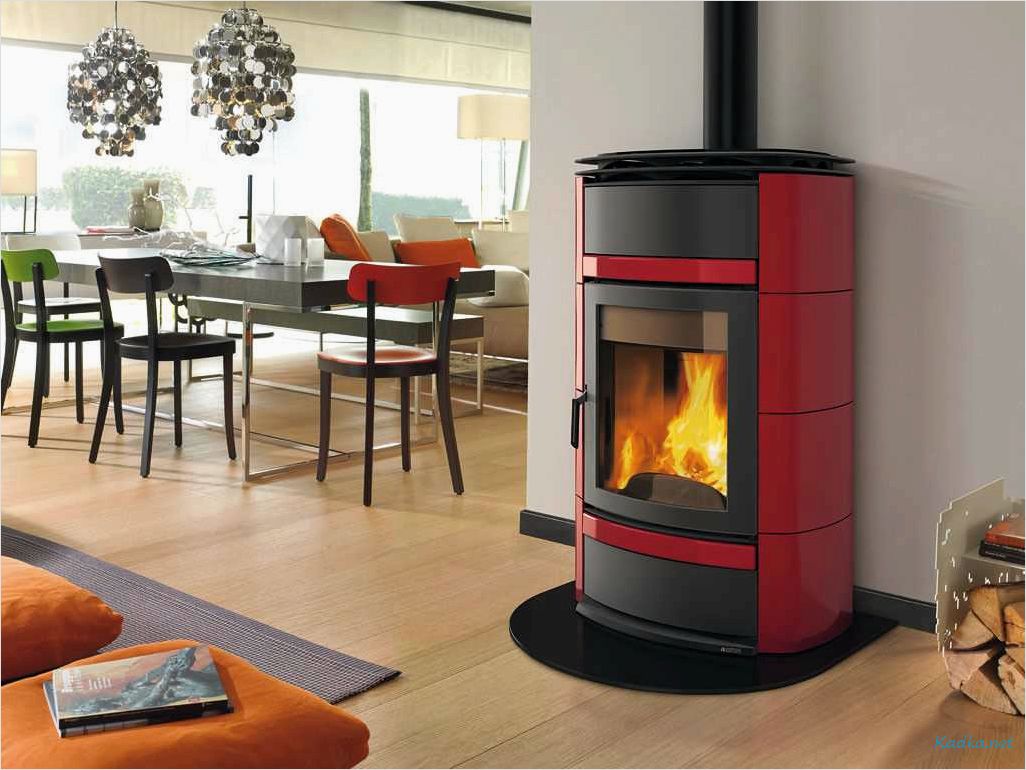
When the colder months arrive, maintaining warmth and comfort in your living space becomes especially important. Today, there are many modern heating solutions, but sometimes you long to return to time-tested methods. The heat emanating from a fire has a special magic: it not only warms but also creates an atmosphere of peace and tranquility.
Contents of the article:
Modern interiors increasingly include elements that connect the past and the present. One such element is a device that not only heats a space but also brings a touch of history and tradition into the home. In a world of technology and a fast paced lifestyle, such solutions help us maintain a connection with nature and offer moments of quiet enjoyment. When considering how to heat their home, many people consider methods that not only create a comfortable temperature but also enhance the aesthetic appeal of the interior. Modern wood-burning stoves for the home
offer a wide range of designs and features, making them an excellent choice for both city apartments and country houses Advantages and Disadvantages of Different Models when choosing heating equipment, it’s important to consider the features of different models to determine which one is best suited to specific conditions and needs. Each option has its own strengths and weaknesses, which affect efficiency, ease of use, and durability.
Advantages and disadvantages of different models
Distinguished by time-tested technology and ease of operation, they are typically made of cast iron or steel and have high heat capacity, allowing them to maintain heat in the room for a long time after the fire has been stopped.

- Advantages: reliability, durability, ease of use and repair.
Disadvantages: long heating time, possible condensation and soot formation if not used correctly.
- Models with a water circuit
- Designed to heat several rooms simultaneously, thanks to the ability to connect to a water heating system. This solution allows you to distribute heat evenly throughout the house, which is especially important for large areas.
- Advantages: the ability to efficiently heat a large space, saving on additional heating equipment.
Disadvantages: complexity of installation, the need for regular maintenance and monitoring of the system.
- Fireplace options
- They combine the functions of heating and a decorative element of the interior. They are often used not only to create a cozy atmosphere, but also as a source of additional heat.
- Advantages: aesthetic appearance, possibility of use as a main or additional heat source.
Disadvantages: lower efficiency compared to other models, the need for constant presence to maintain combustion.
- Convection systems
- They provide quick and uniform heating of the room due to air circulation through a special chamber, which makes them an excellent choice for those who value comfort and time savings.
- Advantages: quick warm-up, efficiency, low fuel consumption.
Disadvantages: possible noise during operation, the need for regular cleaning of ventilation ducts.
- Each type of heating equipment has its own characteristics, which are important to consider when choosing. By analyzing the advantages and disadvantages of different models, you can find the most suitable option for specific operating conditions.
- Correct installation of heating equipment in a residential area
The first step is to choose a suitable location. It should be kept away from flammable objects and materials such as furniture, curtains and wooden walls. The distance to these objects should be minimal, but safe, to prevent overheating and possible fires. It is recommended to place the equipment on a special heat-insulating stand, which will protect the floor from high temperatures and possible exposure to coals.
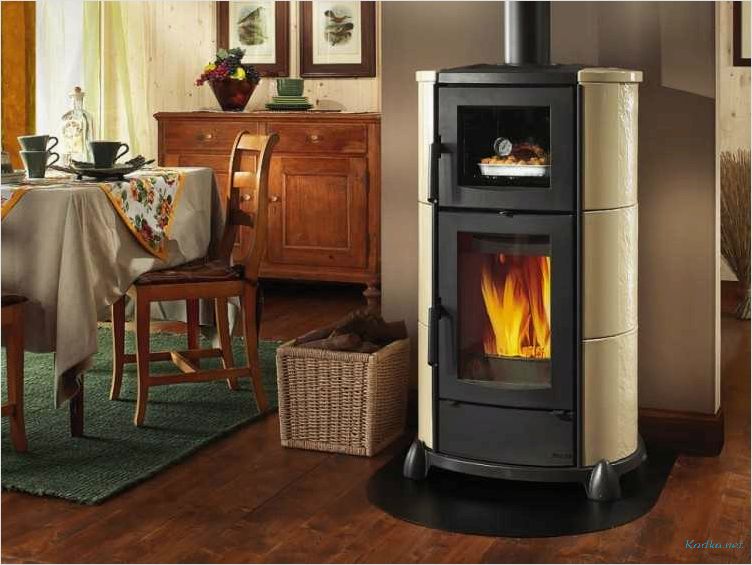
The base on which the device will be installed must be reliable and durable, capable of supporting its weight. Most often, non-combustible materials such as concrete or brick are used for this. It is also important to ensure the stability of the structure to prevent any displacement or tipping during operation. If the floors in the room are made of wood, additional protection in the form of a metal or ceramic screen will be required.
The next key point is the organization of the chimney. It should be straight, without sharp bends, which will ensure effective removal of combustion products. The chimney should be installed vertically, with a minimum number of connections and turns, to reduce the risk of blockages and ensure good draft. It is important to correctly calculate its diameter and height, which directly affects the stability of the entire system.
Particular attention should be paid to the tightness of all connections. Any cracks or gaps can cause carbon monoxide to leak, which can be life-threatening. Installed seals and sealants must be resistant to high temperatures and long-term use.
Do not forget about the need to install protective screens or panels on the walls, especially if they are made of materials subject to heat. This will minimize the risk of fire and protect the finishing of the room from damage.
The final stage is to check all system components for operability and safety. Before first use, it is recommended to conduct a test run to ensure correct installation and absence of malfunctions.
Safety and Ventilation Tips
Compliance with safety rules and proper ventilation play a key role in ensuring reliable and efficient operation of the heating system. This allows you to avoid possible risks and maintain a comfortable atmosphere in your living space.
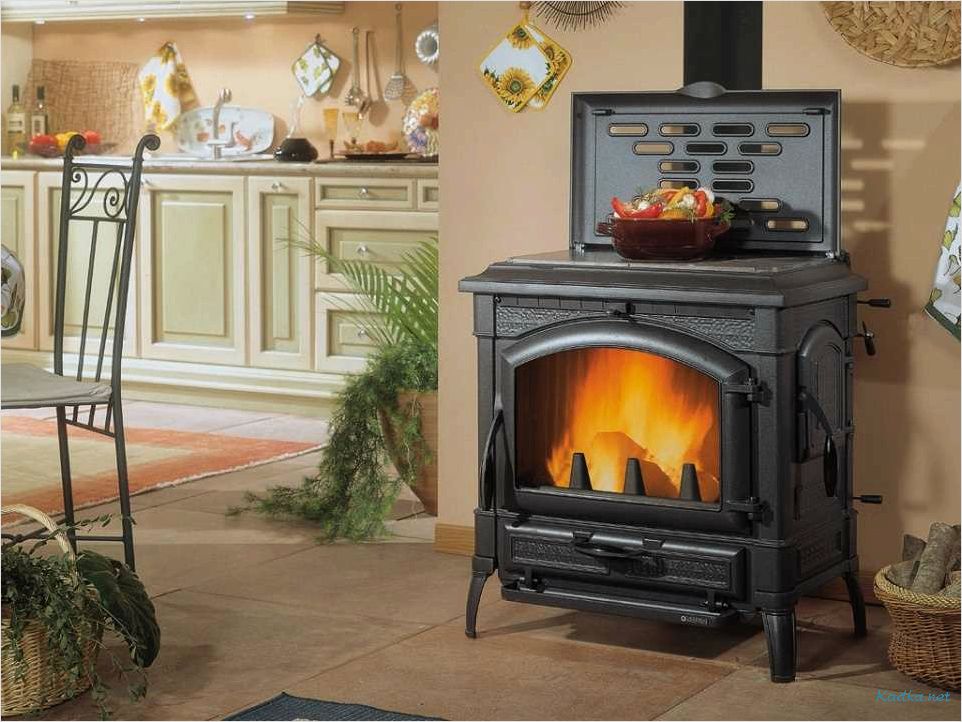
Safety and ventilation tips
One of the important aspects of operating a heating device is compliance with fire safety regulations. First of all, you should pay attention to the correct placement of the structure. It should be installed at a sufficient distance from walls, furniture and other flammable objects. It is necessary to provide heat-insulated screens or special stands that will protect surrounding surfaces from overheating.
Safety
Proper ventilation
You also need to make sure that all connections and seams in the structure are airtight. Any cracks or gaps can cause leaks and combustion products to enter the room. Regularly checking the system and, if necessary, upgrading it will help prevent possible problems.
Proper ventilation
The choice of location should take into account not only ease of use, but also compliance with all fire safety requirements. The structure must be installed at a sufficient distance from walls, furniture and other flammable materials. It is recommended to provide protective screens or thermal insulation panels if the walls are made of materials prone to fire.
The base for the equipment is another important aspect. It must be strong and stable, able to withstand the weight of the structure and prevent it from moving. Most often, non-combustible tiles or a special platform are used as a base, which is mounted directly on the floor.
The installation of a chimney plays a key role in ensuring effective draft and removal of combustion products. An incorrectly installed or clogged chimney can cause smoke in the room and carbon monoxide accumulation. The chimney should be long enough, straight and have a minimum number of bends. It must be protected from possible precipitation using a special cap at the outlet.
Checking the tightness of connections must be carried out at each stage of installation. Any gaps or leaks may result in smoke leaks or heat loss, which will negatively impact overall performance. The use of high-quality seals and correct joining of all elements minimizes such risks.
After installation is complete, it is important to test the system to ensure it is working properly. Initial warm-up will help identify possible shortcomings and eliminate them in a timely manner. By following these recommendations, you can ensure the safe and efficient operation of your heating equipment for many years to come.
Care and maintenance
Proper care of the device, which serves as a heat source, is necessary for its durability and efficient operation. Regular inspections and timely measures will help avoid serious problems and extend the life of the heating unit.
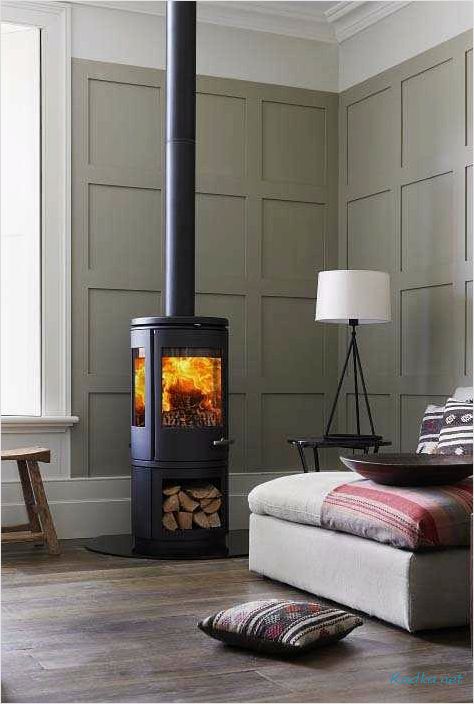
Care and maintenance
The next important aspect is to check the condition of all components. The unit should be inspected regularly for cracks, corrosion and other damage. If defects are found, they should be repaired immediately to prevent more serious damage.
An important part of maintenance is also monitoring the condition of the chimney. The chimney must be cleaned periodically to remove any deposits that may have formed inside the chimney. This will ensure stable removal of combustion products and prevent smoke in the room.
Maintenance also includes monitoring the condition of seals and connecting elements. Over time, they can wear out, causing heat leaks and reduced efficiency. If necessary, they should be replaced with new ones.
It is also necessary to pay attention to the quality of the fuel used. Using unsuitable materials can cause rapid clogging and damage to the unit. Regular checking of fuel quality and its correct storage are also included in mandatory maintenance measures.
For convenience, you can create a maintenance schedule so as not to miss important stages of care. This will keep the equipment in good condition for many years.
Procedure
Execution frequency
Cleaning the inner chamber and chimneyMonthlyChecking the condition of seals and fastenersQuarterlyInspect for damageOnce every six monthsReplacement of worn partsAs neededFuel quality controlConstantlyHow to choose a wood stove for your home and make the right choiceHow to choose a wood stove for your home and make the right choice