Fabric Printing: How to Create a Vibrant and Stylish Print
Fabric printing is the process of applying an image or text to the surface of a material. It is one way to personalize and decorate various textile products, such as T-shirts, bags, towels, and more. Fabric printing can be used for both commercial purposes and to create unique and original gifts and souvenirs.
Article Contents:
There are several fabric printing technologies, each with its own characteristics and advantages. One of the most popular methods is sublimation printing, in which special inks penetrate the fabric and dye it. This method produces vibrant, long-lasting colors while preserving the fabric’s natural properties, such as softness and breathability.
Another common method of printing on fabric is heat transfer printing. With this method, the image is first printed on special paper and then transferred to the fabric using heat and pressure. Heat transfer printing allows for highly detailed and clear images, and ensures resistance to washing and exposure to external factors.
Fabric printing opens up vast opportunities for self-expression and creativity. It allows for the creation of unique and original items that reflect the individuality and style of their owner. Thanks to the development of modern printing technologies, anyone can create their own unique design and have it embodied on fabric.
Finally, fabric printing is not only a means of decoration and personalization but also an effective tool for branding and promoting products and services. It allows for the creation of corporate apparel, souvenirs, and advertising materials featuring a company logo and corporate identity. Thus, fabric printing is an important element of the modern textile and advertising industries.
History of Fabric Printing
Fabric Printing has ancient roots and is one of the oldest arts. Even in ancient times, people used various methods to create patterns and images on fabrics. One of the first methods of printing on fabrics was the manual application of paint using brushes or stamps.

In Ancient Egypt, textile printing was already widespread. Various methods were used here, such as applying paint using brushes, stamps or stencils. Also in Egypt, special craftsmen were known who created complex and colorful patterns on fabrics.
In Ancient Greece and Rome, printing on fabrics was also very popular. Various methods were used here, such as applying paint using stamps or stencils. Also in Greece and Rome, special craftsmen were known who created unique patterns and images on fabrics.
In the Middle Ages, textile printing acquired new forms and methods. At this time, special printing machines began to be used, which made it possible to apply paint to fabric more evenly and accurately. New printing techniques such as screen printing and embossing have also emerged.
In modern times, printing on fabrics has become even more diverse and accessible. With the advent of computer technology and digital printing, it has become possible to create complex and colorful patterns on fabrics. People can now print any image or design on fabric, which has opened up new possibilities for designers and artists.
As a result, the history of textile printing is rich and varied. From ancient hand printing techniques to modern digital technology, textile printing continues to evolve and capture people’s attention with its beauty and originality.
Variety of Fabric Printing Methods
Fabric printing is the process of applying a design or image to the surface of a fabric. There are many methods that allow you to achieve a variety of effects and results.
1. Screen Printing
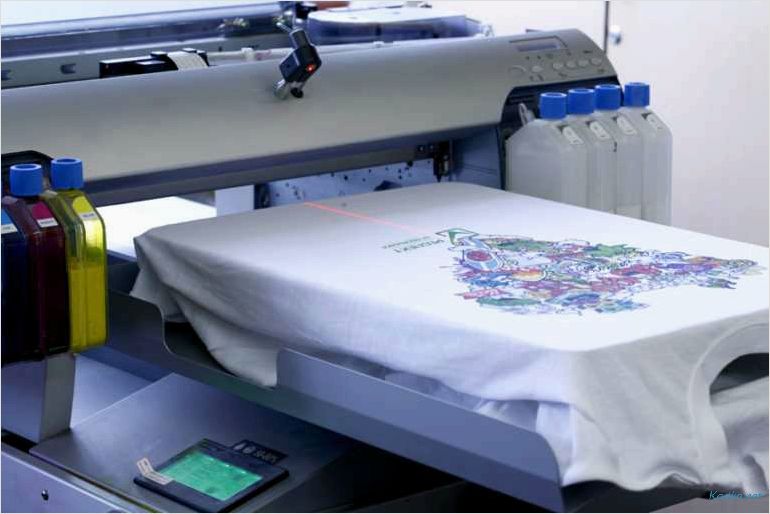
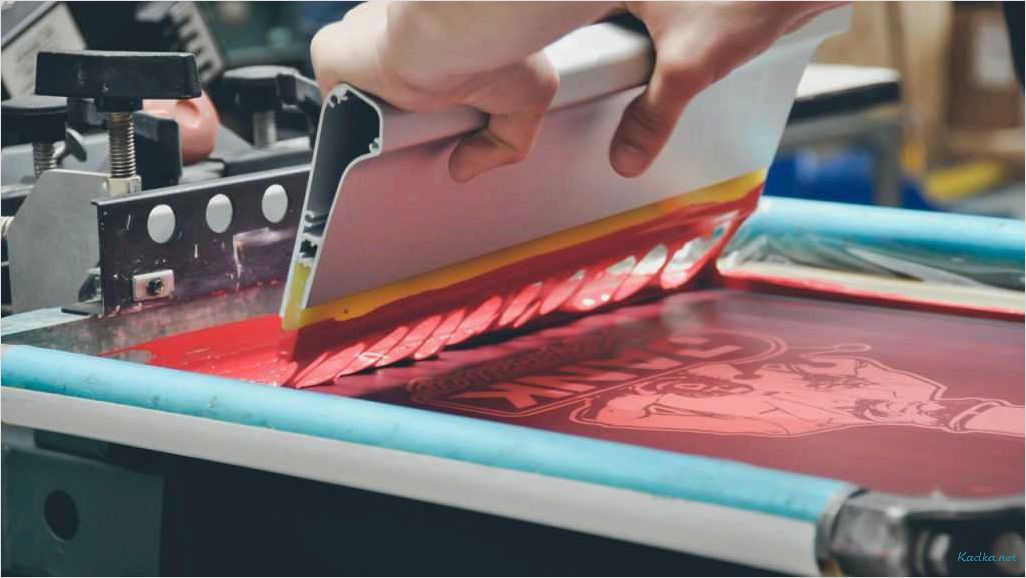
Screen printing is one of the most popular methods of printing on fabric. It is based on the use of a fine mesh stencil through which paint is applied to the fabric. This method produces bright, rich colors while preserving detail and image quality.
2. Digital Printing
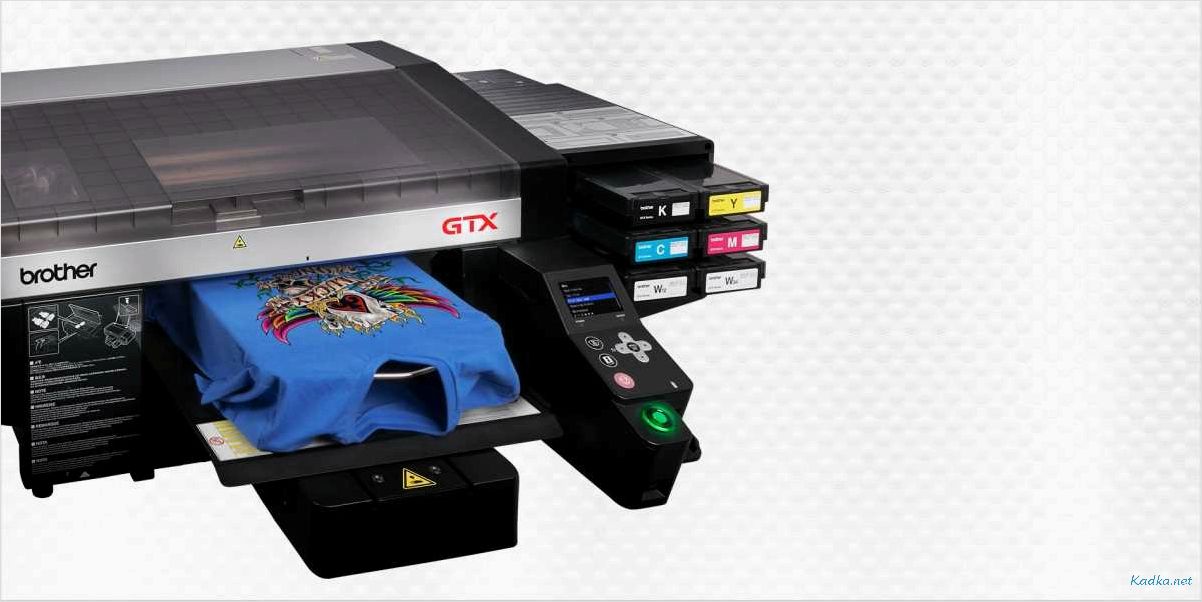
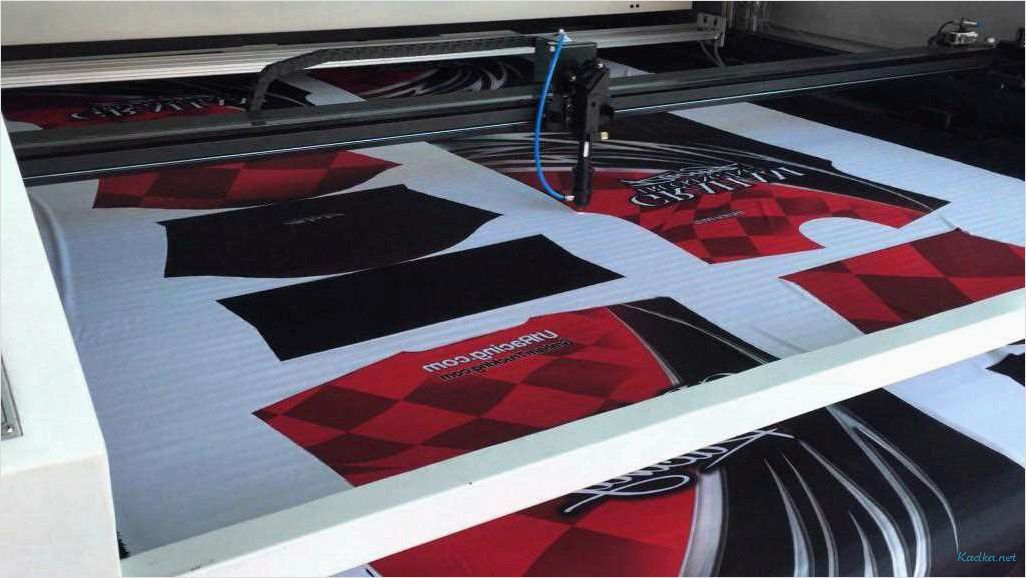
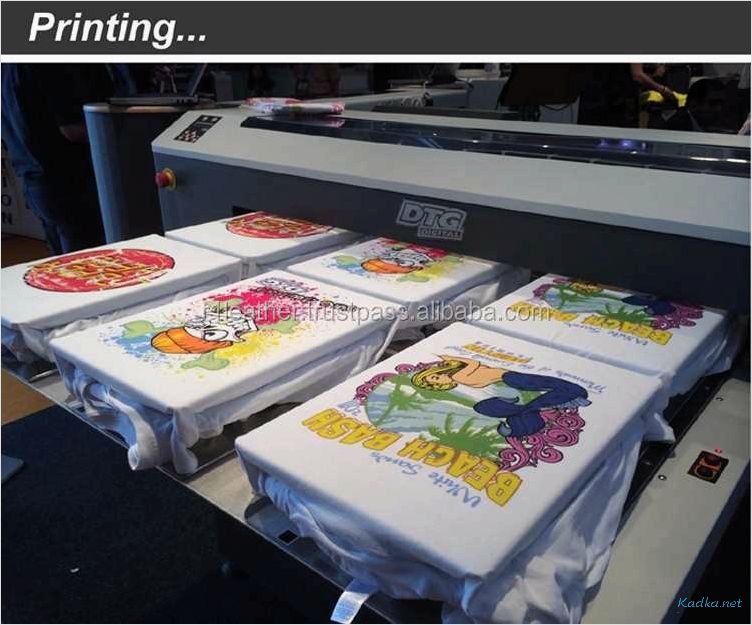
Digital fabric printing has become popular due to advancements in technology. It allows you to apply high-resolution images to various types of fabrics. Digital printing offers great flexibility and the ability to print short runs with high quality.
3. Heat Transfer
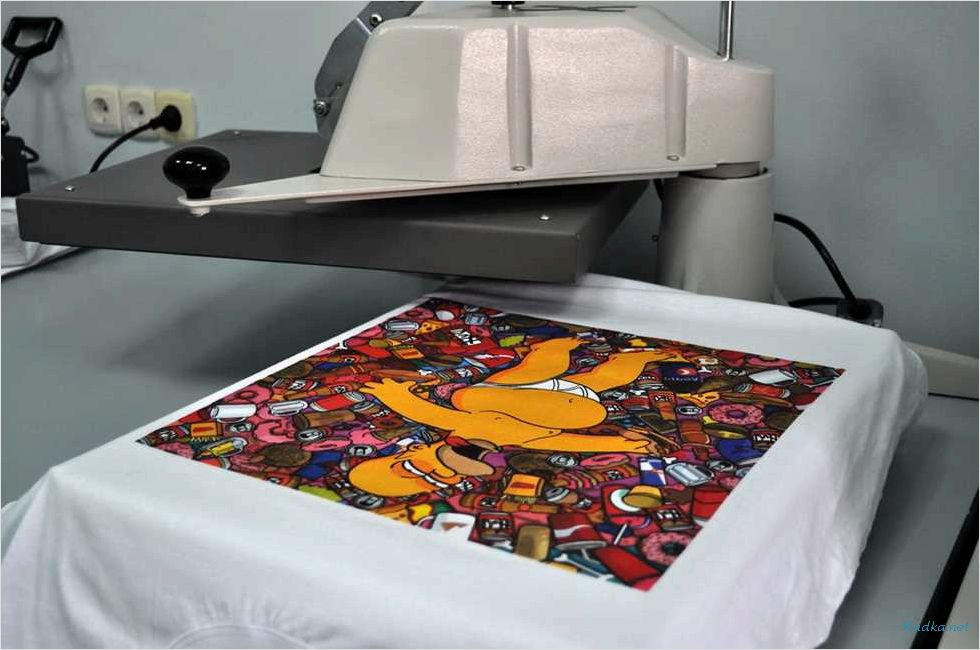
Thermal transfer is a printing method in which an image is applied to fabric using a heated print head. This method ensures high resistance of the image to washing and fading. It also allows you to print on a variety of fabric types, including synthetic and natural.
4. Sublimation Printing
Sublimation printing is a method in which ink is heated to a high temperature and penetrates the structure of the fabric. When cooled, the dye turns into a gas and is embedded in the molecules of the fabric. This method provides bright and durable colors, as well as the ability to print on synthetic materials.
Depending on the requirements and goals, the choice of fabric printing method may vary. Each of these methods has its own advantages and features that allow you to achieve the desired result.
Applications of Fabric Printing
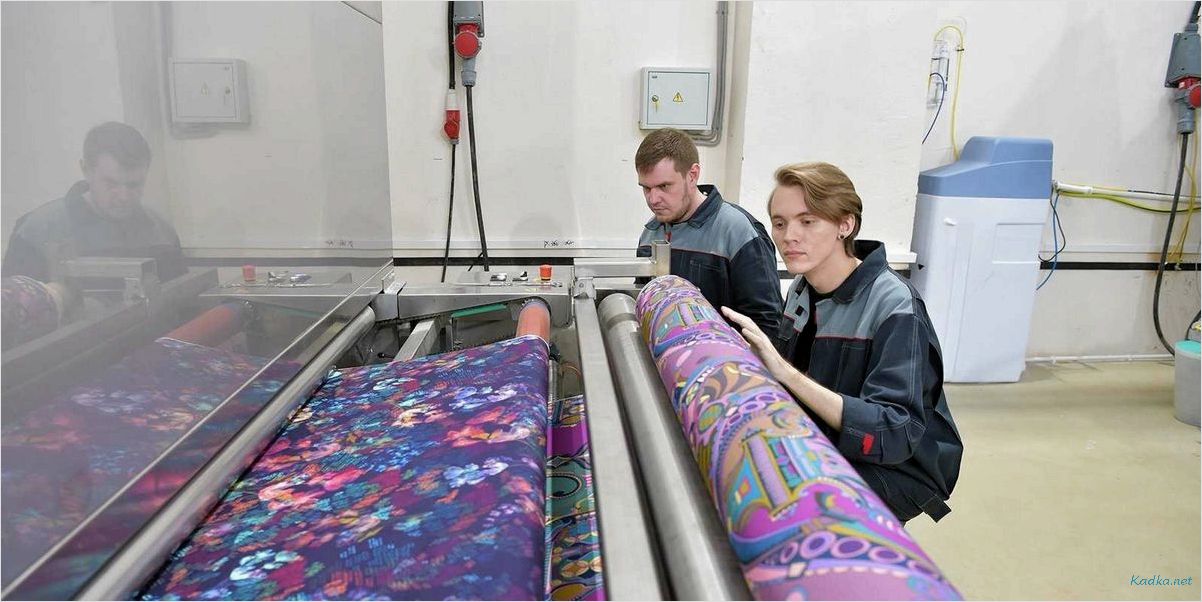
Fabric printing is the process of applying images, designs or text onto the surface of fabric using special technologies. This allows you to create unique and original products such as clothing, accessories, interior items and much more.
One of the main applications of fabric printing is in clothing production. Using printing, you can create bright and colorful prints on T-shirts, sweatshirts, dresses and other wardrobe items. Such products become unique and stand out from the crowd.
Additionally, fabric printing is widely used in the interior design industry. Using printing, you can create original wallpaper, curtains, pillows and other decorative elements. This allows you to create a cozy and stylish atmosphere in the room, as well as emphasize the individuality and character of the owner.
Fabric printing is also used in the production of accessories. Using printing, you can create bright and colorful bags, backpacks, wallets and other items that will become not only functional, but also stylish accents of your image. Such products can be decorated with various prints, logos or even photographs.
Using fabric printing allows you not only to create unique and original products, but also to express your individuality and creativity. Thanks to a variety of printing technologies and a wide selection of materials, you can create a variety of effects and styles to highlight your individuality and uniqueness.
The Fabric Printing Process
Fabric printing is the process of applying an image or design to the surface of a fabric using special technologies and equipment. This process allows you to create vibrant and long-lasting prints on a variety of fabric types.
The first step in the fabric printing process is preparing the design. The design can be created in a graphic editor or provided by the customer. The design is then digitized and prepared for printing.
Various methods are used for printing on fabric such as digital printing, screen printing, heat transfer and others. Each method has its own characteristics and is used depending on the customer’s requirements and the characteristics of the fabric.
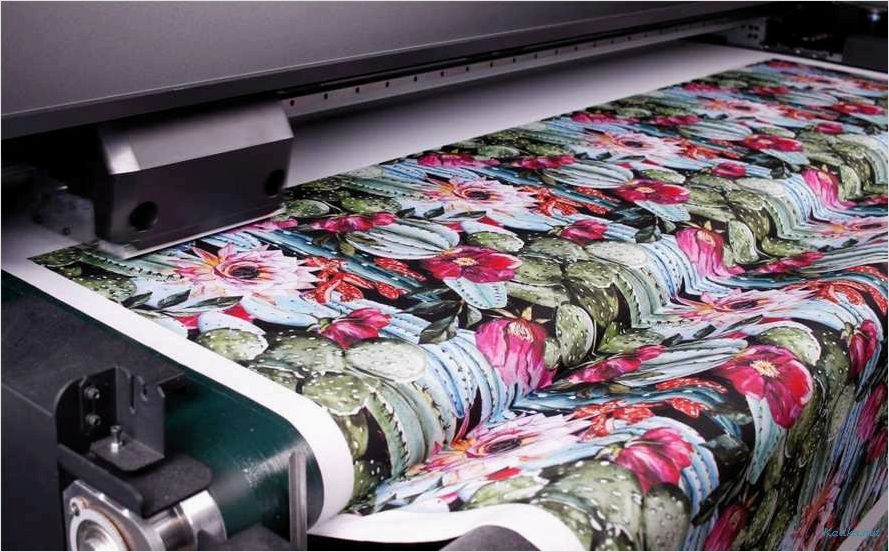
One of the most popular methods of printing on fabric is digital printing. In this method, an image is transferred from a computer to a printing machine, which applies ink to the fabric. Digital printing ensures high quality and accurate design reproduction.
After printing, the fabric goes through a curing process to make the ink resistant to rubbing and fading. Fixing can occur using heat, steam or chemicals, depending on the printing technology used.
Fabric printing is widely used in various industries, such as the textile industry, fashion industry, interior design and others. It allows you to create original and unique products, as well as personalized gifts and souvenirs.
Fabric Printing Technologies
Fabric printing technologies are constantly improving, offering better and more vibrant results. There are several main methods of printing on textile materials, each of which has its own advantages and features.
1. Sublimation Printing
Sublimation printing is one of the most popular fabric printing methods. With this method, special ink is converted from a solid to a gaseous state, penetrates the structure of the fabric and colors it. The result is a vibrant, long-lasting, wash-resistant print that is tactile to the touch.
2. Digital Printing
Digital printing on fabric allows you to apply images directly to the material using special inkjet printers. This method has high printing accuracy and clarity, and also allows you to apply complex patterns and color transitions. Thanks to the use of special inks, the print becomes resistant to water and sunlight.
3. Heat Transfer Printing
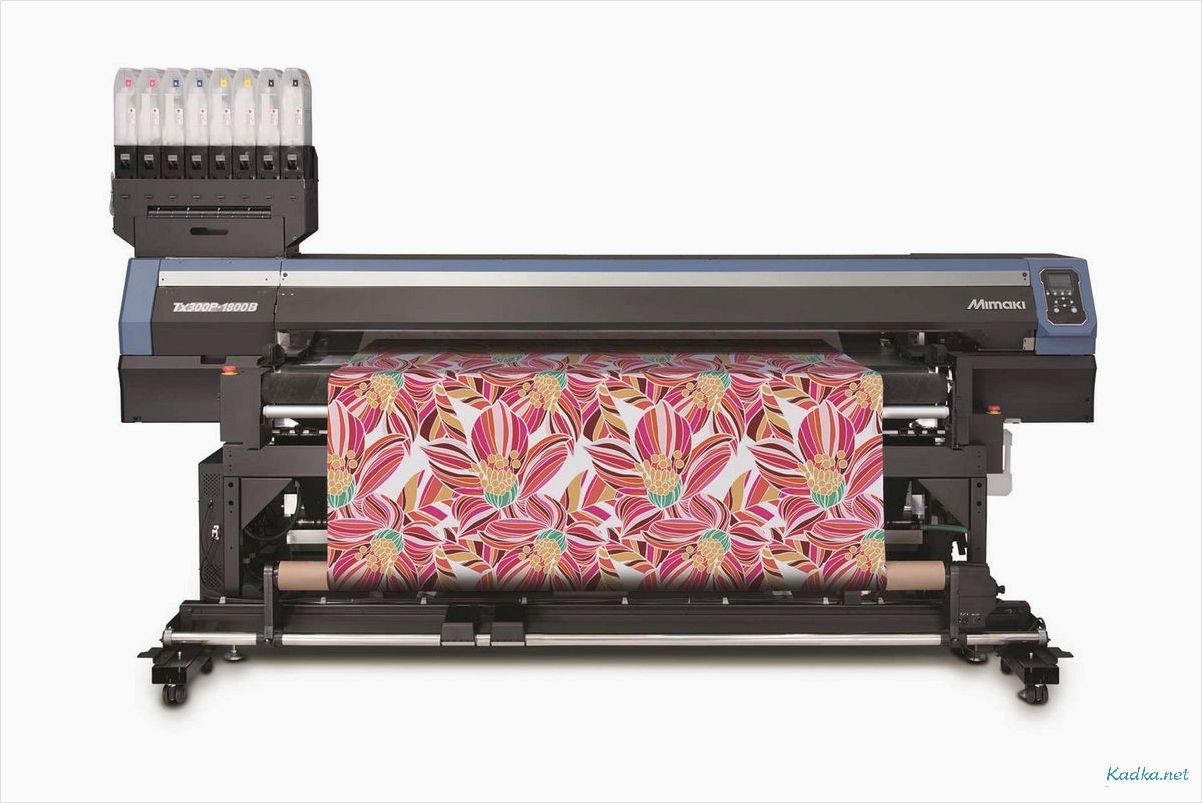
Thermal transfer printing is based on transferring an image by heating a special film that is glued to the fabric. When heated, the ink on the film turns into a gaseous state and penetrates the fabric structure. The result is a vibrant, long-lasting print that is tactile and won’t fade in the sun.
Fabric printing technologies continue to evolve, offering increasingly better and more durable results. The choice of printing method depends on the required quality, wash fastness and other factors, so it is important to choose the appropriate method for each specific project.
Advantages of Fabric Printing
Printing on fabric is a unique way to create original and creative products. It provides many advantages that make this process popular and in demand.
1. Customization
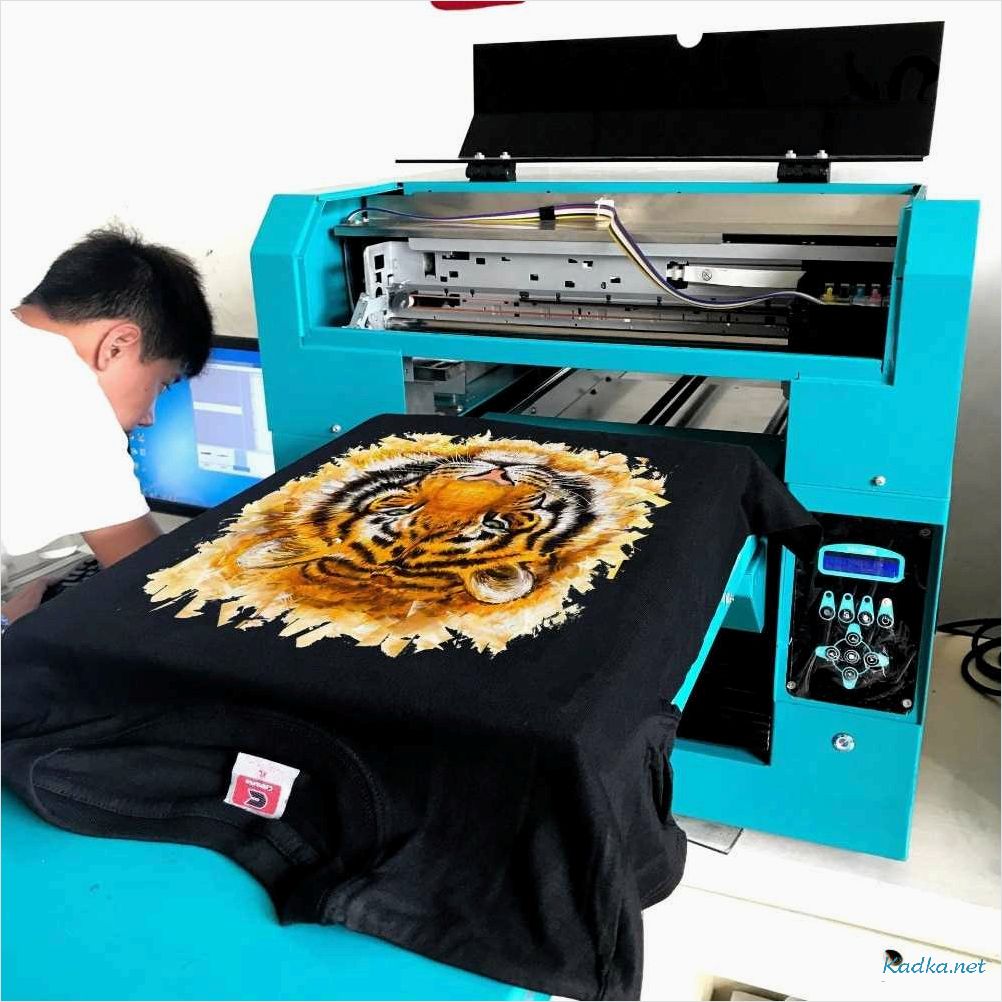
One of the main advantages of printing on fabric is the ability to create unique designs. You can develop your own design and apply it to the fabric, allowing you to create unique and original products. This is especially important for designers and artists who want to stand out in the market and offer something new and interesting.
2. High Quality
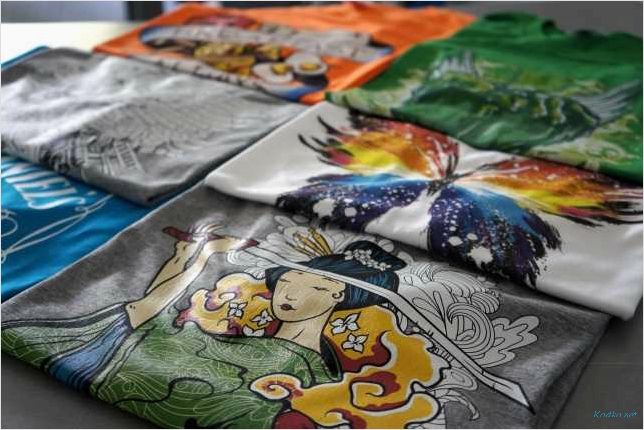
Printing on fabric provides high quality images. Technologies allow you to convey all the details and shades of the image, while maintaining the brightness and saturation of colors. This is especially important when creating advertising and promotional materials, where every detail and color matters.
3. Wide Range of Materials
Fabric printing is available on a variety of materials, allowing you to choose the most suitable option for your specific project. You can choose a fabric with the right texture, density and composition to achieve the desired effect. This allows you to create a variety of products such as flags, t-shirts, scarves and much more.
4. Durability
Printing on fabric has a high degree of resistance to external influences. The image does not fade when exposed to sunlight, does not wash off when washing, and does not lose its properties over time. This allows you to create durable and high-quality products that will retain their original appearance for a long time.
Overall, fabric printing offers numerous advantages that make it an indispensable tool in design and advertising. It allows for the creation of unique products, offers high image quality, a wide selection of materials, and durability. This opens up new creative possibilities and helps you stand out in the marketplace. Fabric Printing: How to Create a Bright and Stylish Print