Practical and reliable solutions for storing equipment in tool cabinets
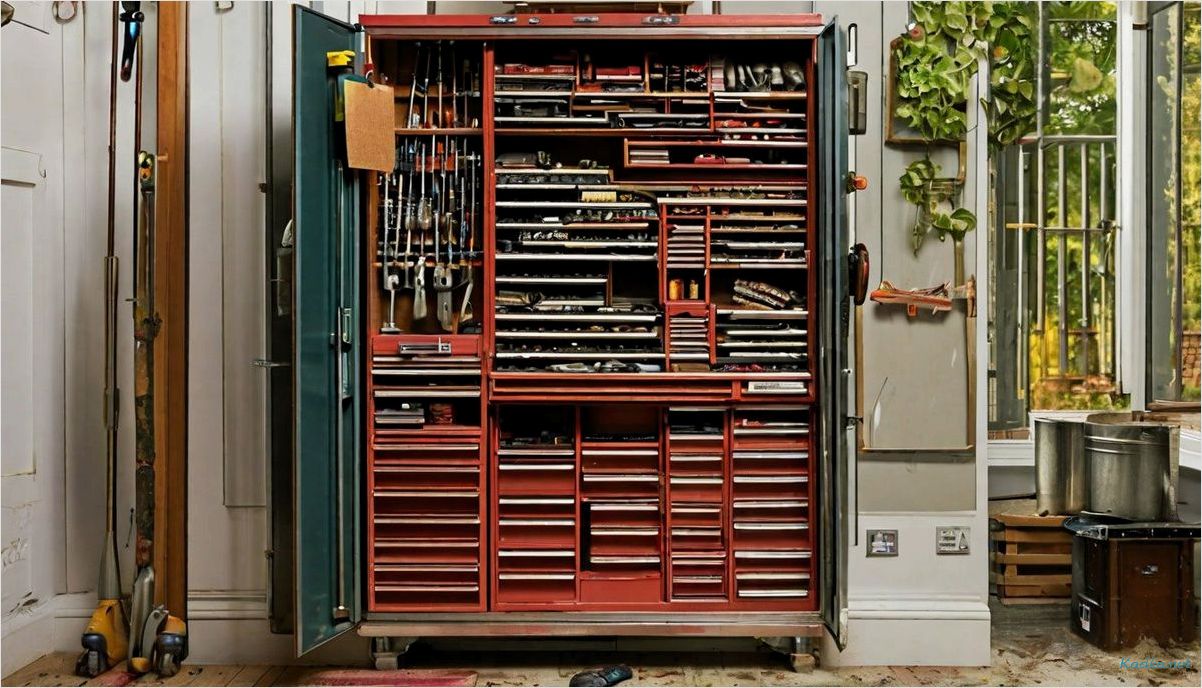
When choosing a tool cabinet for a workshop, production or garage, pay attention to models with many compartments, shelves and drawers. This allows for quick access to tools and materials, significantly reducing the time spent searching for the necessary equipment. Well-organized storage is the key to efficient work.
Contents of the article:
Tool cabinets are made of metal, which makes them durable and resistant to mechanical damage. Additional coatings, such as powder paint, protect the metal from corrosion. Choose cabinets with adjustable shelves to best suit your needs and accommodate both large and small tools.
For ease of use, it is useful to provide cabinets with central locking or individual locking on the drawers. This ensures the safety of stored items and reduces the risk of loss. If you plan to move the cabinet around the area, look for models with wheels equipped with brake mechanisms to keep it in place.
The right tool cabinet is more than just a way to store tools, it can create an organized system that increases productivity and saves time. By selecting models based on your needs, you not only improve the organization of your workspace, but also create the basis for performing tasks efficiently and safely.
Materials and designs of tool cabinets: how to choose the best option
For professional or industrial use, choose a tool cabinet made of steel. Steel ensures structural reliability, high resistance to mechanical damage and increases service life. For standard operating conditions, cold-rolled steel with a powder coating is suitable, which protects against corrosion.
If storage is required in areas with high humidity, choose stainless steel models. This material prevents the formation of rust and maintains an aesthetic appearance even under adverse conditions. Make sure that the thickness of the housing walls is at least 1 mm – this guarantees the resistance of the structure to loads.

For workshops with limited space, tool cabinets with a modular structure are suitable. They allow the internal organization to be customized: shelves, drawers and brackets can be customized to suit specific needs. If your equipment requires quick access, choose models with full extension slides, which allow drawers to open easily and make work easier.
Pay attention to the quality of the fittings. Metal hinges and handles will be more reliable than their plastic counterparts, especially with intensive use. For cabinets with a high load, check the load-carrying capacity of the shelves declared by the manufacturer – optimally from 50 kg per shelf.
If safety is a priority, choose tool cabinet with locks. For comfortable use, a model with a central locking system that locks all sections at once is suitable. In production environments, electronics with coded access are suitable to prevent unauthorized opening.
Organization of tool storage: key elements and their purpose
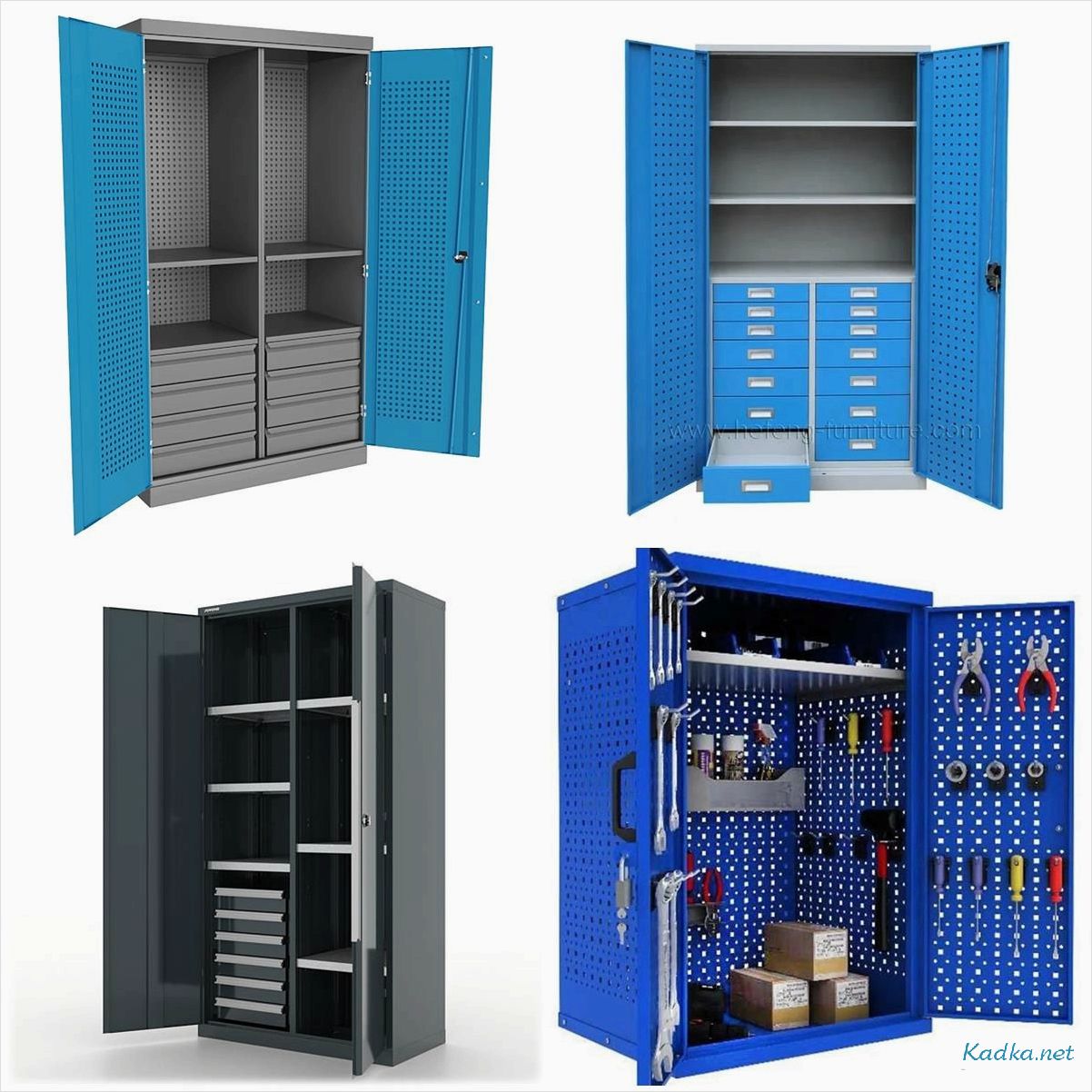
- Start by grouping your tools by purpose. Organize them into hand tools, power tools, and supplies. This will make it easier to access the items you need and eliminate clutter.
- For small accessories, use drawers or boxes with compartments. Place them in the upper sections of tool cabinets so you don’t lose sight of important parts.
- Tools that are frequently used are recommended to be placed on shelves fixed at eye level for easy access. Height-adjustable shelves will help adapt the space to specific equipment sizes.
- Hooks and holders on the inside of tool cabinet doors are suitable for bulky tools such as hammers, pliers or screwdrivers. This saves space inside the cabinet and allows you to immediately see the location of each item.
- To ensure safety, it is important to provide a place to store tools with sharp blades. Use special boxes or protective covers to avoid damage and accidents.
- Labels or markers will be helpful in identifying each storage area. This makes it easier to find tools and keep things organized.
- A tool cabinet with a lock or a separate section for valuable or rarely used tools will prevent their accidental use or loss.
Review the content periodically. Get rid of broken or unnecessary equipment to free up space and ensure optimal organization.
Reliability and safety criteria for operating tool cabinets
Start by checking the cabinet material. The metal tool cabinet has maximum resistance to mechanical damage and can withstand significant loads. For use in conditions of high humidity, choose models made of metal with an anti-corrosion coating.
Closing mechanisms must be not only convenient, but also reliable. Opt for cabinets with reinforced locks, and for storing dangerous tools or chemicals, consider options with multi-point locking systems.
Pay attention to the stability of the structure. When choosing, consider the height of the tool cabinet: to prevent tall models from tipping over, it is recommended to use anchors to the wall or floor.
Ventilation systems also play an important role in safety. Cabinets for storing materials that emit harmful vapors must be equipped with ventilation holes or special modules.
To prevent injury, use models with rounded corners. Reinforced drawer guides minimize the risk of shelves falling out due to the weight of the contents.
When choosing a tool cabinet, be sure to consider the maximum load on its shelves. Manufacturers usually indicate this indicator, which helps avoid deformation of the structure during operation.