Sprouted Rye: Benefits and Features
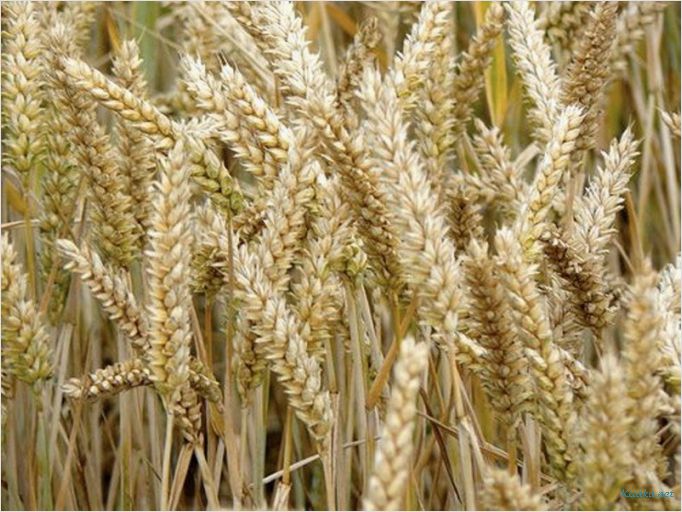
Rye is one of the oldest cultivated cereals, used by humans for food for several thousand years. Originally grown as livestock feed, rye has since become widely used in the food industry.
Article Contents:
Sprouted rye is a special product obtained by sprouting rye grains. The sprouting process occurs due to the exposure of rye grains to moisture and heat, which awakens the grain’s vital energies and activates its beneficial properties.
Sprouted rye has many beneficial properties for the human body. Firstly, it is rich in B vitamins, which are essential for the normal functioning of the nervous system and metabolism. Secondly, sprouted rye contains a large amount of fiber, which promotes digestion and prevents constipation. Thirdly, sprouted rye has antioxidant properties that help protect the body’s cells from the damaging effects of free radicals.
Sprouted rye can be used as an ingredient in a variety of dishes. It’s perfect for adding to salads, soups, porridges, and baked goods. Thanks to its delicate flavor and texture, sprouted rye adds a unique aroma and health benefits to dishes.
If you’re health-conscious and want to incorporate healthy foods into your diet, consider sprouted rye. It’s an excellent source of vitamins, minerals, and other nutrients that will help boost your health and immunity.
Benefits of Sprouted Rye
Rye is one of the most popular grains for sprouting. Its use has several benefits:

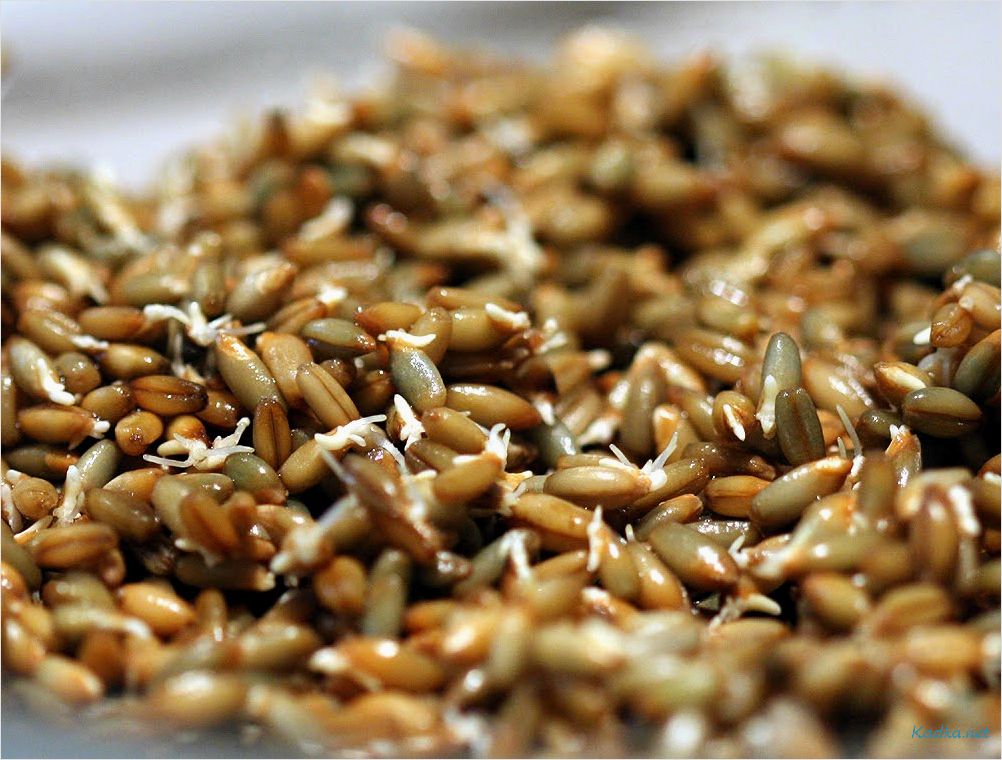
- Rich nutritional composition: Rye contains numerous vitamins, minerals, and other beneficial substances, such as B vitamins, iron, zinc, magnesium, and others. Sprouted rye is rich in amino acids, enzymes, and phytohormones.
- Improved digestion: Sprouted rye contains a large amount of fiber, which promotes normal bowel function and improves digestion. It also helps cleanse the body of toxins and waste.
- Boosting Immunity: Rye contains vitamin C, a powerful antioxidant that helps strengthen the immune system. Sprouted rye also contains vitamin E, which helps slow the aging process and strengthen the immune system.
- Improving Overall Health: Rye helps improve overall health, increasing energy and stress resistance. Sprouted rye helps improve sleep, lower cholesterol, and reduce the risk of cardiovascular disease.
Sprouting rye is quite simple: soak the rye grains in water for several hours, then spread them on a tray and allow them to sprout in a warm, dark place. After a few days, the sprouted rye can be harvested and used as food.
When marketing sprouted rye, it’s important to remember its beneficial properties and the health benefits it can bring. Sprouted rye is not only a delicious product but also a valuable source of nutrients.
How to Sprout Rye Properly?
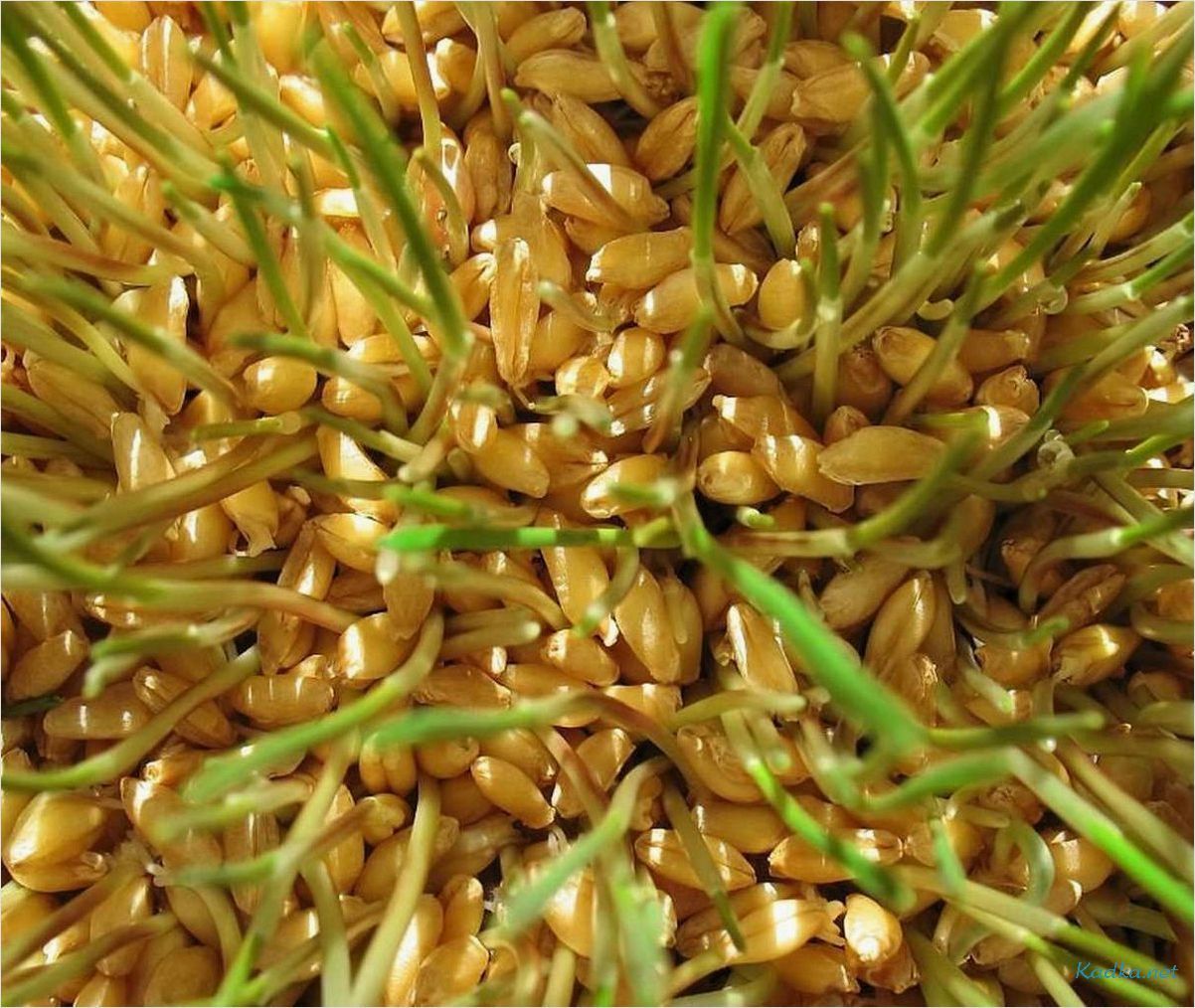
Rye germination is an important step in its cultivation, improving the grain’s nutritional properties and increasing its digestibility. Proper rye germination requires following a few simple steps.
Rye for germination only high-quality seed should be selected. It should be healthy, free from damage and mechanical defects.
Before germination, rye seed must be prepared. It is recommended to rinse and soak it in water for several hours. This will speed up germination and improve the grain’s quality.
To successfully germinate rye, it is necessary to create optimal conditions. You can use special germinators or simply a damp cloth or newspaper. The seed should be placed on the surface and moistened daily. The temperature should be between 20-25 degrees Celsius.
It is important to monitor the seed’s moisture level during germination. It should not be too high to prevent rotting, but not too low to ensure normal germination. Maintaining moderate humidity is recommended.
Rye seed usually germinates in 2-3 days. However, germination time may vary depending on conditions and seed quality. It’s important to monitor the germination process and avoid overexerting it.
- Selecting Quality Seed
- Seed Preparation
- Creating Optimal Conditions
- Humidity Control
- Germination Time
Proper germination of rye will help improve the quality of the grain and increase its nutritional properties. By following simple steps and ensuring optimal conditions, you will be able to obtain healthy, high-quality rye seed.
Beneficial Properties of Sprouted Rye
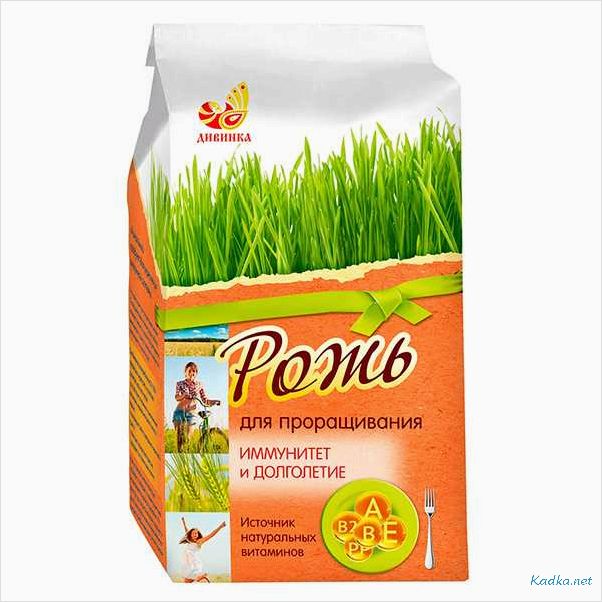
Sprouted rye is a valuable product that has many beneficial properties for the body. Here are some of them:
- Rich in Nutrients: Sprouted rye contains large amounts of vitamins, minerals and antioxidants that help keep the body healthy.
- Improves digestion: Sprouted rye contains enzymes that help improve digestion and also restore the balance of microflora in the intestines.
- Boosts immunity: Thanks to its high content of vitamins and antioxidants, sprouted rye helps strengthen the immune system and protect the body from harmful environmental influences.
- Lowers Cholesterol Levels: Sprouted rye contains soluble fiber, which helps lower blood cholesterol levels and prevent the development of cardiovascular disease.
- Maintain Healthy Skin: Sprouted rye contains antioxidants that help improve skin condition, making it firmer and healthier.
Bringing out its beneficial properties, sprouted rye becomes an indispensable product in the diet. It can be added to salads, cereals, baked goods or consumed as a decoction.
Culinary Uses of Sprouted Rye
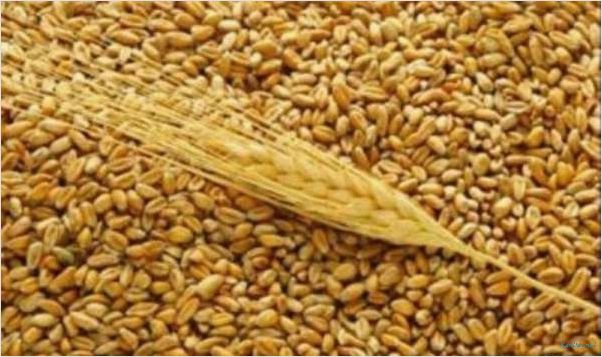
Sprouted rye is rye grain that has been sprouted for several days. Sprouted rye has many beneficial properties and can be used in cooking to prepare various dishes.
- Sprouted rye is rich in nutrients such as vitamins, minerals and amino acids. It contains large amounts of vitamin C, B vitamins, vitamin E and vitamin K. In addition, sprouted rye contains a lot of calcium, iron, magnesium and zinc.
- Sprouted rye can be added to salads to add freshness and crunchy texture. It goes well with vegetables, herbs and crushed nuts. Sprouted rye can be added to soups and broths to give them a richer taste and aroma.
- Sprouted rye can be used to make healthy drinks. It can be added to smoothies or shakes to give them extra nutritional value. Sprouted rye can also be used to make healthy smoothies with the addition of fruits and berries.
- Sprouted rye can be used in baking. It can be added to bread, buns or cookies to improve their nutritional value. Sprouted rye gives baked goods a richer taste and aroma.
- Sprouted rye can be used as a side dish for various dishes. It can be prepared as a separate dish or added to porridge, rice or pasta. Sprouted rye adds nutrients to side dishes and gives them an interesting taste and texture.
- Sprouted rye can be used to make drinks and salads. It can be used as a base for preparing various sauces and dressings. Sprouted rye gives sauces and dressings a richer taste and aroma.
By breeding our rye and sprouting it, we obtain a rich source of nutrients that can be used in cooking to prepare a variety of dishes. Sprouted rye adds freshness, crunch and nutrition to our food, making it even tastier and healthier for our bodies.