Thrust bearings: operating features and application
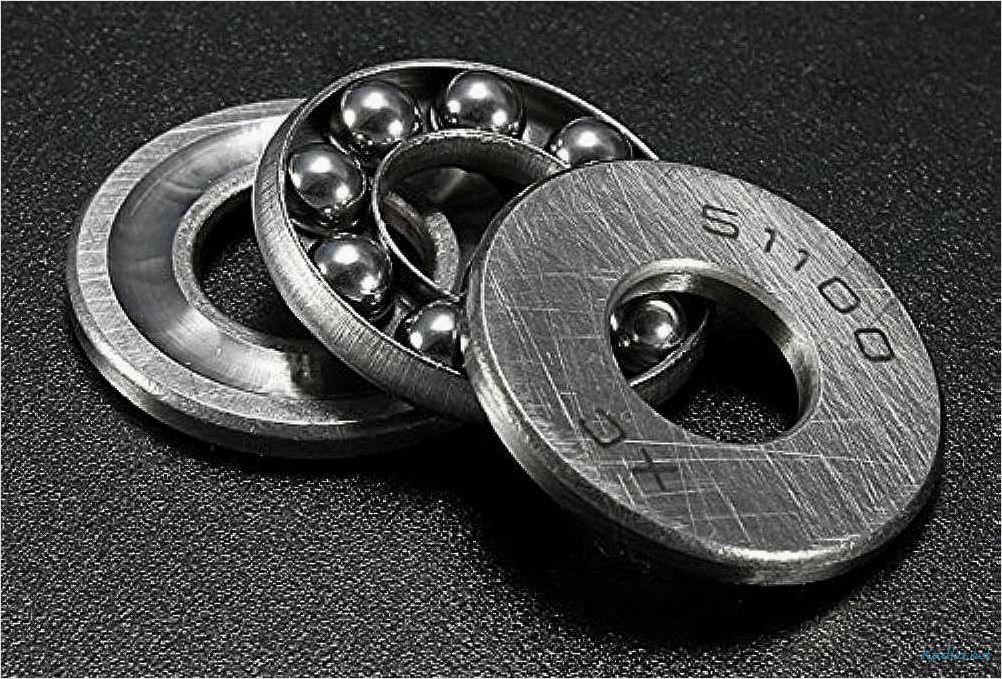
Thrust bearings are one of the important elements in mechanisms and machines where load transmission or support occurs. They are designed to support axial load, that is, load acting along the axis of rotation. Thrust bearings have special design features that allow them to withstand high loads and ensure reliable system operation.
Contents of the article:
The main element of a thrust bearing is a swing element, which can be ball, roller or needle. It is placed between two rings: outer and inner. Additionally, thrust bearings can be unidirectional or bidirectional depending on whether they are capable of supporting load in only one direction or both.

Thrust bearings are widely used in various industries, including automotive, shipbuilding, metallurgy and others. They are used in many mechanisms such as motors, gearboxes, pumps, cranes, etc. Thrust bearings play an important role in ensuring the reliability and durability of mechanisms and machines. Now you can buy thrust bearings , if you contact the website sf2v. ru.
What are thrust bearings and how do they work?
Thrust bearings are designed to transmit axial loads and are installed on shafts that must rotate in a certain direction. They allow the shaft to rotate with minimal resistance and prevent it from moving in the longitudinal direction.
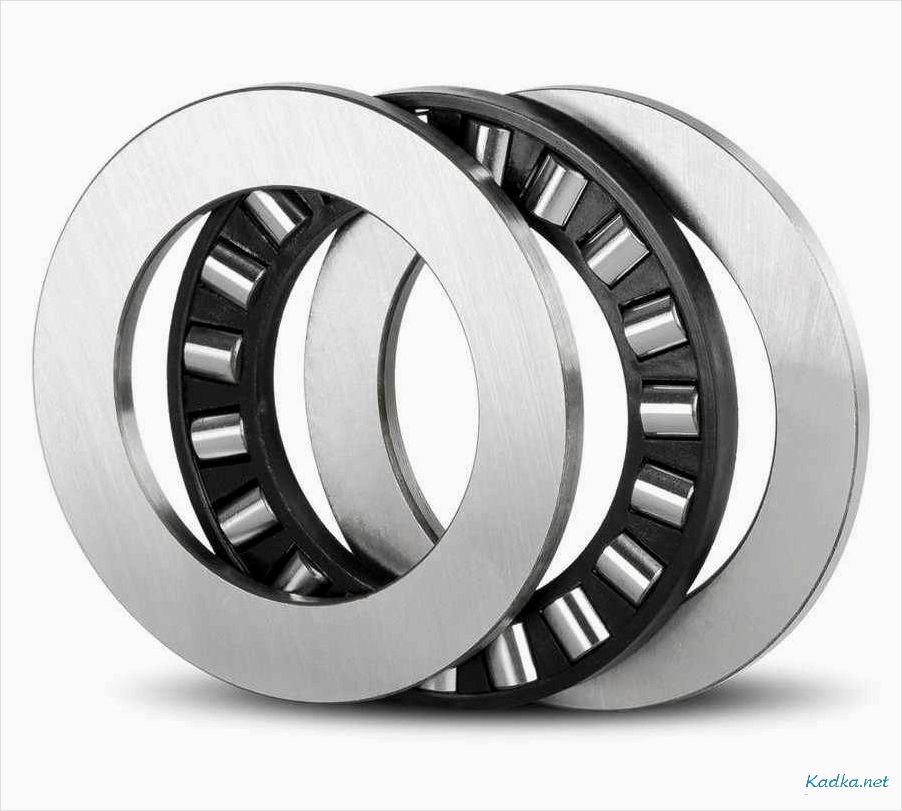
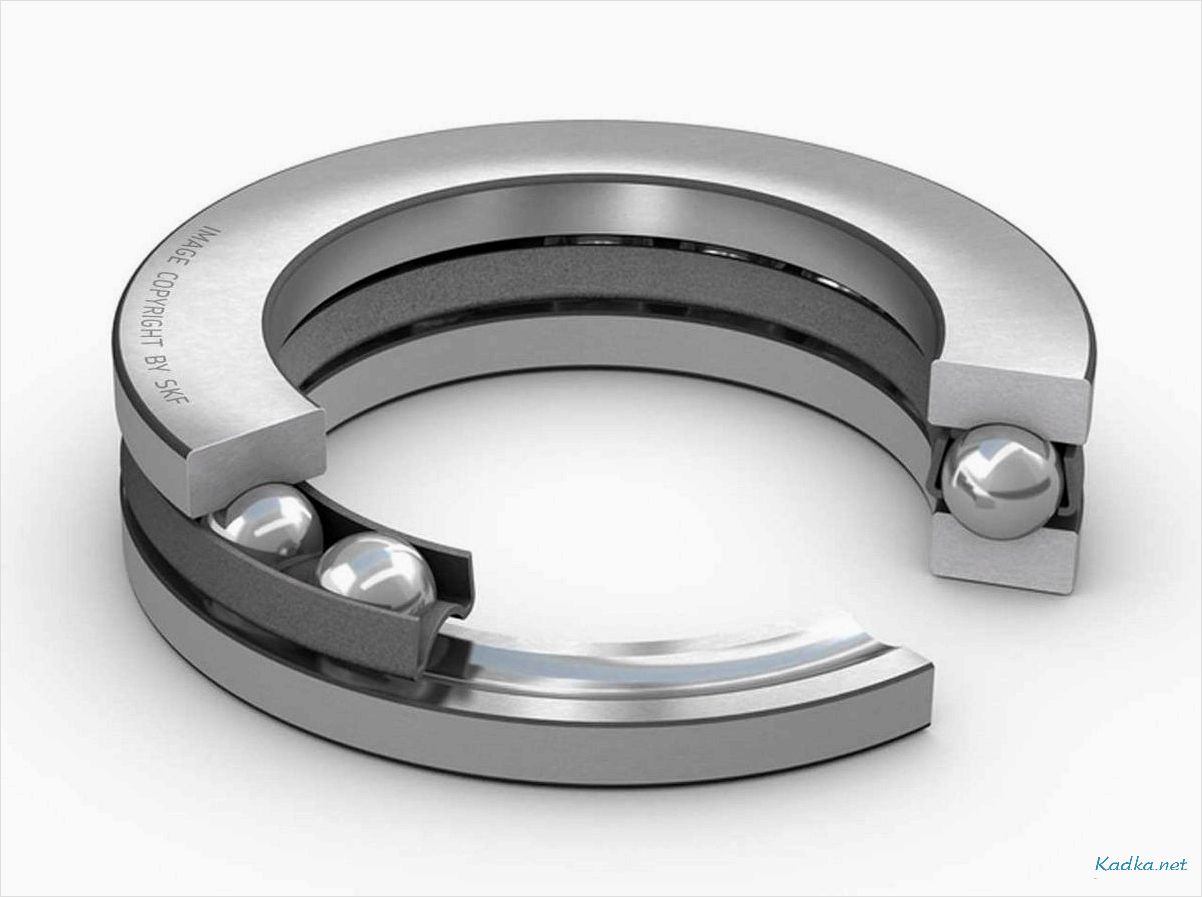
Thrust bearings consist of an outer and inner ring, as well as rollers or balls placed between these rings. Rollers or balls support the axial load and allow the shaft to rotate.
Thrust bearings can be of different types depending on the design of the rollers or balls:
- Thrust ball bearings: the inner and outer rings are hemispherical in shape, with balls located between them. They are able to withstand large axial loads, but are limited in speed.
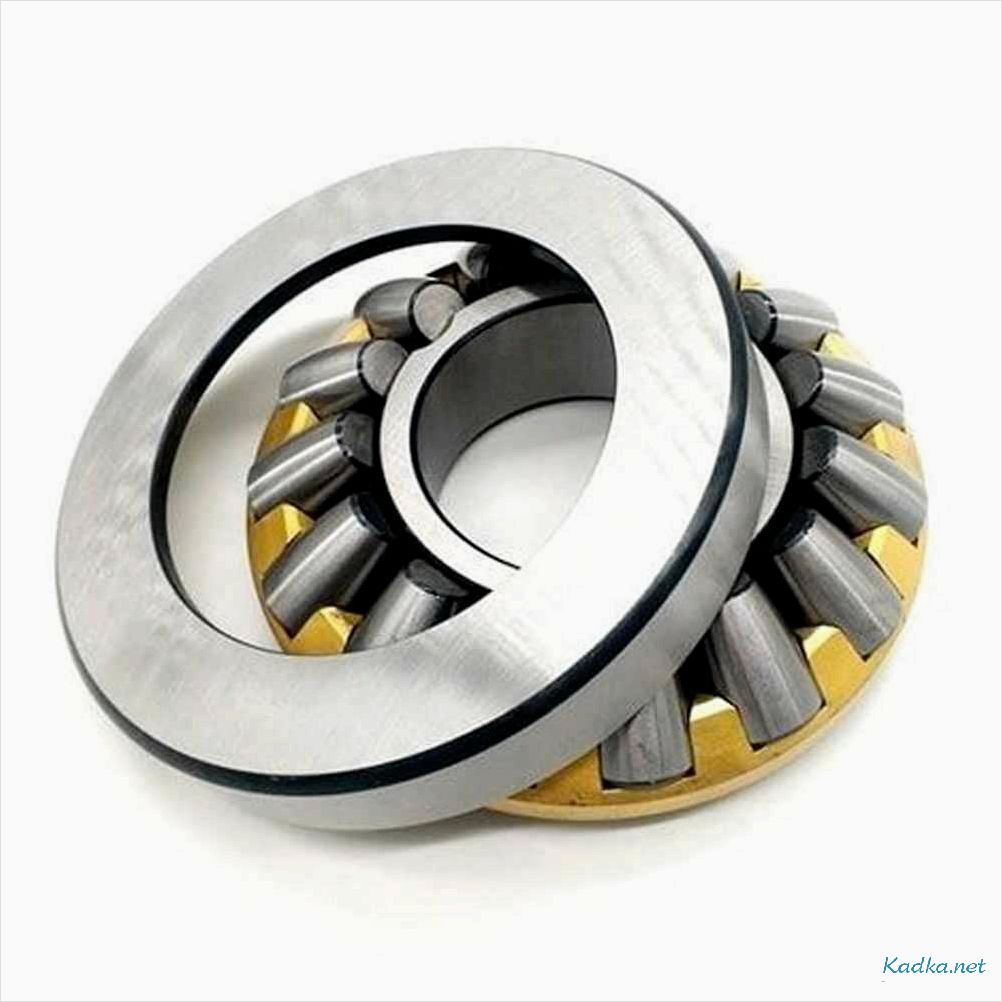
- Thrust roller bearings: The inner and outer rings are cylindrical in shape, with rollers placed between them. They have a high load capacity and can operate at high speeds.
Rollers or balls in thrust bearings can be placed either in one row or in several rows. Depending on the number of rows of thrust elements, bearings can withstand different loads and have different characteristics.
Thrust bearings operate on the rolling principle. Rollers or balls placed between the outer and inner rings swing as the shaft rotates. This allows the shaft to rotate with minimal resistance and reduces friction between the bearing and shaft surfaces.
Thrust bearings can be used in a variety of applications including industrial, automotive, energy and others. They are important components of many mechanisms and ensure reliable operation of rotating elements.
Selection and installation of thrust bearings
Thrust bearings are an integral part of mechanisms where the transmission of axial loads is required. There are a number of important factors to consider when selecting and installing thrust bearings.
1. Selection of thrust bearings
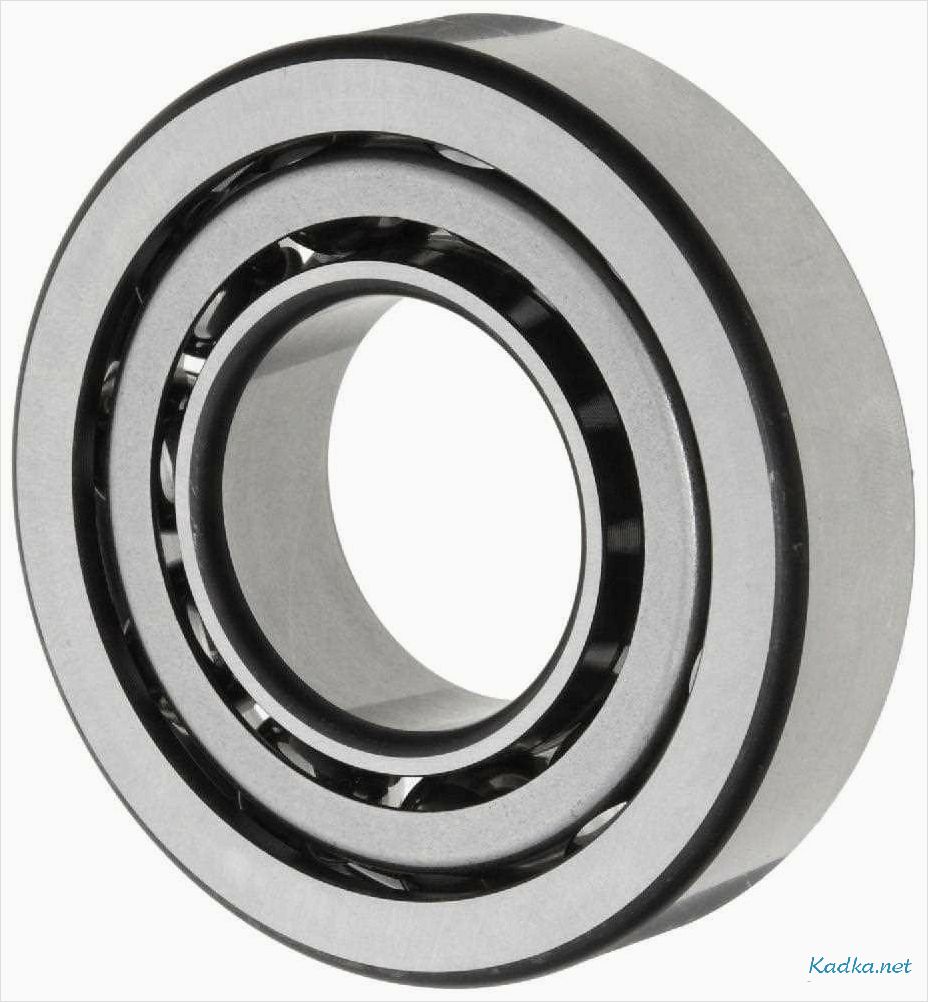
When choosing thrust bearings, the following parameters must be taken into account:
- Bearing Type: There are different types of thrust bearings such as ball, roller, tapered and others. Each type has its own characteristics and is used in certain conditions.
- Load: The maximum axial load that the bearing must support must be determined. This will allow you to select a bearing with the appropriate load capacity.
- Speed: Rotational speed is also an important parameter when selecting thrust bearings. Some types of bearings can only operate within a certain speed range.
- Dimensions: The dimensions of the bearing must correspond to the dimensions of the shaft and housing on which it will be installed.
- Operating conditions: It is necessary to consider the conditions in which the bearing will operate, such as temperature, humidity, contamination and other factors.
2. Installation of thrust bearings
Proper installation of thrust bearings is important to ensure reliable operation. Below are the basic installation steps:
- Surface preparation: Before installation, it is necessary to clean the surfaces of the shaft and housing from dirt, dust and old grease.
- Lubrication: Apply grease to the surface of the shaft and the inside of the bearing. This will ensure smooth rotation and reduce friction.
- Bearing Installation: Carefully install the bearing onto the shaft, making sure it is in the correct position.
- Securing the Bearing: Secure the bearing into the housing following the manufacturer’s instructions. This is usually done using bolts or retaining rings.
- Check: After installing the thrust bearing, make sure that it rotates freely and has no play.
The correct selection and installation of thrust bearings will ensure reliable and efficient operation of mechanisms where the transmission of axial loads is required.
Main advantages and disadvantages of thrust bearings
Thrust bearings are a type of bearings that are designed to transmit axial loads, that is, loads acting along an axis of rotation. They are widely used in various industries, including mechanical engineering, energy, automotive and shipbuilding. Thrust bearings have their advantages and disadvantages, which should be taken into account when choosing and using them.
Advantages of thrust bearings:
- High reliability. Thrust bearings can withstand large axial loads, which makes them indispensable under conditions of high loads and intensive use.
- Small size and compactness. Thrust bearings are relatively small in size compared to other types of bearings, allowing for efficient use of space.
- Easy installation and maintenance. Thrust bearings are easy to install and maintain due to their simple design and the presence of special devices for fastening and lubrication.
- Wide range of sizes and types. There are many different thrust bearings on the market, allowing you to choose the optimal solution for your specific application.
Disadvantages of thrust bearings:
- Limited radial load capacity. Thrust bearings are not designed to transmit radial loads and may fail when exposed to them.
- Requirements for assembly accuracy. Thrust bearings require precise assembly and a high degree of alignment to ensure even load distribution.
- Need for lubrication. Thrust bearings require constant lubrication to reduce friction and increase their service life.
- High cost. Thrust bearings can be more expensive than other types of bearings due to their specific purpose and quality requirements.
In general, thrust bearings are reliable and efficient devices for transmitting axial loads. However, before selecting and installing thrust bearings, you must consider their main advantages and disadvantages to ensure optimal system performance and longevity.
Applications of thrust bearings in various industries
Thrust bearings are an important component of mechanisms operating under heavy loads and high rotation speeds. They are used in many industries and play a key role in ensuring the efficient operation of various mechanisms.
Automotive industry
Thrust bearings are widely used in the automotive industry to maintain balance and transfer loads in transmission systems. They are used in gearboxes, differentials, gearboxes and other vehicle components. Thrust bearings ensure stability and smooth operation of the transmission, which is important for safety and driving comfort.
Energy industry
In the energy industry, thrust bearings are used in turbines, generators and other mechanisms operating at high speeds and loads. They ensure stability and durability of power equipment, which is important for the reliable operation of power plants and other energy facilities.
Metallurgical industry
In the metallurgical industry, thrust bearings are used in rolling mills, presses and other mechanisms operating under high loads and temperatures. They ensure stability and accuracy of equipment operation, which is important for the production of high-quality rolling and forming of metal.
Aviation industry
In the aviation industry, thrust bearings are used in engines, landing gear and other aircraft systems. They ensure flight stability and safety, as well as high engine efficiency. Thrust bearings are used in environments with high loads, vibrations and temperature fluctuations, and their reliability is critical to flight safety.
Medical industry
In the medical industry, thrust bearings are used in medical equipment such as dental and surgical instruments, X-ray machines and other machinery. They ensure the accuracy and reliability of medical equipment, which is important for the diagnosis and treatment of patients.
Construction materials industry
In the building materials industry, thrust bearings are used in equipment for the production of cement, bricks, glass and other building materials. They ensure stability and efficiency of equipment operation, which is important for the production of high-quality building materials.
In conclusion, thrust bearings have wide applications in various industries. They ensure stability, accuracy and reliability of the mechanisms, which is important for production efficiency and equipment safety.
Current trends in the development of thrust bearings
Thrust bearings are important components in various mechanisms that require the transmission of axial loads. They are widely used in automotive, energy, metallurgical and other industries. In recent years, there have been significant changes in the design and materials used to create thrust bearings, resulting in improved performance and increased reliability.
One of the main trends in the development of thrust bearings is the use of new materials. Traditionally, bearings were made of steel, however, bearings made of ceramics and polymers are now becoming increasingly popular. Ceramic bearings have high strength, low friction and good corrosion resistance. Polymer bearings, in turn, have low weight, good shock absorption and resistance to chemicals.
Another trend in the development of thrust bearings is the improvement of their design. New types of bearings have been developed such as double row thrust bearings, spherical thrust bearings and others. This allows you to increase load capacity and reduce noise and vibration levels. New technologies have also been introduced into bearing designs, such as self-lubricating materials and bearing condition monitoring systems.
Modern thrust bearings are also characterized by increased reliability and durability. Thanks to the use of new materials and improved design, the bearings have become more resistant to external factors such as high temperatures, pollution and vibration. This allows you to increase maintenance intervals and reduce operating and repair costs.
In general, modern trends in the development of thrust bearings are aimed at improving their performance and reliability. The use of new materials, improved design and the introduction of new technologies allow us to create bearings that better meet the needs of modern industry.