Bitcoin wallet: how to create and use it
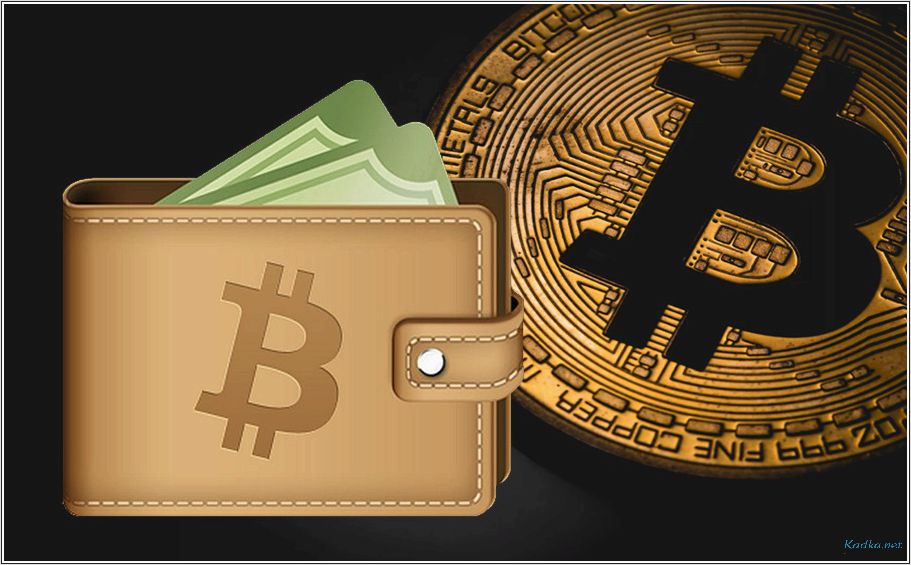
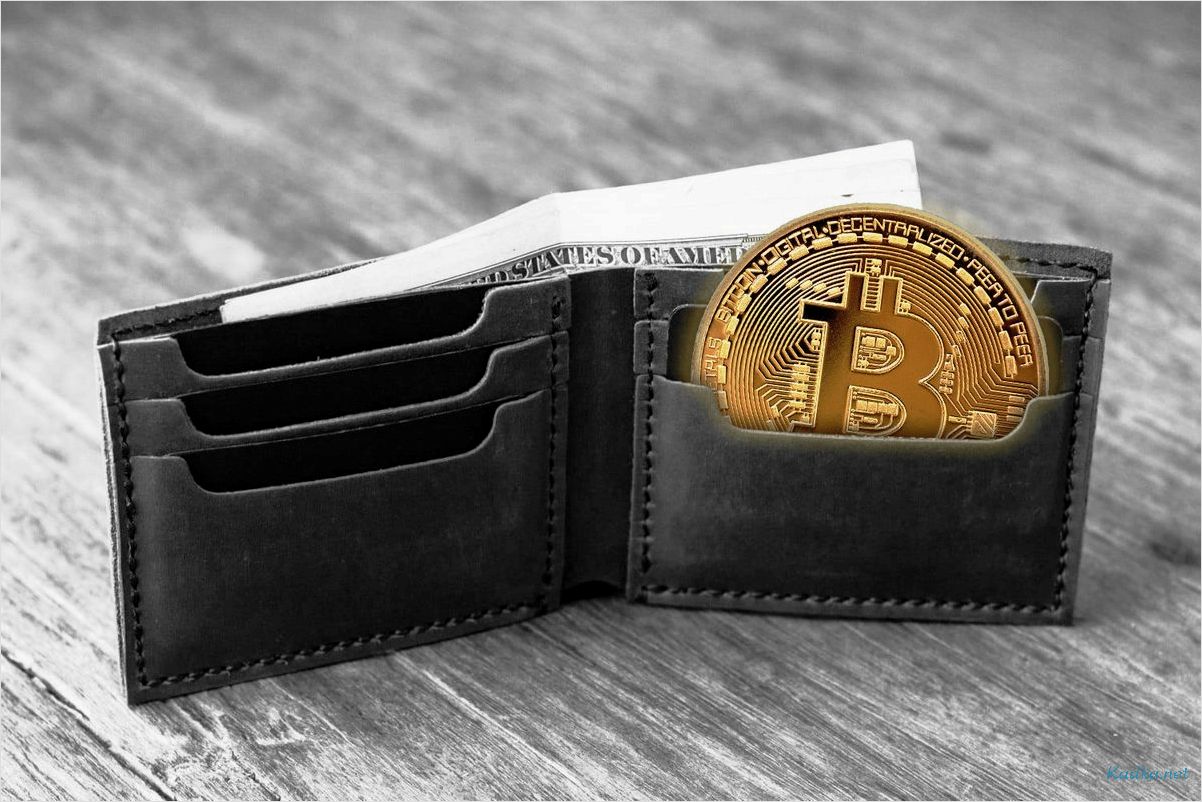
Bitcoin is a cryptocurrency that can be used to conduct various transactions on the Internet. In order to store and use bitcoins, you need a special tool called a “bitcoin wallet.” This application allows the user to receive, send and store their Bitcoins.
Contents of the article:
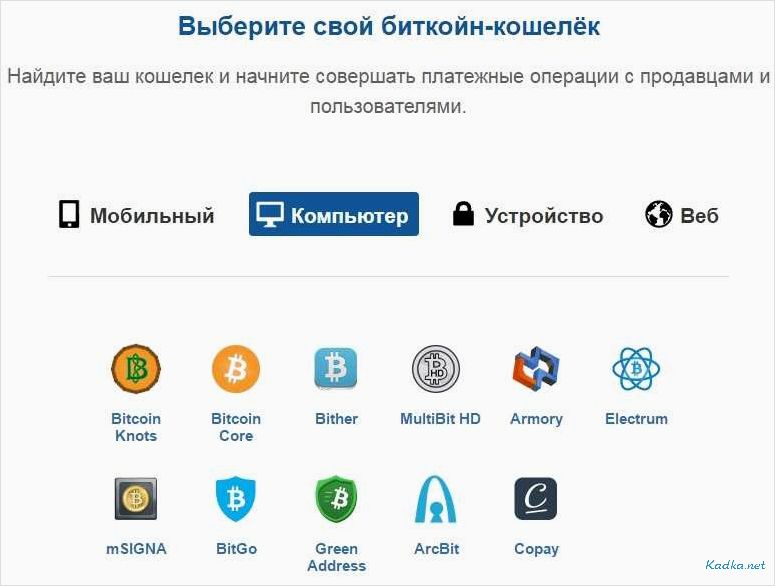
A Bitcoin wallet can be created on the Internet or on the user’s device. There are many different Bitcoin wallets that have their own features and advantages.
One of the main principles of a Bitcoin wallet is security. To protect your bitcoins from hacking or theft, you need to follow security rules, such as using a strong password and not sharing it with third parties. There are also special security measures in place, such as two-factor authentication and storing bitcoins in cold wallets, making them inaccessible to online threats.
In this article, we will take a detailed look at how to create a Bitcoin wallet, how to use it, and what security measures you need to follow to keep your Bitcoins safe.
What information is stored in a Bitcoin wallet?
Wallet address
Each Bitcoin wallet has a unique address, consisting of letters and numbers, which is necessary to receive payments. The wallet address can be compared to a bank account or card number.
Private key
A private key is a secret code that gives access to funds stored in the wallet. It is a string of random characters that must be kept secret, as its use may lead to the loss of all funds.

Operation history
A Bitcoin wallet contains a history of all transactions associated with this address. This includes the date, time, amount, and individual IDs of all transactions associated with that wallet.
Balance
Best Bitcoin wallet displays the current balance, which contains the number of Bitcoins available for use. This is displayed along with your transaction history and wallet address.
Other cryptocurrencies
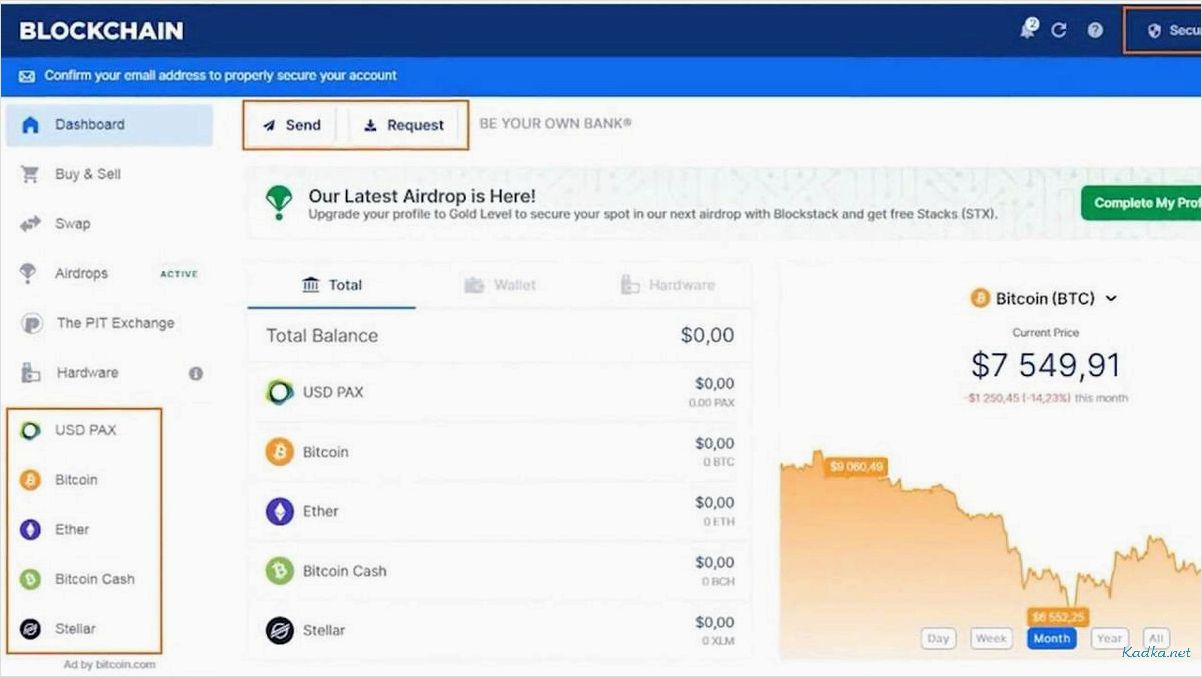
Some Bitcoin wallets can also support other cryptocurrencies such as Ethereum or Litecoin.
How to transfer bitcoins through a wallet
Step 1: Open your wallet and select the option to send funds
To send bitcoins from your wallet, you need to open it and select the “send funds” or “send” option (depending on the interface language).
Note: In order to send funds, you must have sufficient funds in your balance to complete the transaction.
Step 2: Enter recipient details and transfer amount
After selecting the send option, you need to enter the recipient’s details, including their Bitcoin address or QR code, and indicate the transfer amount in Bitcoin.
Step 3: Check details and confirm transaction
After entering the recipient’s details and the transfer amount, it is important to carefully check them for errors. You can then confirm the transaction and send the funds.
Step 4: Wait for transaction confirmation
After sending a transaction, you must wait for it to be confirmed on the Bitcoin network. The waiting time may vary depending on the current network congestion.
Note: If funds are sent in error, refunds may be difficult or impossible, so it is important to check all details carefully before sending.
What are the public and private keys of a wallet?
Public key
The public key is a unique identifier for a wallet on the Bitcoin blockchain. It consists of a hexadecimal sequence of characters and is used to send and receive cryptocurrency.
The public key can be distributed securely across the network because it cannot be used to complete a transaction without the private key.
The public key is also used to verify the authenticity of a transaction on the Bitcoin network, which helps avoid unauthorized transfers.
Private key
A private key is a secret password for accessing a wallet on the Bitcoin blockchain. It consists of a random sequence of characters and must always be kept secret.
A private key allows you to create new wallet addresses and sign transactions. It is also necessary to restore access to your wallet in the event of data loss or corruption.
Therefore, it is crucial to keep your private key secure and not share it with third parties.
Using public and private keys is the foundation of Bitcoin wallet security and allows users to conduct safe and secure transactions online.
What types of Bitcoin wallets are there?
Cold wallets
Cold wallets, or hardware wallets, are the most secure types of Bitcoin wallets. They store private keys on devices that are not connected to the internet, and accessing Bitcoin requires connecting the device to a computer or mobile device.
Cold wallets are the most recommended option for storing large amounts of Bitcoin and other cryptocurrencies, as they offer the highest security of all available options.
Hot wallets
Hot wallets are stored in online services or mobile apps and provide easier and more convenient access to cryptocurrencies. However, unlike cold wallets, they are more susceptible to attacks and can be compromised.
Hot wallets are best suited for storing small amounts of Bitcoin for quick and convenient use in everyday life.
Paper wallets
Paper wallets are created by generating private keys on paper. Such a wallet can be stored in a secure location, such as a safe, and not connected to the internet at all.
A paper wallet can be an excellent choice for securely storing Bitcoin, however, it is not very convenient for everyday use and is often used for long-term investing.
Multi-wallets
Multi-wallets allow you to store various cryptocurrencies, such as Bitcoin, Ethereum, Litecoin, and many others. They provide the ability to conveniently manage multiple cryptocurrencies in one place.
Multi-wallets are ideal for those who own multiple cryptocurrencies and want to manage them conveniently and efficiently. Offline Wallets
Offline wallets
Offline wallets are recommended for storing large amounts of cryptocurrency and investing for the long term.
What requirements should users have for choosing a good Bitcoin wallet?
1. Security
1. Security
2. Reliability
2. Reliability

3. Ease of use
3. Ease of use
4. Supported cryptocurrencies
4. Supported cryptocurrencies
5. Control over private keys
5. Control over private keys
6. Transaction speed
6. Transaction speed
7. Multi-signature support
7. Multi-signature support
8. Availability of backup

8. Availability of backup
Overall: to choose a good Bitcoin wallet, you need to take into account the following factors: security, reliability, ease of use, supported cryptocurrencies, control over private keys, transaction speed, multi-signature support and the availability of backup.
- Bitcoin wallet: how to create and use it