How to Choose an Entry Door for Your Apartment or House: Expert Advice
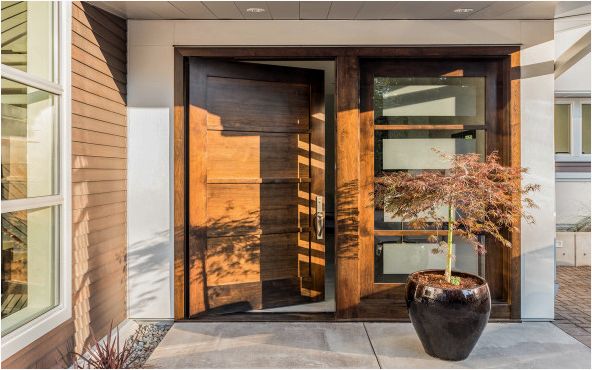
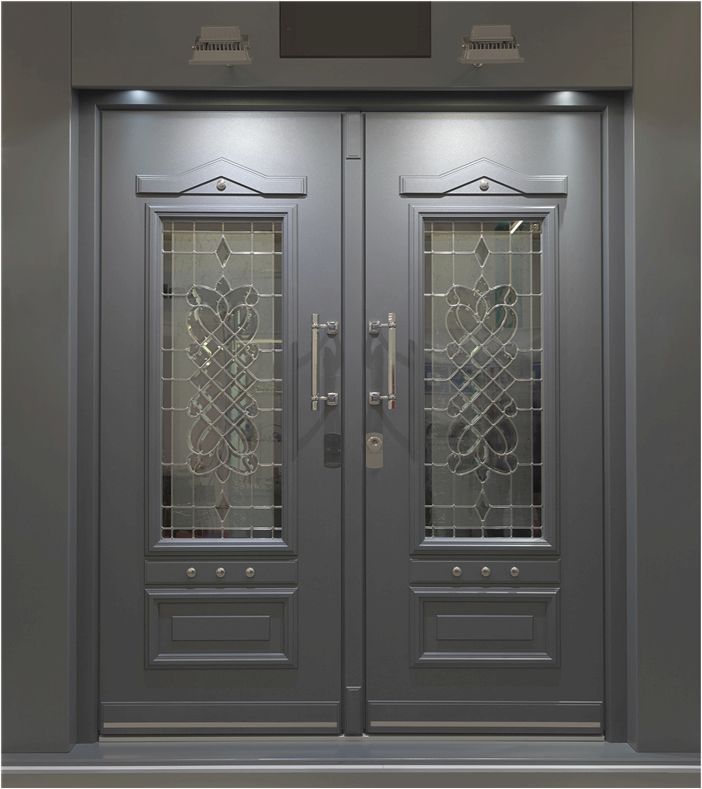
The most popular design for securing entrances to a building. Steel doors can be used for heat retention. Many models feature foam rubber, polypropylene, mineral wool, or cardboard between the metal sheets. Additional options: Manufacturers offer bulletproof, fireproof, impact-resistant, and soundproof doors.
Article Contents:
Plastic
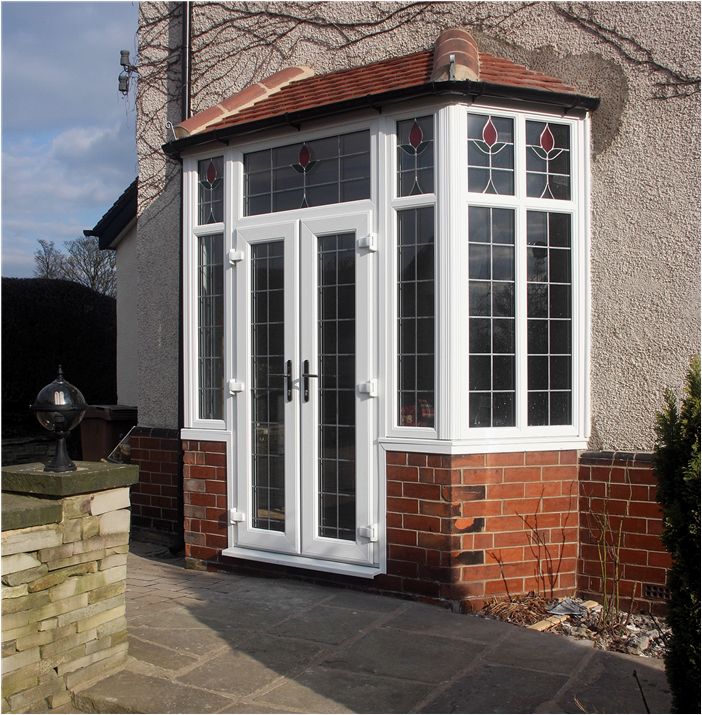
These metal entry doors are much cheaper than steel or wood. It’s important that high-quality profiles are used in their production. This will ensure the doors last longer. Plastic is often combined with metal or aluminum, and translucent tempered glass inserts are also available. Wooden
Wooden
Glass
Glass
Aluminum
Aluminum
How to choose a metal entrance door
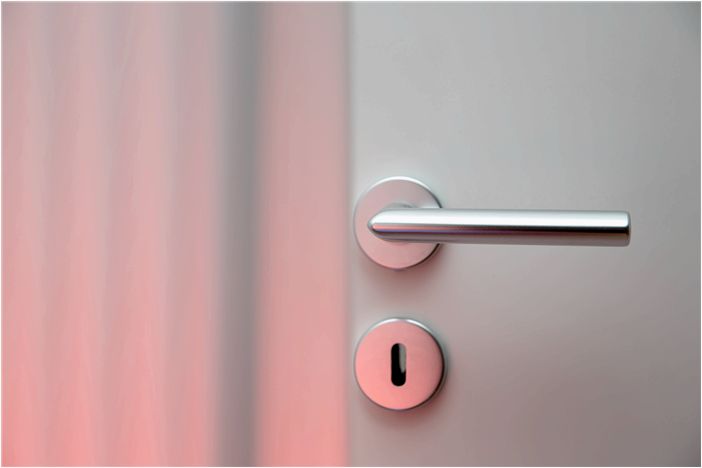
How to Choose a Metal Entry Door
Structure. Absolutely any door consists of a frame and a profile. The former should be made of durable materials;

- Weight. The main disadvantage of steel doors is the accelerated wear of hinges under load. Armored models weigh up to 130 kg. Such doors should not be installed in homes with elderly people or small children, as opening and closing them causes significant inertia.
- Seat thickness. The higher this value, the more secure the entrance to the room. Steel less than 1 mm thick can be opened with a can opener. Furthermore, the thicker the sheet, the better the sound insulation;
- Door hinges. The hidden element is located in a special groove, and, unlike external hinges, the door cannot be opened more than 90°. Doors with internal hinges look beautiful but are easy to open. Experts recommend choosing a hinge with two to four anti-twist devices. This design is the most reliable;
- Rigid ribs. Located on the side of the door, they prevent it from being opened with a crowbar. Ribs can be longitudinal, transverse, connected, and sometimes supplemented by horizontal ones;
- Reinforced and reserved. Thick-walled steel and metal inserts 3-5 mm wide can withstand loads of up to 12 tons. Such doors can have glass elements, provided they are made of tempered, reinforced materials;
- Burglar resistance class. There are 13 door resistance classes. Standard entrance doors are rated 1-4, while heavy armored doors are rated 5-13 (the latter class includes secure bank doors, which are not suitable for residential applications).
- Door opening is determined by the position of the hinge (right or left) when the door is pulled toward you.
- How to choose a soundproofed entrance door
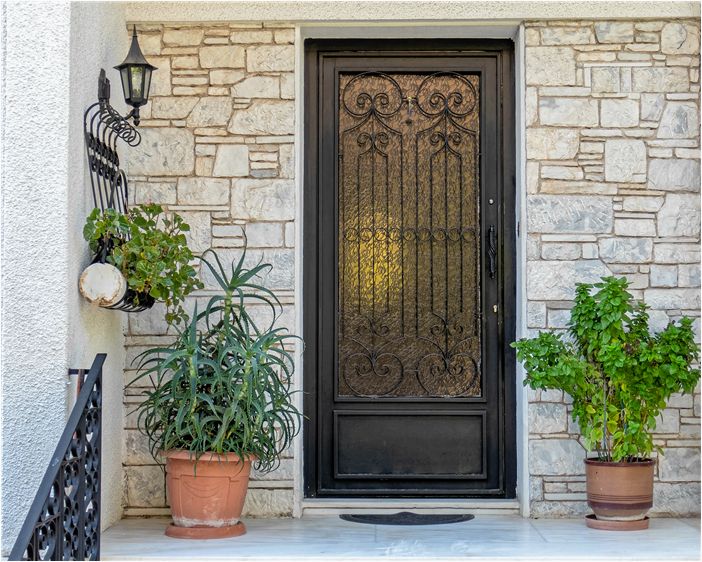
How to Choose a Soundproofed Entry Door
This problem can be addressed in several ways:
Filler. Manufacturers fill the interior of the door with various fillers that dampen noise and provide additional thermal insulation. The seal should be located along the door leaf itself, along the edge of the doorway. Rubber and silicone are particularly popular—in addition to soundproofing, they soften and seal the door;
- Contouring. There are different types of sealing loops, including rubber, suspended, and Schlegel. This depends on the quantity and quality of the loop;
- Thickness and tension. Door thickness and the tightness of the gap with a closed structure are not equally important. The closer the door is to the frame, the less likely it is to hear outside sounds while in the apartment.
- Of course, a room cannot be completely silent if there is only one door. It is necessary to consider the thickness of the walls, the presence of soundproofing, and the quality and tension of the windows. Much depends on the behavior of neighbors. A single door (like a wall) does not separate the apartment from the noise of a drill.
How to choose an entrance door with a thermal break
How to Choose a Thermally Breakable Entry Door
Models with thermal expansion retain heat and eliminate the risk of condensation. Layers with low thermal conductivity—a thermal break—prevent contact with the metal part of the door. A polymer insert (less commonly, wood) is placed between the metal frame and the insulation layer. The system is effective if temperature fluctuations do not exceed 40°C. If these values are higher, condensation may still penetrate into the apartment. However, it will definitely be less than in a design without a thermal break.
Doors with thermal expansion are usually coated with weatherproof paint. To reduce the risk of condensation, it is recommended to maintain approximately 40% of the thermal break in hallways. It also makes sense to insulate doorway slopes with mineral wool.
Entrance door for a Khrushchev-era apartment
Entry Door for a Khrushchev-era Apartment
As a rule, the material the house is built from influences the size of the doorway. If the house is built of brick, the opening width is usually no more than 80 cm, and the height is 200 cm. In panel houses, the doorway already exists. The width should be no more than 74-76 cm, and the height should be 198 cm. In older buildings (Khrushchev-era buildings and “ships,” as 600-series panel houses are called), 78 cm is usually sufficient.
Before purchasing a door, it’s worth measuring the opening in an older house, as it may be non-standard.
- Preference should be given to metal doors with stiffeners, reliable hinges, and locks.
- It’s important to pay attention to the seal—it protects against cold, street noise, and external odors.
- Models should include pins for conversion, two locks, door peepholes, and internal chains.
- Mineral wool and polystyrene are useful for sound and heat insulation.
- During transportation, do not turn the door upside down, as this can damage the night valve.
- Always inspect the door and its components upon receipt.
- The door must be installed level. Failure to do so may result in improper operation and immediate failure.
- Provide a gap between the wall and frame (including thresholds) to achieve maximum thermal and sound insulation.
- If the door faces the street, install an overhang or canopy over it. This provides protection from precipitation.
- Do not install the last entrance door during other construction work or during the first year of the building’s operation, when significant condensation occurs (the concrete screed and walls dry out and the moisture content gradually equalizes). Condensation can damage the door finish, cause rust on the hardware, and peeling of the film. During this period, it is recommended to install temporary doors.
- After installing the gate, always remove the protective coating.
- How to choose an entrance door for your interior
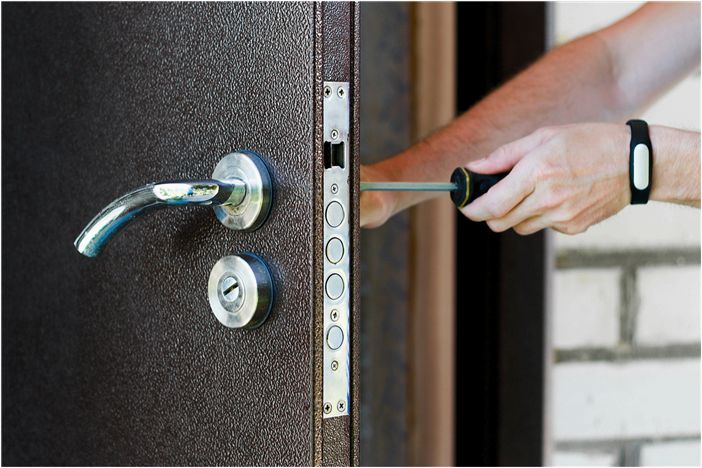
How to Match an Entry Door to Your Interior
When choosing the exterior of your front door, consider the overall color and interior style. Light colors are suitable for Scandinavian-style apartments. Furthermore, heavy metal doors with rough details are suitable for loft-style homes. For neoclassical styles, it is recommended to choose neutral shades and decorative elements (patterns and monograms), high-tech styles should use chromed metal surfaces, and country styles should use heavy wooden structures. How to choose an entrance door for an apartment or house: expert advice
How to choose an entrance door for an apartment or house: expert advice