How to plant lawn grass correctly: step by step instructions for beginners

Lawn seeds are the main source of material for installing a new lawn. Soil quality, structure, and choosing the right grass family are the first steps to creating and maintaining the most beautiful lawn. You need to know how to properly plant lawn grass in the right place so that it quickly takes root and becomes dense and healthy.
Contents of the article:
One of the key steps in planting a lawn is preparing the soil. Clear the proposed area of any weeds and other plants, including roots. After this, transfer the required amount of soil to the site and compact it well to get rid of potential hummocks and bumps. As a result, you will get a stable and level base for your lawn.

Finding good lawn grass seeds is also an important consideration. Remember that not all grass mixtures are equally suitable for all conditions. Some are more drought tolerant, others thrive better in wet conditions. You need to select suitable seeds that meet the requirements of the conditions in your region or planting location.
Remember, no matter what you’re trying to achieve, proper soil preparation and the right choice of lawn grass are the main tools for growing a beautiful, well-maintained lawn.
Choosing a place for lawn grass
Choosing a location for your lawn grass is the first priority when creating a beautiful, healthy lawn. Lawn grass requires not only a high-quality plot of land, but also certain conditions for its growth and development.
Before determining a place to plant lawn grass, you need to evaluate the illumination of the area and the characteristics of the soil. Lawn grass grows best in sunny and slightly shaded areas, so give preference to this position.
It is also important to consider that the soil must be fertile and well-drained. Give preference to soils with neutral acidity to avoid problems with soil quality in the future.
If you are planning to create a lawn on a slope, it is important to consider that there should not be strong changes in elevation on the site – this can damage the vegetation. Also be sure to keep in mind that lawn grass requires regular watering to grow, so provide the area with access to water.
Preparing the soil for planting lawn grass
1. Cleaning and preparing the area
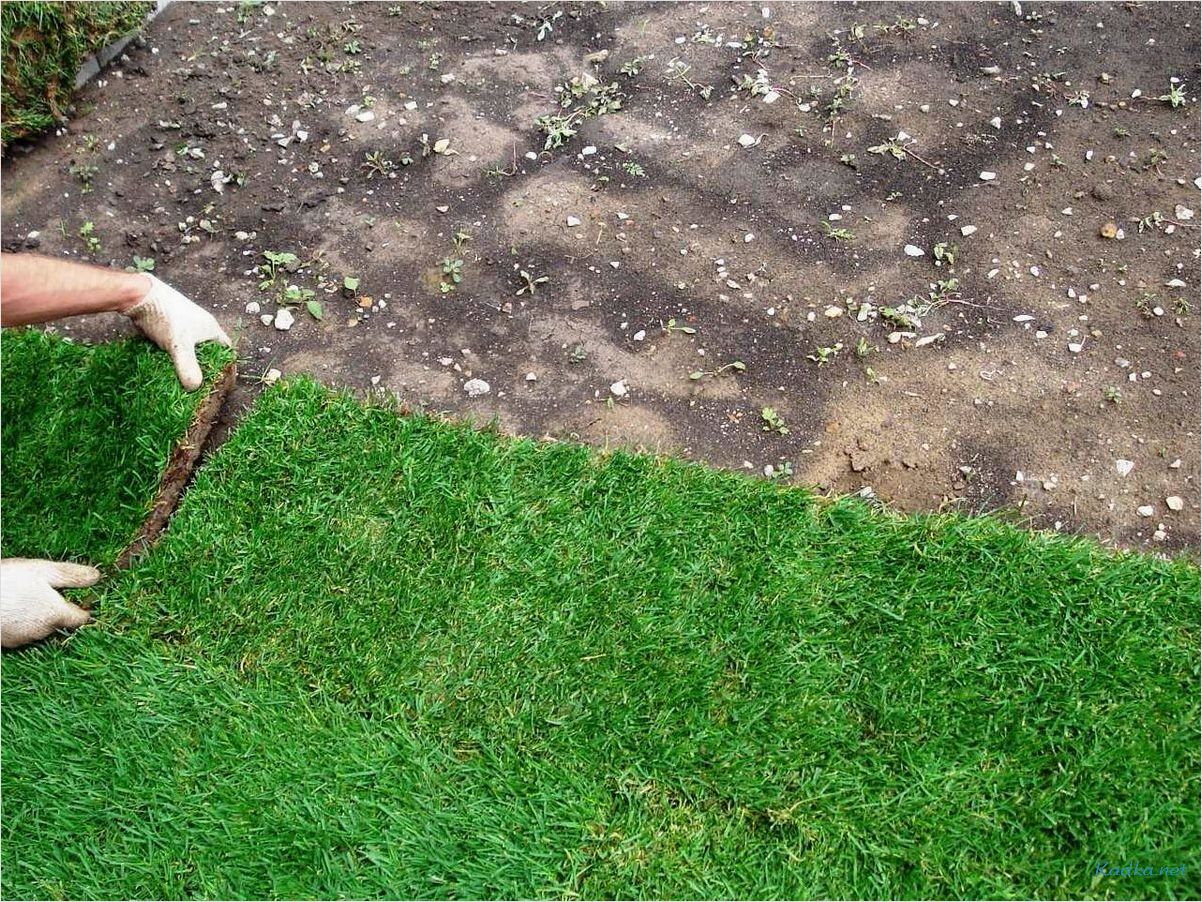
Before planting lawn grass, it is necessary to clear the area of weeds, stones and other objects that may interfere with the grass growth process. You should also level the surface with a shovel and rake.
2. Loosening the soil

In order for lawn grass to grow well, it is necessary to loosen the soil to a depth of at least 10 cm. This will allow the roots of the grass to penetrate into the depths and receive the necessary nutrients.
3. Fertilizer application
After loosening the soil, it is necessary to apply fertilizer. They will provide the grass with the necessary set of nutrients that will allow it to fully grow and develop. It is recommended to use complex fertilizers specifically designed for lawn grass.
4. Soil compaction
After applying fertilizers, you need to compact the soil. To do this, you can use a roller or a special compactor. Compaction will help prevent the formation of rings, increase the contact of the grass root system with the soil and provide it with better absorption of nutrients.
Choosing a lawn grass variety
One of the most important steps in planting lawn grass is choosing the right variety. Each variety has its own characteristics and characteristics, so you need to choose depending on preferences and growing conditions.
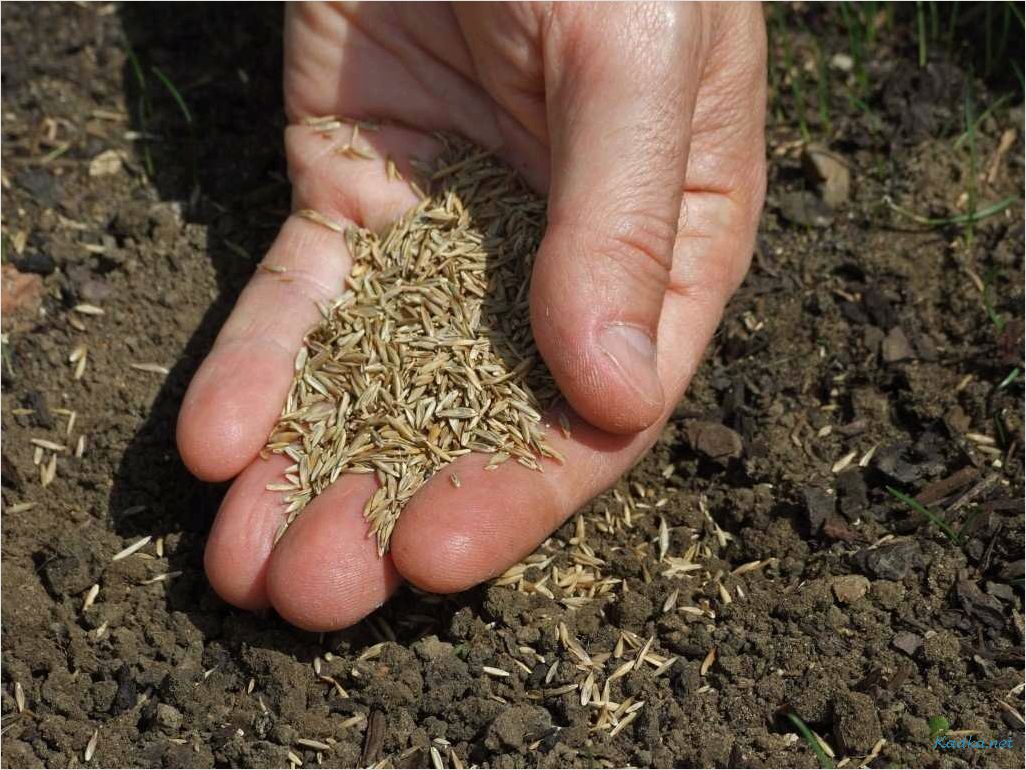
Seeds are the main material for planting lawn grass and must match the selected variety. Seeds should be chosen only of high quality, tested by manufacturers.
If you are planning to create a sports lawn, then it is better to choose a variety that has high adaptation to shock loads. If your lawn will be in a shaded area, then you need to choose grass that can grow with a minimum amount of sunlight.
Landscaping also matters when choosing the type of lawn grass. If you are planning separate areas on the lawn, for example, a flower bed or a children’s corner, then you need to choose varieties with different textures and different heights.
Popular varieties of lawn grass include:
- Standard lawn grass mixtures;
- Mixtures for regions with temperate climates;
- Mixtures for regions with hot climates;
- Playground mixtures;
- And others.
Choosing a lawn grass variety depends on various factors, and it’s important to choose the best one for your specific growing conditions.
How to sow lawn grass
Lawn grass is an essential part of many gardens and parks. It adds a beautiful appearance and allows you to comfortably spend time with friends and family. In this article, we’ll explain in detail how to seed lawn grass in your garden.
Step 1: Preparing the soil
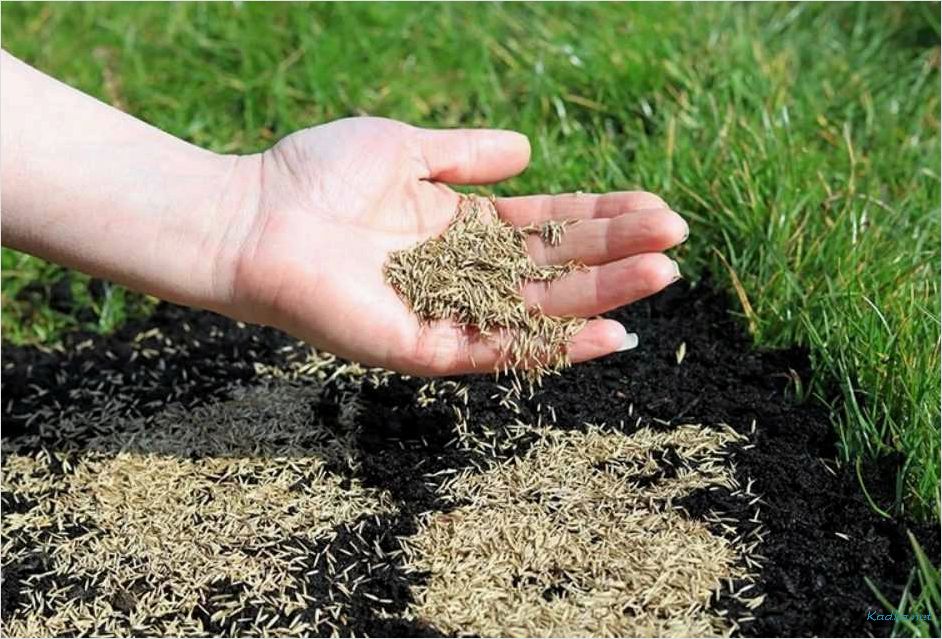
Before sowing lawn grass seeds, you need to prepare the soil. Cut away any stray grass and remove rocks and other obstacles. Then, loosen the soil to a depth of 10-15 cm to allow the roots to quickly penetrate the soil and begin growing. If the soil is too acidic, it should be treated with a lime solution Step 2: Selecting Seeds when purchasing lawn grass seeds, pay attention to the label. Some varieties are best suited for shady areas, while others are better suited for dryer areas. Choose the variety that best suits your site and climate. Step 3: Sowing
Step 2: Selecting Seeds
Step 4: Grass Care
Step 3: Sowing
Lawn Watering and Care
Step 4: Grass Care
Fertilization is an important part of lawn care. Properly selected fertilizers help develop the lawn’s root system and strengthen the lawn, making it more resilient to external influences.
Watering and caring for lawn grass
Important: Lawn grass only thrives under specific conditions. It should be planted in well-lit areas with positive soil temperatures and avoiding flooding.
Helpful tip: When planting lawn grass over large areas, it is recommended to use a seed drill. This allows for even seed distribution and reduces planting and lawn maintenance time.
Determining the Size of the Area for Planting Lawn Grass
Before you begin seeding your lawn grass, you need to determine the area you plan to plant. This will help you determine the amount of seed needed and choose the most appropriate seeding method.
- 1. Measure the area.
- The area you plan to plant can be measured using a measuring tape or other measuring tool. Using this method will allow you to accurately determine the area needed and avoid purchasing unnecessary seeds.
Determining the size of the area for planting lawn grass
When determining the area to sow grass, it’s important to consider the characteristics of the area where the grass will grow. If the area has uneven surfaces, rocks, trees, or other obstacles, account for them when calculating the required seeds.
If the area is uneven, increase the number of seeds, as they may not germinate on uneven surfaces.
If the area contains trees or shrubs, calculate the area around which the grass needs to be sown.
By accurately determining the area and considering the characteristics of the area, you can correctly select the number of seeds to achieve the best results when growing lawn grass.
Timing of Lawn Grass Sowing
- Lawn grass is a key element of any garden or park area, adding beauty and harmony to it. Choosing the right timing for sowing lawn grass is an important factor in its cultivation. The optimal time to sow lawn grass is in the spring, when frost is no longer forecast and the soil has warmed to 10°C. This allows the plants to develop faster and develop a stronger root system.
- You can also sow lawn grass in early August to allow the lawn to establish itself before the start of autumn, the period of peak growth.
Spring sowing – March-April;
Timing for sowing lawn grass
Fall sowing – September-October.
In any case, remember that it’s best to sow lawn grass a few weeks before the swimming season so it can establish itself well and be ready for large crowds.
Sowing Time
- Advantages
- Disadvantages
- Spring
Fast growth, strong roots
Danger of frost and dry soilSummerGrows by fall, less prone to drying outHigh temperatures and low moistureFallRoots well, develops a strong root system for winterHeavy rainfall, temperature fluctuationsSuccessful lawn sowing is the key to a beautiful and strong lawn for years to come. Consider your climate and soil conditions to choose the right sowing time. Troubleshooting Lawn ProblemsA familiar situation: you’ve seeded your lawn and everything seems fine, but as soon as it rains, puddles appear and the grass starts to turn yellow. What should you do?Problem 1: Puddles on the LawnTilling the lawn helps solve this problem. To do this, you need to thoroughly cut up the surface layer of soil with a cultivator, a special machine, or even a regular pitchfork. This will help distribute the water evenly across the lawn and eliminate standing water.Problem 2: Yellowing Lawn
There can be many causes, but one of the most common is excessive drying out. Water the lawn in the evening, when the sun is less bright and water doesn’t evaporate quickly. If this doesn’t help, the lawn grass seed may not be suitable for your region. In this case, it’s best to choose a more suitable seed or even replace it with new seed. Problem 3: Windfalls and Other Lawn Obstacles
Troubleshooting lawn problems
Problem 4: Not Enough Light
Lawn grass needs sufficient light to grow and maintain its green color. If your lawn is shaded for most of the day, it may not be receiving enough light for growth. In this case, consider the surrounding vegetation and consider landscaping to allow more light to reach the lawn.
How to Properly Plant Lawn Grass: Step-by-Step Instructions for Beginners
How to Properly Plant Lawn Grass: Step-by-Step Instructions for Beginners
How to Properly Plant Lawn Grass: Step-by-Step Instructions for Beginners
How to Properly Plant Lawn Grass: Step-by-Step Instructions for Beginners
How to Properly Plant Lawn Grass: Step-by-Step Instructions for Beginners
How to Properly Plant Lawn Grass: Step-by-Step Instructions for Beginners