Features of choosing an inflatable hangar
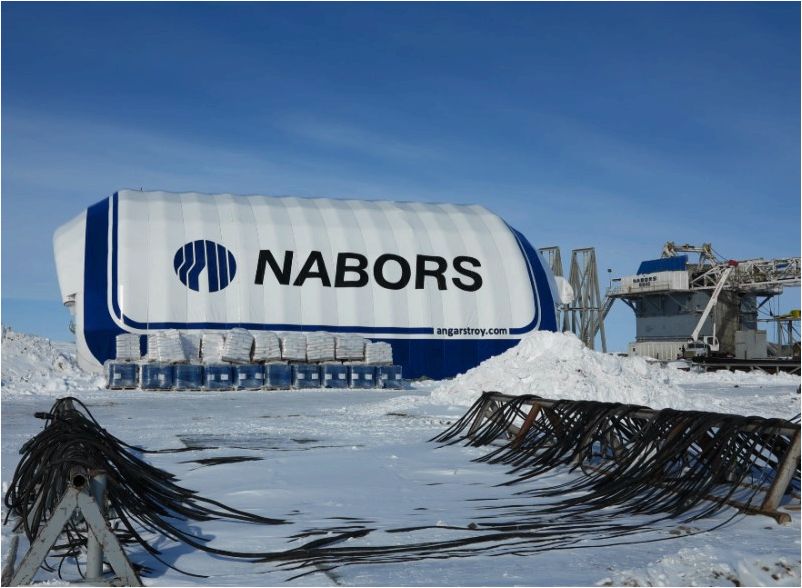
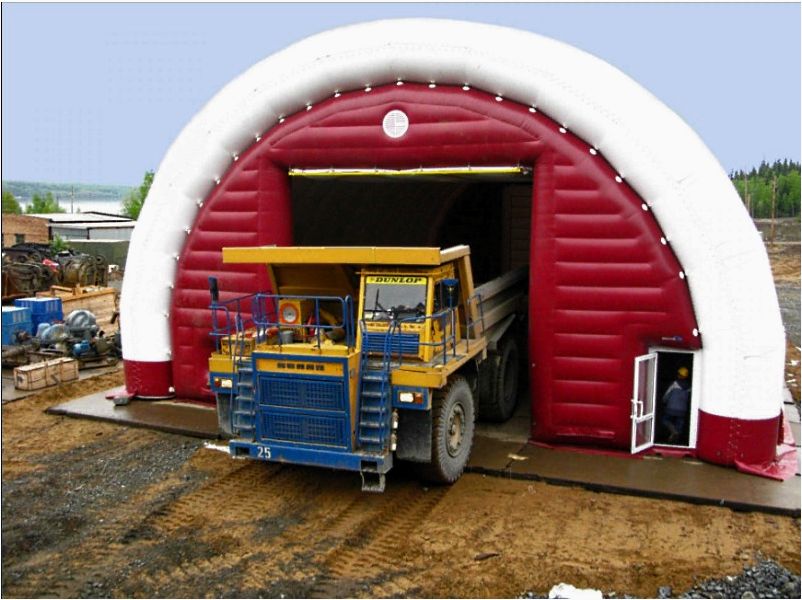
An inflatable hangar is a temporary or permanent construction facility that consists of an inflatable frame and stretched fabric. It is a kind of analogue of brick or metal hangars, but unlike them it is characterized by lightness and mobility. Such a hangar can be used to store cars, aircraft, equipment, for exhibitions, sporting events and other events. In addition, inflatable hangars can be quickly assembled and disassembled, easily transported and installed in a variety of places. To buy inflatable hangar price you can find out from the company ATMOsfera.
Contents of the article:
Material
Inflatable hangars can be made from a variety of materials, including PVC, polyester, Kevlar and others. The main criteria that determine the choice of material include the following:
- Strength and wear resistance: the material must be strong enough and resistant to physical influences such as wind, snow, rain, ultraviolet rays, etc.
- Tightness: the material must have high tightness to prevent water and air from flowing through joints and joints.
- Lightness and maneuverability: the material must be light and flexible to ensure ease of installation and dismantling of the hangar, as well as its transportation and storage.
- Cost: The material must be available and economical to ensure the product is price competitive.
Depending on the specific customer requirements and operating conditions, various combinations of materials and production technologies can be used to create the optimal inflatable hangar.
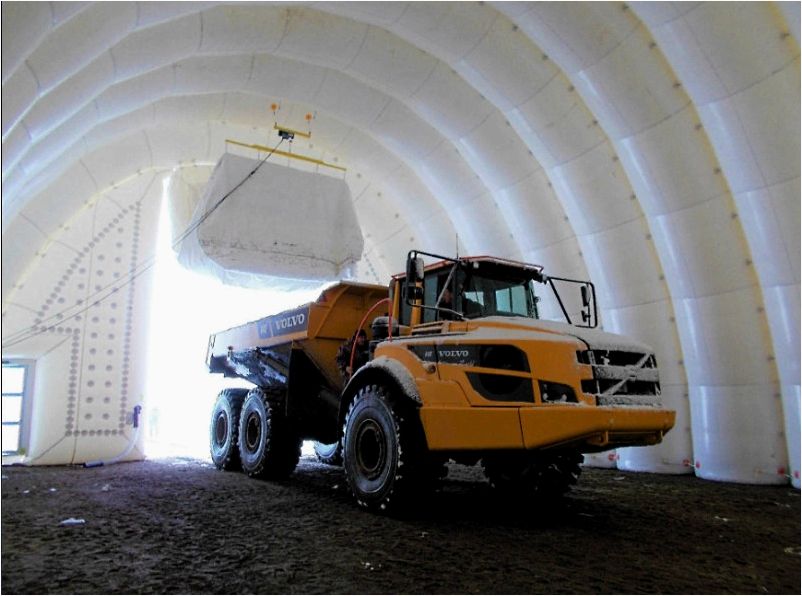
Pros and cons of inflatable hangars
Pros:
- Quick installation and dismantling – you can quickly assemble and disassemble the structure indoors or in an open area.
- Low cost – external hangars are much cheaper than permanent buildings.
- Versatility – hangar structures can be used for various purposes: storage, production processes, car service, etc.
- Environmentally friendly – since hangars can be made from environmentally friendly materials, they are suitable for housing production lines that do not require compliance with strict environmental regulations.
Cons:
- Limited lifespan – Due to the need to use lightweight materials such as PVC fabric, the lifecycle of outdoor hangars is limited, especially in harsh climates.
- Limited Strength – Hangars cannot withstand heavy loads such as snowfall or strong winds.
- Some models may have limited ventilation – Depending on the model chosen, the hangar may have limited natural ventilation, which can cause moisture to accumulate within the structure and damage the items stored in it.
- Limited Design Options – Outdoor hangars can be visually unappealing and limited design options make them less attractive for use as retail space or event venues.
Pneumatic suspensions are characterized by high fire resistance, environmental and technical safety in construction. The production uses high-quality certified PVC fabrics and high-precision professional equipment made in Europe.

Inflatable hangars are characterized by excellent performance characteristics and high profitability. Buyers of pneumatic hangars are attracted by the variety of design forms, the aesthetics of the finished building and, of course, the ability to install shelters without the need to lay a foundation and obtain permits.