The Thyroid Gland: Which Tests Can Help Identify Disorders?
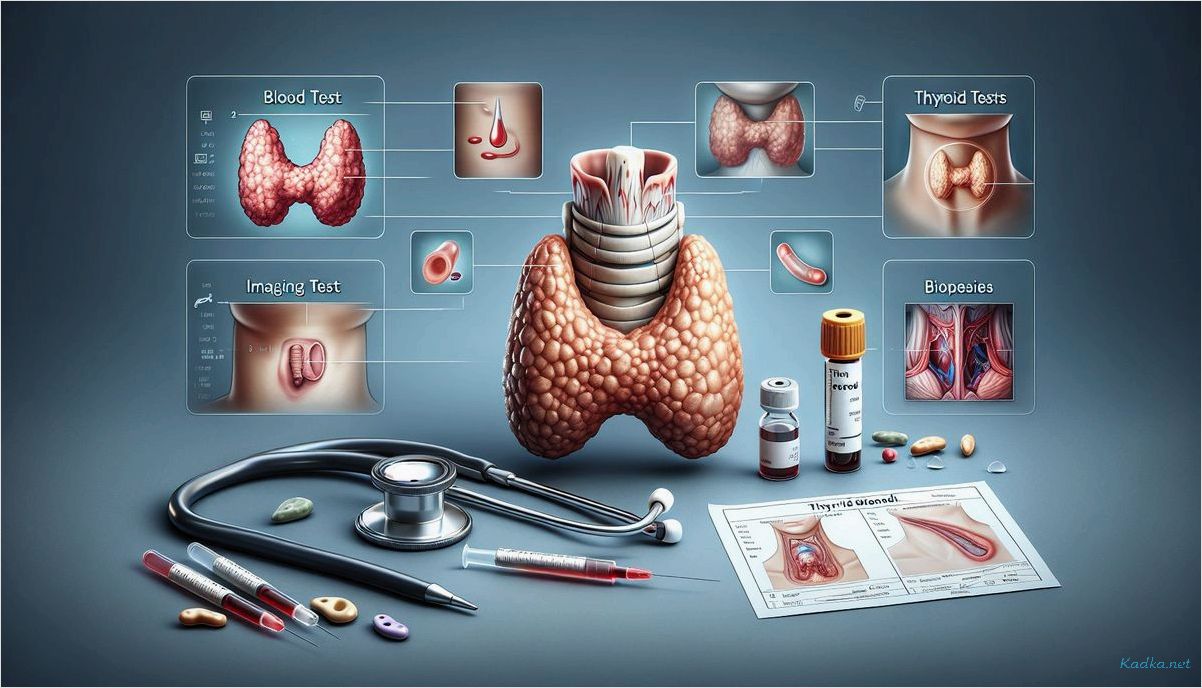
As an organ of the endocrine system, the thyroid gland is responsible for producing hormones that regulate metabolism, growth, development, and many other vital bodily functions. Thyroid disorders can lead to serious consequences, so timely diagnosis using the right tests is crucial for maintaining health and normal daily functioning. One of the first and primary methods for assessing thyroid health is measuring thyroid hormone levels in the blood. These include thyroxine (T4) and triiodothyronine (T3), as well as their free forms (free T4 and free T3), which most accurately reflect the hormones’ biological activity. An increase or decrease in these levels signals disorders such as hypothyroidism or hyperthyroidism, which require further examination and treatment.
Equally important is testing for thyroid-stimulating hormone, which is produced by the pituitary gland and regulates thyroid function. TSH is considered the most sensitive marker of functional disorders. In cases of reduced thyroid function, TSH levels typically rise, while in cases of overactive thyroid function, they decrease. Diagnosis of thyroid disorders often begins based on the results of this test.
What Other Tests Are Used to Detect Autoimmune Diseases?
To detect autoimmune thyroid diseases, such as Hashimoto’s thyroiditis or Graves’ disease, serological tests for antibodies are performed. These include antibodies to thyroid peroxidase (TPO antibodies), antibodies to thyroglobulin (TG antibodies), and antibodies to TSH receptors (TSH receptor antibodies). Elevated levels of these antibodies indicate that the immune system is attacking thyroid tissue, leading to inflammation and impaired function.
Ultrasound examination (US) of the thyroid gland is also an important diagnostic method. It allows visualization of the gland’s structure and detection of nodules, cysts, inflammatory changes, or tumors. In combination with laboratory tests — ultrasound provides a comprehensive picture of the organ’s condition and helps determine whether further testing or a biopsy is necessary. In some cases, the doctor may order a thyroid scintigraphy—a procedure that assesses the gland’s functional activity using a radioactive isotope. This test helps determine which areas of the gland are overactive and which are underactive, which is particularly important in identifying nodular forms of the disease or diffuse changes.