Cervical Erosion: Is It Serious?
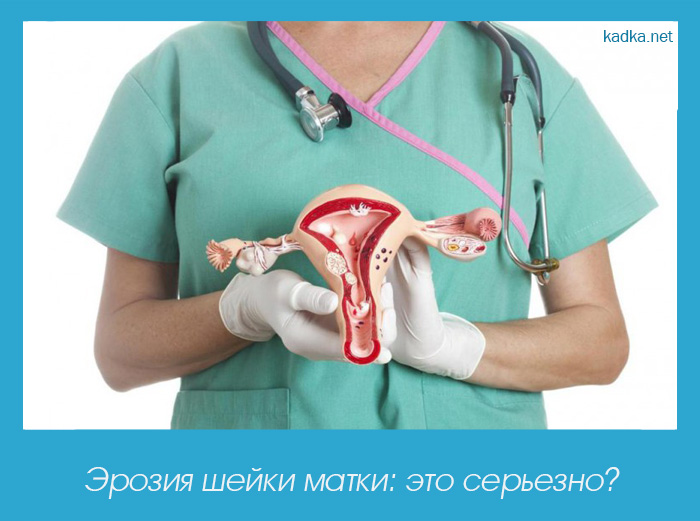
Erosion is an inflammatory process in which formations appear in the cervix. These formations are usually round and can reach two centimeters in diameter. Erosion is not a rare condition; in fact, it is quite common among women of all ages. This condition does not pose a particular threat to the body, as it is classified as a benign process, so the chances of developing into a tumor are minimal. Erosion is divided into three types: congenital erosion, true erosion, and pseudo-erosion. In today’s world, more than half of young women hear this diagnosis, and almost every other woman panics. Don’t worry too much; simply follow the recommendations of qualified specialists, and you will defeat this enemy.
Congenital erosion is caused by displacement of the cervical epithelium. This type of disease is usually detected in adolescence during a colposcopy, as no pronounced symptoms are present. It should be noted that congenital erosion does not develop into a malignant tumor and therefore does not require treatment.
Differences between pseudo-erosion and erosion
True erosion involves the presence of growths in the cervix that may fester and bleed.
Pseudo-erosion appears as a bright red growth up to 2 cm in size. It may be accompanied by mucus discharge, and sometimes even pus. It is the most dangerous of all types, as its recurrence can trigger the development of cancer. It requires medical observation and subsequent treatment.
There are many factors that contribute to the development of erosion, including: mechanical damage caused by frequent sexual intercourse, childbirth, or abortions; STIs; early sexual activity; frequent changes of sexual partners; decreased immunity; inflammatory processes; hormonal imbalances; and untimely treatment of STIs.
The symptoms of erosion are not pronounced, so most women do not even suspect the condition. In the vast majority of cases, the disease is diagnosed by chance. However, some women experience symptoms such as bleeding unrelated to menstruation; painful intercourse; and unpleasant mucus-like discharge.

If these symptoms are present, a visit to the gynecologist is necessary. Erosion can be diagnosed by visual examination, but it’s also a good idea to undergo tests. The test results will help more thoroughly understand the progression of the condition. Based on the test results and the initial examination, the doctor will be able to determine the optimal treatment plan for your specific case.