Air filters for ventilation systems
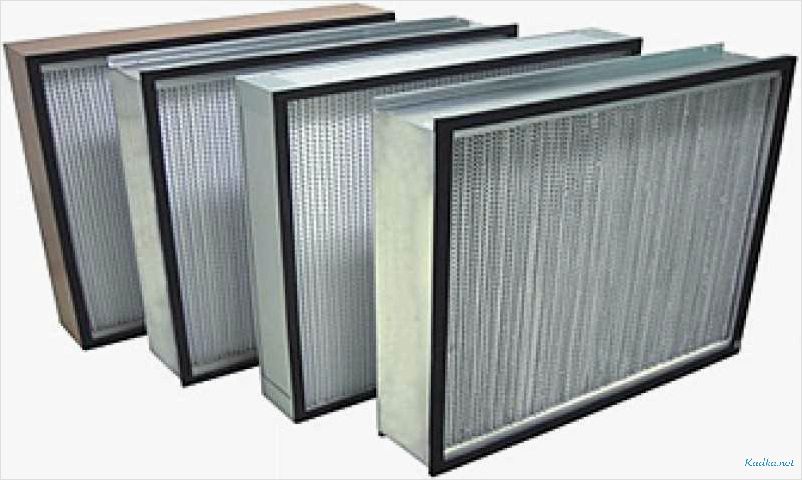
Modern indoor technologies force us to ensure high air quality in our living and working spaces. Ventilation is an important factor that determines the quality and cleanliness of indoor air. To ensure adequate ventilation, cartridge filters must be installed in the ventilation system.
Contents of the article:
Cartridge filters are simple devices that protect the ventilation system from contaminants entering the room. They work on the principle of air filtration, trapping dust, germs and other pollutants before they enter the room or ventilation system.
Cartridge filters are available in different sizes, types and designs to suit different types of ventilation systems. This makes it possible to select the appropriate filter for your ventilation system according to its performance and indoor air quality requirements.
What are air filters for ventilation systems?
Air filters are an integral part of ventilation systems. They are designed to purify the air that circulates indoors. The main task of filters is to retain dust, dirt, germs and other contaminants that can negatively affect human health and the operation of equipment.
Cartridge filters
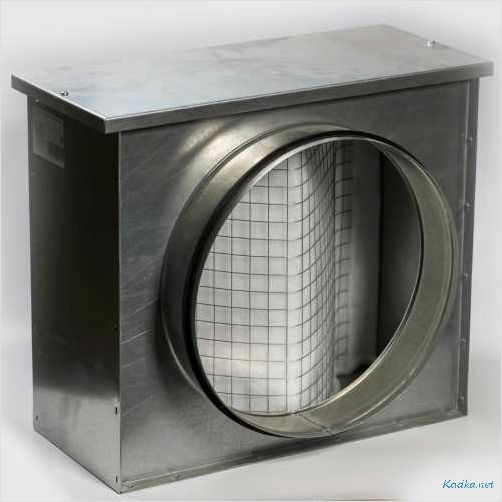
One of the most common types of air filters is cartridge ones. They are installed in special housings that are located in the path of the air flow. The design of cartridge filters may differ in the material from which the filter element is made. The main materials used are synthetic materials, fibrous materials and metal meshes. The choice of filter material depends on the type of pollutant you want to capture.
- Synthetic filters –
-
- Suitable for trapping dust, pollen, spores, bacteria and viruses.
-
- Fiber filters – stop large contaminants, including fibers and fabric particles.
- Metal mesh – traps large fractions of dust, hair, fibers and other large mechanical pollutants.
Air purification through filtration is a necessary component of ensuring comfortable living conditions in buildings and premises. The choice of a specific filter type depends on the characteristics of the air flow and the required air purification class.

What types of air filters are there for ventilation systems?
Cartridge filters
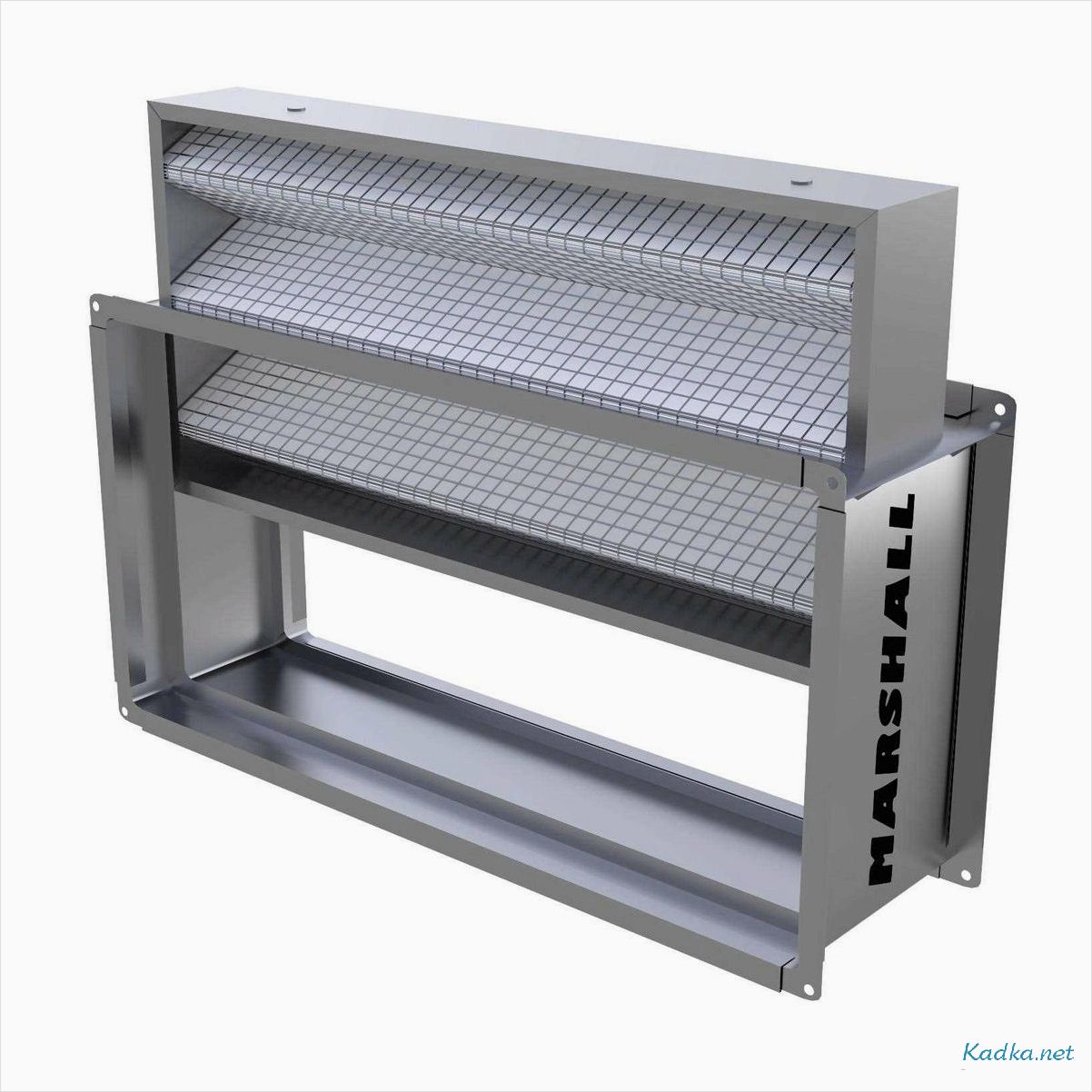
Cartridge filters are one of the most common types of air filters for ventilation systems. They consist of a housing and a replaceable element – a cartridge, which allows you to retain dust, dirt and other small particles from the air.
To ensure reliable air filtration, cartridge filters can be used in combination with other types of filters, such as mesh or liquid filters.
Cartridge filters can also be of different types, differing in cartridge material, shape and size. There are also filters that use multiple cartridges, which can significantly increase the efficiency of air filtration.
It is important to note that in order to ensure high-quality operation of the ventilation system, it is necessary to regularly change replaceable filter elements, including cartridge filters
Why do you need to use air filters for ventilation systems?
Air filter functions
Air filters for ventilation systems perform a number of important functions:
- Clean the air from dust, dirt, germs and other pollutants;
- Prevent allergens such as pollen, fluff and dust from entering the room;
- Protect the ventilation system from pollutants, which can lead to its breakdown;
- Increases the service life of ventilation systems and air-powered equipment.
Types of filters for ventilation systems
There are several types of filters for ventilation systems, one of which is cartridge filters:
- Mechanical filters –
-
- captures large particles and dust.
-
- Electrostatic filters – attract pollutants through static electricity.
-
- Activated carbon filters – remove odors and gases from the air.
- Cartridge filters are made of fibers collected in a dense structure. They effectively remove contaminants of any size while maintaining good air flow.
Regular replacement of filters
Regularly replacing filters is no less important than installing them. The replacement time depends on the intensity of use of the ventilation system and the type of filter. On average, cartridge filters need to be changed every 3-6 months to prevent them from accumulating contaminants and leading to reduced air flow and increased energy consumption of the ventilation system.
How to choose a suitable air filter for your ventilation system?
Advantages of using cartridge filters
Cartridge filters are the most common type of filters for ventilation systems. They are designed to clean the air from dust, dirt and other contaminants that can negatively affect the operation of the ventilation system and human health. The advantage of cartridge filters is their high efficiency and low cost.
How to choose the right cartridge filter?
To select a suitable cartridge filter, several factors must be taken into account:
- Type of ventilation system. Some cartridge filters may not be compatible with certain types of ventilation systems.
- Type of pollutants. Various cartridge filters are designed to clean different types of pollutants (for example, gases, dust, oils).
- Filter sizes. The filter must be the correct size for your ventilation system.
- Filtration class. The filtration class determines how well the filter cleans the air. The higher the class, the more effective the filter.
The need to replace the filter
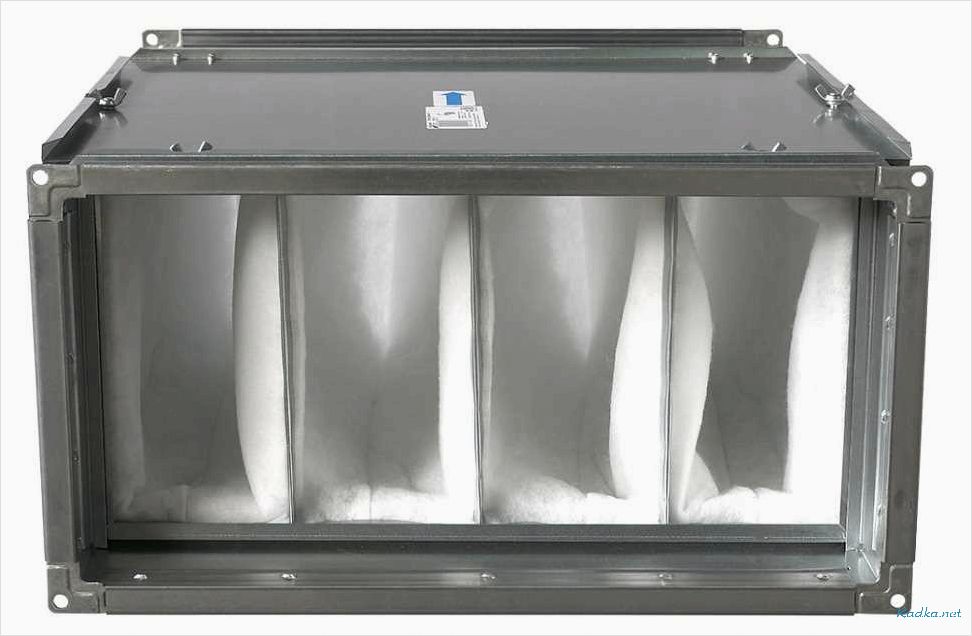
Cartridge filters must be replaced regularly to maintain high efficiency and long service life of the ventilation system. It is usually recommended to change cartridge filters every 6-12 months, depending on the intensity of use of the ventilation system and the level of air pollution.
How to install and replace the air filter for the ventilation system?
Step 1: Selecting the Right Filter
Before installing a new air filter, make sure it is compatible with your ventilation system. Filters come in different types, but cartridge filters are commonly used for home use.
- Check your ventilation system model
- Select a filter that matches your model and is recommended by the manufacturer.
Step 2: Turn off the ventilation system
Before installing or replacing a filter, turn off the ventilation system. This will prevent dust and dirt from entering the ventilation system and protect you from electrical shock.
Step 3: Open the filter cover
Filter covers are usually located on the ventilation system body. Open the cover to access the old filter.
Step 4: Remove the old filter
Write down the model number of the old filter to ensure you select the correct new filter. Remove the old filter and discard it in the trash.
Step 5: Install a new filter
Install the new filter in the ventilation system. Make sure the filter is properly secured and the dust container is in place. Then close the filter cover.
Step 6: Turn on the ventilation system and check operation
Turn on the ventilation system and check that it operates without any unpleasant noises or odors. If everything is working properly, the air filter replacement is complete.