Dentistry: Basic Principles and Treatment Methods

Dentistry is a branch of medicine that deals with the diagnosis, prevention, and treatment of oral diseases. One of the most common problems patients face is tooth decay.
Article Contents:
Tooth decay is a chronic dental disease that develops due to the action of bacteria and acid produced by the breakdown of food debris. Delayed treatment of tooth decay can lead to tooth loss and the development of more serious oral health problems.
Tooth decay can be treated using various methods, depending on the stage of the disease. A dentist may use methods such as removing the affected tissue, filling the tooth, or restoring it with a prosthesis. They may also recommend that the patient undergo a course of preventive procedures, such as oral hygiene and the use of fluoride treatments, to prevent the recurrence of tooth decay.
It is important to note that tooth decay should only be treated by a qualified professional. Regular visits to the dentist and maintaining good oral hygiene will help keep your teeth healthy for many years to come.
The Importance of Dentistry for Health
Treating tooth decay is one of the primary goals of dentistry. If the early signs of tooth decay are ignored and treatment is not started in a timely manner, the condition can progress, leading to dental and gum disease, as well as other serious health problems.

Treatment for tooth decay may involve removing the affected tooth structure and filling the cavity. In complex cases, crowns or veneers may be required. It is important to remember that tooth decay treatment should only be performed by a qualified dentist to avoid complications and achieve the best results.

In addition to treatment, dentistry also plays an important role in the prevention of oral diseases. Regular visits to the dentist for preventive checkups and hygiene procedures help prevent the development of tooth decay and other diseases of the teeth and gums.
Thus, dentistry is an integral part of a healthy lifestyle. Regular treatment of tooth decay and preventive checkups help maintain oral health and contribute to overall well-being.
Regular visits to the dentist help maintain oral health

One of the most common problems that can be detected at an early stage through regular visits to the dentist is tooth decay. Tooth decay is the process of tooth enamel breakdown caused by bacteria that form on the teeth due to poor oral hygiene and the consumption of sugary foods.
Treatment for tooth decay involves removing the affected tissue and filling the cavity with a filling. If tooth decay is not treated in its early stages, it can lead to extensive tooth damage, infection, and even tooth loss.
Regular visits to the dentist allow for the detection of tooth decay in its early stages, when it can still be treated easily and quickly. The dentist will examine your mouth, take X-rays if necessary, and recommend the best treatment option.
In addition to treating cavities, the dentist can also perform preventive teeth cleaning, remove plaque and tartar, and provide recommendations for dental and oral care.
Regular visits to the dentist will help maintain oral health, prevent problems from developing, and keep your teeth healthy for a lifetime. Don’t put off seeing the dentist—after all, dental health is the key to overall health!
The Connection Between Dental Problems and Overall Health
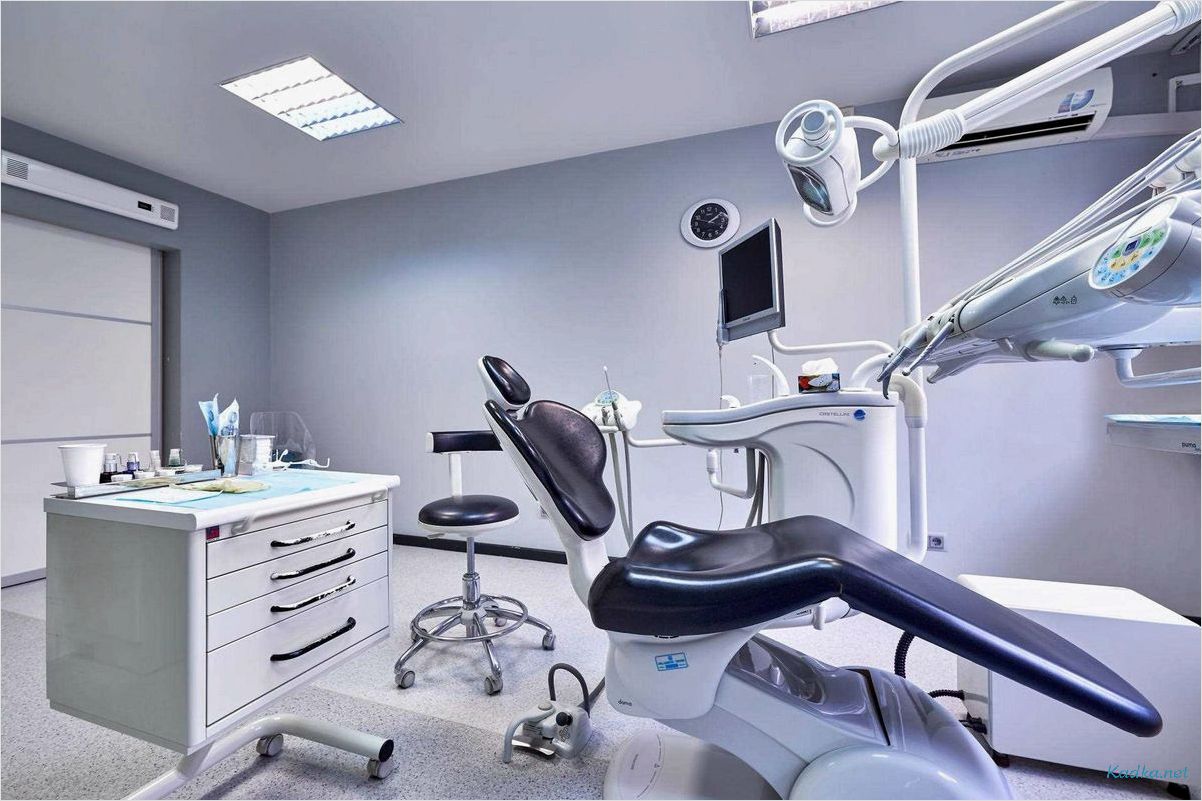
The treatment of tooth decay is a priority in dentistry, as—regardless of the stage of the disease—it can lead to complications and have serious consequences for the body. Delayed or substandard treatment of tooth decay can lead to the development of suppurative processes, abscesses, periodontitis, and other complications that can spread to adjacent teeth and even to other organs.
In addition to local complications, tooth decay can have a negative impact on overall health. The bacteria that cause tooth decay can enter the bloodstream through damaged gums or tooth canals and trigger inflammatory processes in other organs. For example, they can lead to inflammation of the heart valves or cause infectious complications in the kidneys.
In addition, tooth decay can negatively affect a person’s overall health by disrupting the digestive process. Pain while chewing and dental problems can lead to improper digestion and inadequate absorption of nutrients, which in turn can result in vitamin and mineral deficiencies, as well as a general weakening of the immune system.
Thus, timely and effective treatment of tooth decay is a crucial aspect of maintaining overall health. Regular visits to the dentist and adherence to good oral hygiene practices will help prevent problems and preserve the health of your teeth and your body as a whole.
Consequences of Tooth DecayImpact on the BodyPurulent processesPotential spread of infection to other organsAbscessesInflammation of the heart valvesPeriodontitisInfectious complications in the kidneysDigestive disordersVitamin and mineral deficiency
Weakening of the immune system