Features of repair of swimming pools and equipment
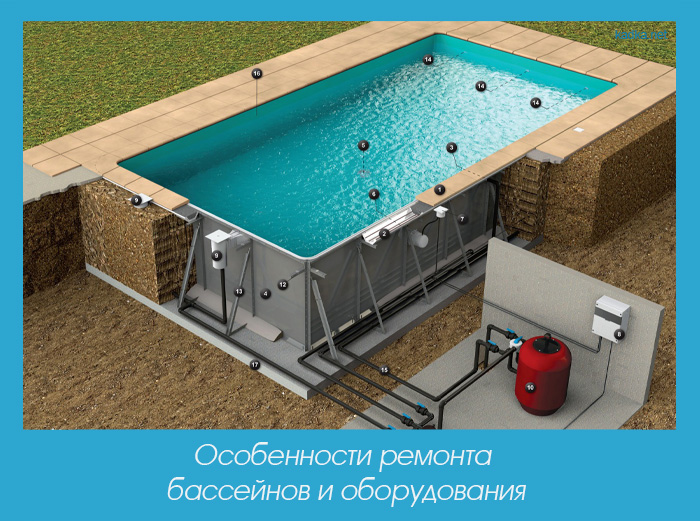
If the integrity of the reservoir shell is damaged, do not be upset. If a leak appears, this is not a death sentence. It can be eliminated on a temporary or permanent basis, and even under water.
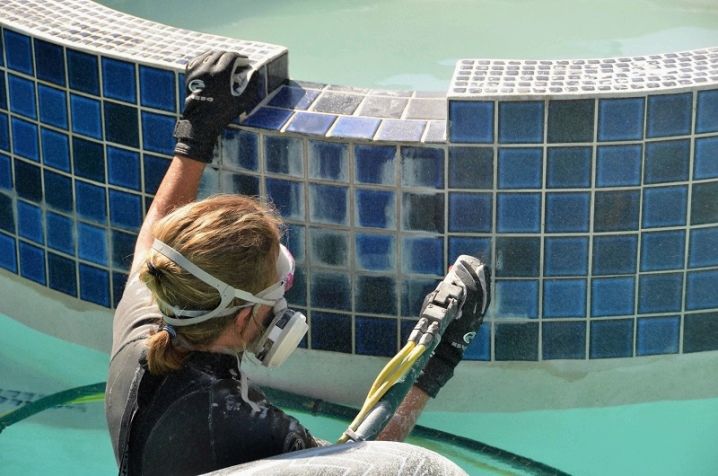
How to prepare for work?
Repairs can be planned – usually at the end or before the start of a new swimming season, and unexpected, if a leak is discovered in the reservoir bowl or there is an urgent need to repair pool equipment. If the malfunctions are of increased complexity, it would be better to contact specialists for whom this is their main activity and they know everything about such problems to the last detail. For example, if you needed repair descon , then it is best to contact KOBAS. However, there are also simple breakdowns that you can fix yourself.
These include eliminating small leaks in the reservoir bowl, as well as replacing backlight lamps and water purification filters
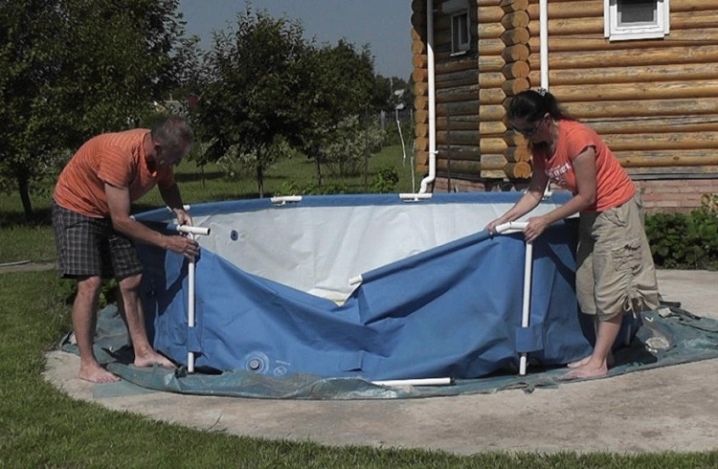
If the site does not have a concrete pool, but an inflatable or frame one, then it is always advisable to have a repair kit on the farm that will help eliminate small problems quite quickly and efficiently. It can be purchased immediately at the same store where you purchased the tank itself or elements for the pond. The most necessary things for quick repairs:
- tape or plaster;
- water adhesive tape;
- a set of self-adhesive patches;
- waterproof glue;
- solution for degreasing surfaces (acetone, solvent, etc.)
- spare lamps and filters;
- sealant.
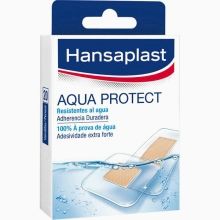
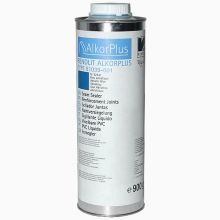
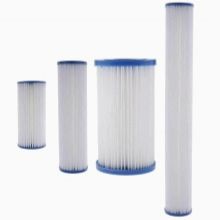
You should not skimp on such a set; remember that the stingy pays twice. Do not forget that such a kit is only suitable for urgent repairs for a short time. To better eliminate the problem at a stationary reservoir, professionals should be invited, and an inflatable reservoir can be taken to a workshop and vulcanized.

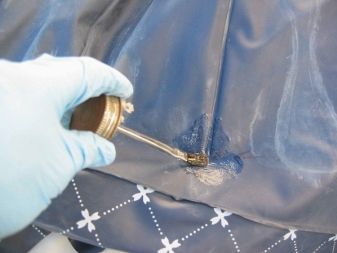
Reservoir bowl repair
You can do some simple work with your own hands to eliminate the uncontrolled loss of water. Pools made from different materials require different approaches. Let’s look at the main types of materials used in the construction of home ponds and methods for eliminating leaks.
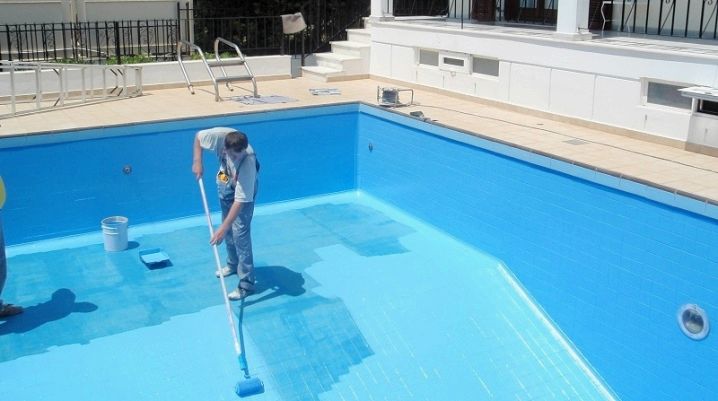
Made from concrete
Concrete is a common material for suburban home pools. This is an inexpensive and widely used material for permanent pools. If you notice water escaping from the reservoir through an unintended opening, rather than evaporating naturally due to the heat, you’ll need to drain the tank for inspection.
The process is very simple.
- First, carefully inspect the basin for cracks or peeling of the water-repellent coating. Ceramic tiles or other synthetic materials are typically used for the lining.
- Visually identify the location of peeling or swelling in the waterproofing material. The leak is most likely located at this point.
- Next, remove the coating, based on the extent of the damage, and repair the leak using waterproofing compounds.
After the damaged area has been plastered, apply the waterproofing and install the lining materials.
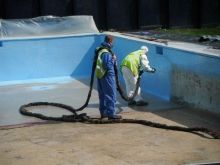
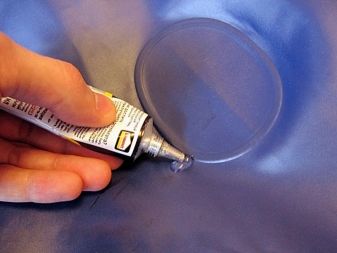
If the crack is larger, sealant won’t work, and you’ll have to seal it. This requires a repair kit, which includes vinyl patches and adhesive. It’s best to use the adhesive recommended by the tank manufacturer; in a pinch, Moment adhesive will work. If the tank is above ground, patches should be applied on both sides—this will increase the patch’s durability. If the tank is buried underground, there’s no other option, and you’ll have to fix the leak on one side.
To repair the leak, you’ll need to pump out the water, as gluing it in water is a short-lived solution. Then, dry and degrease the leak, apply the adhesive, and apply the patches.
Remember that the patches must be kept under pressure for at least 12 hours, or preferably 24 hours, for a more secure bond.
From PVC film
If the pool itself is made of a different material, but has a PVC film as the surface, repairing the leak is also quite simple:
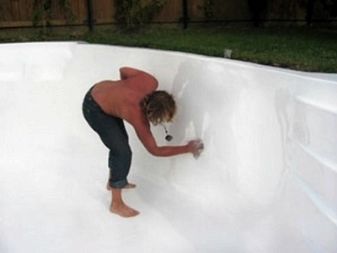
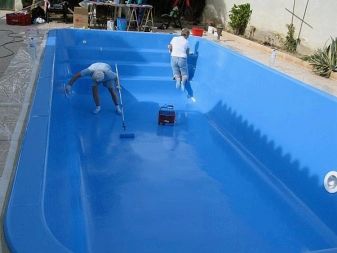
We use a special hairdryer to solder the contact areas and treat them with sealant;
We wait until it dries and fill the reservoir.
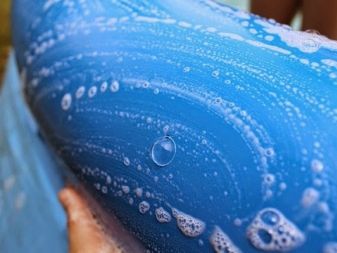
- If the pool is inflatable and made of PVC, it is very easy to eliminate the leak. To seal a hole, it must first be detected. If the tank is small, then lower it into another container with water and look at which point the air bubbles will come from, mark the place with a marker. However, if the container is large, you will have to use soap suds to find leaks. We whip up the foam, pump up the pool and, using a brush, apply it to the surface of the tank over the entire area.
- We mark all the places where the foam bubbles – this means that there is a breakdown at these points.
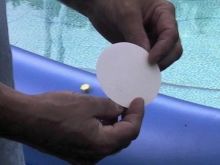
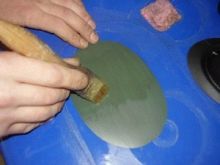
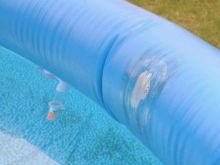
Scotch tape or waterproof tape can be used as a temporary measure, but this is not reliable. To seal the hole once and for all, you need soft rubber patches, glue, degreasing liquid and sandpaper. Patches are best suited oval or round. The use of square ones is not always effective, since the corners can move away under the pressure of water, and the repair will go down the drain.
The algorithm of actions here is almost the same as when repairing a fiberglass reservoir. The only thing is that the gluing areas need to be cleaned with sandpaper. Then we degrease, apply glue and apply rubber patches.
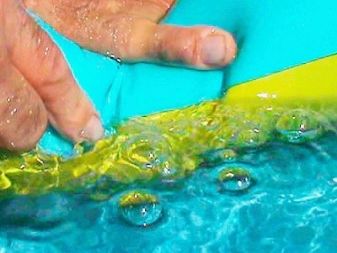
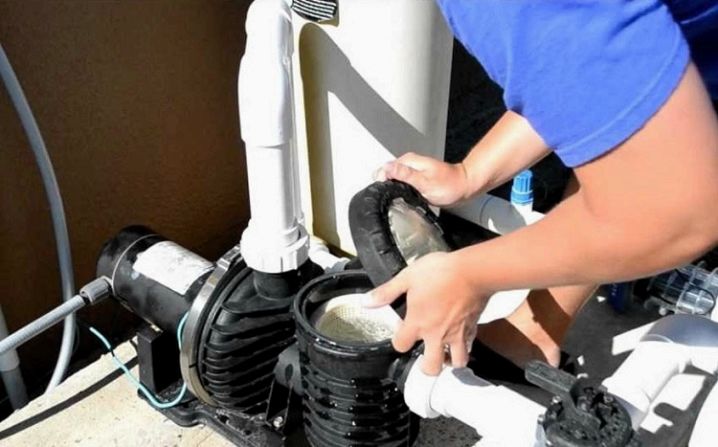
It is also worth paying attention to the fact that water can also decrease through various additional equipment: countercurrents, filters, pumps, etc. To repair pool equipment, you need to buy only original spare parts. Replicas do not last long and will cause additional problems.
Most likely, to eliminate defects in the equipment, you will have to turn to specialists – this will save time and nerves.
Fault prevention
In order not to deal with leaks, you need to monitor the condition of the equipment in the pool and follow a few simple rules.
Choose a place for the pond so that trees and bushes are at a safe distance from it.
The tank must be installed on a level surface.
- It is advisable that pets do not get into the pool, because they can damage it with their claws and teeth.
- features, repairs, pools, equipment
Features of repair of swimming pools and equipment