Printing on plastic: features and technologies
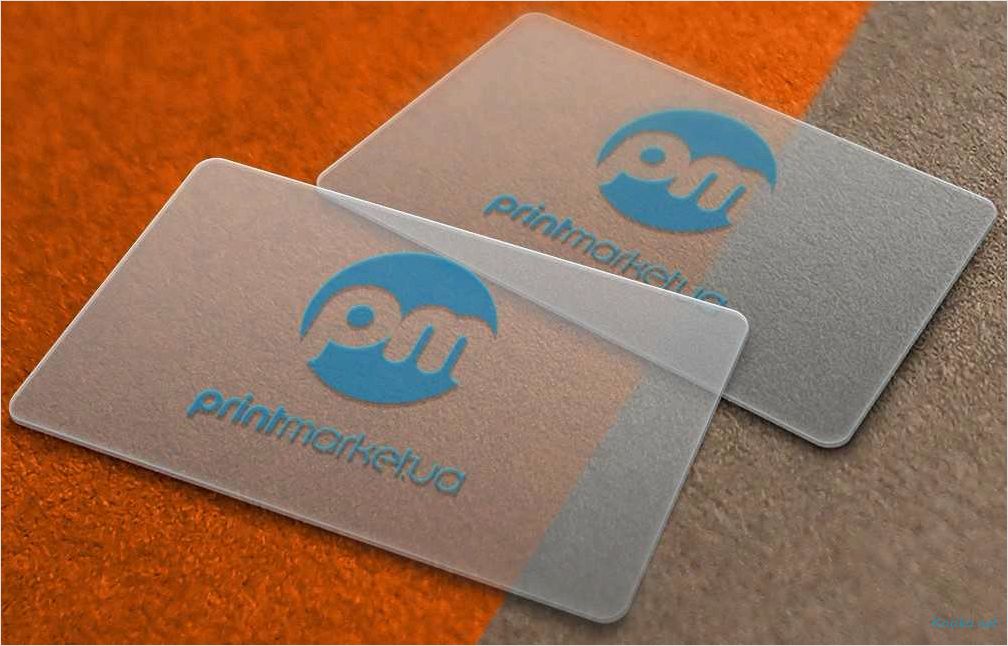
Printing on plastic is one of the most popular and in-demand technologies in modern industry. It is widely used in various industries such as packaging, advertising, medicine and more. Printing on plastic allows you to create bright and attractive products that attract the attention of consumers.
Contents of the article:

There are several types of printing on plastic, each of which has its own characteristics and advantages. One of the most common types of printing on plastic is screen printing. It is based on the use of a special stencil through which paint is applied to the surface of the plastic. Screen printing allows you to achieve high accuracy and print quality.
Another popular type of printing on plastic is UV printing. It is based on the use of special ultraviolet paint, which hardens under the influence of ultraviolet radiation. UV printing is highly resistant to external influences and allows you to create products with bright and rich colors.
Printing on plastic has many advantages, such as the ability to apply parts of any complexity, high resistance to abrasion and moisture, as well as the ability to use various types of plastic. It allows you to create unique and original products that can attract the attention of consumers and help promote products in the market.
Plastic printing technologies are constantly evolving and improving. With the advent of new materials and equipment, the possibilities for printing on plastic are becoming more diverse and improved. Thanks to this, printing on plastic remains a relevant and in-demand technology in modern industry.
Types of printing on plastic
1. Pad printing
Pad printing, or tampon printing, is one of the most common methods of printing on plastic. It is based on transferring paint using a special silicone swab. This method allows you to apply images even to surfaces with complex shapes, such as bulges or depressions.
2. UV printing
UV printing is based on the use of ultraviolet light to cure ink. This method allows you to achieve high durability and brightness of images on plastic. UV printing also works well on clear and dark surfaces.
3. Sublimation printing
Sublimation printing uses special inks that, when heated, change from a solid to a gas, penetrating the surface of the plastic. This method produces bright, long-lasting images that will not wear off or fade over time.
4. Silkscreen printing
Screen printing is one of the oldest and most traditional methods of printing on plastic. It is based on the transfer of paint through a special mesh of thin silk thread. Silk-screen printing allows you to create high-quality and detailed images that maintain brightness and durability for a long time.
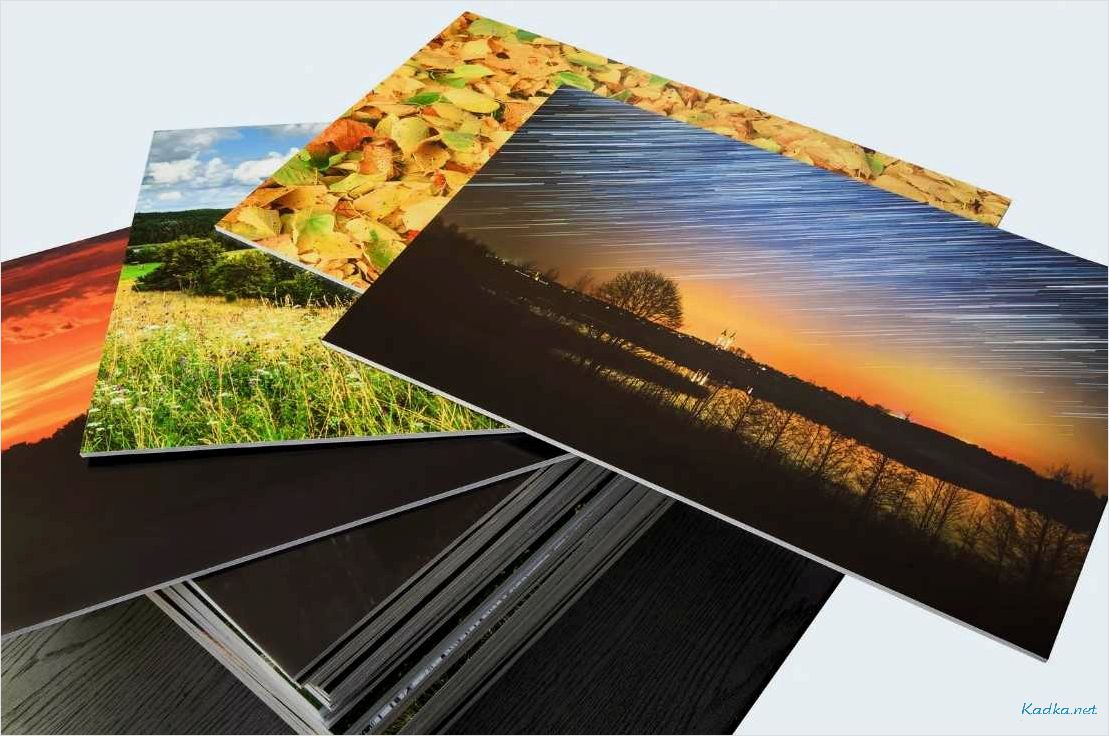
The choice of printing method on plastic depends on the goals and requirements of the customer, as well as on the characteristics of the plastic product itself. Each of these methods has its own advantages and limitations, so it is important to choose the most suitable option for a particular task.
Silk-screen printing on plastic
Silk-screen printing technology on plastic is based on the use of a special frame, which is covered with a thin layer of silk or other material with holes in the form of an image. Through these holes, paint is applied, which is then transferred to the plastic surface using a rubber tip or a vacuum table.
Advantages of silk-screen printing on plastic:
- High quality printing. Silk-screen printing allows you to achieve a clear and bright image on plastic.
- Possibility of using different colors. Silk-screen printing allows you to apply paints of various colors and shades to plastic.
- High durability. The image obtained using silk-screen printing does not fade or wear off over time.
- Wide range of applications. Screen printing can be used to print on various types of plastic, including clear, matte and colored.
Screen printing on plastic is a reliable and efficient printing method that is widely used in a variety of industries, including advertising, electronics, medical and packaging.
Pad printing on plastic
The process of tampon printing on plastic is based on the use of a special tampon pad, which applies paint to the surface of the product. The tampon pad is made of silicone or rubber and is shaped to match the shape of the pattern. Upon contact with the surface of the plastic, the pad removes ink from the printing plate and transfers it to the product.
Advantages of pad printing on plastic:
- High quality printing: Pad printing provides clear and detailed images on plastic. This is especially important when applying logos and text to promotional items.
- Wide range of colors: Pad printing allows you to use a wide range of inks, including Pantone colors. This allows you to accurately convey the colors of your logo or design.
- Abrasion resistance: The results of pad printing on plastic are highly resistant to abrasion and mechanical damage. This is especially important for products that are subject to intensive use.

Features of pad printing on plastic:
Moisture Resistance: Pad printing on plastic is highly resistant to moisture, making it suitable for use on items that may come into contact with water or be exposed to the outdoors.
Possibility of application to various forms: Pad printing on plastic allows you to apply images to various shapes and surfaces, including convex and uneven ones. This makes it a universal method of application to plastic products of various shapes and configurations.
Pad printing on plastic is a reliable and effective way of applying images to plastic surfaces. It allows you to get bright and durable designs that attract attention and serve as an advertisement for your brand or product.
UV printing on plastic
Operating principle
UV printing on plastic uses special inks that are cured when exposed to ultraviolet (UV) radiation. When printing, ink is applied to the surface of the plastic and then exposed to a UV lamp. Under the influence of UV radiation, the ink polymerizes, which leads to its fixation on the surface of the plastic.
Benefits
UV printing on plastic has a number of advantages that make this technology especially popular:
- High Quality Print: UV printing produces crisp, detailed prints with vibrant, rich colors.
- Impact Resistance: Printed using UV technology has excellent resistance to abrasion, scratches and external factors such as sunlight or moisture.
- Environmentally friendly: UV ink does not contain solvents or toxic substances, so it does not pose a risk to human health or the environment.
- Fast Drying Time: UV ink cures instantly when exposed to a UV lamp, so there is no need for additional drying time for printed items.
UV printing on plastic is widely used in various industries, such as advertising, packaging, souvenirs, etc. Due to its advantages, this technology allows you to create high-quality and durable printing on plastic products.
Laser engraving on plastic
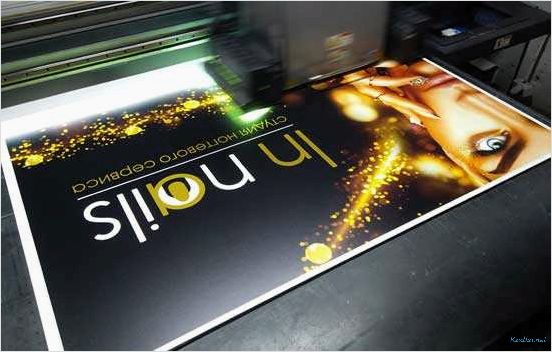
The laser engraving process is based on the use of a laser beam, which, when exposed to the surface of the plastic, leads to heating and evaporation of the material. In this case, the top layer of plastic is removed, which leads to the formation of deep and clear patterns.
Advantages of laser engraving on plastic:
- High accuracy and detail. The laser beam allows you to create very fine lines and small details, which is especially important when applying inscriptions and logos.
- Wide range of possible materials. Laser engraving is suitable for many types of plastic, including acrylic, polycarbonate, polyethylene and other materials.
- High speed. Laser engraving allows you to quickly and efficiently apply images and text to plastic products.
- Durability and durability. Laser engraving is highly resistant to external influences such as abrasion, ultraviolet radiation and chemicals.
Laser engraving on plastic is widely used in various fields, including the production of advertising materials, the production of souvenirs, the production of plastic parts for electronics and many others. Due to its advantages and capabilities, this technology remains in demand and popular among manufacturers and designers.
Thermal transfer printing on plastic
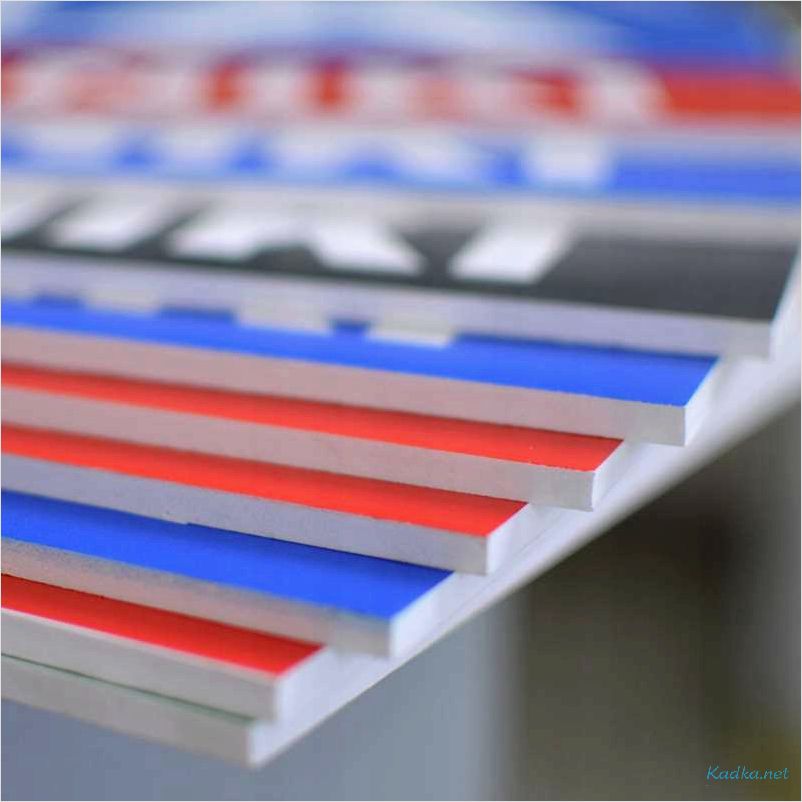
The basic principle of thermal transfer printing on plastic is the transfer of pigment or dye from the thermal transfer tape to the surface of the plastic. To do this, a special printer is used that heats the tape so that the pigment transfers from it to the plastic.
Advantages of thermal transfer printing on plastic:
- High quality printing with clear and vibrant colors;
- Durability and durability of the image;
- Ability to print on various types of plastic;
- Simplicity and convenience of the printing process;
- Possibility of applying images to complex shapes and surfaces.
Thermal transfer printing technology on plastic:
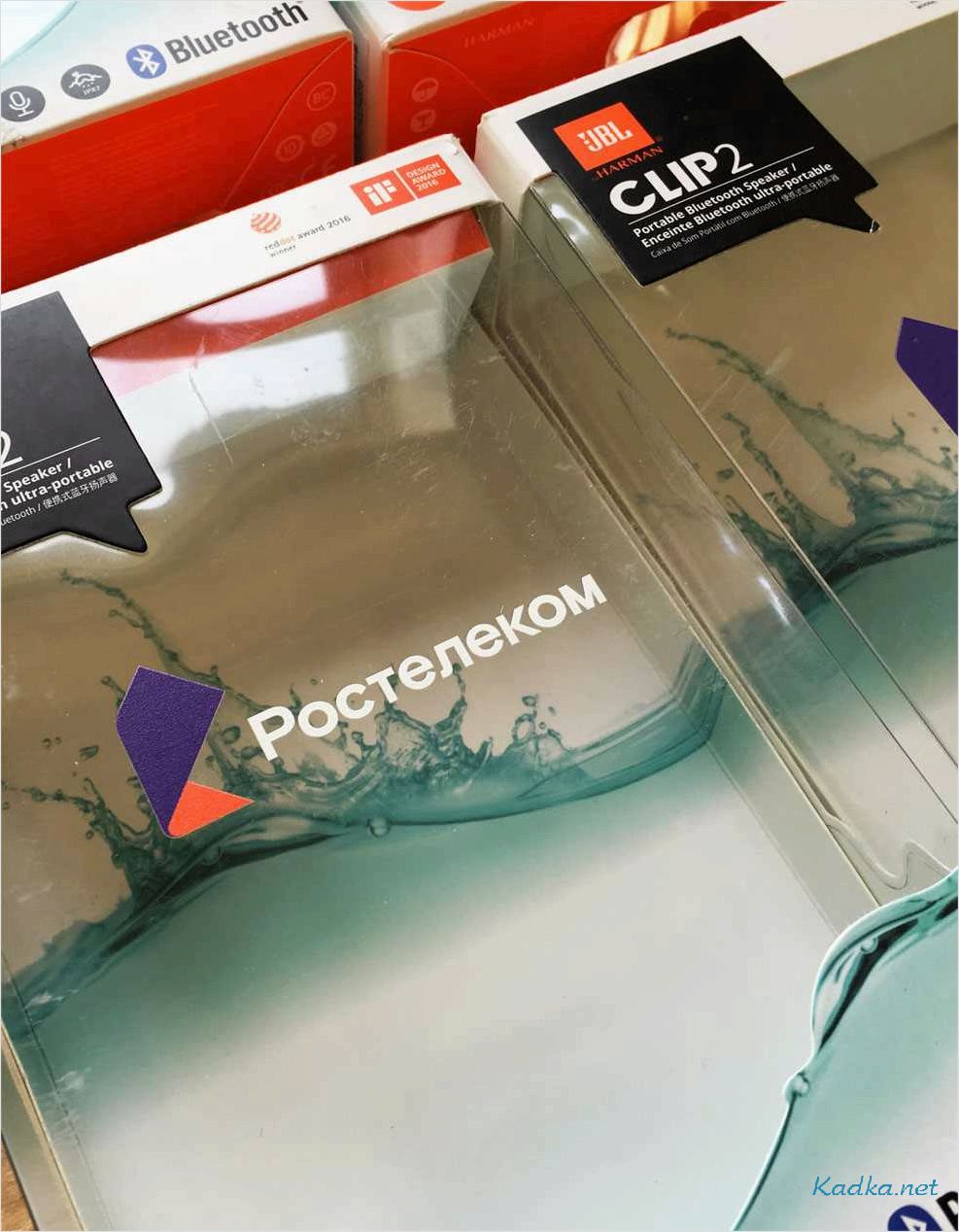
- Selecting a suitable thermal transfer tape with the desired dye characteristics;
- Preparing an image or text for printing on a computer;
- Setting up the printer and loading thermal transfer ribbon;
- Applying an image to a plastic surface using a printer;
- Cooling and fixing the print on plastic.
Thermal transfer printing on plastic has many advantages and is a universal way of applying images and text to plastic products. It allows you to obtain high-quality and durable printing, as well as work with various types of plastic.