Starter repair: everything you need to know and be able to do
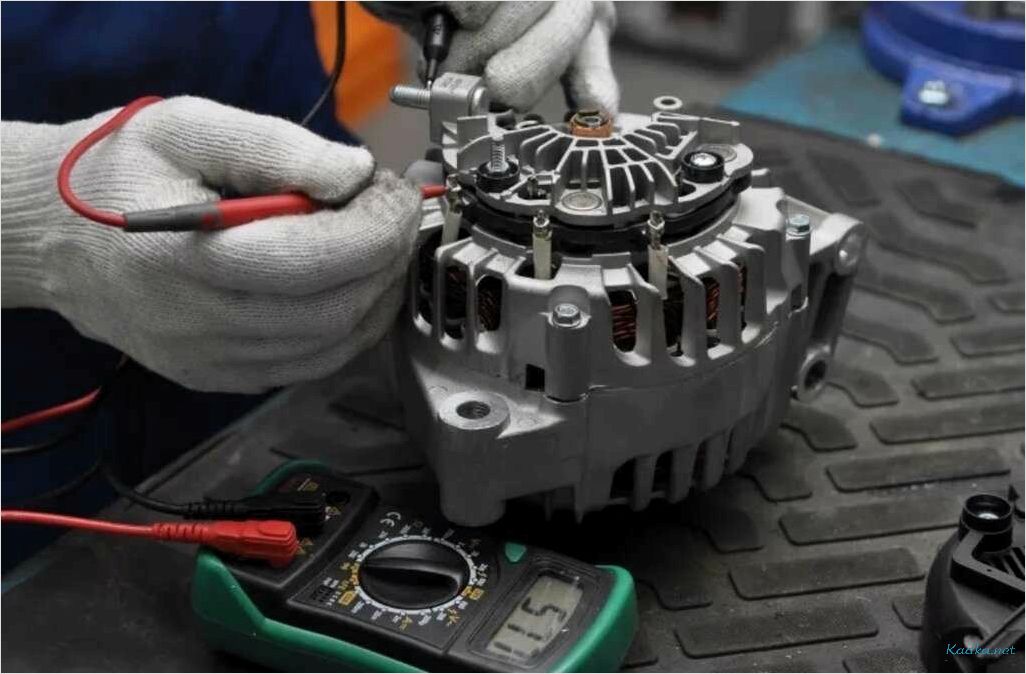
A starter is a device that is used to start an internal combustion engine. It converts electrical energy into mechanical energy, which allows the crankshaft to rotate and start the engine. Like any other device, the starter can fail and require repair or replacement.
Contents of the article:
The main reasons for starter failure can be different. For example, this could be wear on the brushes and commutator, a broken solenoid, or faulty bearings or wires. It is important to note that the starter should only be repaired in specialized service centers or auto repair shops, since its repair involves working with electrical components and can be dangerous for an untrained person.
If the starter breaks down, you need to contact specialists who will carry out diagnostics and determine the cause of the breakdown. After this, a decision will be made to repair or replace the starter. In case of repair, specialists will carry out the necessary work: replace worn parts, adjust mechanisms and check the operation of the starter. Thus, repairing the starter allows you to extend its service life and return it to working condition.
If you need to repair the starter, you should not try to do it yourself, especially if you do not have the necessary knowledge and experience. It is better to contact a service center or auto repair shop, where you will receive qualified assistance and carry out all the necessary work. This will help avoid errors and damage, and also guarantee quality starter repair
Why do starters fail?
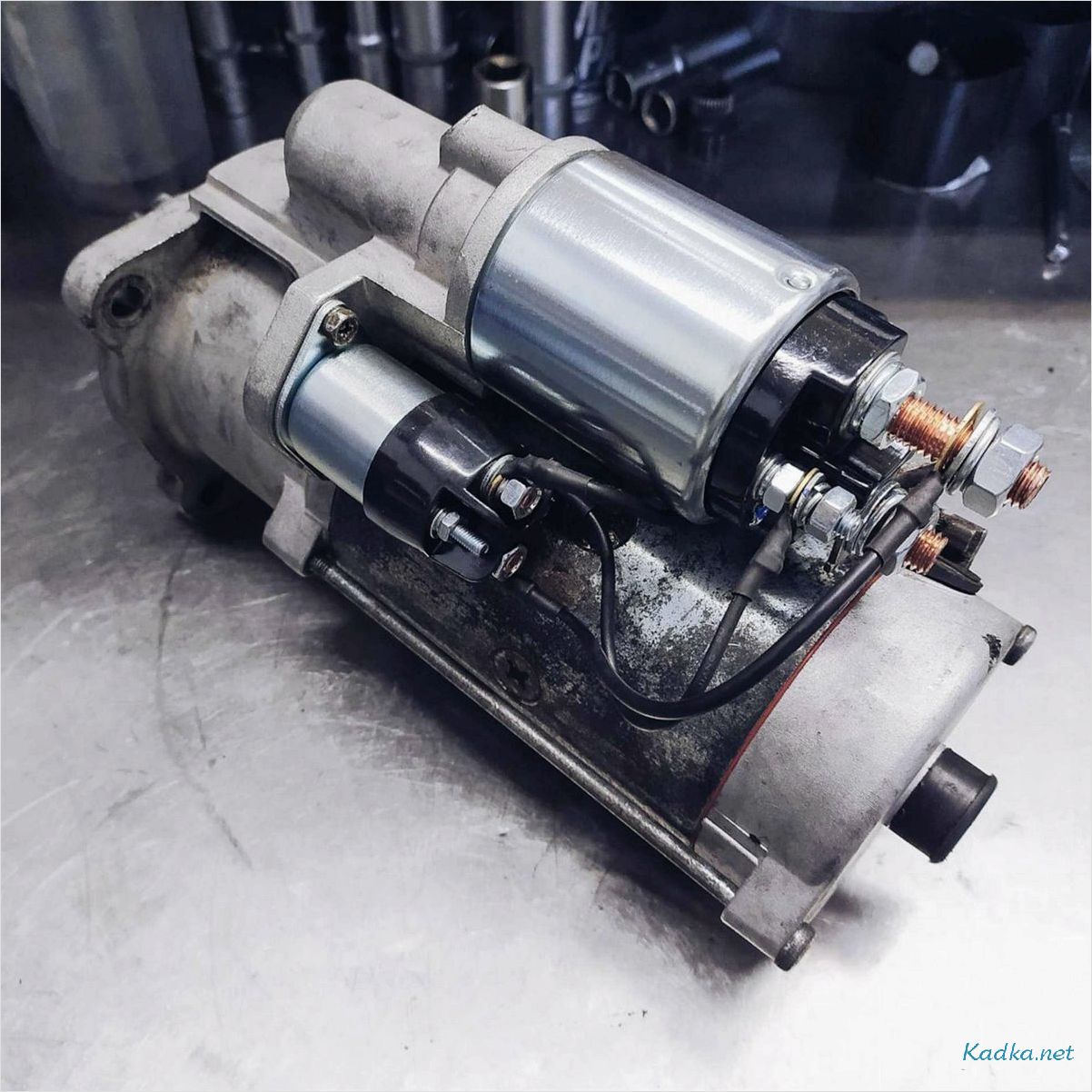
Starters are devices designed to start an internal combustion engine. They are an important part of the car and allow you to start the engine with minimal effort on the part of the driver. However, over time, starters can fail for various reasons.
Contact wear
One of the most common causes of starter failure is contact wear. Starter contacts can wear out due to constant use and friction. When the contacts become worn, they may no longer make proper electrical contact, causing the starter to not operate properly.

Winding damage
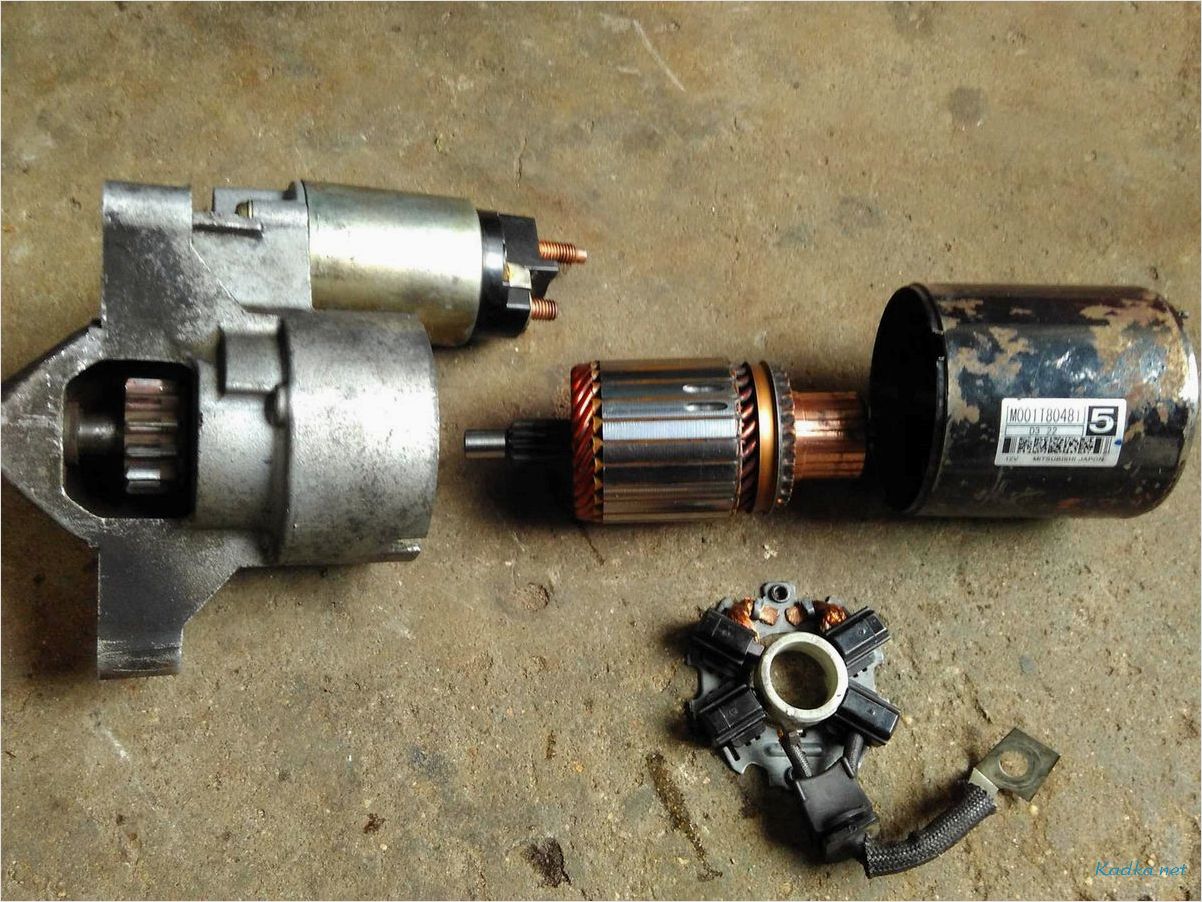
Another reason why starters fail can be damage to the windings. The starter windings can be damaged due to overheating, short circuit or insulation. Damage to the windings leads to improper operation of the starter and its breakdown.
Solenoid problems
The solenoid is the device that controls the flow of current to the starter. Problems with the solenoid can occur due to corrosion of the contacts or wear of the mechanism. When the solenoid is not functioning properly, the starter can fail.
Incorrect installation
Incorrect installation of the starter can also lead to its failure. If the starter is not installed correctly or is not secured properly, it can cause component damage and failure.
Conclusions
Starters can fail for a variety of reasons, including worn contacts, damaged windings, solenoid problems, and improper installation. Regular maintenance and replacement of worn components can help prevent starter failure and ensure proper operation.
Broken electrical contacts
One of the most common causes of starter failure is broken electrical contacts. This can happen for a variety of reasons, including improper operation, wear, or corrosion of components.
Signs of broken contacts
Failure of electrical contacts may be manifested by the following symptoms:
- Difficulty starting the engine;
- Unstable engine operation;
- Clicking noises when trying to start the engine;
- Increased electricity consumption;
- The appearance of smoke or a burning smell.
Reasons for contact failure
Failure of electrical contacts can be caused by the following reasons:
- Contact wear due to long-term use;
- Corrosion of contacts due to exposure to moisture or humid environments;
- Incorrect installation or assembly of contacts;
- Mechanical damage to contacts;
- Short circuit or overload of the electrical circuit.
Fixing broken contacts
To correct broken electrical contacts, you can take the following steps:
- Clean contacts from corrosion using a special solution;
- Replace worn contacts with new ones;
- Check and correct incorrect installation or assembly of contacts;
- Eliminate mechanical damage to contacts;
- Eliminate short circuit or overload in the electrical circuit.
Prevent contact breakage
To prevent damage to electrical contacts, it is recommended:
- Regularly check and clean contacts from corrosion;
- Correctly establish and collect contacts;
- Avoid mechanical damage to contacts;
- Use protection from moisture and humid environments;
- Avoid short circuits and overloading of the electrical circuit.
Table: Steps to fix broken contacts
| Step | Action |
|---|---|
| 1 | Clean contacts from corrosion |
| 2 | Replace worn contacts |
| 3 | Check and correct incorrect installation or assembly of contacts |
| 4 | Eliminate mechanical damage to contacts |
| 5 | Eliminate short circuit or overload in the electrical circuit |
Starter brush wear
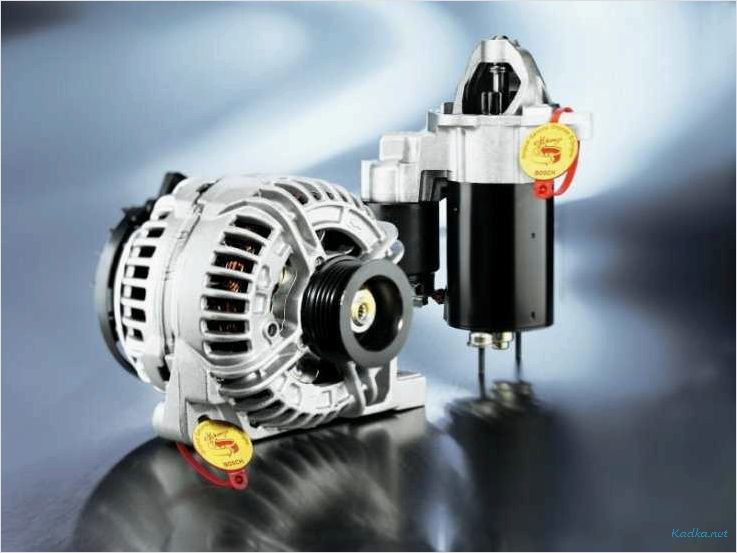
Starter brushes are one of the most important parts responsible for starting a car engine. They are part of the starter’s electrical system and are in contact with the commutators. Starter brushes are made of a special material that ensures reliable and stable operation.
However, over time, starter brushes wear out and require replacement. Starter brush wear can occur for various reasons:
- Natural wear: Constant friction of the brushes against the commutators leads to their gradual wear. This is a natural process and is accompanied by a decrease in the efficiency of the starter.
- Dust and Dirt: The accumulation of dust, dirt and other contaminants on the starter brushes can cause them to wear out and break. Therefore, regular cleaning and maintenance of the starter is important to prevent brush wear.
- Incorrect Connection: Incorrect electrical system connections or incorrect installation of the starter brushes can cause them to wear out quickly.
Signs of worn starter brushes may include the following:
- Difficulty starting the engine.
- Noises and shaking when the starter is running.
- Unstable engine operation.
- Increased energy consumption.
If you notice such symptoms, it is recommended that you contact a specialist to diagnose and replace the starter brushes if necessary.
Starter brush replacement process
| Step | Action |
|---|---|
| 1 | Disconnect the battery and remove the starter from the vehicle. |
| 2 | Gradually unscrew the starter cover and remove the old brushes. |
| 3 | Install new brushes according to their position. |
| 4 | Secure the starter cover and install the starter on the vehicle. |
| 5 | Connect the battery and check the starter operation. |
Remember that replacing starter brushes is a complex procedure that requires certain skills and knowledge. If you are not confident in your abilities, it is better to turn to professionals to avoid possible damage to your car.
Poor nutrition
One of the main causes of starter malfunction is improper power supply. The quality of power directly affects the operation and service life of the starter.
Low voltage
If the voltage in the electrical network is below the nominal value, the starter may have difficulty starting the engine. Low voltage may be caused by a faulty battery, malfunctioning alternator, or problems with the vehicle’s electrical system.
High voltage
High voltage can also negatively affect the operation of the starter. If the rated voltage value is exceeded, overloads and overheating may occur, which leads to rapid wear of starter parts and a decrease in its efficiency. High voltage may be caused by a faulty voltage regulator or other parts of the vehicle’s electrical system.
Unstable voltage
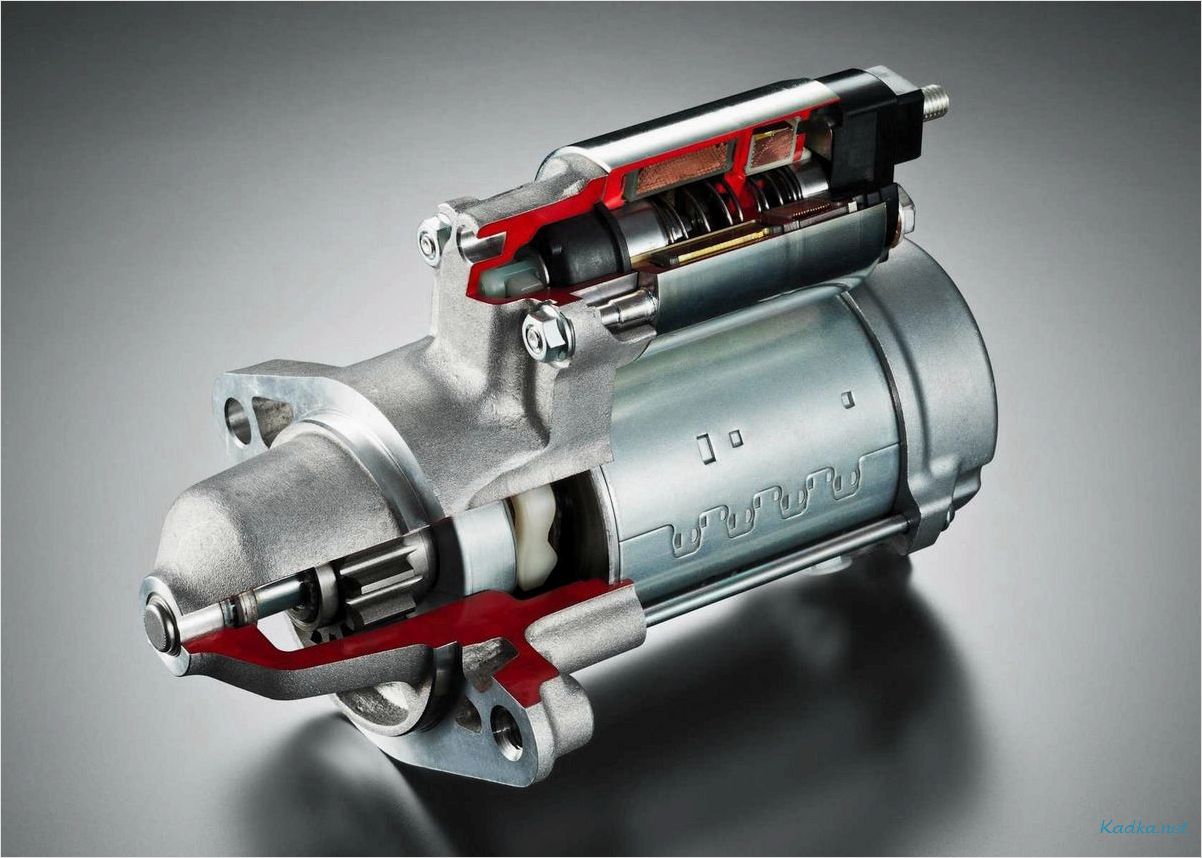
Unstable voltage, which is constantly changing, can also negatively affect the operation of the starter. Constant power surges can damage the electronic components of the starter and reduce its reliability.
Poor grounding
Incorrect or missing grounding of the vehicle can lead to problems with power supply to the starter. Insufficient grounding can cause overheating and overloads, as well as lead to corrosion and oxidation of contacts.
Recommendations for proper nutrition
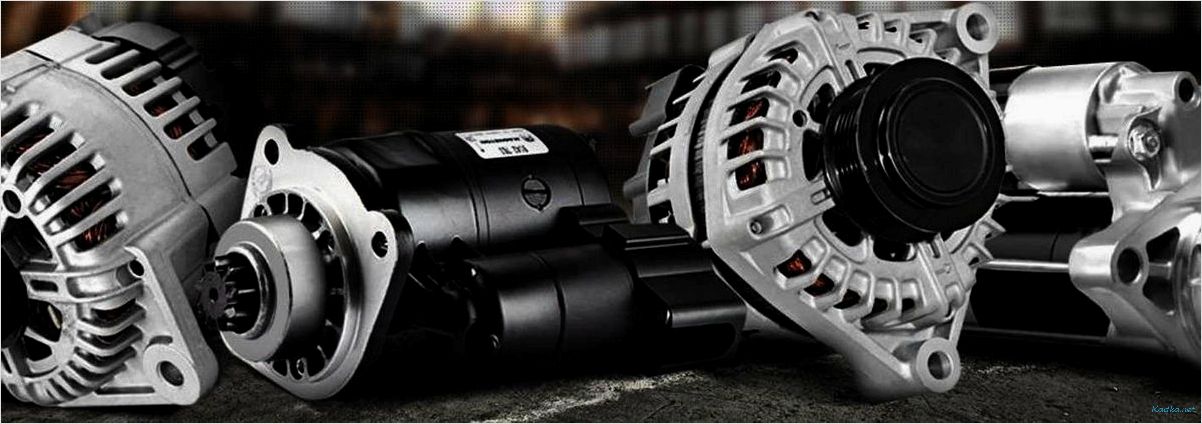
- Check and maintain normal voltage in the vehicle’s electrical network.
- Check the condition of the battery and alternator regularly.
- Pay attention to the quality of the vehicle’s grounding.
- If necessary, replace or repair faulty elements of the vehicle’s electrical system.
Following these recommendations will help ensure reliable power to the starter and increase its service life.
Starter overload
Starter overload is a situation where the vehicle’s starter is subjected to too much stress, which can cause it to break down or malfunction.
Starter overload can be caused by the following:
- Electrochemical corrosion of the starter contacts. With prolonged vehicle operation, oxide can form on the starter contacts, which leads to poor contact and overload.
- Weak battery. If the vehicle’s battery is low or its capacity is reduced, the starter will experience overload when attempting to start the engine.
- Faulty electrical system. If the vehicle’s electrical system is faulty, such as a short circuit or broken wire, the starter may experience overload.
- Incorrect starter installation. If the starter is installed incorrectly or its fasteners are loose, this can lead to starter overload.
Signs of a starter overload may include:
- The starter makes strange noises when attempting to start the engine.
- The starter itself becomes hot during operation.
- The engine starts with difficulty or does not start at all.
To prevent starter overload, it is recommended to:
- Conduct regular inspection and maintenance of the vehicle’s electrical system. Check the battery charge and replace it if necessary.
- Use high-quality parts and accessories when installing or replacing the starter.
- Properly install the starter and check its fasteners.
- If signs of starter overload are detected, it is recommended to contact a specialist for diagnostics and repair.
Dirt and Dust Ingress
Entry of dirt and dust
Dirt and dust accumulation in the starter can cause friction and wear on parts, as well as hinder the mechanism’s movement. As a result, the starter may malfunction or stop working altogether.
To prevent dirt and dust from entering the starter, regular cleaning and maintenance of the mechanism is recommended. This includes the following:
Checking and cleaning the starter vents. The vents are necessary for fresh air supply and cooling of the mechanism, so they must be free of debris. If necessary, the holes can be cleaned using compressed air or a soft brush.
- Cleaning the external surfaces of the starter. Dust and dirt can accumulate on the starter housing, which can cause the mechanism to overheat. It is recommended to regularly wipe the external surfaces of the starter using a soft cloth or special cleaning products.
- Checking and replacing air system filters. Filters are designed to trap dust and dirt, so checking and replacing them regularly will help prevent contaminants from entering the starter.
- Carrying out preventive lubrication. Lubrication of the moving parts of the starter helps reduce friction and wear of parts, and also prevents dirt and dust from entering the mechanism.
- Proper maintenance and preventing dirt and dust from entering the starter will extend its life and ensure reliable operation.
Damage to the starter windings
Damage to the starter windings
However, the starter windings can be susceptible to various types of damage, which can lead to improper operation or complete failure of the device. Let’s look at some of the most common damage to starter windings:
1. Broken windings
1. Broken windings
2. Short circuit of windings
2. Short circuit of windings
3. Winding wear
3. Winding wear
4. Damage to connections
4. Damage to connections
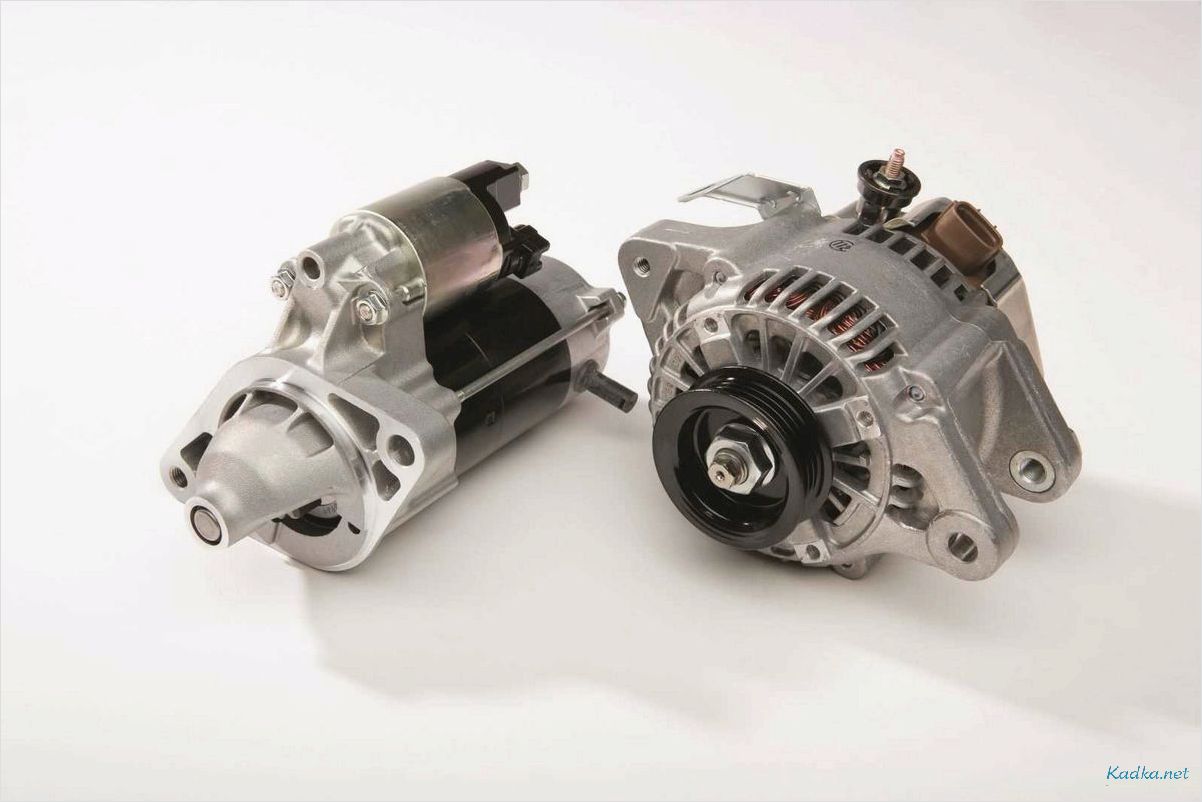
5. Damage to the anchor
5. Damage to the anchor
If any damage to the starter windings is detected, it is recommended to contact specialists to repair or replace the device. Improper repair or operation of a damaged starter can lead to serious consequences, including vehicle engine damage.
Corrosion of terminals and wires
Corrosion of terminals and wires
Causes of corrosion
Causes of corrosion
Exposure to moisture. Moisture can get inside the starter through cracks, crevices, or faulty seals. In the presence of moisture, metal surfaces begin to oxidize and corrosion forms.
- Salt and acids. If the vehicle is driven in cold climates where snow salts are used, this may cause corrosion on the terminals and wires. In addition, acids in the environment can also cause corrosion.
- Mechanical damage. Incorrect installation or damage to terminals and wires during operation can lead to corrosion.
- Consequences of corrosion
Consequences of corrosion
Poor contact. Corrosion creates additional resistance on the contact surfaces, which can lead to poor contact and reduced starter efficiency.
- Damage to wires. Corrosion can cause the wires to deteriorate, causing them to break and break the starter.
- Overheat. Poor connections and damaged wires can cause the starter to overheat, which can lead to its failure.
- Corrosion Prevention
Corrosion Prevention
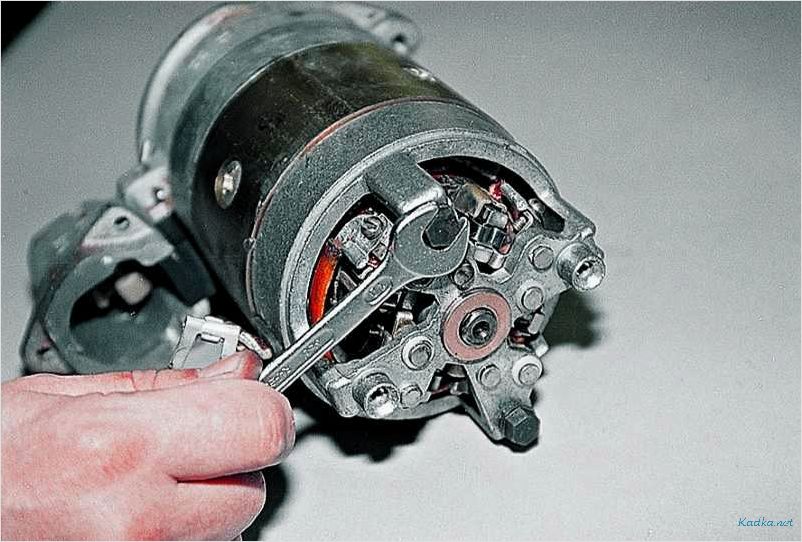
Correct installation. Make sure the terminals and wires are installed correctly and securely.
- Insulation. Protect terminals and wires from moisture and other chemicals by using special insulating materials or gaskets.
- Regular check. Periodically inspect terminals and wires for signs of corrosion and damage. If problems are found, it is recommended to replace damaged parts immediately.
- Preventive treatment. To prevent corrosion, you can use special lubricants or anti-corrosion compounds.
- Conclusions
Conclusions
Incorrect installation and operation
Incorrect installation and operation
1. Incorrect connection
1. Incorrect connection
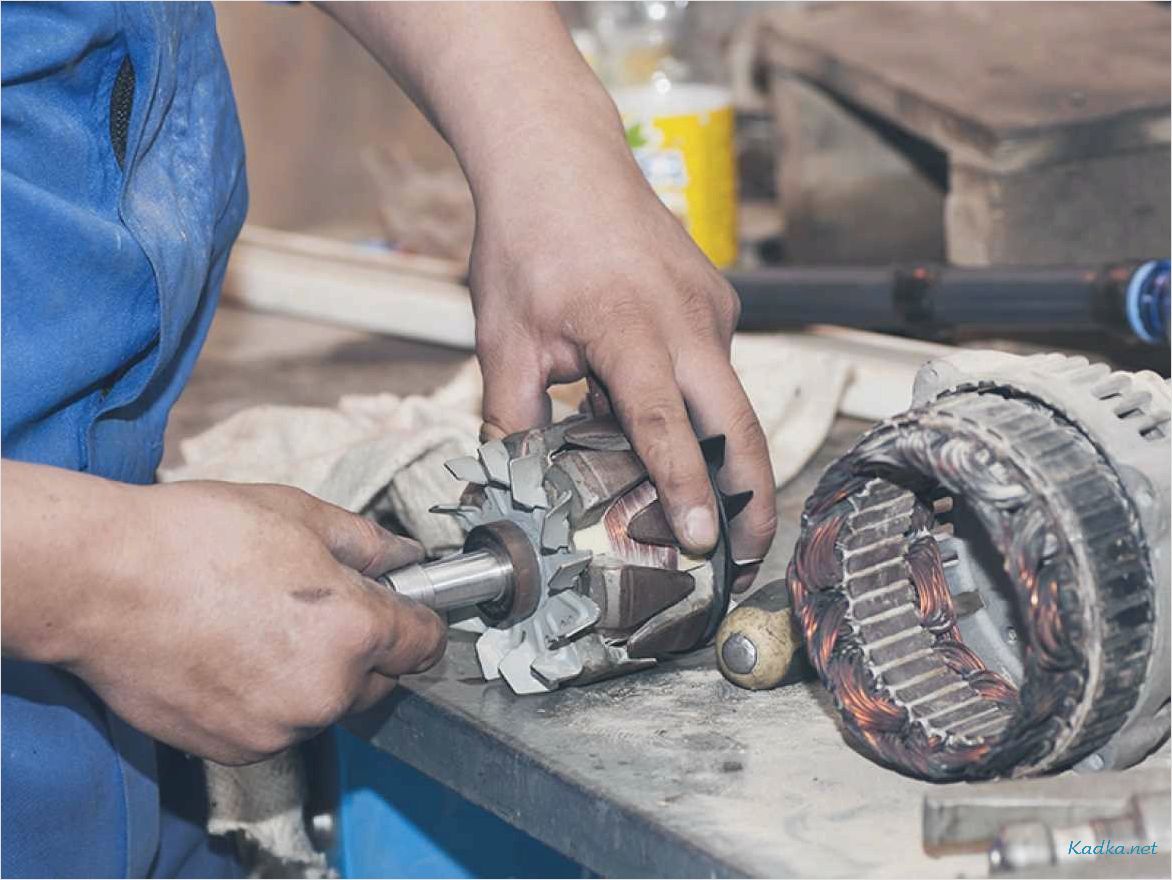
It is recommended to carefully study the starter connection diagram and follow it during installation. The wires must be correctly connected to the corresponding terminals of the starter and battery.
2. Incorrect operation
2. Incorrect operation
Long-term operation of the starter without interruption. Constant load can lead to overheating and damage to the starter.
- Frequent attempts to start the engine. If the engine does not start on the first try, you must allow the starter to cool before trying again.
- Using the starter in high temperature conditions. High ambient temperatures can cause the starter to overheat and fail.
- It is recommended to follow the starter operating instructions provided by the manufacturer. This will help avoid mistakes and extend the life of the starter.
3. Improper maintenance
3. Improper maintenance
It is recommended to follow the starter maintenance instructions provided by the manufacturer. This will help prevent problems and ensure reliable starter operation.
Tips for installing and operating starters:
Advice
| Description | Study the connection diagram carefully |
|---|---|
| Before installing the starter, carefully study its connection diagram and follow it. | Let the starter cool down |
| If the engine does not start on the first try, allow the starter to cool before trying again. | Avoid working in high temperature environments |
| Use the starter only under the conditions specified by the manufacturer and avoid operating in high temperature environments. | Carry out regular maintenance |
| Regularly check the condition of the starter and wires, and carry out the necessary cleaning and lubrication. | Starter repair: everything you need to know and be able to do |