Photo printing and printing: differences, advantages and disadvantages
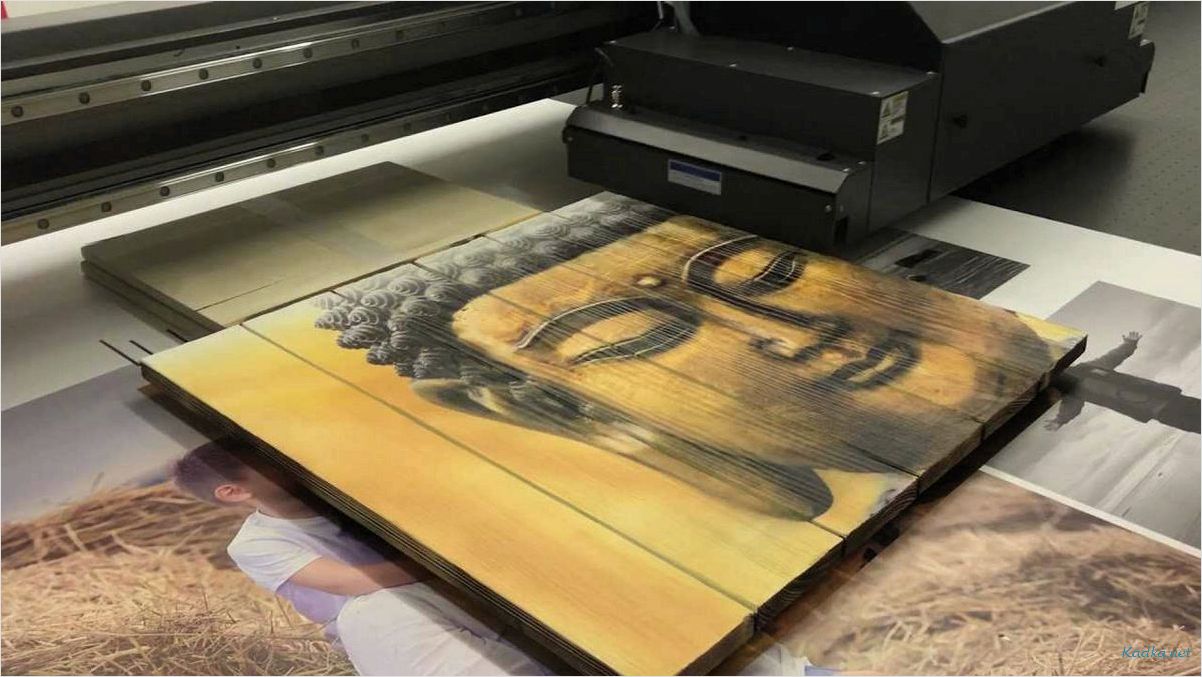
Nowadays, when the visual component plays a huge role in advertising and marketing activities, photo printing and printing are a necessity for business and personal use. There are many printing companies in Zelenograd, but not all of them are ready to provide a quality product.
Contents of the article:

In this article we will look at what methods of photo printing and printing exist, what are the advantages and disadvantages of each of them, as well as how to find a professional company in Zelenograd that can complete the required work on time with millimeter accuracy.
If you want to get high-quality printing of images, flyers, brochures, catalogs, business cards, calendars and other printed products, then this article is for you. We will help you understand the intricacies of the photo printing and printing processes, tell you in detail about the advantages and disadvantages of each method and tell you what to look for when choosing a professional company in Zelenograd.
Photo printing and its work
What is photo printing?
Photo printing is a printing method in which an image is formed using inkjet or laser printers. For this, a special technology is used, which allows you to obtain high-quality images on various materials, such as paper, film, textiles, etc.
How does photo printing work?
During the photo printing process, the image is broken up into many small dots, which are then printed onto the surface of the material using dye or toner. As the printer head moves across the page, dye or toner is applied to the surface, creating a range of colors and producing a high-quality image.
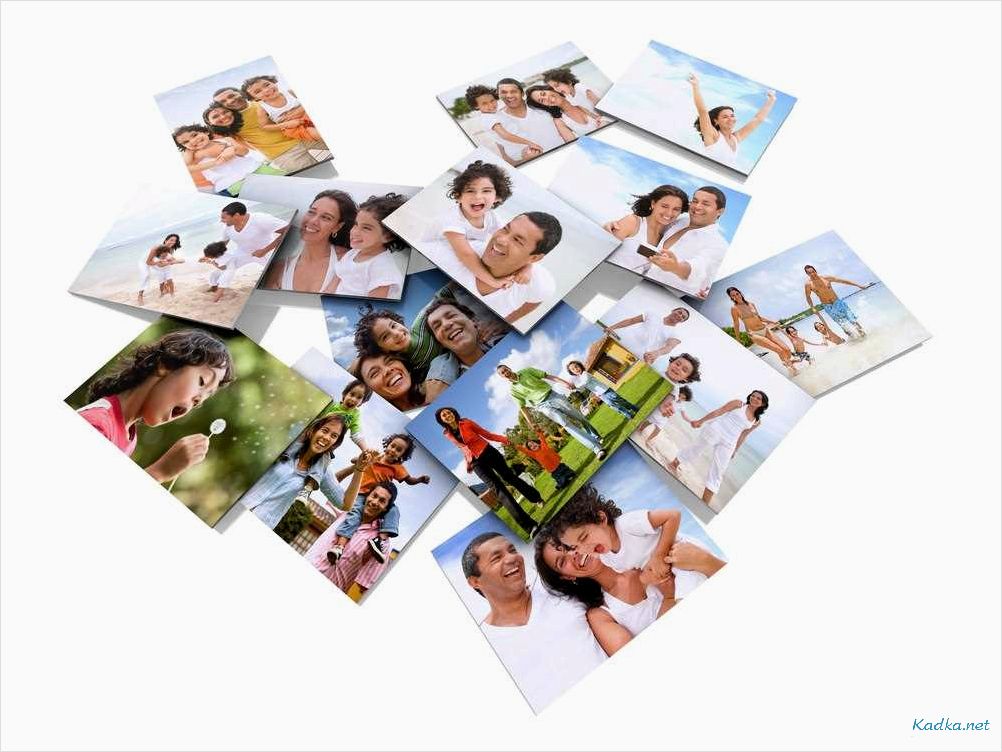
There are a number of companies in Zelenograd that are engaged in photo printing, offering a wide range of services. They can print on both standard papers and specialty papers, such as photo paper, and offer a variety of formats and sizes for printing photos. Photo printing is a very convenient and fast way to obtain a high-quality image on material, and is used both for professional purposes and in everyday life.
The main advantages of photo printing over printing
Photo printing is a modern way of producing printed images on various materials, such as paper, textiles, plastic, etc. It has a number of advantages over polygraphic printing that make it more effective for many types of tasks.
- Image quality: Compared to print printing, photo printing produces clearer, brighter images. This is especially important for printing photographs and high-resolution images.
- Material flexibility: Photo printing can be done on a wide range of materials, including textiles, ceramics and even metal. This makes it more versatile to use.
- Speed and savings: photo printing allows you to receive printed products in a short time and at minimal cost, which makes it more cost-effective and beneficial for small orders.
- Personalization: Photo printing allows you to create unique images and products with personalized motifs and logos. This is especially important for branding and marketing.
- Ecological production: unlike many other types of production, photo printing does not lead to environmental pollution and is more environmentally friendly.
Overall, photo printing is an efficient, economical and versatile way to produce printed images for a variety of purposes. Thanks to its advantages, it is becoming more and more popular and in demand both in business and in everyday life.
Printing: types and features
Offset printing
Offset printing is the most common type of printing. This method involves transferring an image from a printing plate to an elastic band and then onto the paper material.
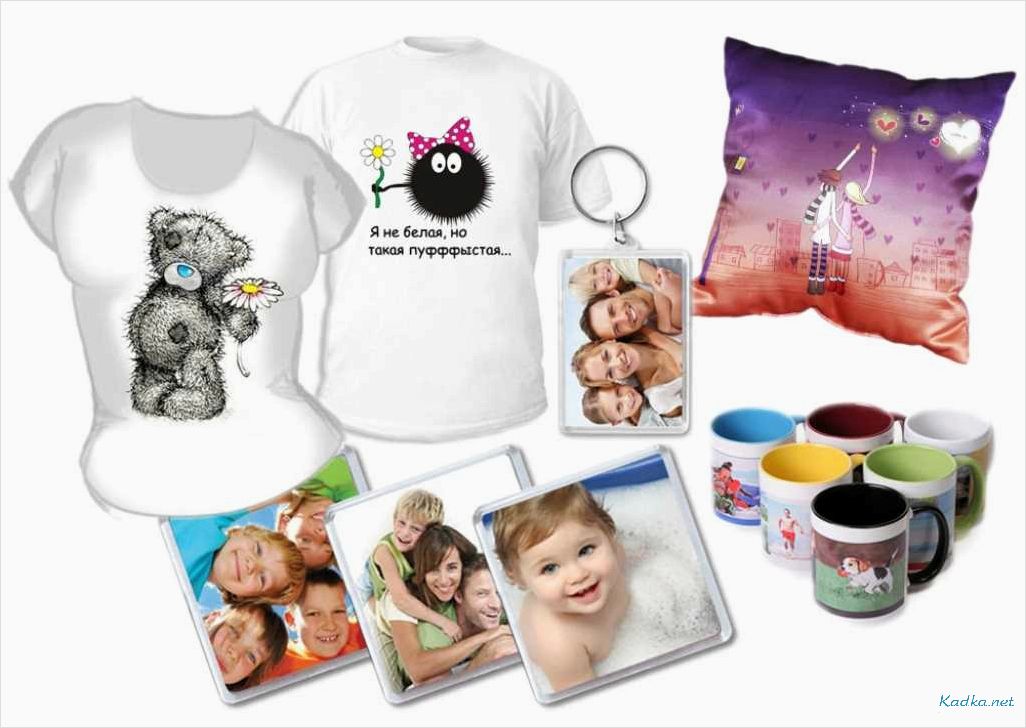
Offset printing is high-tech and allows you to get high-quality results when printing both large runs and small orders. In Zelenograd there are centers equipped with modern equipment for offset printing.
Digital printing
Digital printing is a technology in which an image is formed directly on the material. Digital printing can also be used to print small orders, various large-format images, banners and posters.
There are specialized digital printing centers in the city of Zelenograd, where you can order high-quality, fast and economical printing on various materials.
Sieve printing
Sieve printing is a printing method that uses a stencil made of microscopic holes. This printing method is most often used in the production of promotional products.
There are enterprises in Zelenograd where you can order printing of any images and fonts of varying complexity on various materials using screen printing technology.
Features of digital printing and its application in Zelenograd
What is digital printing?
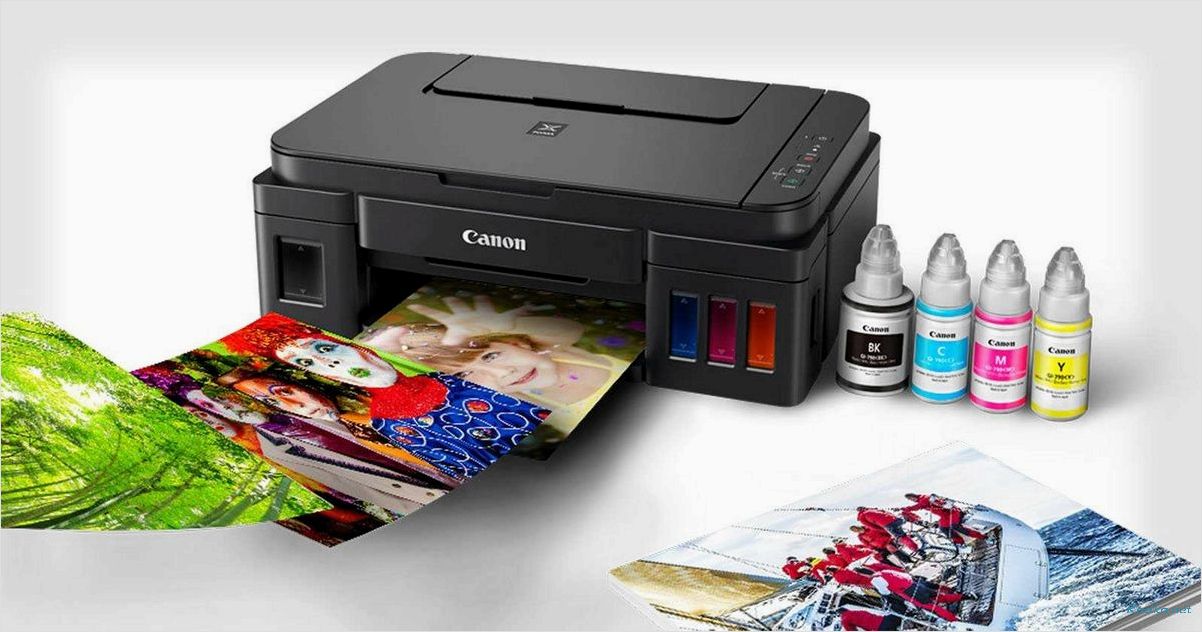
Digital printing is a technology for printing images on paper or other materials using digital data instead of photomasks and photocopiers. It is used in numerous applications, from photo printing to labels and packaging, as well as in the printing industry.
Benefits of digital printing
Digital printing has a number of advantages over traditional printing. It allows you to print from any medium without requiring large print runs. This significantly reduces production costs for small runs. It also allows you to produce a variety of formats, including offset printing, color printing and T-shirt printing.
Application of digital printing in Zelenograd
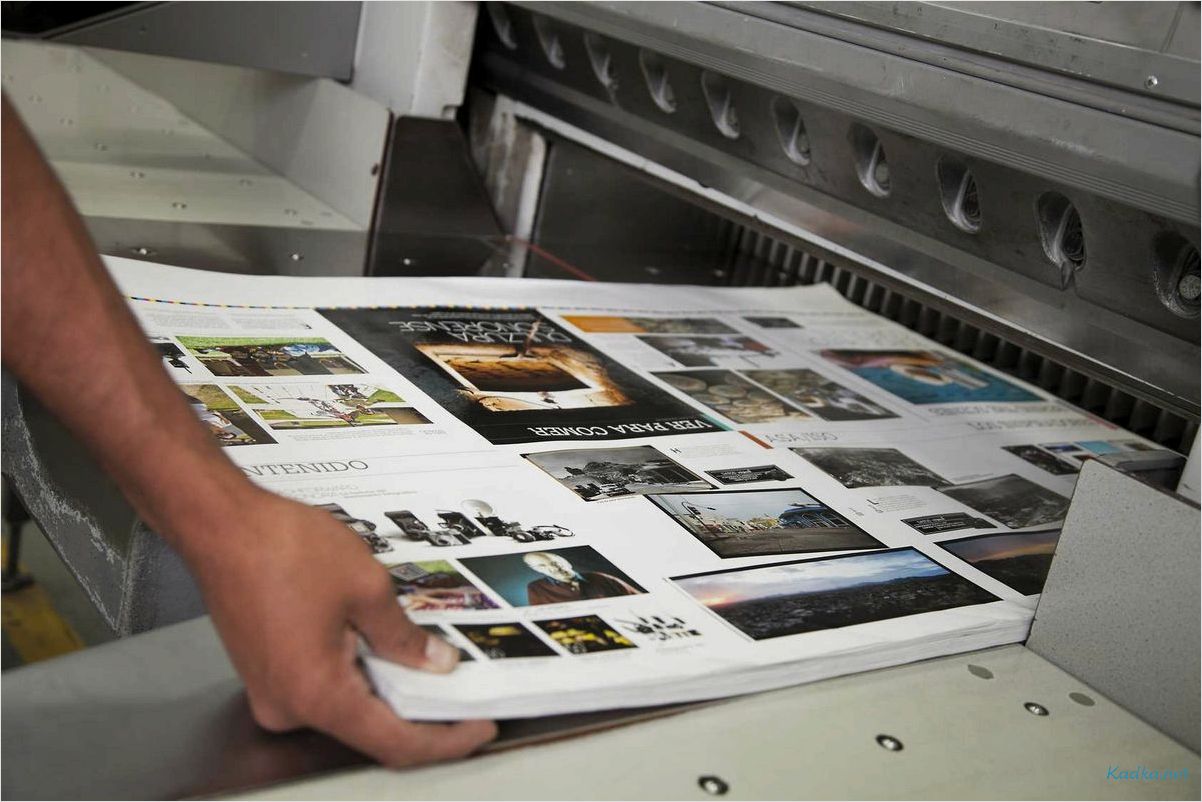
In Zelenograd, digital printing is used in various fields. First of all, digital printing is used in the field of printing. It allows you to print high-quality advertising booklets, business cards, brochures and other materials. It is also used in the production of labels and packaging. In addition, digital printing allows you to create individual projects such as personalized photo books, postcards and souvenirs, which is an important advantage photo printing in Zelenograd
Offset printing: what is it and where is it used?
Offset printing is a printing method used to create high-quality prints on large quantities of paper. Unlike photo printing, where a digital image is printed directly onto the surface of the paper, the offset method is based on the use of printing dies, which subsequently imprint the image onto the paper.
Offset printing is used mainly in industry to create large quantities of printed materials such as magazines, books, brochures, catalogs, etc. Such work requires consistent and high quality printing at high speeds, and the offset method is ideal for this purpose. In addition, offset printing is also used to create high-quality color products, including promotional materials, posters and stickers.
High-quality offset printing requires skilled professionals and high-quality equipment, which makes this method more expensive than other printing methods, including photo printing. However, due to its high quality and productivity rates, offset printing remains a popular method for printing printed materials.
Printing on fabric: technology features and application possibilities
Photo printing on fabric – new opportunities for creative projects
Printing on fabric is an important step in the creation of many products, from clothing to textile stickers. One of the most advanced technologies is photo printing, which allows you to create high-quality images on any fabric, be it cotton, silk or polyester.
Photo printing on fabric is not only the ability to print an image on fabric, but also to do it with high quality. This printing method provides brightness and contrast of colors that remain on the material for a long time with proper care. In addition, photo printing allows you to print on fabric with photographic quality.
Possible applications
Photo printing on fabric is not only the creation of designer clothes, but also the opportunity to create high-quality and bright branded products for business. By adding logos or colorful illustrations to T-shirts, bandanas and backpacks, you can easily and effectively advertise your company.
Photo printing on fabric can also be used to create unique interior elements. For example, you can print images from your own photographs on fabric panels and decorate your room or office with them. You can also create unique children’s playhouses or holiday decorations this way.
How to choose the right print type for a specific task
Photo printing is one of the most popular printing types used to create high-quality photographs. However, this type of printing can also be used for a variety of other purposes. How to choose the right printing type for a specific need?
- First, determine the purpose of your print. If you need to create a high-quality photograph, choose photo printing.
- If you need to print a large number of documents or posters, it may be better to use graphic printing.
- If you are unsure which printing type is right for your needs, consult with a specialist. They can help you determine the optimal solution for your needs.
Also, when choosing a printing type, remember to consider factors such as the size, material, and style you desire. For example, photo printing is best suited for printing on photo paper, while graphic arts printing can be used for printing on a wider range of materials.
Also, keep in mind that the choice of printing type can impact the cost of your project. Some printing types are more expensive than others, so choose a printing type that fits your budget.
How to prepare a layout for printing and avoid mistakes
Step 1: Check the size and resolution
Before sending your layout to print, make sure it is the correct size and resolution. The size must match the requirements for your order, and the resolution must be at least 300 dpi. If the layout size and resolution do not meet the requirements, the order may be rejected.
Step 2: Check the Color Scheme
If you want your photo or graphic arts print to look the same as on-screen, ensure the layout is correctly adjusted for color gamut. For example, if you use an sRGB color profile, ensure your layout is saved with the same profile. If you’re using a program that doesn’t support color profiles, set the correct color settings for printing.
Step 3: Review your design before printing
Before sending your design for printing, always view it on a large screen or print a test version. This will help identify possible errors and correct them before printing. Understanding how your layout looks in reality will help you avoid unexpected results and disappointments.
Step 4: Use the correct formats
To avoid mistakes when you send your design to print, make sure you use the correct file formats. Some of the most common file formats for printing are PDF, EPS, TIFF. It is also important to make sure that all necessary fonts and images are included in the layout.
If you live in Zelenograd or its surroundings, contact professionals in the field of photo printing and printing to get high-quality results.