Glazing of cottages and country houses, modern solutions, thermal insulation and protection from weather conditions
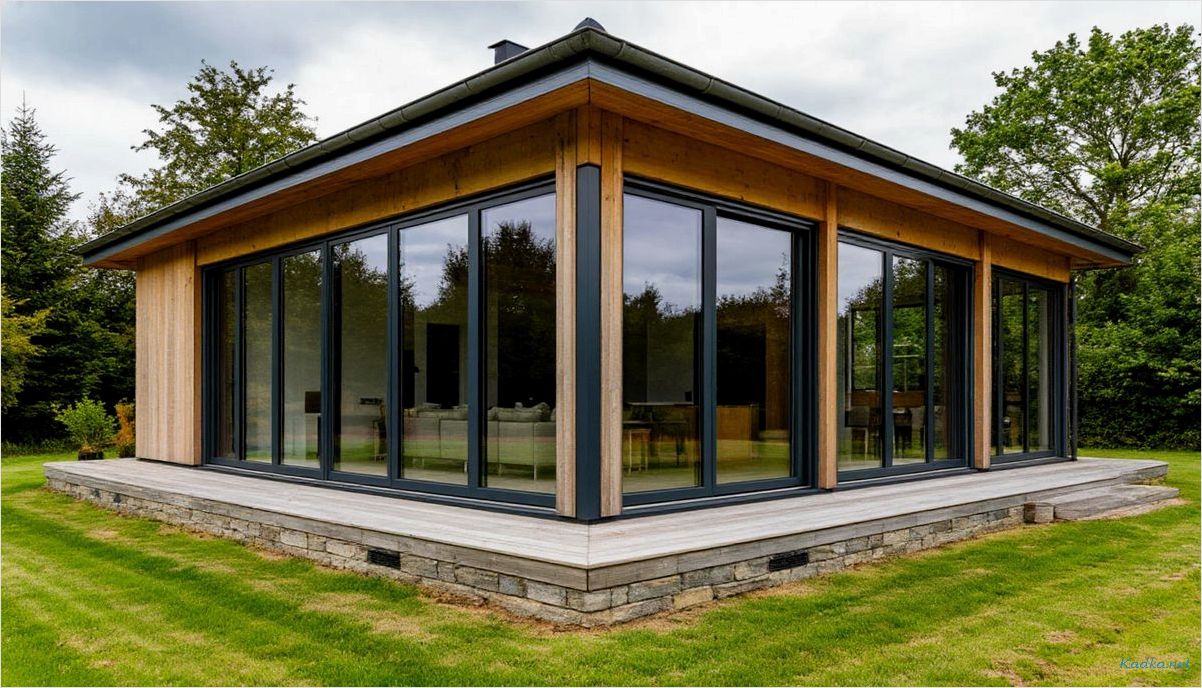
To create a comfortable and bright interior of a country house, choose aluminum glazing for a country house. This material provides excellent strength, minimal thermal conductivity and corrosion resistance, which is especially important in changing climates.
Contents of the article:
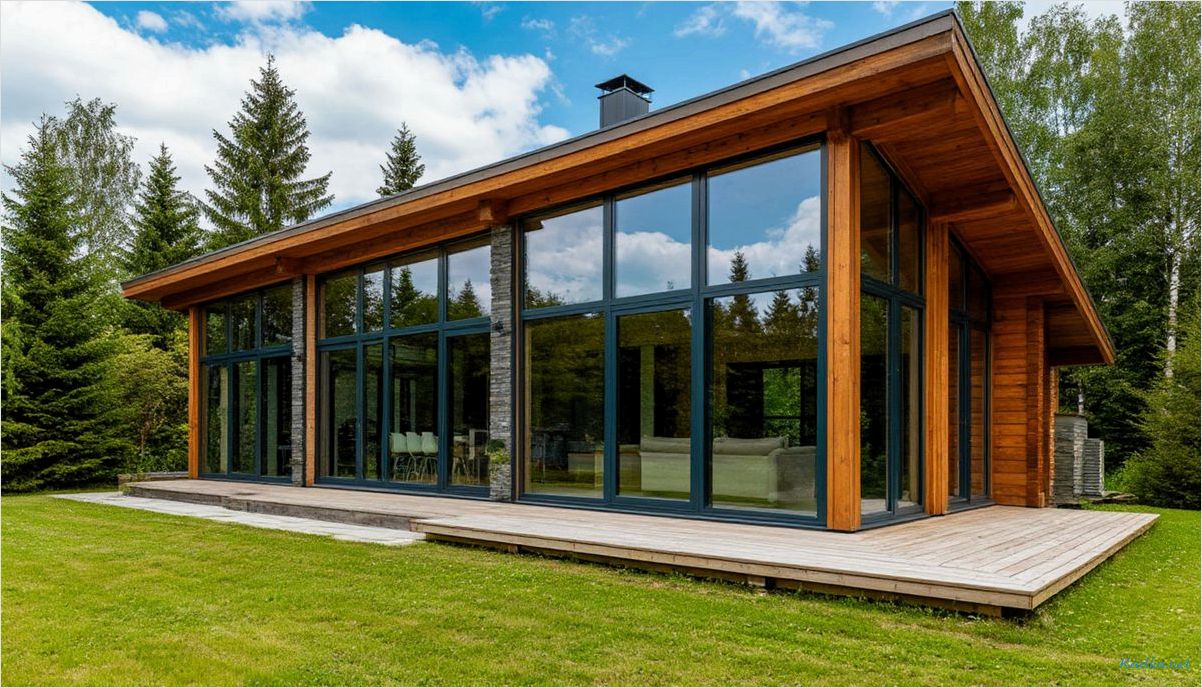
One of the popular solutions is panoramic glazing with aluminum frames. It allows maximum use of natural light and fits seamlessly into the modern architectural style. At the same time, aluminum easily adapts to various shapes and sizes of window structures.
In addition to classic glazing, it is worth considering sliding systems on aluminum profiles. They provide convenient access to the terrace or veranda and at the same time perform the function of energy saving and sound insulation. This option is especially suitable for families who value a combination of aesthetics and practicality.
Choosing materials for windows and doors: the pros and cons of wood, PVC and aluminum
For durable and beautiful glazing of a country house, wood is perfect for those who value environmental friendliness and natural texture. Wooden windows and doors have high thermal insulation, which helps maintain indoor comfort. However, wood requires regular care and treatment against moisture and insects, and is also susceptible to deformation due to sudden temperature changes.
PVC windows and doors are attractive due to their ease of installation and minimal maintenance costs. They do not rot, are UV resistant and have good energy-saving characteristics due to their multi-chamber design. However, PVC is less durable compared to wood and aluminum, is prone to fading and loses its appearance due to mechanical damage.
Aluminum glazing of a country house stands out for its strength and lightness of construction. Aluminum does not rust or deform, allowing you to create large translucent surfaces with thin frames. This material is excellent for modern architectural solutions, but requires a high-quality thermal break insert to avoid freezing and condensation. In addition, aluminum has a higher thermal conductivity than wood and PVC, so profiles with insulation are chosen.

The final choice depends on your priorities: wood is best for warm, classic interiors, PVC is a budget-friendly and low-maintenance option, and aluminum glazing for a country house, with all its advantages and nuances, is ideal for modern, minimalist projects.
Features of warm and cold glazing of verandas and terraces
For efficient use of your veranda or terrace, choose warm glazing if you plan to spend time there during the cooler months. Warm glazing includes double-glazed windows with an energy-saving coating and high-quality seals that retain heat and reduce noise.
Cold glazing is suitable for areas that don’t require a constant microclimate, such as seasonal use or plant storage. It most often uses single pane glass or lightweight aluminum frames without a thermal break, simplifying installation and reducing costs.
Aluminum glazing for a country house offers the advantage of lightweight construction and durability. For warm glazing, choose profiles with thermal bridges, which prevent heat loss and condensation. For cold systems, thinner profiles can be used, reducing weight and cost.
When installing warm glazing, it’s important to pay attention to the ventilation system—it prevents moisture accumulation inside the room. In cold systems, ventilation is less critical, but still recommended for a comfortable microclimate.
Consider aluminum glazing as a reliable solution for terraces and verandas, taking into account the climate conditions and the intended use of the space. A warm option will provide comfort in the off-season, while a cold option offers simplicity and savings without significant losses in energy efficiency where acceptable.
Installation Technologies: Tips for Installing and Sealing Insulated Glass Units
Begin installing insulated glass units by accurately measuring the opening and adjusting the frame, taking into account the thermal expansion of the materials. Proper fastening ensures the stability of the structure and its durability. Use concealed fasteners or anchor bolts if installing into a brick or concrete wall.
It’s essential to install plastic or polystyrene foam spacers under the frame to compensate for unevenness and prevent thermal bridges. This is especially important for aluminum glazing in country houses, where metal transmits cold more easily than wood or PVC.
Perform sealing in two stages: the inside of the window is treated with a vapor-tight sealant to protect against condensation and moisture inside the room. Fill the external seam with vapor-permeable materials – mounting foam and acrylic sealant to prevent the accumulation of moisture and avoid destruction of the facade.
Observe the temperature regime when applying sealants – most repair compounds harden effectively at +5–+30 °C. For a reliable seal, use polyethylene foam tapes between the frame and the wall, reducing vibrations and extending the service life of the glazing.
When installing aluminum glazing in a country house, provide a thermal break in the profile and install warm mounting blocks. They minimize heat loss and prevent the formation of condensation on the inner surface of the glass.
The final stage is checking the operation of the valves for ease of opening and tightness of closure. Regularly inspect sealants and seals and promptly repair damage to maintain the tightness and functionality of the window system.