Practical Tips for Confidently Mastering Motorcycle Riding Skills
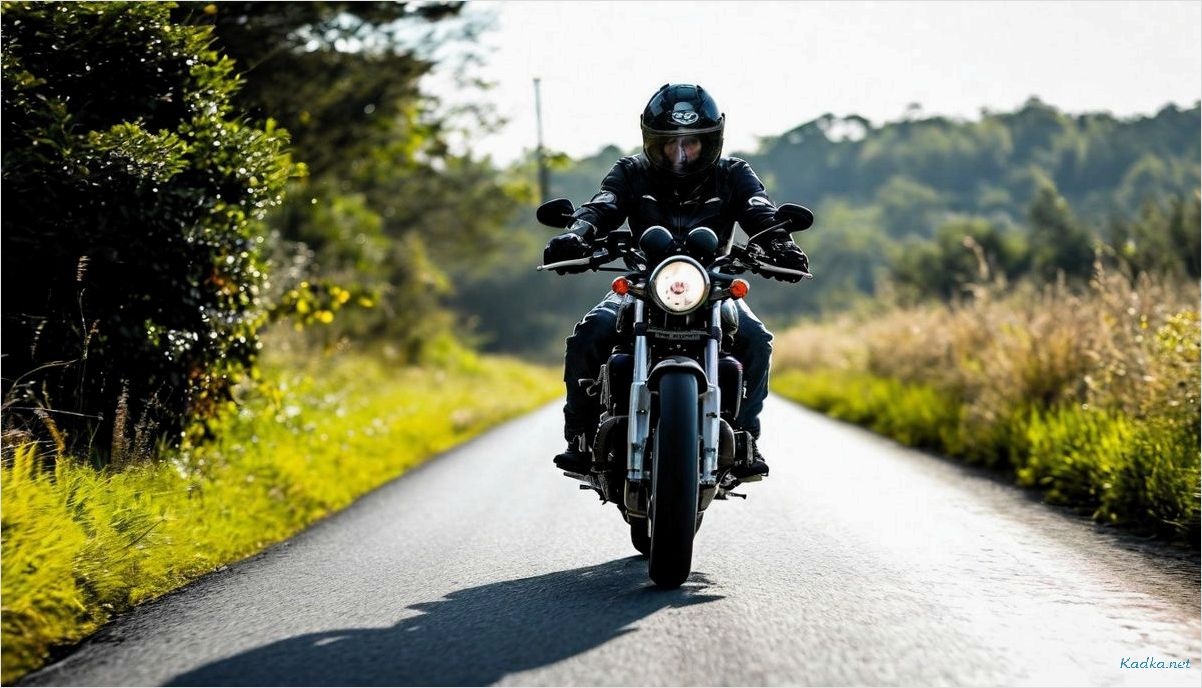
The first thing you should do before starting motorcycle training is choose the right motorcycle school. Make sure the school is licensed, has professional instructors, and has positive student reviews. Learning from trusted professionals will significantly reduce the time it takes to master the skills and ensure a safer riding experience.
Article Contents:
At the outset, it’s important to master the basic theory, including traffic rules, motorcycle handling, and handling in challenging driving situations. Motorcycle schools often offer theoretical lessons combined with practical training. This allows for a better understanding of the connection between theory and real-world riding.
An important part of the training program is choosing a motorcycle that is appropriate in terms of height, weight, and power. Beginners are advised to practice on models with a smaller engine displacement, as they are more forgiving and easier to control. Your instructor will help you choose a motorcycle that suits your physical characteristics and skill level.
Don’t forget to wear the right gear: a helmet, gloves, a motorcycle jacket, knee pads, and protective boots are essential for a safe learning experience. Experienced motorcycle schools often provide equipment during training, which is convenient and beneficial for beginners.

Gradually mastering steering, braking, and cornering techniques will help you feel confident behind the wheel. Pay special attention to practicing emergency braking and low-speed maneuvering—these skills are often underestimated, although they are crucial for safety.
Regular training on the training ground under the careful supervision of an instructor will reinforce key skills. Once you feel confident, you can move on to practical rides on real roads under supervision.
Choosing a Suitable Training Site and Equipment
Key Criteria for Choosing a Location
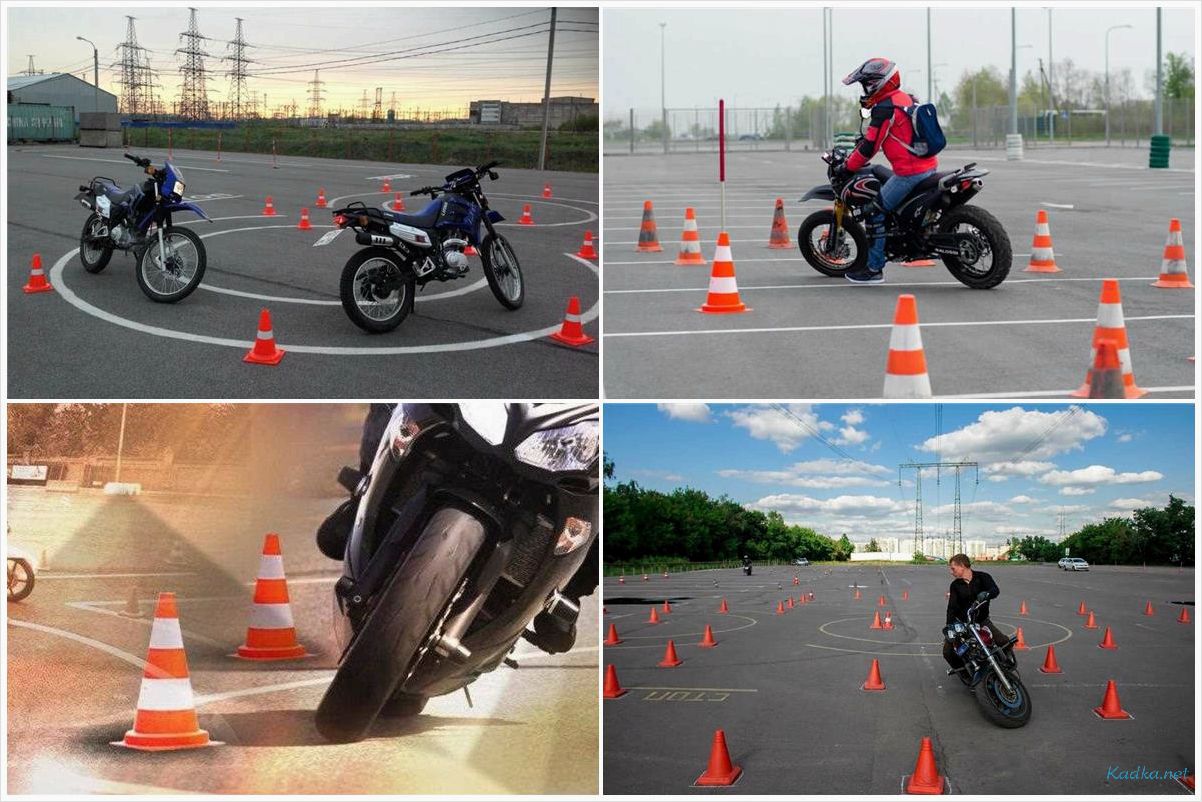
Ensure that the site is located away from residential areas and has sufficient space to maneuver safely. The minimum area must be at least 20×40 meters. The presence of markings for zigzag, figure eight and other basic elements of the training course will significantly speed up the learning process. Pay attention to the lighting of the area if classes are planned in the evening.
Necessary Equipment
For a quality workout, use a motorcycle that matches your skill level. For beginners, light and controllable motorcycles with a small engine capacity in the range of 125–250 cc are suitable. see Check the technical condition of the motorcycle, especially the serviceability of the brakes and clutch. It is recommended that you purchase or rent equipment that includes a safety-certified helmet (such as ECE or DOT), gloves, jacket, knee pads, and boots. Carefully ensure that the equipment is correctly selected in size – this affects the comfort and safety of the workout.
Using additional accessories, such as cones or marking marks, will help you practice maneuvers more accurately. Before starting classes, we advise you to seek advice from the nearest motorcycle school – its specialists will help you choose the optimal motorcycle and offer training areas that meet established standards.
Basic motorcycle handling skills: starting, stopping, turning
Stopping requires confident and consistent execution of actions. Apply the rear brake first, then apply the front brake with even force. Keep the steering wheel straight and the body tilted to avoid skidding. Depress the clutch before coming to a complete stop and shift into neutral immediately after stopping. If the training ground is provided motorcycle school , ask your instructor to practice emergency stops to improve your response.
When turning turns, reduce your speed in advance, braking before starting the maneuver. As you enter a turn, lower your body and bike toward the turn, but maintain a neutral gaze as you exit the turn. Balance between throttle and bike position is key: avoid sudden throttle or braking to avoid losing traction. In the first training sessions, train on calm curves, move on to narrow and sharp turns later.
Practice each of the above steps in a closed area. You can find such a place through a motorcycle school, where conditions are completely safe, and professional advice will help speed up your development.
Working Through Common Mistakes of Beginner Motorcyclists
Don’t neglect learning proper braking. One of the most common mistakes is slamming on the front brake abruptly, which can lead to loss of balance. Initially, practice distributing force evenly between the front and rear brakes. Use an empty area or lessons at a motorcycle school to reinforce this skill.
Incorrect use of your eyes can lead to incorrect maneuvers. Look in the direction of travel, not down the motorcycle’s wheels. During training, focus on distant orientation; this will help you navigate turns smoothly and safely.
Lack of attention to speed selection on turns is common. Many beginners enter turns too quickly, forgetting that they need to slow down before, not during, the maneuver. Practice slowing down before turning in a safe area to avoid such situations on the road.
Another mistake is ignoring training or trying to master everything on your own. A quality motorcycle school will help you avoid developing bad habits. Listen to your instructors’ advice to progress faster and feel more confident on a motorcycle.