Organizing and Managing an Efficient Vegetable Warehouse
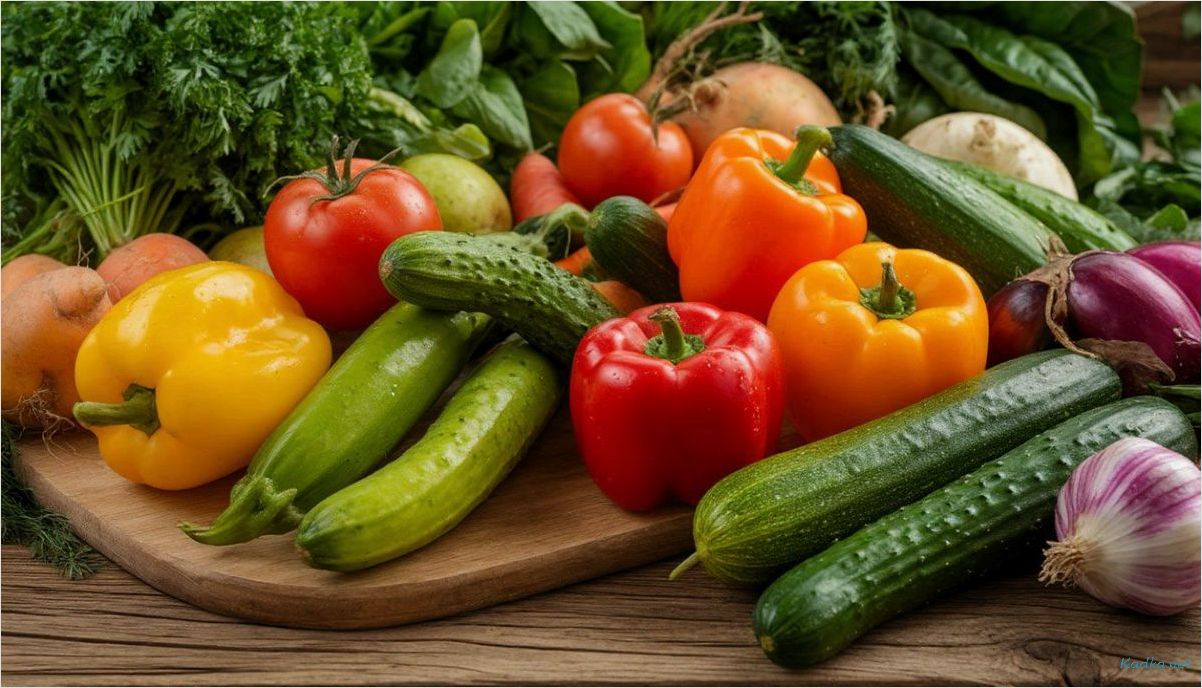
To effectively operate a vegetable warehouse, it’s important to develop a clear logistics plan that includes supply control, storage, and shipping of products. This begins with selecting a suitable location to reduce transportation costs and ensure easy access for suppliers and customers. The primary focus should be on storage conditions that will preserve the freshness of vegetables for a long time.
Article Contents:
Separate warehouse spaces by product type: this will simplify sorting and maintaining temperature control. For example, root vegetables require cooler conditions, while berries need to be stored at even lower temperatures with controlled humidity. Modern monitoring systems help track changes in real time, preventing potential losses due to improper storage conditions.
Organizing document flow is no less important. Automated warehouse management will significantly reduce the likelihood of errors during receiving, inventory, and shipping. Use barcoding and warehouse management systems (WMS) to expedite the processing of large volumes of products. Even with minimal volumes, such solutions can help optimize daily processes.
Keep sanitary standards in mind: regular disinfection of premises and quality control of incoming goods minimize the risk of product spoilage. Additionally, ensure proper packaging, especially if products are being prepared for long-distance shipping. It’s also important to maintain relationships with trusted suppliers to ensure a reliable supply of fresh vegetables year-round.

Warehouse layout and equipment for storing vegetables
Maintain proper zoning of warehouse space, designating areas for receiving, sorting, storing, and shipping vegetables. This minimizes cross-flow, simplifies logistics, and improves sanitary conditions. Optimal layout helps eliminate delays and reduce product loss.
Choose shelving systems based on the type of vegetables. Well-ventilated metal structures are ideal for root vegetables, while cabbage and other bulky vegetables are best stored on pallets. Shelving levels should be adjustable to allow the warehouse to adapt to changing product mix.
A climate control system is an important element of the equipment at the vegetable warehouse on Sofiyskaya Street. Create independent zones with different temperatures and humidity levels for storing individual vegetable groups. For example, a temperature of 0–2°C and a humidity of 90–95% is ideal for carrots and onions, while potatoes require a temperature of 4–6°C Ventilation and gas exchange control systems prevent the accumulation of carbon dioxide and other undesirable substances, which is especially important for long-term storage of vegetables in sealed areas. Automating these processes not only improves storage quality but also reduces labor costs provide warehouse areas with high-quality lighting: LED lamps are ideal, as they don’t heat up and won’t damage the produce. Lighting for each area should be tailored to its intended purpose: sufficient overall brightness for storage, while ensuring maximum visibility for sorting.
Developing a product tracking system using barcodes or RFID tags speeds up inventory control and ensures control over product movement throughout the warehouse. This will prevent overcrowding in storage areas and simplify shipping operations.
Use modern transport equipment for cargo handling: electric forklifts, stackers, and conveyors. These will speed up work and ensure safe product movement, preventing damage to packaging and goods. Pay special attention to the quality of the equipment’s wheels to ensure easy movement within the warehouse.
Logistics: Receiving, Sorting, and Distribution of Products
For optimal operation of your vegetable warehouse, organize your product receiving process based on seasonality and delivery volumes. Clearly separate areas for unloading, initial inspection, and temporary storage to avoid delays and confusion. Use barcode scanners or RFID tags for rapid batch control.
Logistics: Receiving, Sorting, and Distribution of Products
After acceptance, immediately organize the sorting of products into quality categories, sizes and types. Prepare clear instructions for employees to minimize errors. To improve quality control, implement automated picking systems on the sorting line or use conveyor belts with manual finishing capabilities. This will speed up the process and preserve the commercial properties of vegetables.
Sorting and Quality Control
Consider customer specifics and packaging requirements. To distribute products, segment orders in advance by geographic area and delivery time. Inventory on a daily basis will avoid delays in shipment and overcrowding of the warehouse. Use a WMS (warehouse management system) to create shipping routes and optimize logistics. This will reduce transport costs, improve delivery times and ensure product safety.
Distribution and Shipment Planning
System of accounting and quality control of vegetables at all stages of work
Create a centralized accounting system based on modern technologies for identifying and labeling products. Use unique barcodes or RFID tags for each batch of vegetables. This will allow you to track the movement of goods from the moment of acceptance to the moment of shipment, as well as record quality data at each stage.
Vegetable Quality Control and Accounting System at All Stages
Organize regular spot checks of stored vegetables. Use real-time temperature and humidity sensors to monitor storage conditions. Connect your equipment to a centralized system to quickly respond to deviations from specified parameters.
At the sorting stage, implement automated lines with computer vision systems. This will make it possible to more accurately assess product quality without the human factor. Use pre-programmed algorithms to sort by grade and maturity, speeding up the processing of large volumes.
Before shipping, conduct a final inspection based on the selected quality parameters. Provide traceability so customers can see the origin of the product and the inspections it has passed.
Focus on employee training. Regularly conduct training on quality standards and equipment operation. This will reduce the likelihood of errors during inventory and inspection.
All these measures will improve the quality of product management at your vegetable warehouse, minimizing losses, improving the customer experience, and increasing trust in your products.
Organizing and Managing an Effective Vegetable Warehouse
Organizing and Managing an Effective Vegetable Warehouse