Office Renovations to Create a Comfortable and Functional Workspace
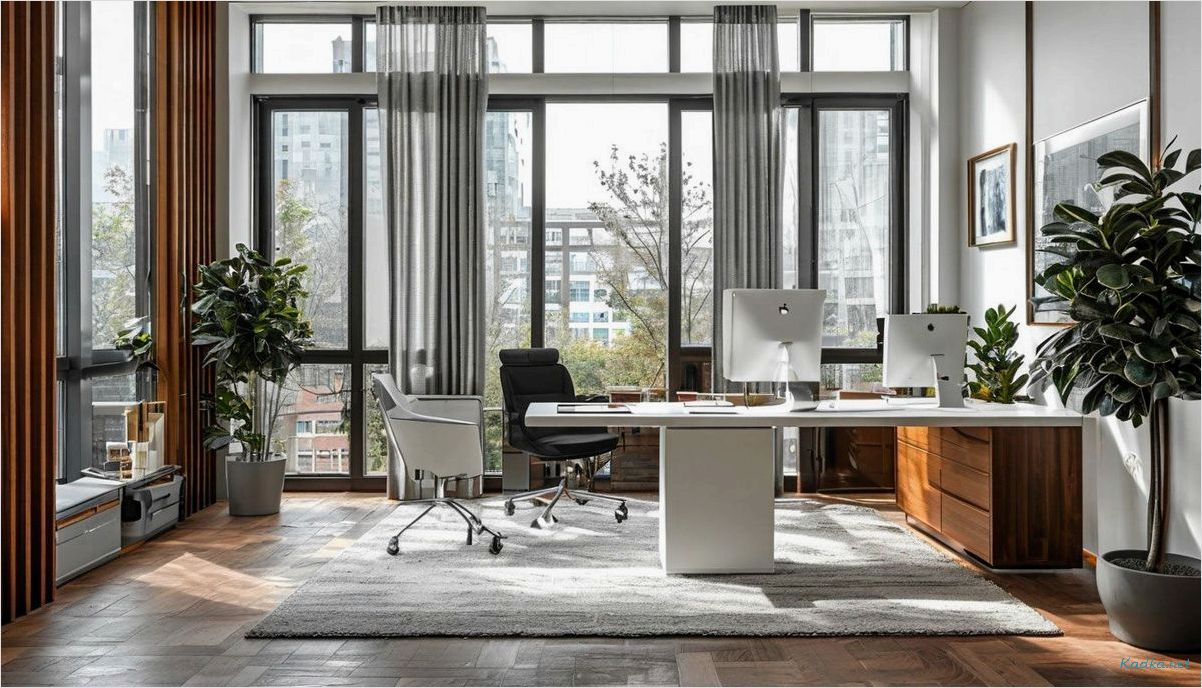
Start your renovation planning by clearly defining the objectives. For example, do you only need to update the interior or do you need to overhaul the utility systems? For effective employee performance, it’s important to consider both functional and aesthetic aspects. A comfortable workspace directly impacts team productivity.
Article Contents:

A preliminary assessment is key before beginning an office renovation. Consider the condition of the walls, floors, ceilings, heating, ventilation, and electrical systems. Subsequent upgrades to these elements will require significant time and funding, so it’s important to consider all details in advance.
When choosing materials, choose durable and easy-to-clean options. Laminate, vinyl tile, or carpet are excellent choices for floors. For walls, washable wallpaper or decorative paint are ideal, providing practicality in high-traffic areas.
Remember that well-designed lighting can transform a space. Install modern, dimmable LED systems. They will provide the right level of illumination for work areas without wasting energy.
If your office has breakout areas or meeting rooms, consider their ergonomics. Use modular furniture and soundproofing panels. This will create a comfortable environment for both work and informal conversations.
Any office renovation requires precise planning, timely selection of materials, and high-quality execution of all stages. By following these recommendations, you can create a modern and comfortable workspace.
Choosing Office Finishing Materials
Opt for wear-resistant and durable materials that can withstand daily wear and tear. For example, washable wallpaper or decorative PVC panels are beneficial for walls. They’re easy to clean and help maintain the interior’s presentable appearance.
Floors: Practicality and Durability
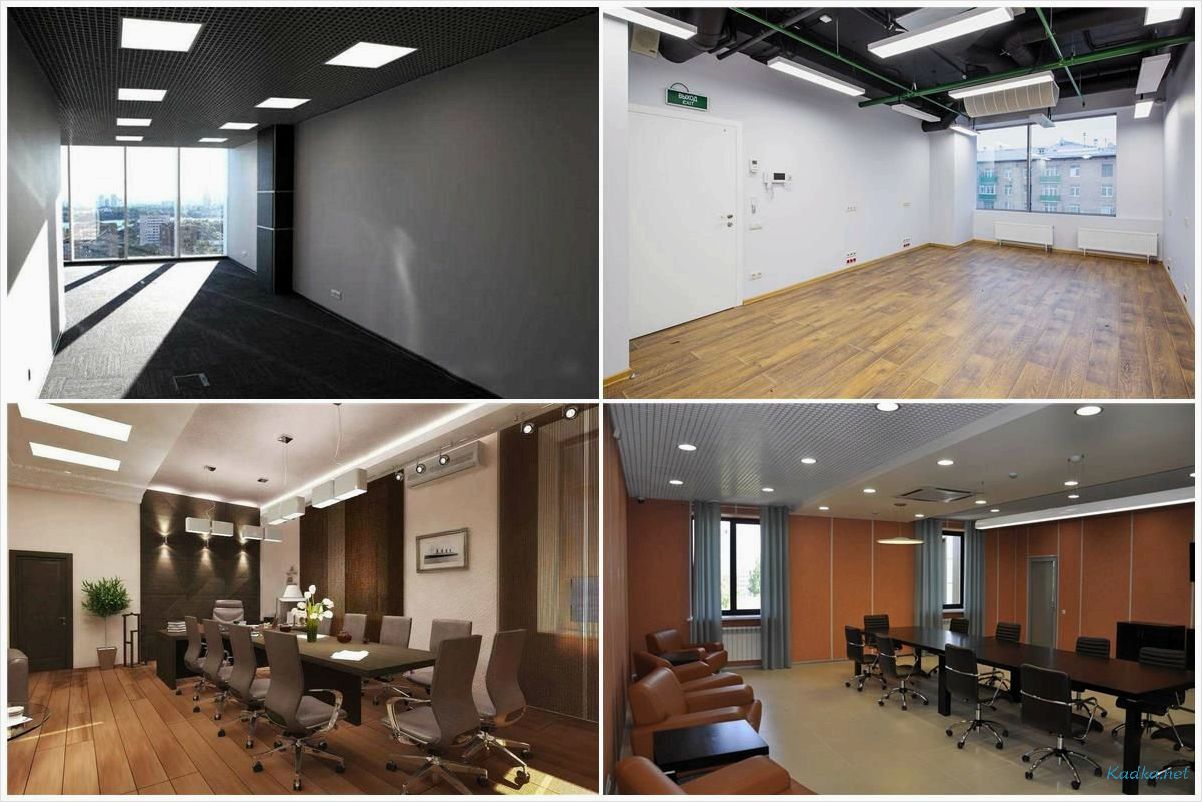
For office floors, commercial linoleum or carpet tiles are the best choice. Linoleum is great for high-traffic areas due to its abrasion resistance, and carpet tiles are easy to install and replace damaged sections. In the reception area or meeting rooms, you can consider premium laminate or vinyl coverings with an anti-slip effect.
Ceilings: Ease of Maintenance
Suspended ceilings with a hidden communication system are the best choice for office premises. Mineral fiber or plasterboard tiles will provide good sound insulation and easy access to utility systems. If necessary, focus on acoustic panels to create a comfortable working atmosphere.
Consider the purpose of each cabinet and maintain a balance between aesthetics and functionality to office renovation met all modern requirements.
Planning and Organizing Office Renovations
Start by drawing up a clear plan that includes renovation areas, phases, timelines and budget. Conduct a detailed office survey to identify major problems that need to be addressed, whether it’s rewiring, fixing cracks in the walls, or updating the flooring.
Coordinating Tasks with Employees and Contractors
Determine which work areas will be unavailable during the renovation work and agree with the team on the timing of their use. Attract reliable contractors by checking their portfolio and reviews in advance. Establish strict control over the schedule for completing repair stages, distributing tasks among responsible persons.
Optimizing the Workflow During Renovations
Organize temporary workspaces for employees to avoid a decline in productivity. Consider carrying out repairs during evenings or weekends to minimize the impact on business operations. Prepare backup communications, including temporary Internet and power lines for equipment.
After completion of the work, conduct a final inspection to eliminate minor defects and create a comfortable working atmosphere. This approach guarantees high-quality renovation of office premises and their subsequent effective use.
Workspace Zoning and Lighting Considerations
Rational Zoning to Increase Productivity
Separate common and quiet areas with glass partitions or modular panels. This will maintain the feeling of open space and minimize noise. For large offices, implement flex desking systems: this is convenient for teams with flexible schedules. Set up rest areas in low-traffic areas to make it easy for employees to switch gears.
The Right Approach to Lighting
For work areas, use neutral white light with a color temperature of about 4000 K: this reduces eye strain. Supplement general lighting with local lamps on desks. In meeting rooms, warm lighting with adjustable brightness is suitable – this will help create a comfortable atmosphere for meetings and discussions. Don’t forget about modern LED solutions that are economical and suitable for all areas of the office.
By following these recommendations, you will not only significantly improve the ergonomics of the space, but also create balanced lighting, which will have a positive effect on the performance of employees after the renovation of office premises.