Cash register for an individual entrepreneur: how to choose and use
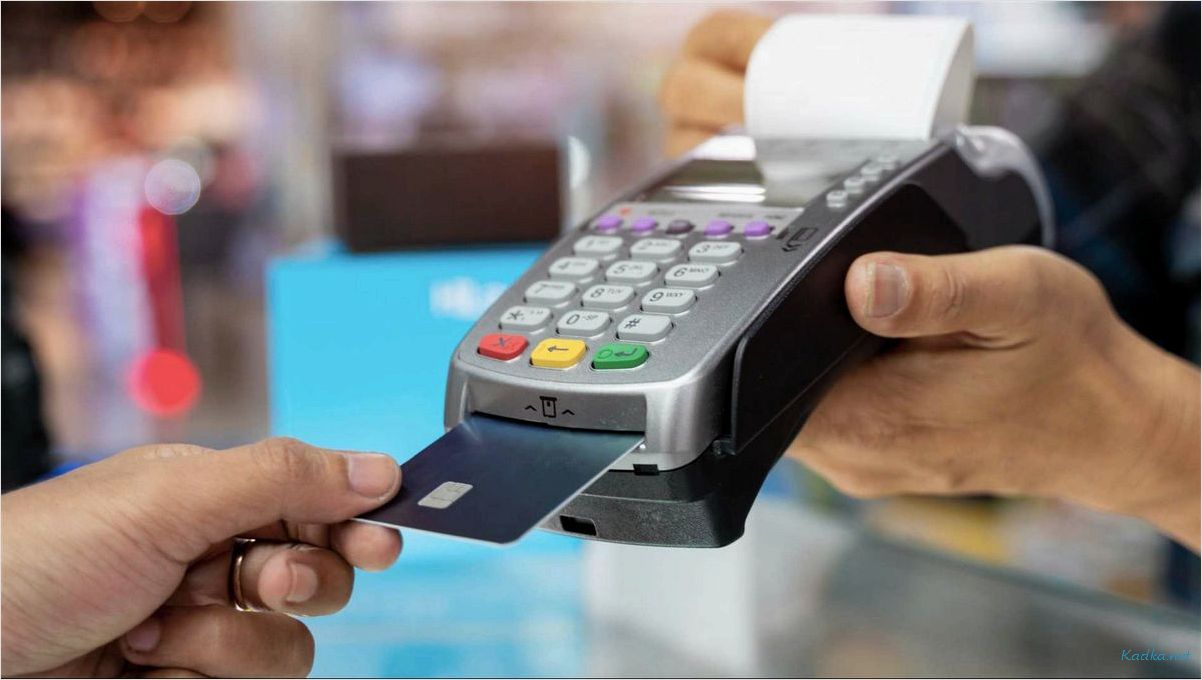
If you are an individual entrepreneur, then most likely you need a cash register to make payments to clients. Buying a cash register is one of the first tasks an entrepreneur faces when starting his own business.
Contents of the article:

A cash register is a special device designed to register and store information about sales and receipt of funds. It helps you keep records of transactions and comply with tax laws.
When choosing a cash register for an individual entrepreneur, several factors must be taken into account. Firstly, the cash register must comply with legal requirements and have all the necessary functions, such as printing receipts, change control, electronic journal, etc. Secondly, it must be reliable and easy to use so as not to cause problems or delays in work. And finally, you should pay attention to the price of the cash register and the conditions for its maintenance.
Why does an individual entrepreneur need a cash register?
The cash register is an integral part of the work of an individual entrepreneur. It not only helps keep records of sales, but also ensures compliance with tax laws and protection from illegal actions by regulatory authorities.
1. Keeping sales records
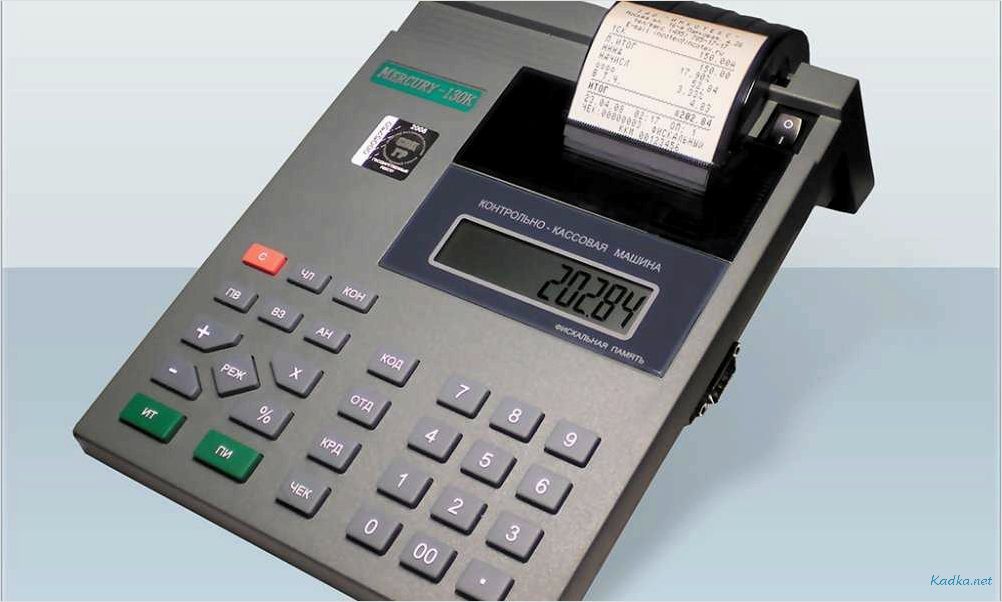
A cash register allows an individual entrepreneur to keep accurate and reliable records of all sales. It automatically records each transaction, stores data about goods or services, their cost, quantity and date of sale. This simplifies the accounting process and allows you to quickly obtain information about income and expenses.
2. Compliance with laws
According to the law, an individual entrepreneur is required to use a cash register when making cash payments to customers. This requirement is aimed at combating the informal economy and illegal tax evasion schemes. Buying a cash register and using it in your activities is one of the conditions for the legal work of an entrepreneur.
3. Protection from illegal actions
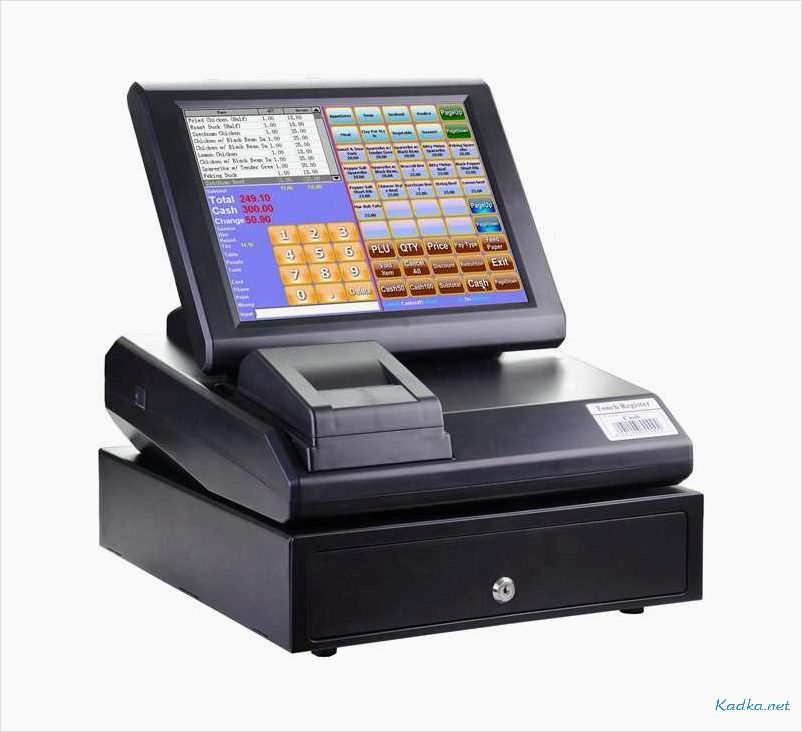
The cash register provides protection for the individual entrepreneur from unlawful actions on the part of regulatory authorities or buyers. All transactions are recorded in the device’s memory and on the fiscal drive, which allows, in the event of an audit, to provide accurate sales data. In addition, modern cash registers are protected against counterfeiting and fraud, which prevents possible financial losses.
As a result, a cash register is an integral tool for an individual entrepreneur. It helps keep records of sales, comply with laws and provides protection against illegal activities. Buying a cash register is not only a necessary requirement, but also an investment in the safety and efficiency of your business.
Benefits of using a cash register
Using a cash register when running a business provides a number of significant advantages. Here are some of them:
- Compliance with laws. The purchase and use of a cash register is a mandatory requirement for individual entrepreneurs engaged in trade or providing services. This allows you to avoid fines and problems with the tax office.
- Convenience and accuracy. The cash register automatically performs calculations and generates checks or receipts for customers. This simplifies the sales process and increases the accuracy of calculations.
- Saving data. The cash register stores information about each transaction, including date, time, amount and tax rate. This allows you to keep track of sales and simplifies the financial reporting process.
- Improved image. Using a cash register demonstrates to customers that you are a law-abiding business owner, which increases your business’s credibility and improves its image.
- Increased efficiency. The cash register automates the sales and accounting processes, which allows you to reduce the time spent on these operations. This allows you to focus on other aspects of your business and improve its efficiency.
If you are an individual entrepreneur and plan to conduct trade or provide services, it is recommended to purchase a cash register to ensure compliance with legal requirements and receive the benefits described above.
Legal requirements for using a cash register
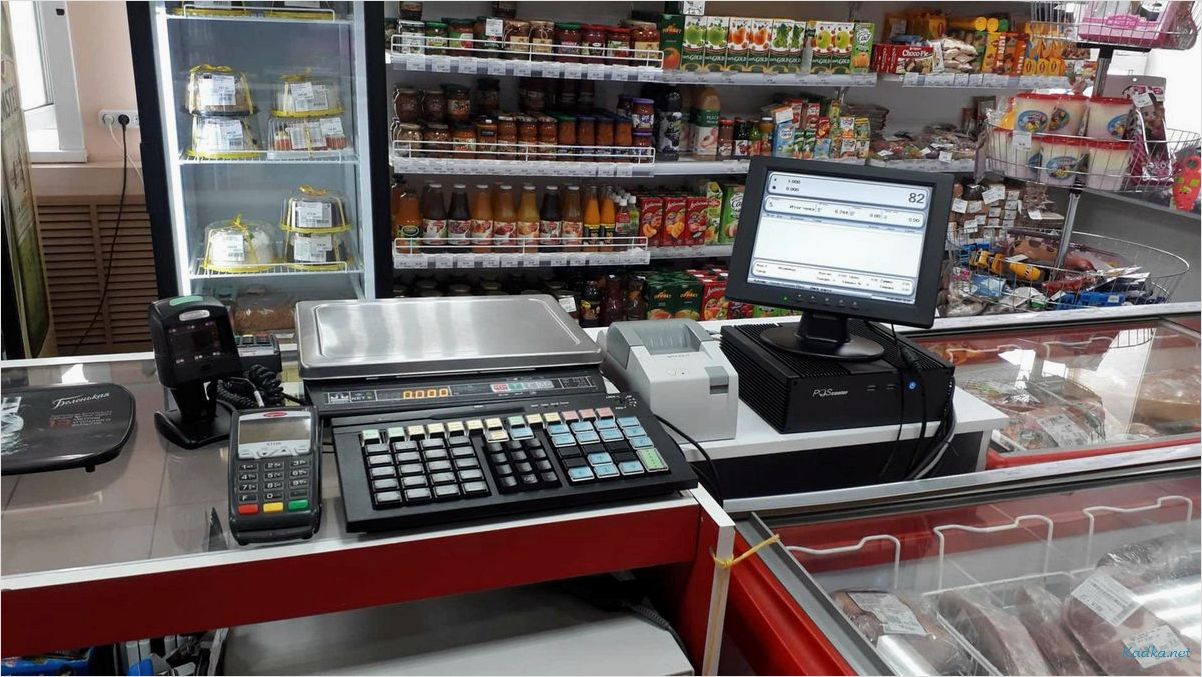
For an individual entrepreneur engaged in trade or providing services, the legislation provides for the mandatory use of a cash register Buy a cash register and using it correctly is one of the main requirements for entrepreneurs.
What types of activities are subject to mandatory use of a cash register?
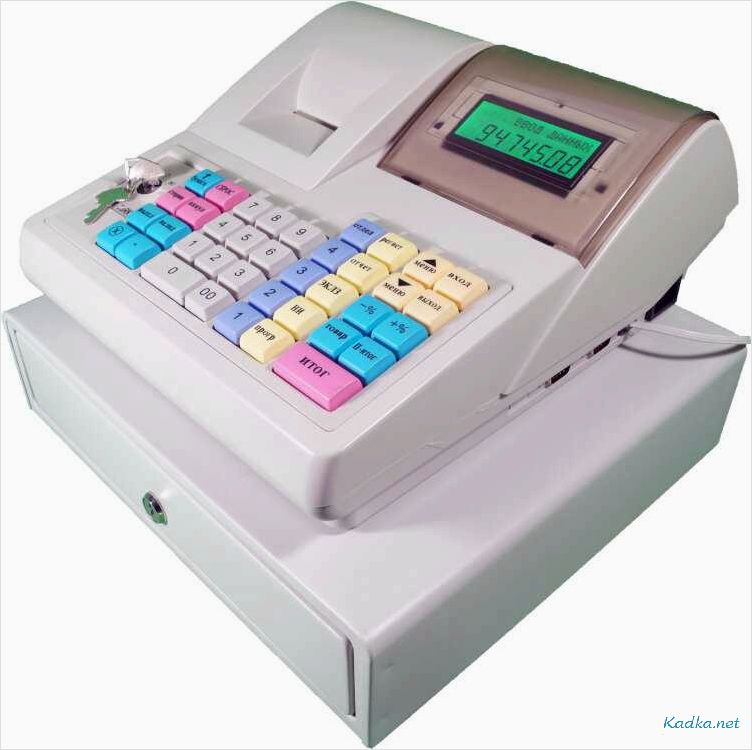
Legal requirements include the following types of activities:
- Retail trade;
- Providing services in the field of public catering;
- Providing rental services;
- Provision of services in the field of consumer services (hairdressers, beauty salons, etc.);
- Provision of health care services;
- Providing services in the entertainment sector (cinemas, slot machines, etc.).
What do you need to know when buying a cash register?
When purchasing a cash register, you need to consider the following points:
- The cash register must comply with legal requirements and be marked accordingly;
- The cash register must be registered with the tax service;
- When purchasing a cash register, you should pay attention to its functionality and ability to adapt to changes in legislation;
- It is necessary to take into account the cost of maintenance and technical support of the cash register;
- Be sure to read the warranty terms and the possibility of software updates.
How to use a cash register in accordance with the law?
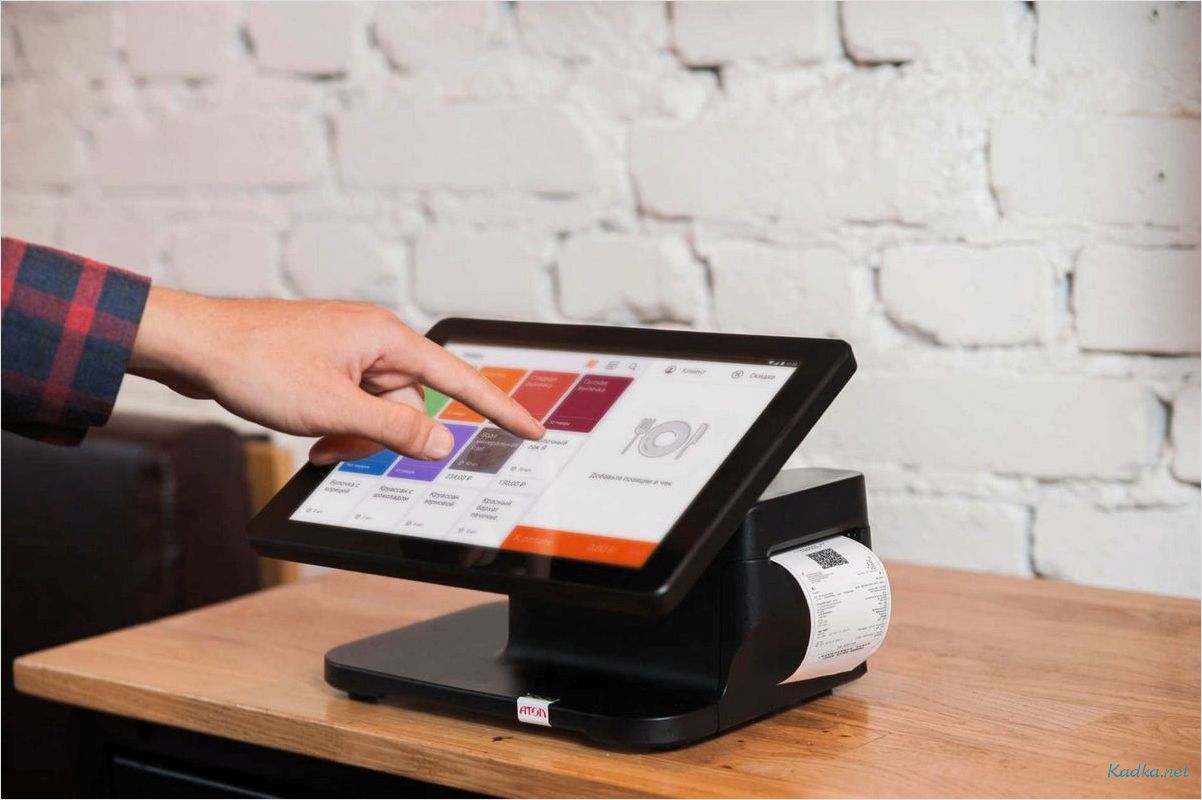
To use the cash register correctly you must:
- Obtain registration of the cash register with the tax service;
- Set up a cash register in accordance with legal requirements;
- Keep records of sales and services provided using a cash register;
- Follow the rules for storing and providing receipts to customers;
- Periodically undergo audits by the tax service.
Compliance with legal requirements for the use of a cash register is an integral part of the activities of an individual entrepreneur. Buying a cash register and using it correctly will help you avoid fines and problems from the tax service.
How to choose a suitable cash register?
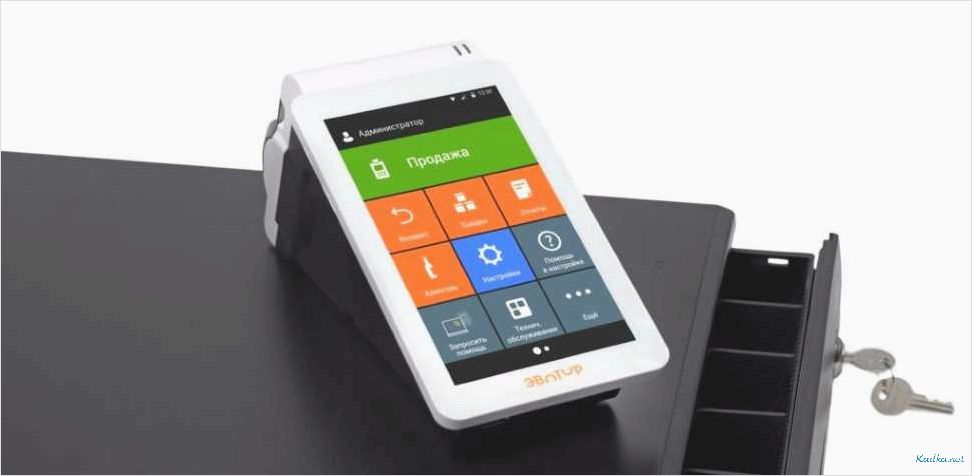
If you’re a sole proprietor and need to purchase a cash register for recordkeeping and customer payments, there are several important factors to consider when choosing the right device. Below are the key criteria to consider when purchasing a cash register.
1. Compliance with legal requirements
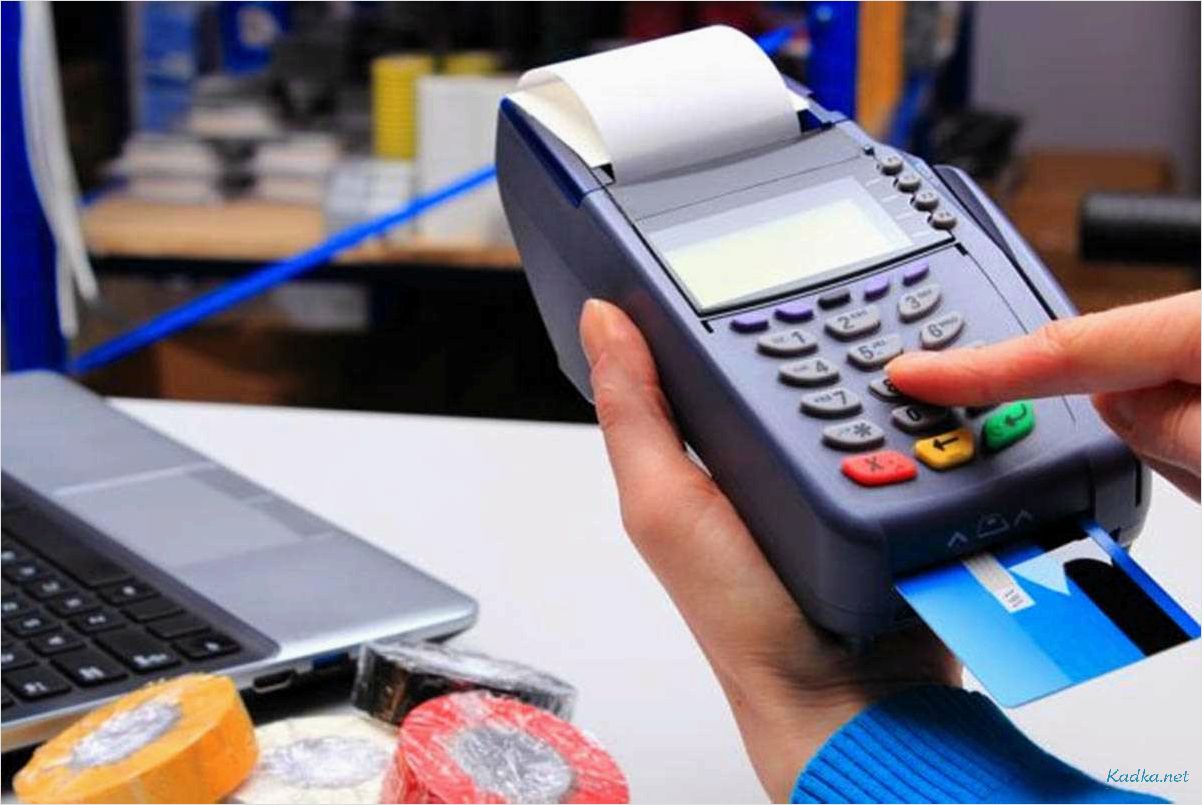
Before purchasing a cash register, ensure that it complies with the laws of your country or region. Different locations may have different requirements for cash register functionality and features, so it’s important to research the laws and select a device that fully complies with these requirements.
2. Functionality and capabilities
When choosing a cash register, consider your needs and the functionality requirements of the device. Some cash registers may have additional features, such as email receipt printing or connection to an online cash register system. It’s also worth considering the ability to connect additional equipment, such as barcode scanners or scales.
3. Price and quality
When purchasing a cash register, it’s important to consider the balance between price and quality. Don’t immediately choose the most expensive device, as it may include features you won’t need. However, don’t skimp on quality, as a low-quality cash register can lead to problems with its operation and maintenance.
4. Ease of use
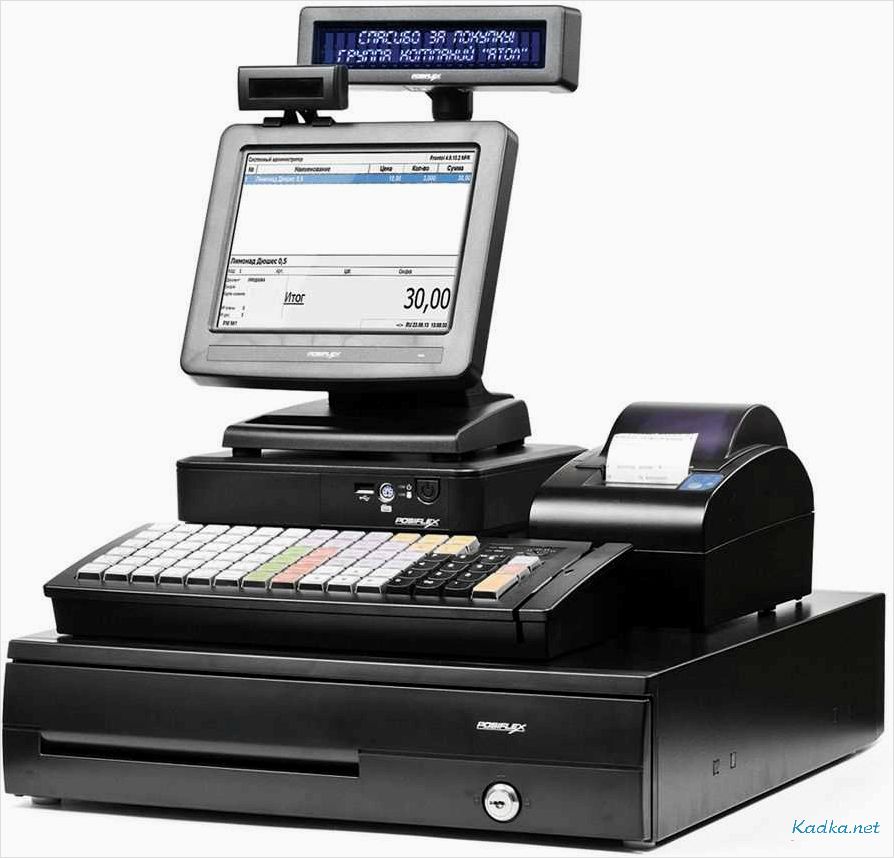
When choosing a cash register, pay attention to its ease of use. The device should be intuitive and have a clear interface. Also, consider the size and weight of the cash register to ensure it fits easily in your workspace and is easy to transport.
5. Reliability and support
Cash register reliability and the availability of quality technical support are important factors when choosing a device. Before purchasing, it’s worth studying reviews and ratings of cash register manufacturers to choose a reliable supplier. Also, pay attention to warranty terms and the availability of service centers in your region.
Ultimately, choosing the right cash register depends on your requirements and needs. By following the recommendations above, you can choose the cash register that will be most convenient and effective for your business.
How to use a cash register?
A cash register is a special device designed to register and control monetary transactions when selling goods or services. In order to use the cash register correctly, you must complete the following steps:
- Buy a cash register. First, you need to purchase a cash register that meets legal requirements and provides all the necessary functions for your business. When choosing a cash register, pay attention to its technical characteristics, the ability to connect to a computer and the availability of necessary functions, such as printing receipts, data storage and others.
- Set up a cash register. After purchase, you need to install a cash register at your workplace. Make sure the cash register is properly connected to power and configured to handle your items and prices.
- Set up a cash register. After installing the cash register, you need to configure it to work with your business. Enter information about the goods or services you will sell, set prices, adjust taxes and other parameters in accordance with legal requirements and the characteristics of your business.
- Sell goods or services. After setting up the cash register, you can start selling goods or services. For each sale, you must register the transaction at the cash register, entering information about the product or service, the total amount and other data required to prepare a receipt.
- Print receipts and reports. At the end of the sale, the cash register automatically prints a receipt or other document confirming the transaction. In addition, the cash register allows you to receive various reports on sales, inventory balances and other important information for business management.
It is important to remember that the use of a cash register is mandatory for individual entrepreneurs and other organizations selling goods or services in cash and non-cash.