Printing high-quality labels and tags of any complexity for your business
To create a professional and memorable brand image, you should pay special attention to the selection and printing of labels and tags. For example, a sewn-in tag with high-quality graphics and an accurate brand identity helps create a sense of trust and exclusivity among consumers. This is especially important for textile products, where attention to detail is key.
Contents of the article:
- Selection of materials for label production: properties and
- Printing technologies for various types of business
- Industrial sector: sustainable solutions
- Retail Labels
- Personalization and individual design: creating products tailored to the task
- Customizing sizes and shapes to suit the specifics of the product
- Selecting materials to improve durability
Start by determining the required materials and format. Modern printing methods allow even the most complex ideas to be realized – from thermal transfer printing for washability to laser engraving for premium products. When it comes to large batches of products, automating the labeling process will help reduce time and minimize errors. Do not forget to take into account the operating features of the product – moisture resistance, resistance to abrasion and temperature changes.
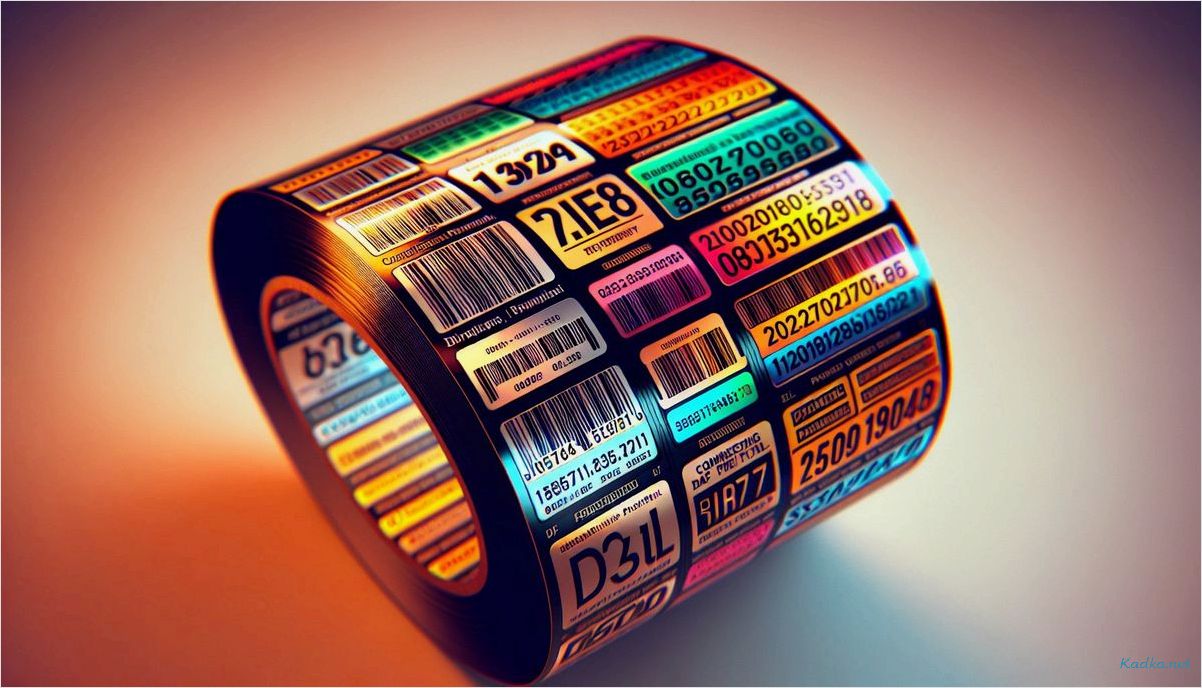
An important aspect of a quality result is the correct choice of tag type. A sewn-in tag with an embroidered logo, care instructions and fabric composition is perfect for clothing. For packaging food or cosmetics, you should pay attention to self-adhesive labels with varnish or matte lamination, emphasizing the uniqueness of your brand. The use of barcode and QR code technologies on labels will facilitate product tracking and customer interaction.
Thoughtful design and quality materials will help your business stand out. Use modern equipment and technology to create not just tags and labels, but a meaningful element that will become part of the unique image of your brand.
Selecting materials for making labels: properties and features
For labels on product packaging that are exposed to mechanical stress or high temperatures, choose synthetic film such as polypropylene or polyester. These materials are resistant to moisture, ultraviolet rays and tearing.
If your product requires eco-friendly packaging, consider using recycled paper or kraft materials. These are suitable for creating aesthetically pleasing and eco-friendly labels that attract customers while emphasizing environmental concerns.

For temporary labeling or short-term needs, simple self-adhesive papers are suitable. They are less expensive and work well in environments where durability is not required.
When choosing a material, check its compatibility with the printing method. For example, synthetic or textile materials are suitable for thermal transfer printing. For offset printing, it is better to use smooth paper or film with a flat surface.
Printing technologies for various types of business
If your business involves textiles, consider thermal transfer printing for sew-in tags. This method guarantees durability and image clarity even after repeated washing, making it ideal for apparel brands. Choose high-quality thermal transfer ribbons to ensure wear resistance. Flexographically printed labels are ideal for grocery stores. This technology allows for the use of moisture-resistant materials and delivers bright, clear printing at a minimal cost. This is important if your products are stored in refrigeration or exposed to temperature fluctuations.
Industrial Sector: Sustainable Solutions
Industrial sector: sustainable solutions
Retail Labels
Retail Labels
To choose the optimal technology, consider the operating conditions, product type, and planned budget. This way, your business will receive labels and tags that fully meet its requirements.
Personalization and custom design: creating products tailored to the client’s needs
Start by developing a unique design that closely matches your brand’s style. To do this, determine the key elements: color scheme, fonts and logo. For example,
sew-in tag with corporate colors and a clearly readable name will emphasize the premium quality of your products. For handmade or small batch production, you can use direct printed textile tags by adding contact information or a company slogan customizing sizes and shapes to suit the specifics of the product
Customizing sizes and shapes to suit the specifics of the product
Selecting materials to improve durability
Selecting materials to improve durability
With an emphasis on personalization, pay attention to printing capabilities. The use of embossing, metallic inserts or foiling will help make labels or tags stand out from others. This is especially important for products aimed at the premium segment.
Printing high-quality labels and tags of any complexity for your business