Kitchen apron. Types and materials
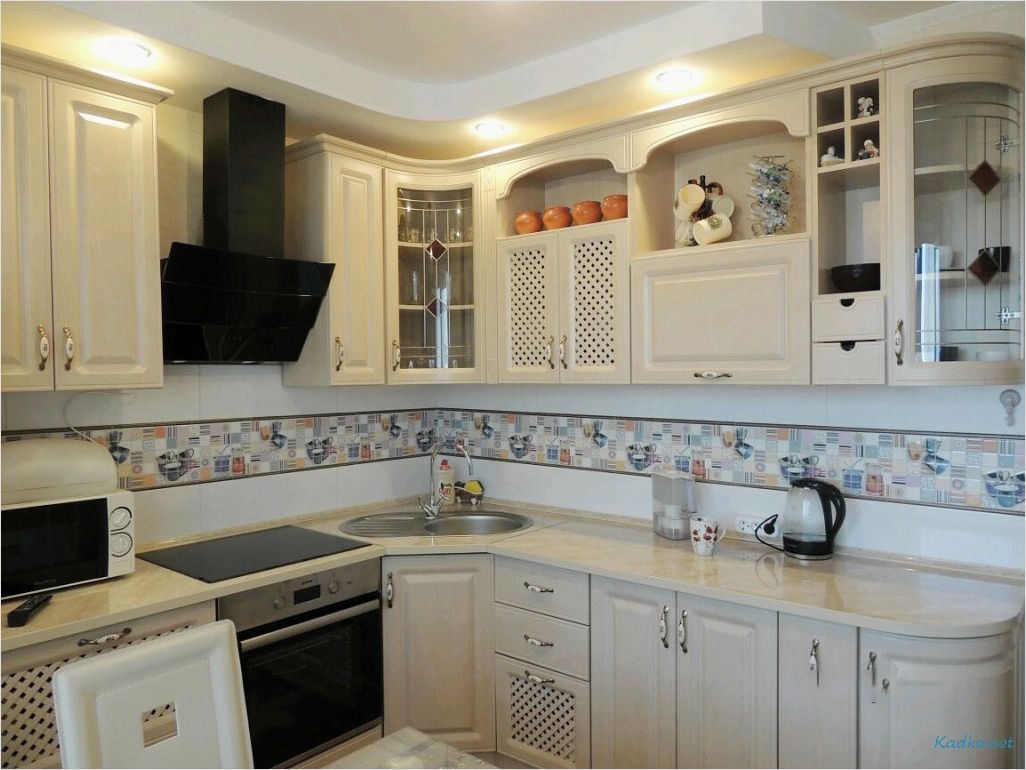
A kitchen apron has long ceased to be just additional protection for the wall from the effects of water, heat and other contaminants. It has long become an independent piece of furniture, where the choice is limited not only by design, but also by texture, material, and quality.
Now the market offers a huge range of kitchen aprons, ranging from the simplest ceramic tiles to a combination of colors and materials from fashion designers.
When choosing an apron for the kitchen, you should focus on its functionality. Modern technologies and production have begun to displace ceramic tiles, which were popular in the last century. Despite this, thanks to its qualities, it has not lost its relevance.
Recently, glass has been used that has maximum moisture resistance. When choosing such a material, you should remember that it is very heavy, and when installation of the apron was removed additional knowledge and skills are needed.
Inexpensive, having a wide range of shades, as well as the ability to choose any pattern geometry, are PVC panels. They allow you to use a single piece of fabric for the length of the kitchen, are light in weight and their installation is very simple. However, they are short-lived and have low susceptibility criteria to heat, moisture, fungus and cleaning agents.
One of the materials used for kitchen aprons is stone (natural and artificial) or ceramic granite, concrete or gypsum slabs. These materials are durable and easy to use, but have a high price range and a complex structure, the work with which requires certain skills.

Steel, as an apron material, is most often used in kitchens in cafes, restaurants and canteens. This material is durable, resistant to damage, fire and impervious to contamination. It is precisely because of its cost, as well as its uniformity, that steel is rarely used in ordinary apartments.
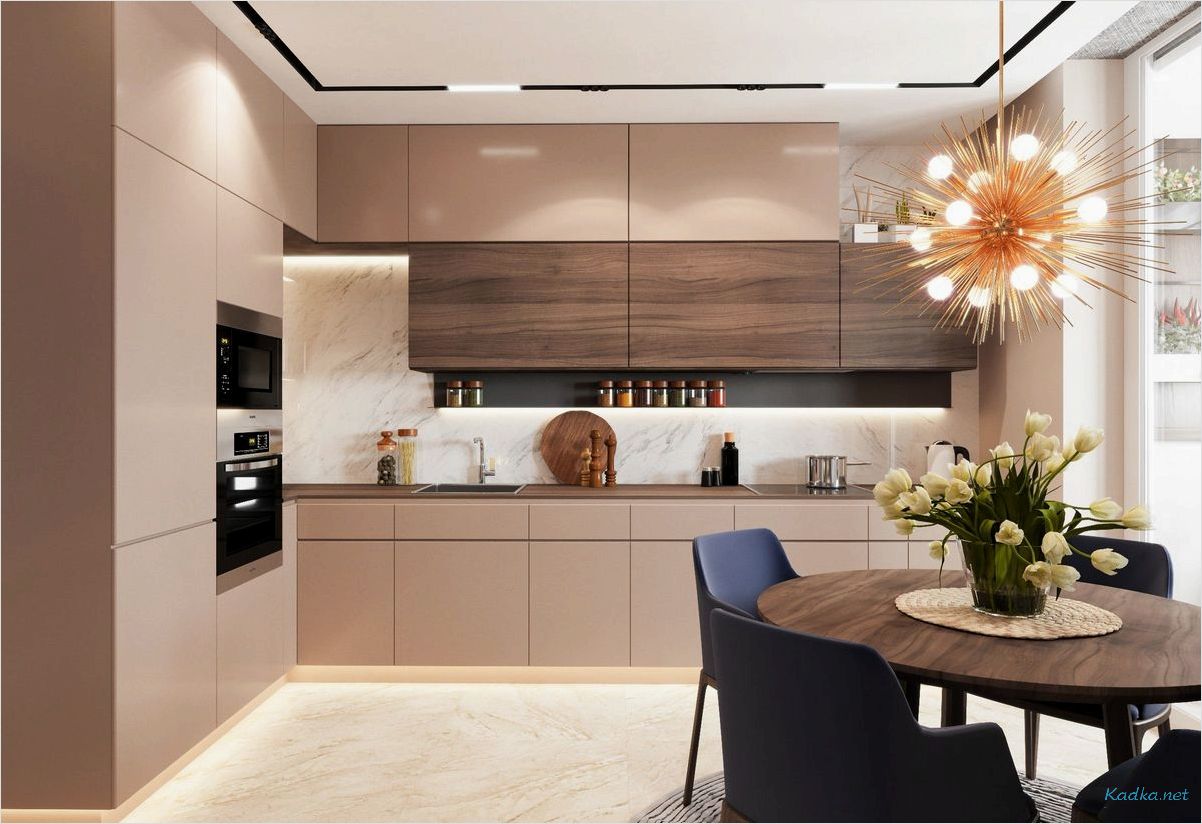
MDF coating, reminiscent of wood, fits well into many interior styles. The reliability and durability of the material captivate many. At the same time, it has a high level of flammability and the presence of formaldehyde resins, so it is used only with a protective coating.
In addition to original design solutions and the type of material from which the apron is made, attention must also be paid to quality.
Material quality
- Moisture resistance. In addition to the area with the sink, the apron is exposed to steam during cooking. Therefore, the material for the apron must be chosen to be water-repellent; this will prevent its deformation and extend its service life.
- Temperature resistance. Particular attention should be paid to this parameter of the apron material in the slab area.
- Fire safety. Fires in an apartment most often occur in the kitchen, and this parameter will ensure the safety of the material.
- Environmental friendliness. The material used should not emit toxic substances when exposed to the environment.
When choosing a future apron for arranging a kitchen, you should remember not only the beauty and comfort of the kitchen, but also the type and quality of the material from which it is made.