Fire alarm maintenance and repair
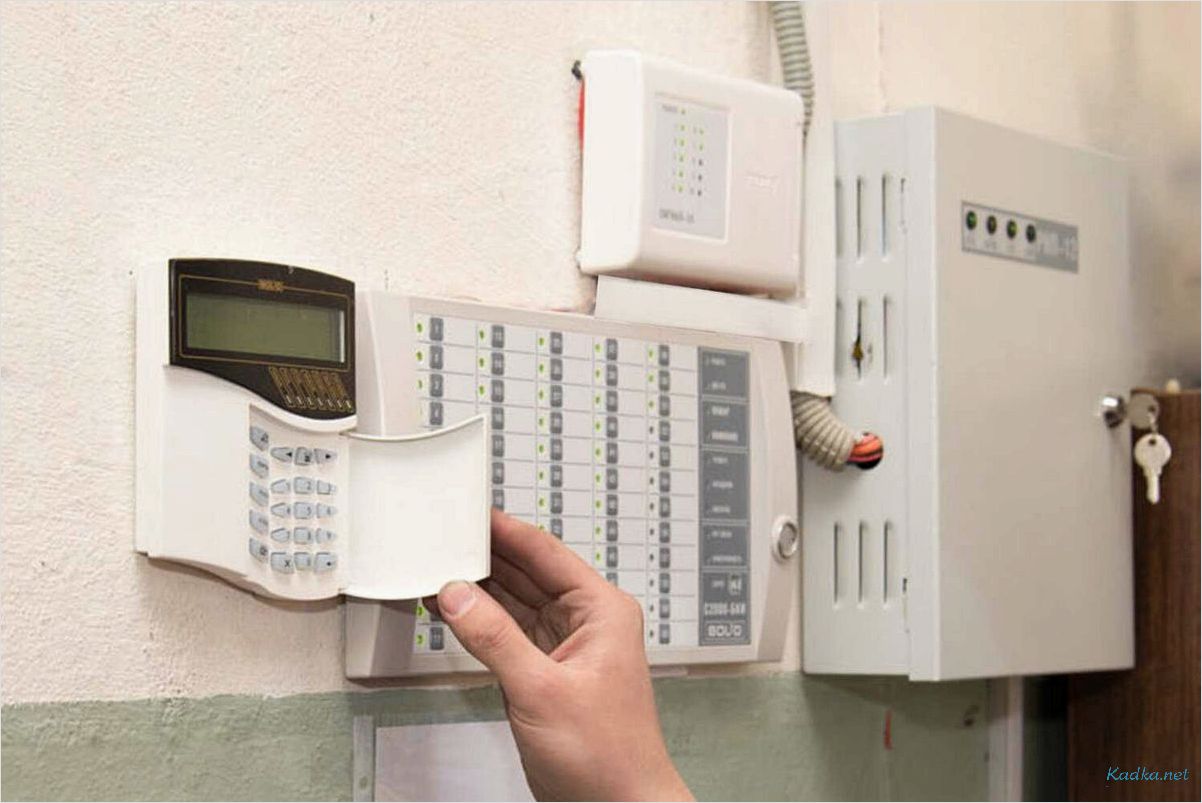
Fire alarms are one of the most important safety features in any building. It warns of a possible fire and allows you to take timely measures to extinguish it. However, to ensure that your fire alarm always works reliably and efficiently, it must be regularly maintained.
Contents of the article:
Fire alarm maintenance is a set of activities aimed at checking and maintaining the functionality of the fire warning system. During the maintenance process, all fire alarm components are checked, including smoke, heat and gas detectors, fire detectors, control panels and other equipment.
Regular fire alarm service in Moscow is an integral part of its operation. It allows you to identify and eliminate possible faults and increase the reliability of the system. In addition, maintenance allows you to maintain the fire alarm system in accordance with the requirements of regulations and legislation.
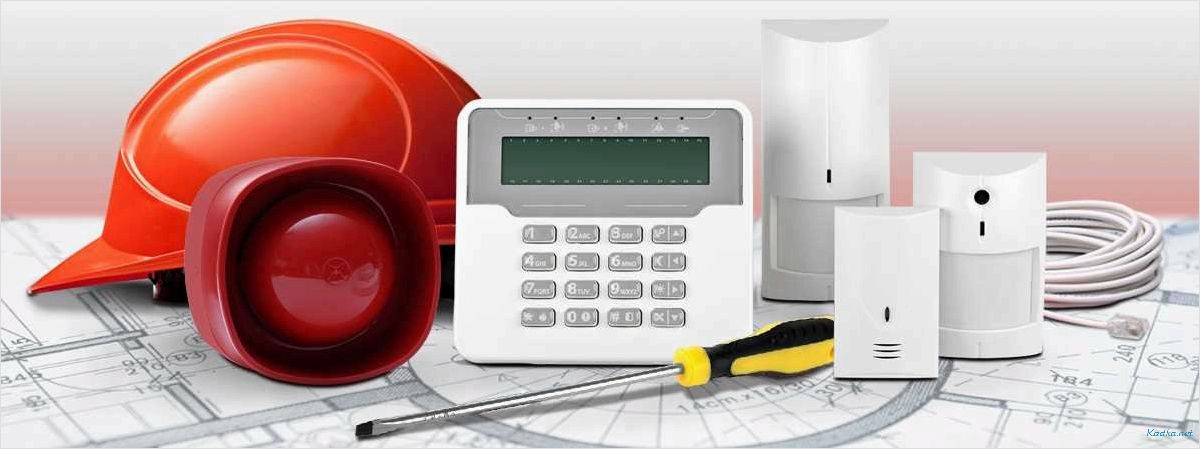
How to service a fire alarm: basic steps and rules
Fire alarm maintenance consists of several stages:
| Stage | Description |
|---|---|
| Visual inspection | Checking the external condition of the system, detecting visible damage or malfunctions. |
| Component testing | Checking the functionality of sensors, alarms, control panels and other system components. |
| Checking connection | Testing communications between system components, including wired and wireless data transmission channels. |
| Test alarm | Simulate a fire alarm to test the system’s response and its connection with the central monitoring console. |
| Checking backup power | Testing the performance of batteries and backup power supplies of the system. |
Fire alarm maintenance rules:
- Perform system maintenance according to the manufacturer’s recommendations.
- Follow your maintenance schedule and don’t miss it.
- Document all work performed and inspection results.
- If damage or malfunctions are found, repair them immediately.
- Train personnel on how to operate and respond to a fire alarm.
- If the fire alarm goes off, immediately take measures to evacuate and call the fire service.
Proper fire alarm maintenance ensures reliable operation and ensures the safety of people and property. Remember to follow the manufacturer’s recommendations and regularly maintain the system.

Fire alarm system inspection and testing
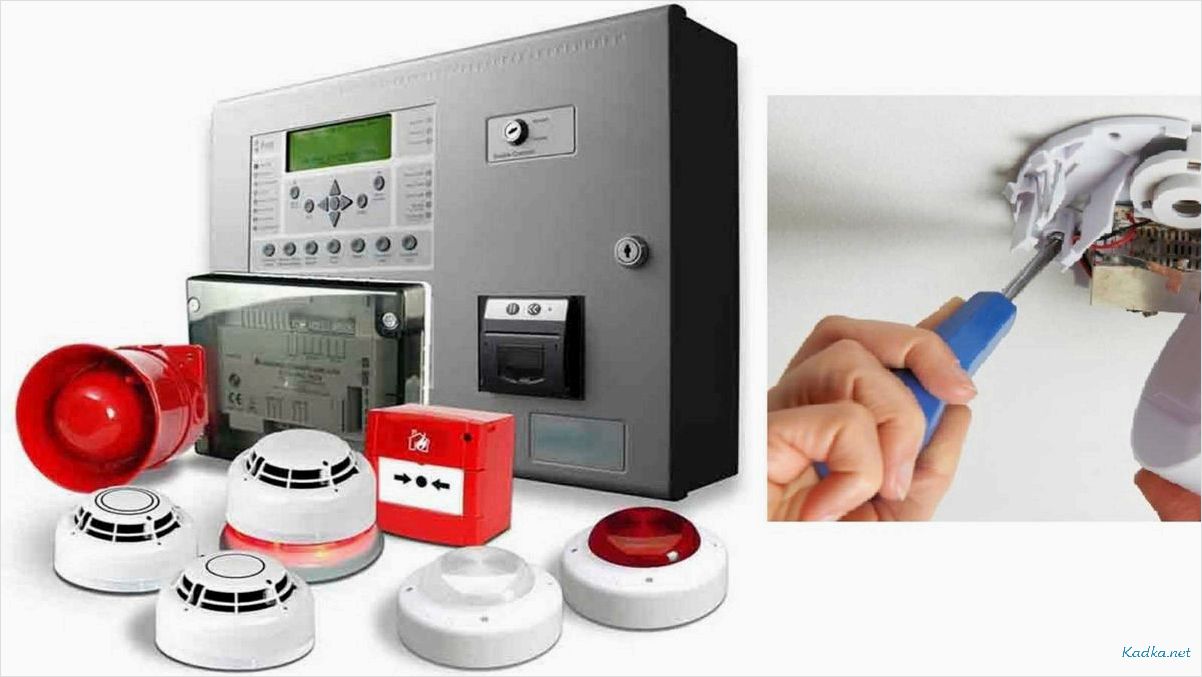
The frequency of inspections of the fire alarm system depends on its type and class, as well as the requirements of regulatory documents. It is generally recommended to conduct an inspection at least once a month and document the results of each inspection.
When checking a fire alarm system, you should pay attention to the following aspects:
- Checking the functionality of fire detectors. It is necessary to ensure that all detectors are in working order and that their alarms reach the control panel. To do this, you can use special testers or simulate a fire.
- Checking the operation of the control panel. The control panel should display information about the state of the system and signal when detectors are triggered. It is also necessary to check the operation of sound and light signals on the panel.
- Checking the functionality of smoke and heat sensors. Smoke and heat detectors should be regularly tested to ensure sensitivity and proper operation. Testing can be carried out using special aerosols or heat sources.
- Checking the functionality of automatic fire extinguishing. If the fire alarm system also includes automatic fire extinguishing devices, it is necessary to check their functionality and the presence of a sufficient amount of fire extinguishing agent.
- Checking the functionality of manual fire call points. Manual call points must be accessible and easy to locate. Testing their functionality can be done by pressing a button and making sure that the signal reaches the control panel.
Inspection and testing of the fire alarm system is an integral part of maintaining and maintaining its functionality. Regular inspections help prevent possible problems and ensure the safety of premises and people in the event of a fire.
Regular cleaning and maintenance of sensors and smoke detectors
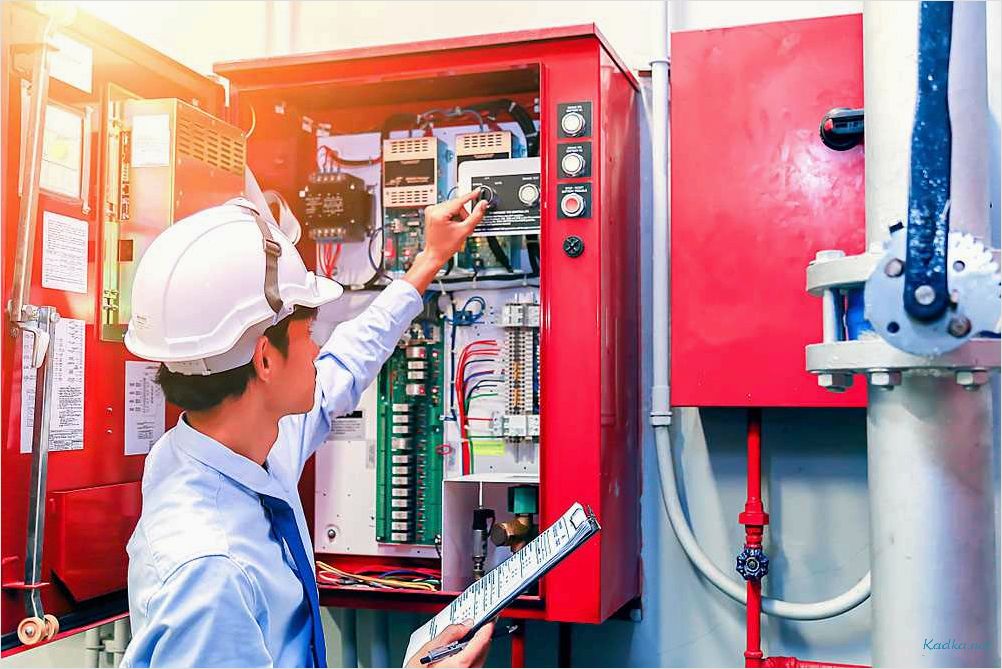
Regular cleaning and maintenance are required to keep sensors and smoke alarms functioning reliably. Dust, dirt and other contaminants can negatively affect the sensors’ performance, affecting their sensitivity and ability to detect smoke. Therefore, regular cleaning is an integral part of fire alarm maintenance.
Sensors and smoke detectors should be cleaned in accordance with the manufacturer’s recommendations and fire alarm specifications. Cleaning is usually done using a soft brush or vacuum cleaner. In this case, it is necessary to avoid the use of aggressive chemicals that can damage the surface of the sensors.
In addition to cleaning, it is also important to check the functionality of sensors and smoke alarms. Regular inspection allows you to identify possible malfunctions and eliminate them in a timely manner. To check the functionality of the sensors, you can use special test gases or smoke aerosol.
Regular cleaning and maintenance of sensors and smoke detectors is key to reliable fire alarm operation. Proper maintenance can prevent possible failures, reduce the likelihood of false alarms and ensure a quick response in the event of a fire.
Updating and modernizing fire alarms: when and why
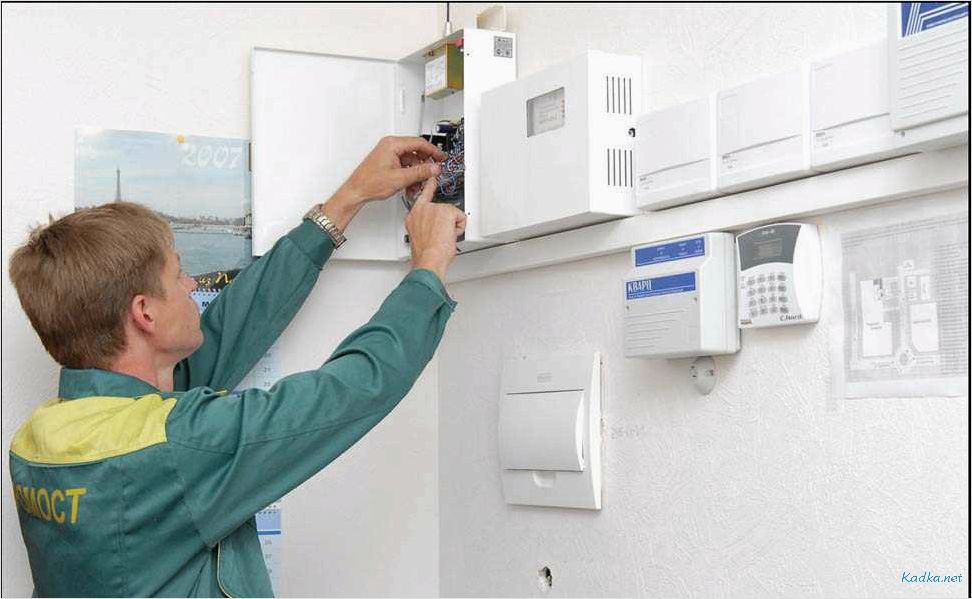
When should you consider upgrading your fire alarm? One of the main signs is the age of the system. If the fire alarm system has been installed for a long time and has not been modernized, then its components may be outdated and do not meet modern safety requirements.
Also, you need to pay attention to the condition of the fire alarm components. If they often fail or require constant repair or replacement, then this is a clear sign that the system needs to be updated.
In addition, it is important to consider changes to the building or structure that may affect the effectiveness of the fire alarm. For example, if reconstruction or expansion of premises has been carried out, then additional equipment or changes in the layout of sensors and alarms may be required.
Fire alarm upgrades and upgrades have a number of important benefits. Firstly, it increases the safety of people in the building. Modern systems make it possible to quickly detect a fire and promptly warn people about possible danger, which allows minimizing risks to life and health.
Second, updated fire alarms can significantly reduce the number of false alarms. Older systems are often prone to false alarms, which can cause panic and illegal evacuations. Modern systems are equipped with more accurate and reliable sensors, which reduces the likelihood of false alarms.
Finally, upgrading your fire alarm system can save you on operating costs. New systems are typically more energy efficient and require fewer resources to keep them running. Also, modern systems make it possible to quickly and accurately determine the location of a fire, which simplifies the task of firefighters when extinguishing a fire.