Restoration of old bathtubs: enamel, acrylic, liner
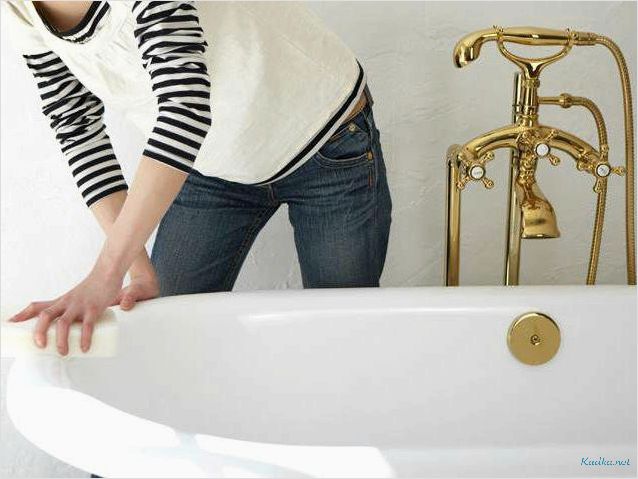
Over time, the bathtub loses its attractive appearance. Traces of the sun and rust appear, the shine disappears, and it becomes rough to the touch. All this suggests that it is time to replace the old bathtub. And these are not small expenses. Additionally, replacing a bathtub is not possible without renovating the entire bathroom. And small amounts of money can turn into medium or even large expenses. However, there is another way – do-it-yourself bathtub restoration. There are many materials on the market that allow you to qualitatively update your bathtub yourself.
Contents of the article:
Bathroom restoration methods
There are currently three ways restoration of bathtubs in St. Petersburg
Method 1: ordinary enamel
Cast iron and steel enameled bathtubs are the most common type of bathtubs in our apartments. They are manufactured according to GOST 18297-96, which has been in force since 1997. According to this GOST, the warranty on the bathtub is two years. However, as practice shows, their enamels are consumed within 10 years.
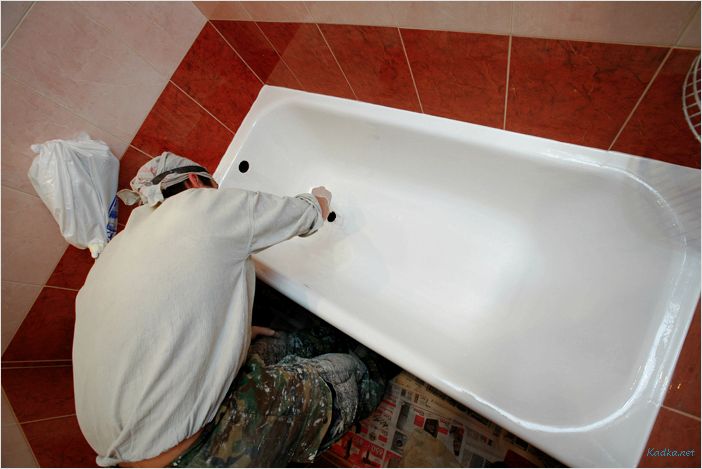
Factory enamels for buses are applied very simply. First, the outer surface is painted red, then enamel powder is sifted onto the inner surface, which is kept in the metal for some time. The outer surface is heated again until the powder melts. The result is a smooth, shiny enamel coating. At home, it becomes clear that this method of repairing cast iron and steel bathtubs is not suitable.
Why does enamel usually wear out?
Wear of the enamel surface occurs as a result of two factors:
- Using cleaning products containing abrasive powders or substances containing chlorine;
- The use of chemical reagents when cleaning the water supply network.
As a result of prolonged exposure to these factors, the surface of the bathtub enamel becomes thinner, rougher and begins to rust.

Restoration of an enamel surface
Restoring enamel yourself is a very simple process. It consists of two steps: surface preparation and applying a new coat of enamel.
What will you need for work?
You will need the following tools and materials:
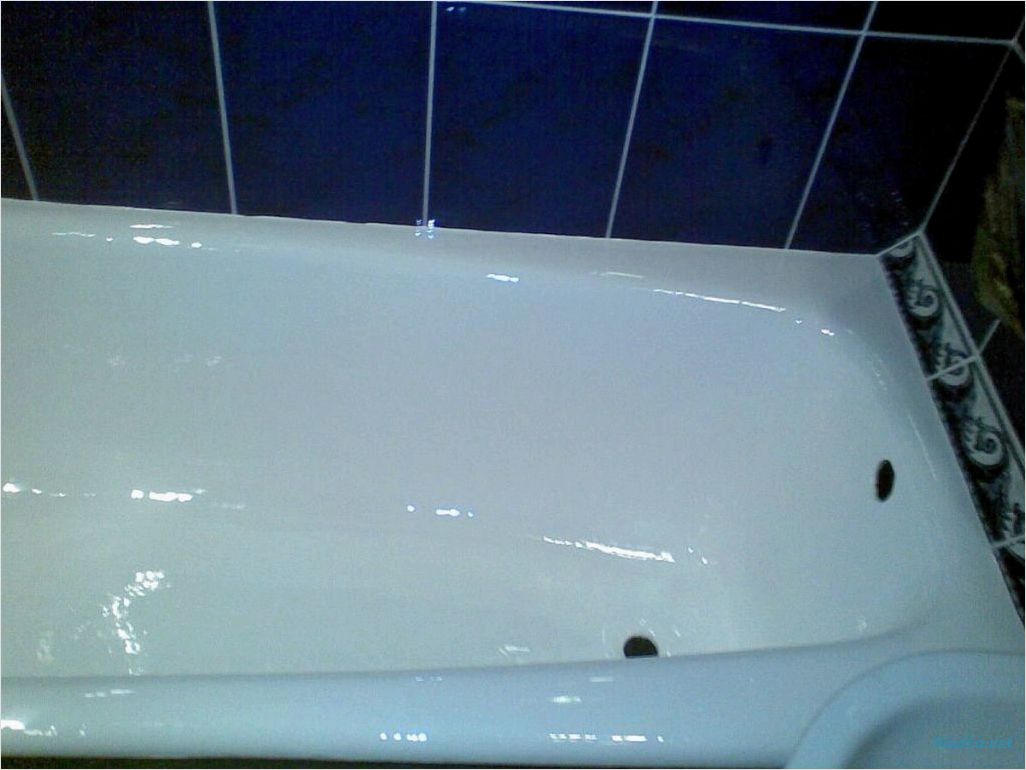
- Electric drill with a grinding wheel attachment;
- Abrasive powder;
- Sandpaper;
- Rust converter (e. g., Zinkar);
- Degor (e. g., Nefras);
- Brain wipes;
- Natural bristle brushes or spray brushes;
- Respirators and gloves;
- Enamels, preferably two-component (enamel and hardener).
Preliminary stage: surface preparation
This is a very important step. The more thoroughly the bathtub surface is prepared, the better the new coat of enamel will be.
- For old enamel, sprinkle abrasive powder and clean the grinding wheels mounted on sandpaper or an electric drill;
- Treat the corroded areas with rust converters for 30 minutes and sand them.
- Rinse the enamel and bathtub with water.
- Thoroughly degrease the bathtub with a Velac cloth.
- Fill the bathtub with hot water and let it warm for 10 minutes.
- Drain the water and wipe dry with a cloth without the bottom. Make sure there are no carpets or other external elements left on the surface.
Main stage: applying enamel
- According to the manufacturer’s instructions, the enamel and hardener are mixed in specific proportions and thoroughly.
- Apply the first coat of enamel using a brush or spray.
- Wait the specified time according to the instructions.
- Apply the second coat of enamel.
For this DIY enamel bathtub repair, apply it to the edge. It is recommended to wait at least one week before using the bathtub. This is how long it takes for the enamel to fully cure. The lifespan of new enamel will be approximately 6-8 years.
Method 2: Bathtub restoration with liquid acrylic
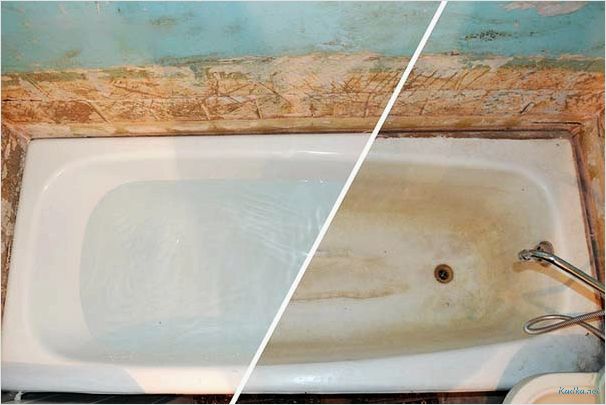
Method 2: bathtub restoration with liquid acrylic
What is used for restoration?
How do we restore?
Advantages of Stacryl
Advantages of glass
1. Night.
An optimally selected fragility coefficient helps, without spending a lot of effort, to make an acrylic coating with a thickness of 4 mm on the walls of the bathtub and 6 mm on the bottom.
2. Separation.
The fluidity effect allows the glass to independently fit the surface of the bathtub and lay down in an even layer.
3. Delayed polymerization
Thanks to this quality, you don’t have to worry about acrylic hardening too quickly.
Once polymerized, the acrylic surface has mechanical and impact strength that is far superior to acrylic liners or enamel layers.
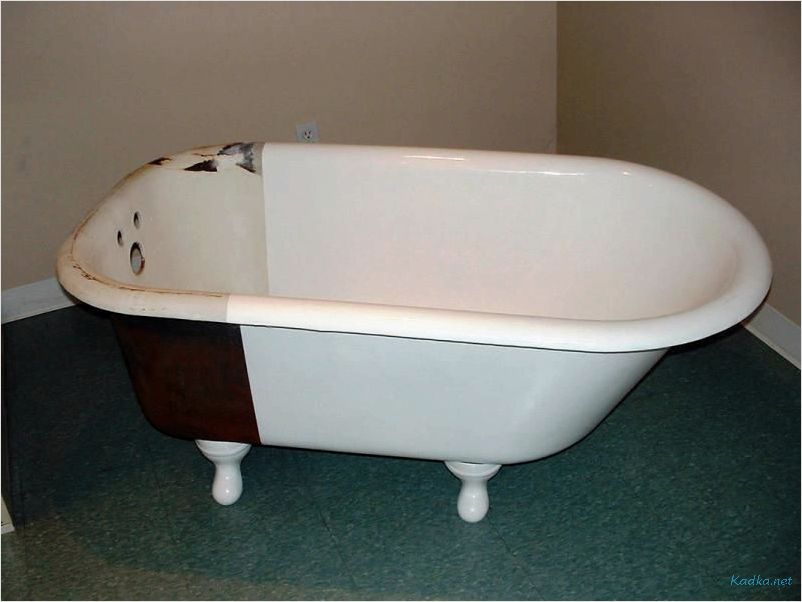
Technology of work execution
The technique of restoring a bathtub with liquid acrylic is even simpler than enameling, and is as follows.
1: Surface preparation
1: Surface preparation
2: Applying liquid acrylic
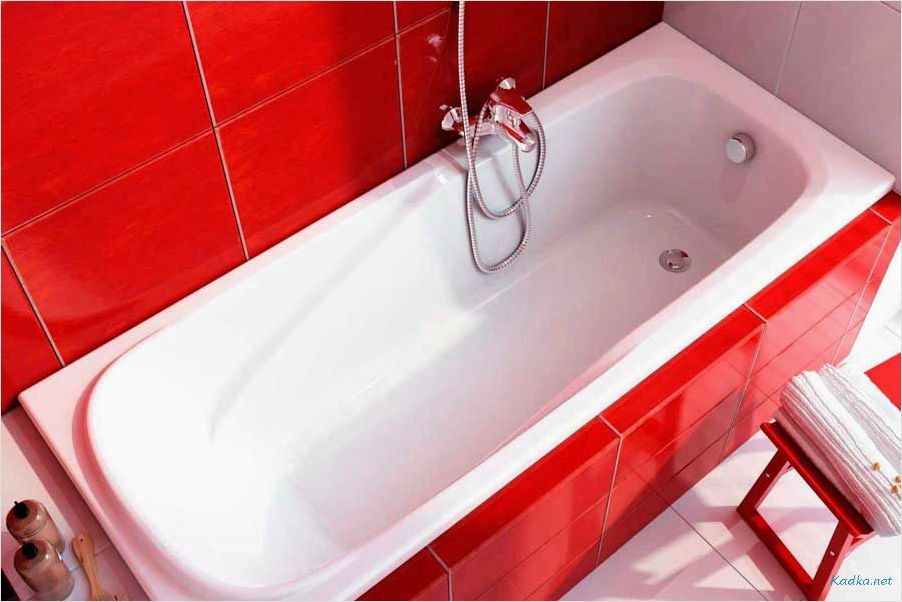
2: Applying liquid acrylic
- Slowly pour the prepared mixture into the top of the bath and, as soon as the stream reaches the center, begin to smoothly move the glass stream around the perimeter of the bath;
- When the circle is closed, repeat the procedure from the middle.
- The fill repair process must be continuous. To do this, you will need a glass container of a suitable size. Don’t skimp – it’s better to pour a little more acrylic than not have enough. The excess goes into a container under the drain.
Acrylic polymerizes in one to four days, depending on the type. Selecting glass with a longer drying time will improve the quality of the acrylic surface.
The service life of a restored bathtub is approximately 20 years.
Method 3: bathtub restoration using a liner
Method 3: bathtub restoration using a liner
You have the opportunity to order the production of a specific bathtub liner from one of the companies and install it yourself.
The technique for installing the liners is as follows:
Thoroughly clean and degrease the surface of the bathtub;
- Insert the manufactured liner into the bathtub;
- Make sure that the drain holes are connected correctly;
- Trim the liner to the line of the wall tile;
- Apply special glue to the inner surface of the bathtub and the outer surface of the liner and join them;
- The joints are additionally sealed with silicone.
- After installing the liner, fill the bathtub with cold water and store it for one day. The restored bathtub can then be used immediately.
The liner can be used for up to 10 years.
How much will bathtub restoration cost?
How much will it cost to restore a bathtub?
Bathtub Enameling
Bathtub enameling
Liquid Restoration
Self-leveling restoration
Acrylic Liner
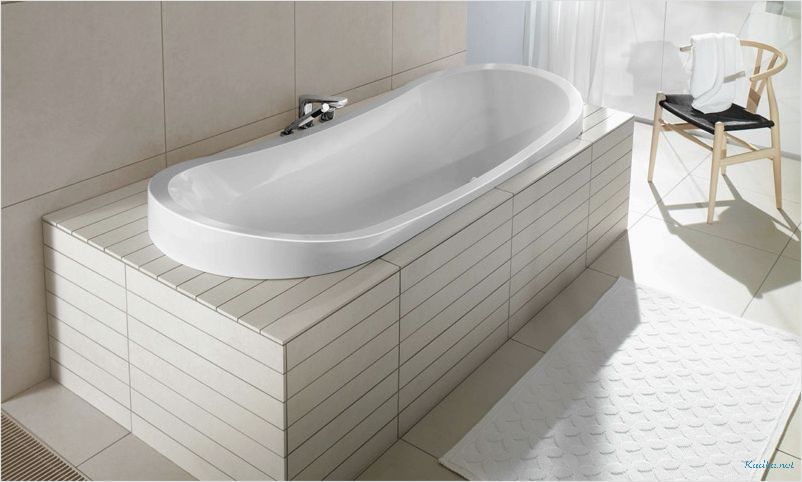
Acrylic liner
Restoration of old bathtubs: enamel, acrylic, and liners
Restoration of old bathtubs: enamel, acrylic, and liners