Metal cutter: main characteristics and application
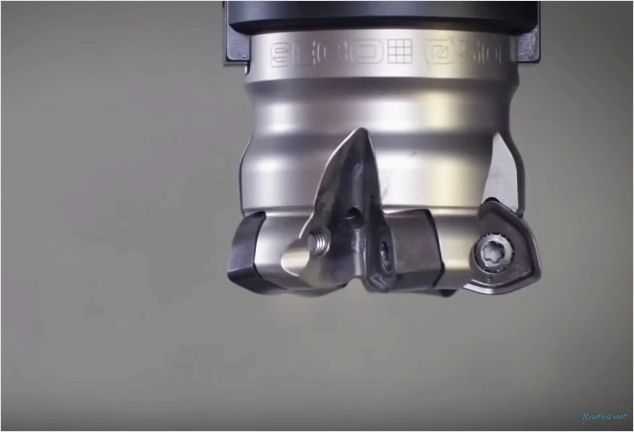
A metal cutter is a tool that is used for processing metal parts. It consists of a cylindrical rod with teeth at one or more ends. The cutter can have different shapes and sizes, depending on the type of material being processed and the desired result.
Contents of the article:

Metal cutters are used in various industries, including mechanical engineering, aviation, shipbuilding and others. It allows you to perform operations such as milling, boring, threading and others. The cutter can be used on both computer numerical control (CNC) machines and conventional milling machines.
When working with a metal cutter, certain safety precautions must be observed. First, you must use safety glasses and gloves to prevent possible injuries. You should also take into account the characteristics of each type of metal and select the appropriate cutter for processing. In addition, it is necessary to correctly configure the milling machine and control the processing process.
What is a metal cutter?
A metal cutter is a tool that is used to machine and shape metal parts using a rotating cutting element. Metal cutters are widely used in mechanical engineering, metalworking and other industries.
Metal cutters can have different shapes and sizes, depending on the specific task. They can be single-sided or double-sided, with different types of teeth and cutting edges. Metal cutters can be made from a variety of materials, such as high-quality steels, carbide and ceramics.
Metal cutters are used for operations such as milling, boring, drilling holes and creating various profiles on the surface of metal parts. They can be used to process different types of metals, including steel, aluminum, copper and titanium.
To work with metal cutters, you must have special equipment, such as milling machines or hand routers. The operator must be trained and experienced with this tool, as improper use of the cutter may result in damage to the tool or workpiece.
It is important to choose the right cutter for a specific application, taking into account the material that will be processed and the desired result. It is also necessary to set up the router or hand router correctly to achieve the desired result.
In conclusion, metal cutter is an important tool in the field of metalworking and mechanical engineering. It allows you to perform various operations on processing metal parts and creating different shapes and profiles. Proper use of a metal cutter and selection of the appropriate cutter are key to successful metal cutting.
Description and Application
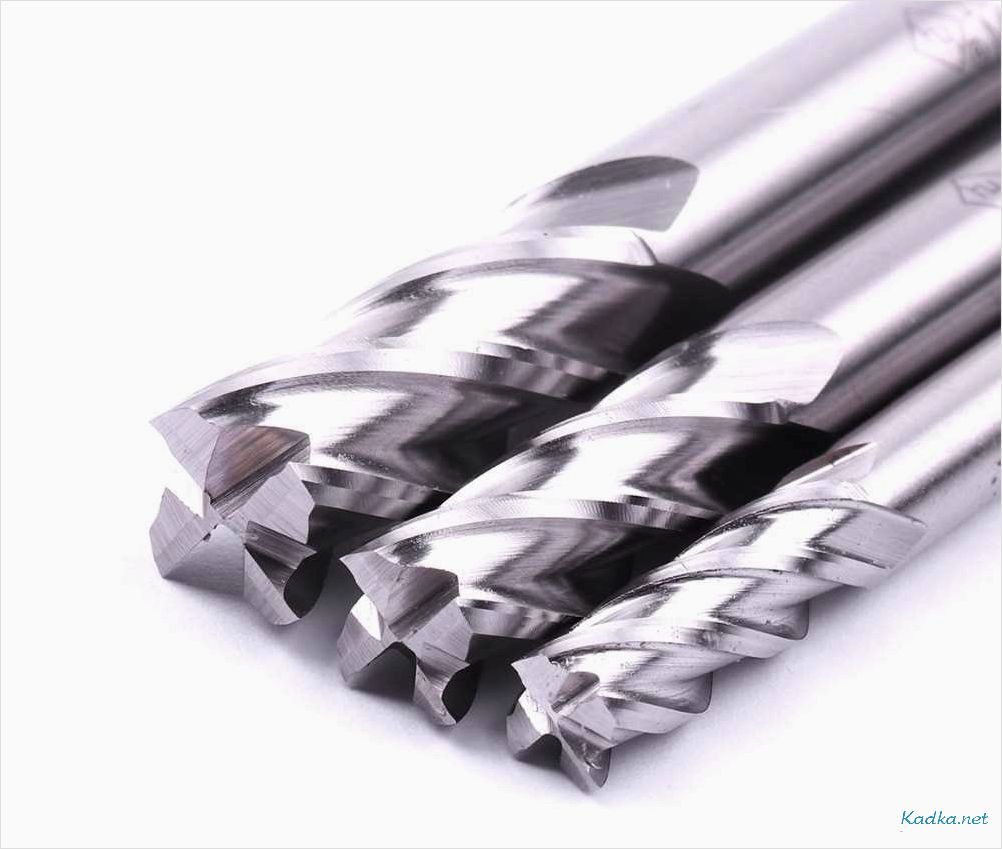
A metal cutter is a tool designed for processing metal surfaces. The cutter consists of a body and a working part, which has teeth or cutting edges. The cutting edges of a metal cutter can be of different shapes and sizes depending on the task and the material that needs to be processed.
The use of metal cutters is widespread in various industries that require precise and high-quality metal processing. Milling cutters are used for creating holes, cutting threads, milling slots and grooves, and for shaping and finishing surface contours.
Metal cutters are used in mechanical engineering, the automotive industry, aerospace, energy and other industries that require processing of metal parts. They effectively cope with the processing of steel, aluminum, cast iron and other metal surfaces.
The choice of a cutter for metal depends on many factors, such as the type of material being processed, the required depth and quality of processing, cutting speed and other parameters. The correct choice of cutter allows you to achieve high productivity and quality of metal processing.
To increase the service life of a metal cutter and ensure high-quality processing, it is recommended to use cooling and lubrication during cutting. Cooling and lubrication reduces friction and cutter wear and effectively removes chips.
In conclusion, a metal cutter is an indispensable tool for processing metal surfaces. Thanks to their design and the variety of shapes and sizes of cutting edges, metal cutters allow you to perform various metal processing operations with high accuracy and quality.
Types of cutters for metal
Metal cutters are tools designed for processing metal surfaces. They vary in shape, size and purpose. Depending on the problem that needs to be solved, a certain type of cutter is chosen.
1. Cylindrical cutters
Cylindrical cutters have a cylindrical shape and are used for processing flat surfaces. They can be single- or multi-cutting, with one or several working cutting edges.
2. Ball cutters
Ball cutters have the shape of a hemisphere and are used for processing convex surfaces. They can also be single or multi-cut, with one or more working cutting edges.
3. End mills
End mills have a working edge at the end of the tool and are used for processing end surfaces. They are often used to create grooves, gutters and other elements with end surfaces.
4. Centering cutters
Centering cutters are used to create centering holes in metal parts. They have a conical shape and ensure precise centering of the tool before performing other operations.
5. Profiling cutters
Profiling cutters are used to create complex profiles on metal parts. They have a special shape that matches the required profile and allow you to obtain accurate and high-quality results.
6. Spiral cutters
Spiral cutters have a spiral shape and are used for processing metal parts with high rotation speeds. They have good efficiency and ensure uniform removal of material.
7. Groove cutters
Groove cutters are used to create grooves and grooves in metal parts. They have a special shape with cutting edges that allow you to create the required depth and width of the groove.
8. End mills
End mills have a working edge at the end of the tool and are used for machining end surfaces. They allow you to obtain even and smooth edges and are widely used in the production of metal products.
9. Grooving cutters
Grooving cutters are used to create grooves and groove-shaped holes in metal parts. They have a special shape that allows you to obtain the required shape and size of the groove.
10. Planar cutters
Planar cutters are used for processing flat surfaces of metal parts. They have a flat shape and provide high precision and quality of processing.
Table of types of cutters for metal
Cutter typeDescriptionCylindricalMachining flat surfacesBall-shapedMachining convex surfacesEndEnd surface processingCenteringCreating Centering HolesProfilingCreating complex profilesSpiralHigh speed machiningGroovedCreating grooves and groovesEndEnd surface treatmentGroovingCreating grooves and groove-shaped holesPlanarMachining flat surfaces
Choosing a cutter for metal
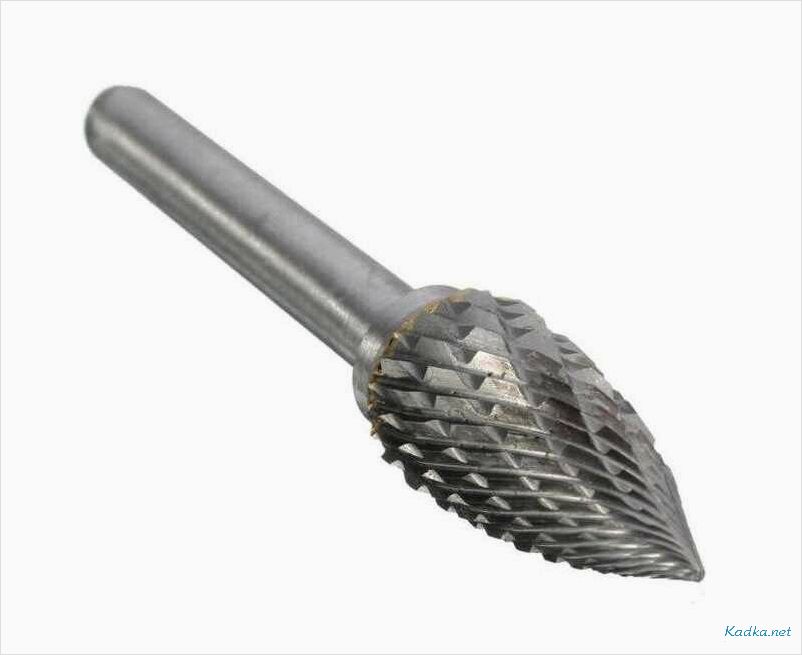
The milling cutter is one of the main tools in metal processing. Choosing the right cutter can significantly affect the quality of processing and work efficiency. In this article we will look at the main parameters that should be considered when choosing a cutter for metal.
1. Cutter material
One of the important parameters when choosing a cutter is its material. The most common materials for making cutters are:
- High-speed steels (HSS) have good strength and wear resistance. Suitable for machining most metals including steel, cast iron, aluminum, etc.
- Carbide cutters are made from alloys with the addition of hard carbide materials. They have high hardness and wear resistance, which allows them to be used for processing heavy and hard metals.
- Ceramic cutters have high hardness and heat resistance. Suitable for processing high-temperature alloys and other difficult-to-cut materials.
2. Shape and type of cutter
The shape and type of cutter also play an important role in the selection. There are a large number of different shapes and types of cutters, each of which is designed for specific types of metal processing.
Some of the most common cutter shapes and types are:
- Cylindrical cutter – has a cylindrical shape and is designed for processing flat surfaces.
- Ball-shaped cutter – has the shape of a ball and is used for processing radius surfaces and cutting grooves.
- End mill – designed for processing the ends of metal parts.
- Milling cutter with inserts – consists of a main body and replaceable inserts. Allows you to quickly replace old plates with new ones when worn.
3. Parameters of the cutting part of the cutter
The main parameters of the cutting part of the cutter are:
- Diameter – determines the size of the cutter and depends on the required size and depth of processing.
- The number of teeth affects the speed and quality of processing. The more teeth, the smoother the surface of the processed metal will be.
- Sharpening angle – determines the angle of inclination of the cutter teeth. Different sharpening angles are designed to handle different materials and surfaces.
4. Recommendations for choosing a cutter
When choosing a cutter for metal, consider the following recommendations:
- Determine the material you will be cutting and select a cutter suitable for that material.
- Determine the required shape and type of cutter according to the type of processing.
- Check the parameters of the cutting part of the cutter to ensure the required depth and quality of processing.
- Buy cutters from trusted manufacturers to be sure of their quality and durability.
5. Conclusion
Choosing a cutter for metal is a complex and responsible process that requires taking into account many parameters. The correct choice of cutter will allow you to achieve high quality metal processing and increase work efficiency.
Techniques for working with a metal cutter
1. Preparation of the workplace
Before you start working with a metal cutter, you need to prepare your workplace. Make sure all tools and accessories are in good condition. Check that the work area is clean and free of foreign objects.
2. Selecting a cutter
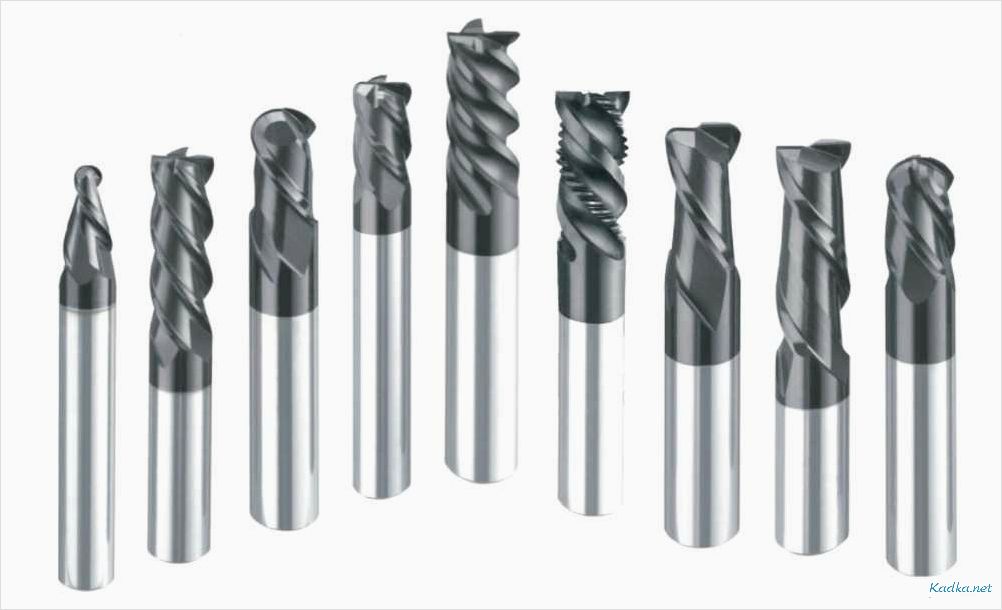
Choosing the right cutter is an important step in metal working. Consider the material you are going to work with, as well as the type of processing required. There are different types of cutters, such as roller cutters, slotted cutters, cylindrical cutters and others. Choose the right cutter for your application.
3. Correct installation of the cutter
Before installing the cutter, make sure it is clean and undamaged. Then secure the cutter correctly in the router spindle. Make sure the cutter is securely secured to prevent it from moving or falling during operation.
4. Cutting depth adjustment
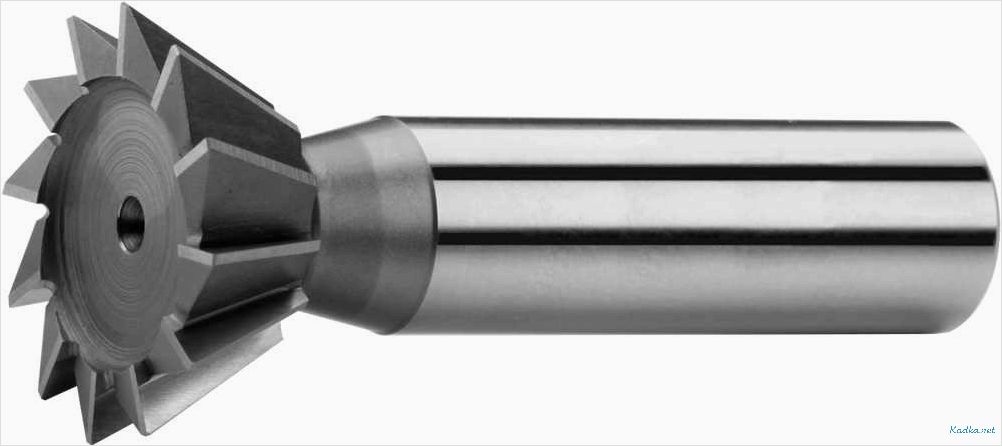
Determine the required cutting depth and adjust it on the router. Fix the cutting depth to ensure uniformity and accuracy of metal cutting.
5. Getting started
Before you start working with a metal cutter, make sure that all settings and adjustments are made correctly. Then carefully and smoothly turn on the milling machine and begin processing the metal. When working with a metal router, remember to be safe and use protective equipment such as safety glasses and gloves.
6. Checking the quality of processing
After completing work with a metal cutter, check the quality of the processing. Evaluate the cutting depth and accuracy, as well as the overall surface of the machined part. If necessary, make adjustments and repeat the processing process.
7. Care of the cutter
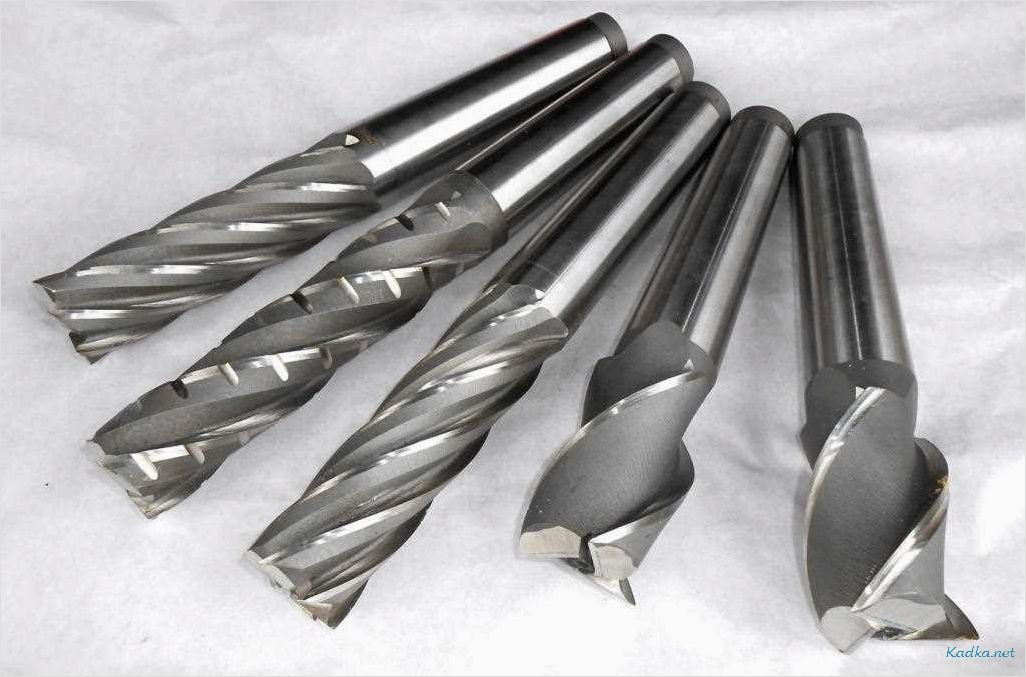
After work, do not forget to clean the cutter from metal residues and other contaminants. Also regularly check the condition of the cutter and, if necessary, replace it with a new one. Store the cutter in a safe place away from damage.
8. Maintaining security
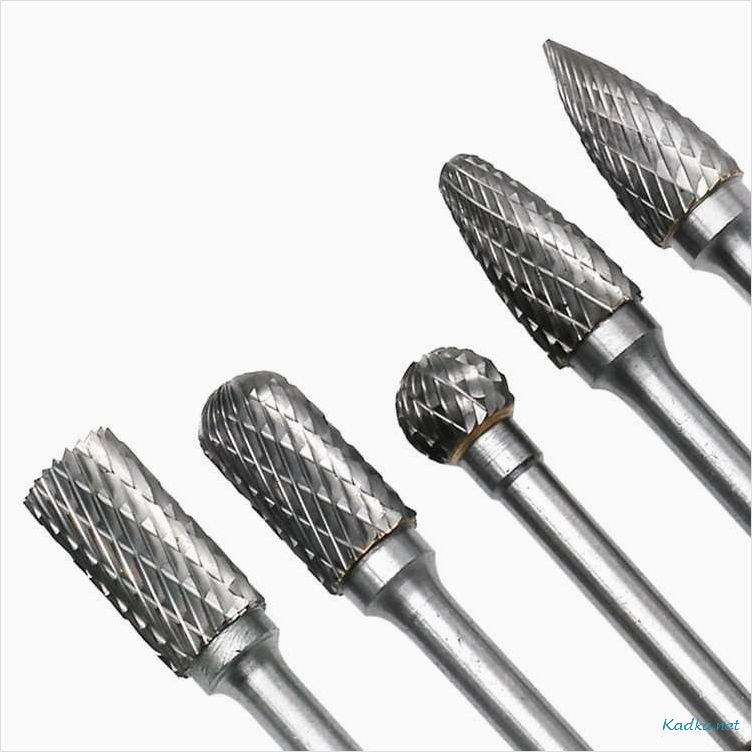
When working with a metal cutter, do not forget about safety. Wear protective equipment, follow operating instructions, and avoid misuse of the tool. In case of problems or an emergency, stop working immediately and seek professional help.