Environmental impact of plastic bottles and their recycling
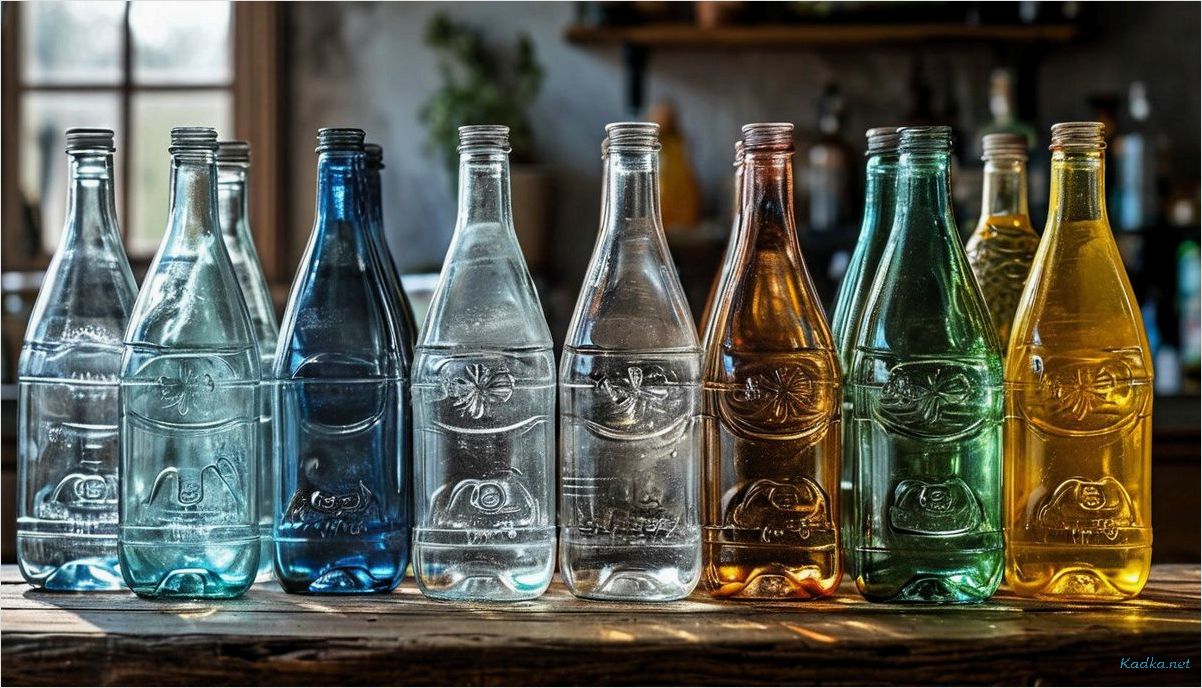
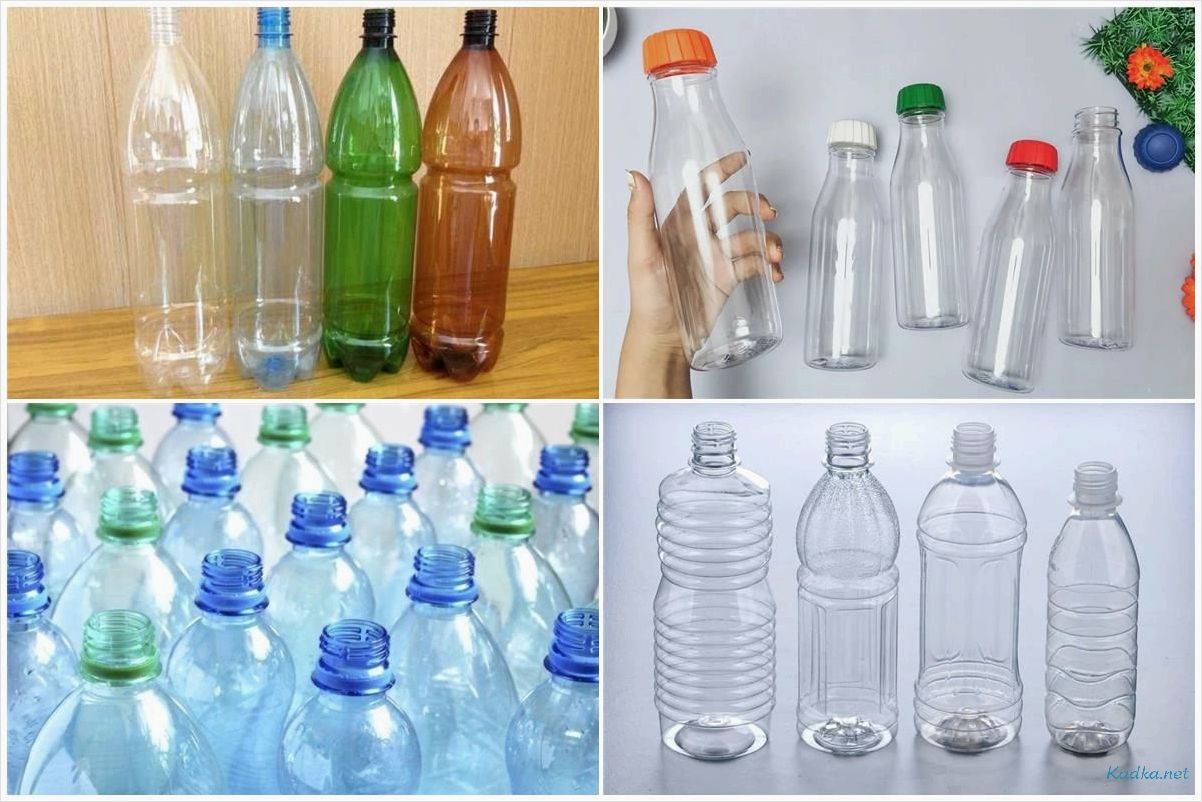
Choose PET bottles if you need durable and lightweight containers for storing and transporting liquids. These bottles are made from polyethylene terephthalate, a material that combines reasonable cost, resistance to damage and hygiene. Almost every second package for water, soda and other drinks today is made of PET, which indicates its convenience and affordability.
Contents of the article:
One of the main characteristics of PET bottles is their ability to preserve the properties and taste of products without foreign odors and impurities. The material is resistant to oxygen and carbon dioxide, making it an excellent choice for drinks with gases or high sensitivity to oxidation. In addition, these bottles are lightweight, significantly reducing logistics costs compared to traditional glass options.
It is also worth noting that recycling PET bottles is becoming more accessible. Today, textiles, construction materials and new containers of the same type are produced from used plastic bottles, which can significantly reduce the amount of waste. Therefore, after use, throw bottles into special containers for separate waste collection. Taking good care of the resource will not only extend the life of the material, but also reduce the negative impact on the environment.
Problems of removing plastic bottles from organic waste
Sort household waste immediately: PET bottles should not end up in organic waste. Use separate plastic containers to avoid contamination of compostable materials. Plastic impurities significantly degrade the quality of processed organic raw materials, creating toxic microplastics that can end up in the environment.
If such bottles end up in organic waste, they must be removed manually. For large volumes of organic feedstock, this can be simplified using optical plastic separation mechanisms that operate in landfills and recycling plants. However, the quality of separation depends on the purity of the initial sorting.
For simple damage pet bottles during operation, its components begin to decompose into microparticles, which complicates extraction when sifting the compost. This can be prevented by using biodegradable bottles where possible, but this approach requires adjustments to production processes and conscious consumption.

Inform others about the importance of separate collection: public participation reduces the entry of PET bottles into organic waste. Collective efforts at the household, enterprise and infrastructure levels will bring the frequency of mixing of such waste to a minimum, improving the environmental situation.
How to recycle a plastic bottle at home: step-by-step instructions
Step 1: Prepare PET bottles for recycling. Before starting the process, completely remove all caps and labels. Rinse the bottles with water to remove any remaining liquid or dirt. This is important for further use of the material.
Step 2: Separate the bottle into its components. Cut the PET bottle with scissors or a utility knife into small pieces (for example, strips, squares or other convenient format). To do this, securely secure the bottle to your work surface.
Recycling at home
Step 3: Use slicing. Some of the chopped elements can be used to create practical things. For example, make a rope by twisting strips. Heat the material with a hairdryer to provide additional flexibility.
Step 4: Create a new product. PET plastic can be used to make homemade containers, decorations or small accessories. Under the influence of hot water or a hairdryer, the material changes shape, which makes it easy to give it the desired shape.
Reuse of waste
Consider using bottle caps. They can be turned into mosaic pieces or elements for children’s crafts. The labels are suitable for secondary sorting.
Tip: Collect any remaining material that you could not use and take it to the nearest plastic collection point. This way you can recycle the bottle as efficiently as possible.
Making useful items from plastic bottles with your own hands
Cut the PET bottle horizontally, leaving the top and bottom. The top can become a convenient funnel for pouring small grains, salt or sugar. Use the lower part as a container for small items: nails, buttons or office supplies.
Long strips of plastic bottles can be used to create strong ropes. To do this, cut the bottle in a spiral to get a long strip and heat it with a hairdryer or over a fire – the plastic will tighten and become stronger. Such ropes are suitable for household needs and packaging design.
The bottoms of PET bottles can be turned into decorative decorations: paint them with acrylic paints and join them together. You will get parts for creating panels, wall compositions or Christmas tree decorations.
Use several plastic bottles to create a convenient organizer for small items. To do this, cut off the top of several bottles of the same height, glue them together with hot glue, connecting the walls. The finished organizer is suitable for storing pens, brushes or cosmetics.
Build a vertical garden panel for growing greens. Cut the side of the PET bottles, leaving a hole. Make holes to attach to a rope or wire, fill with soil, and plant plants. Hang the structures on the wall or balcony railing.
Use PET bottles as molds for pouring plaster. For example, you can make stylish coasters or small vases from the bottoms of bottles.