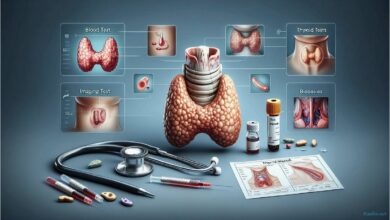
Growth Hormone: What It Is and What It Does

It is impossible to live a normal life without normal levels of growth hormone. It is commonly referred to as growth hormone. It is an active protein that plays a vital role in the body regarding metabolism and the production of new cells. It is synthesized in the pituitary gland and therefore influences these processes directly from the brain.
Article Contents:
About the Hormone
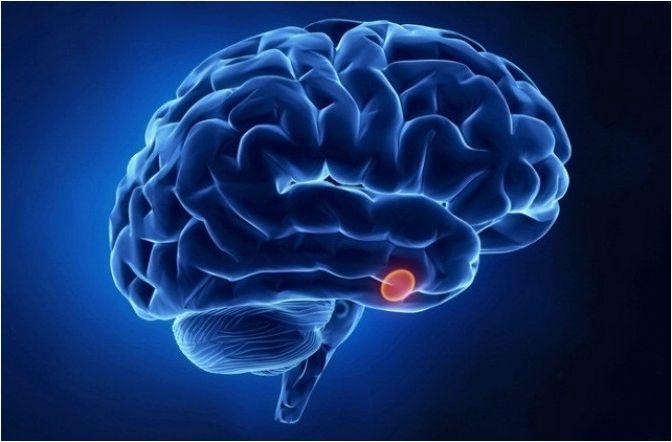
The human body produces a vast number of compounds that control the body’s development, regulate the function of vital glands, and control metabolism. Somatotropin (growth hormone) is produced in the pituitary gland, which is under the direct control of the hypothalamus. It is responsible for body growth, the regulation of metabolic processes—including the breakdown of proteins, fats, and carbohydrates—and the functioning of the endocrine glands.
Growth hormone levels are highest during early childhood, when children are growing rapidly. A growth hormone deficiency causes children to lag behind their peers in growth. In advanced cases, this can lead to delayed overall development and have serious consequences.
It is important to note that an excess of growth hormone can also lead to undesirable consequences. In this case, the child outpaces their peers in every respect, and their growth does not stop after puberty. This can develop into gigantism or acromegaly.
The peak production of growth hormone occurs from the moment of birth until the end of puberty. However, it is important to monitor its concentration in adulthood. It is responsible for many vital processes in the body, including cell production, tissue formation, and proper metabolism. The peptide’s primary mechanism of action allows it to bypass the receptors with which somatotropin interacts. A positive solution for athletes is the drug buy hgh frag 176191 which is available at PepMarket.
Functions

Somatotropins perform many important functions in maintaining human health. These include processes essential for normal human life, as well as recovery from stress, physical exertion, and other adverse effects.

Fat Breakdown

Growth hormone is released at night when the body is resting. This happens because during the day, a person consumes enough carbohydrates through food. These provide energy. At night, somatotropin is actively produced and fat deposits are broken down. That’s why, upon waking up, a person looks a little slimmer than during the day.
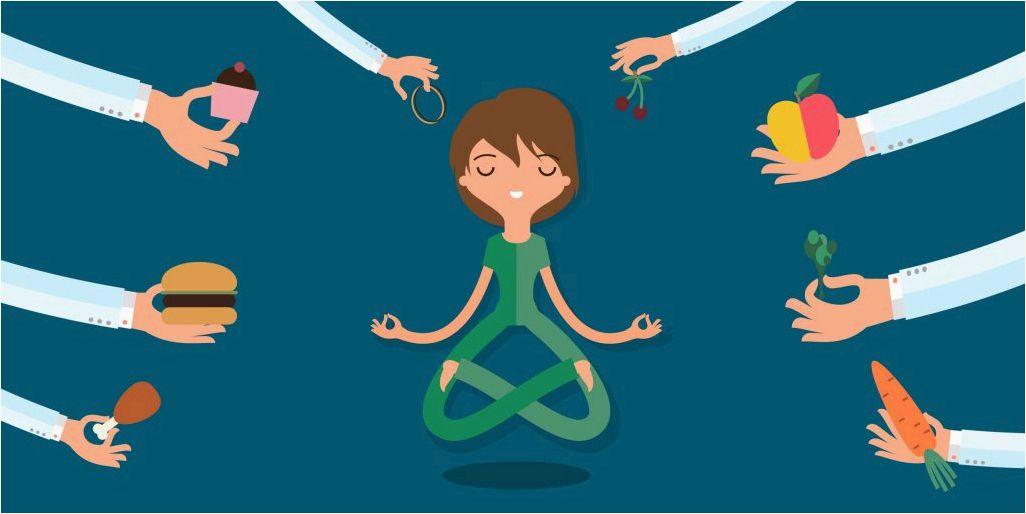
However, these processes won’t work if you prefer to eat a heavy meal before bed or go to sleep later than usual. In order for somatotropin to be produced in accordance with its natural function, it’s important to follow a few rules:
- Don’t eat at night;
- Avoid starchy, salty, and sweet foods in the evening;
- Go to bed on time;
- Do not eat at least a few hours before bedtime.
Hormones break down fat and produce the energy we need. At the same time, long-term fat reserves that have accumulated in the body are processed. People can “lose weight” without much effort.
Maintaining Skin Elasticity

Participation in tissue regeneration and increased protein production help keep the skin in good condition and actively maintain its health. It becomes firmer, more elastic, and smoother, and the appearance of wrinkles is delayed.
Increasing Muscle Strength and Bone Density

Under the influence of growth hormone, which is produced in sufficient quantities by the pituitary gland, muscles and bones become stronger, their elasticity and resilience increase, and they remain “young” for longer. As a result of the prevention of mineral loss from the bones, the risk of developing osteoporosis is significantly reduced. This also lowers the risk of fractures.
Thanks to exercise, somatotropin is produced more intensely and rapidly during physical activity, thereby enhancing the strengthening process.
To walk with the help of growth hormone production and work out at the gym, stop eating chocolate before your workout, as well as sugary drinks, coffee, and tea. They are a source of carbohydrates in the body and are sufficient for exercise. Somatotropin production is interrupted.
Regulating Fat Metabolism
Growth hormone regulates and reduces the production of harmful cholesterol, which accumulates in the walls of blood vessels and leads to the development of atherosclerosis, heart attacks, strokes, and diseases of the vascular system.
The functions of growth hormone are very broad. It breaks down substances entering the body and provides energy to organs and tissues. As a result of normal hormone synthesis, the entire body is strengthened, bones and tissues become more elastic, and metabolism is normalized.
Reference Ranges
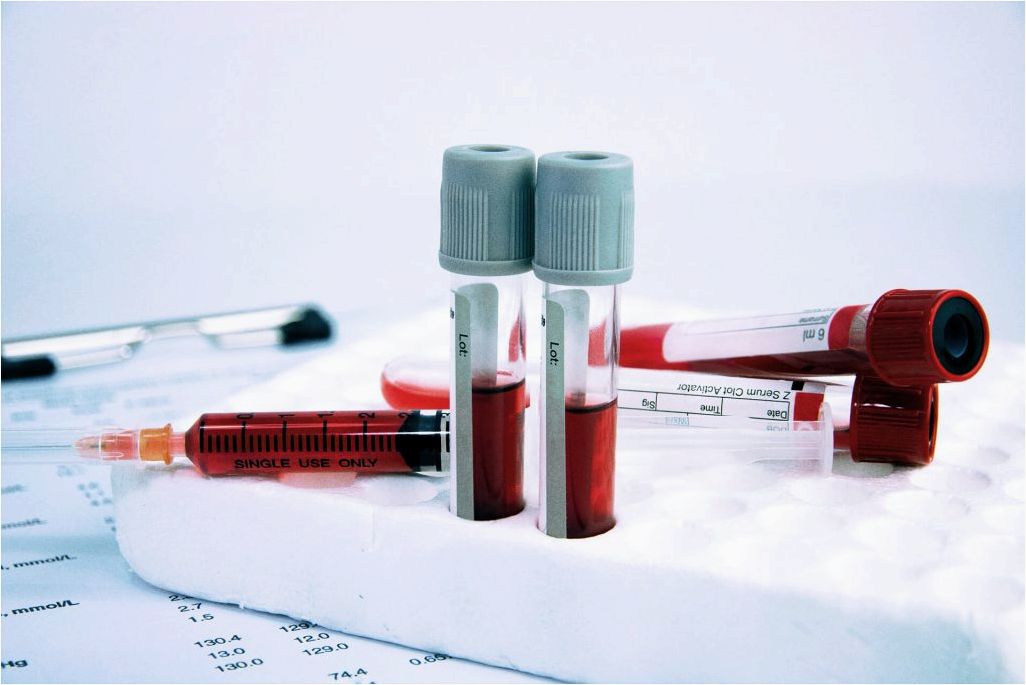
Patients of all ages can be tested for serum hormone levels. To do so, simply visit the nearest laboratory to have a blood sample drawn. These tests may be ordered in the following cases:
- Growth delay or acceleration in pediatric patients;
- Muscle weakness in adults;
- Diagnosis of low gland activity;
- Porphyria;
- Bone mineral loss;
- Excessive sweating;
- Primary hypoxia;
- Hypoglycemia.
To ensure accurate growth hormone secretion results, it is important to properly prepare for laboratory testing. To do this, fast for 8–12 hours, avoiding coffee, tea, sweetened juices, and carbonated beverages. Drink only plain, non-carbonated water.
Refrain from smoking for at least 1 day before the test and for at least 3 hours before the blood draw; avoid physical and emotional stress. Before the venous blood draw, it is recommended to rest in front of the laboratory counter for at least 30 minutes.
There is a table for determining reference ranges for growth hormone. When evaluating results, it is advisable to use these ranges as a guide, but self-diagnosis is strictly prohibited. Only a doctor may perform the diagnosis and prescribe appropriate treatment.
Levels of insulin-induced hormones depend on the patient’s gender and age. A detailed table with average values can be found here:
Patient age and genderConcentration (ng/mL)Women aged 16 to 19176–249Men aged 16 to 1957–425Patients aged 19–22105–345Individuals aged 23–25107–367Individuals aged 26–3088–537Patients aged 31–3541–246Patients aged 36–4057–241Patients aged 41–4543–210Citizens aged 46–5075–19651–5555–250Patients aged 56–6035–200Patients aged 61 to 6550–187Patients aged 66 to 7037–220Patients aged 71 to 8025–200People aged 80 and older17–325
In general, in the adult population, somatotropin levels should be less than 8 mcg/L in women and no more than 3 mcg/L in men.
Elevated and decreased levels: how to manage them

If growth hormone is produced abnormally, this results in either a decrease or an increase in its levels. In cases of alcoholism or in patients with alcoholism, an increase in the somatic growth hormone index is observed. This index can also be altered by vigorous physical exercise.
If quantitative indicators significantly exceed normal hormone production levels, this indicates gigantism and scapular deformity. Excessive synthesis of somatic tropic hormones leads to their enlargement in childhood and adolescence. In this case, body proportions remain unchanged.
There are growths on the shoulder blades, but not bones or tissue, as seen in adolescents, but only internal organs, as observed in adult patients. Their size and weight increase, creating serious problems in daily life. All of this indicates an increase in growth hormone levels in the blood.
An increase in the levels of growth hormones produced by the pituitary gland also occurs after injuries and surgeries. Currently, active stimulation of cells and the growth of new ones are required to maintain and restore the body’s health. Somatropin is produced at an accelerated rate, resulting in an excess of growth hormone.
A deficiency of this substance is characterized by stunted growth and delayed overall development. Immediate intervention is necessary to prevent developmental abnormalities in children. Low levels in adults are also dangerous, as they can lead to the development of various diseases, such as osteoporosis.

To compensate for growth hormone deficiency, it is necessary to establish a proper sleep and rest schedule. In fact, the highest concentration of somatotropin is observed at night. Therefore, electronic devices should be turned off and put away in advance, and bedtime should be no later than 10 p.m.
It is important to eat a proper, balanced diet. Do not exclude protein found in meat and fish. Hormone levels can also increase with moderate physical activity.
After consulting with a doctor, you may switch to medications or amino acids. It is important not to engage in unmonitored self-treatment techniques to avoid harming your body.
Advice from doctors
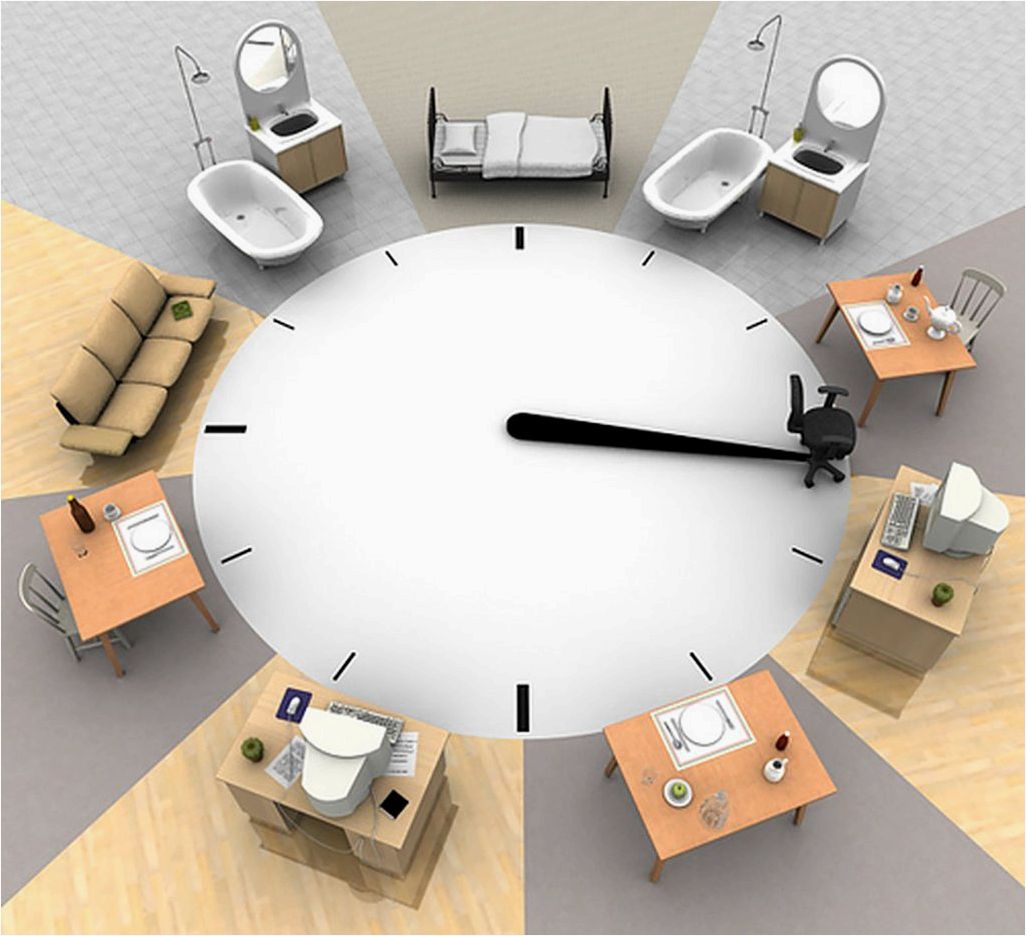
The pituitary gland, which produces growth hormone, must function like a clock. If it doesn’t, your quality of life will decline significantly. To prevent this, always stick to a daily routine. Go to bed on time, get enough sleep, take time to relax, and exercise. Moderate physical activity helps nourish muscles and build a strong skeletal frame.
A balanced diet and food choices are key. The patient’s body must receive sufficient amounts of protein, fat, and carbohydrates. Do not eat before bed, and do not overeat during the day. It is recommended to follow a “proper” diet using healthy foods.
If you suspect any deviation from normal somatic hormone levels, you should immediately consult a doctor for a blood test. Laboratory tests will determine whether you need restorative therapy.
You can resolve issues of pathological deficiency or excess only by consulting a primary care physician. Self-treatment or uncontrolled intake of amino acids can lead to adverse outcomes. Do not self-medicate, even if all tests have already been performed, or even if the test results indicate a deviation from normal growth hormone levels.