Modern Dentistry: Innovations and Technologies in Oral Health Care
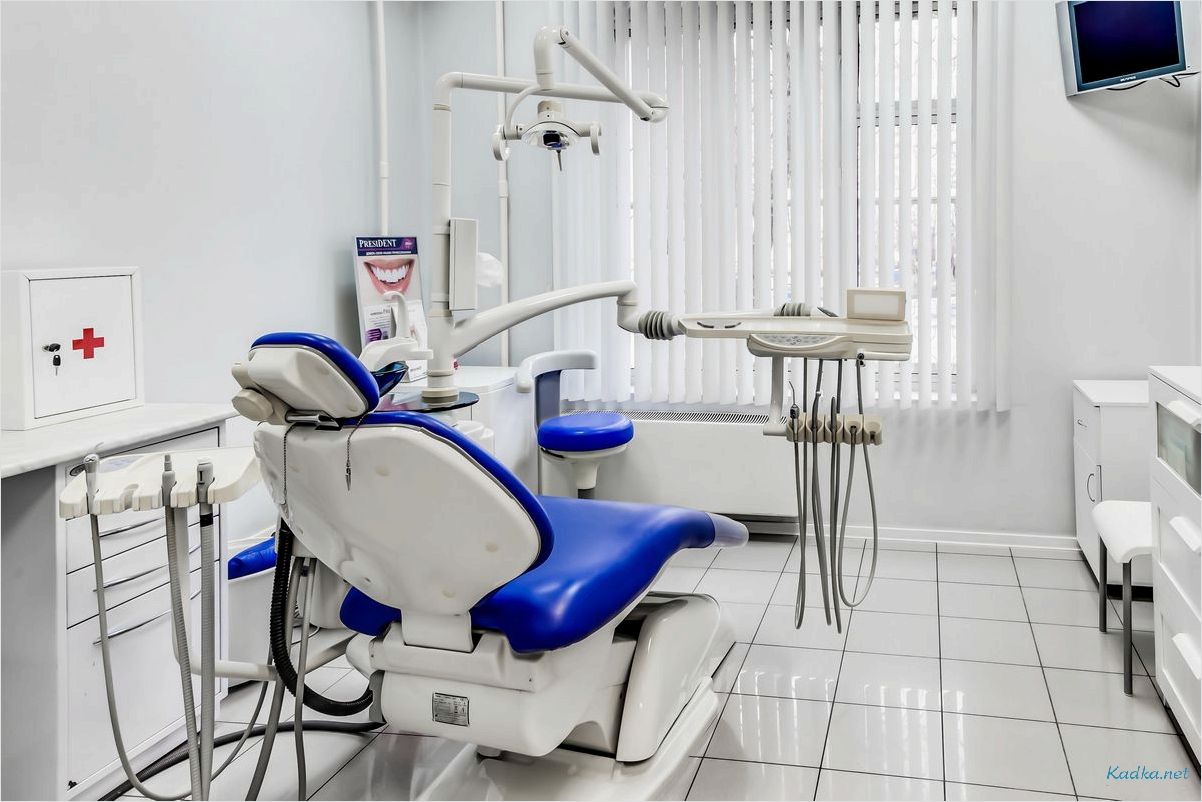
Today, modern dentistry is a branch of medicine that utilizes the most advanced and cutting-edge technologies in its practice, with the goal of maintaining the health of the oral cavity and the body as a whole. Over the past few years, this field of medicine has undergone significant changes and rapid development, which today enable high-quality and painless treatments that ensure maximum patient comfort during the treatment process.
Article Contents:
modern dentistry is based on the use of new materials and instruments, high-tech treatment methods, nanotechnology, and modern equipment, which enable the proper and precise restoration of teeth and the treatment of all possible oral diseases. Great attention is paid not only to the effective treatment of diseases but also to their prevention.
Modern dentistry delivers excellent treatment outcomes, providing comfort and confidence for the future. In this article, we will discuss the main areas and latest technologies in modern dentistry, as well as the wide range of procedures and services currently available to patients.
New Technologies in Modern Dentistry
Digitalization in dentistry has become an integral part of the diagnosis and treatment of oral diseases. Modern technologies allow for greater diagnostic and treatment accuracy, shorter procedure times, and a reduced risk of complications.
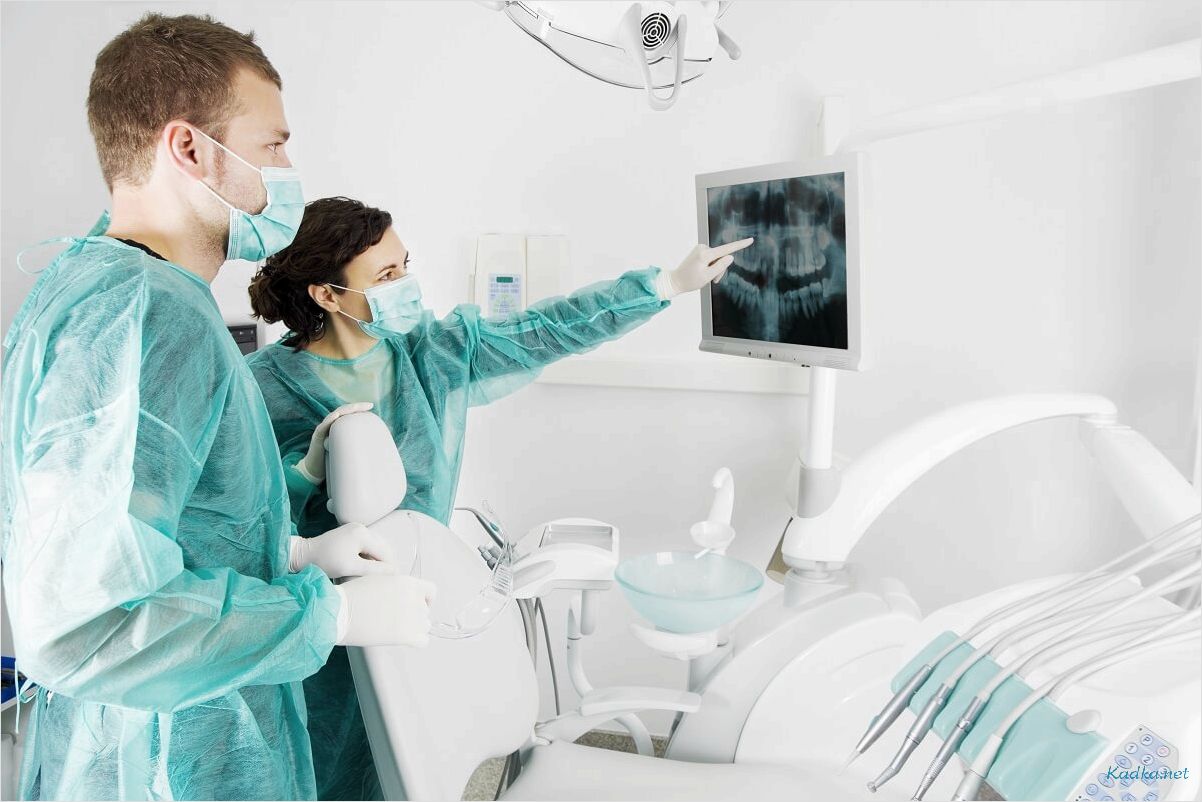
One of the most effective technologies is computed tomography (CT). It provides three-dimensional images of teeth and tissues, allowing the dentist to make a more accurate diagnosis and select the most effective treatment method. Dentists are also increasingly using laser therapy to treat various oral diseases. Laser technologies enable highly effective treatment with minimal impact on healthy tissues.
Another important technology involves the use of specialized electronic devices for scanning and analyzing teeth and oral tissues. These devices help assess the condition of the teeth, the structure and composition of bone tissue, and identify diseases at an early stage.

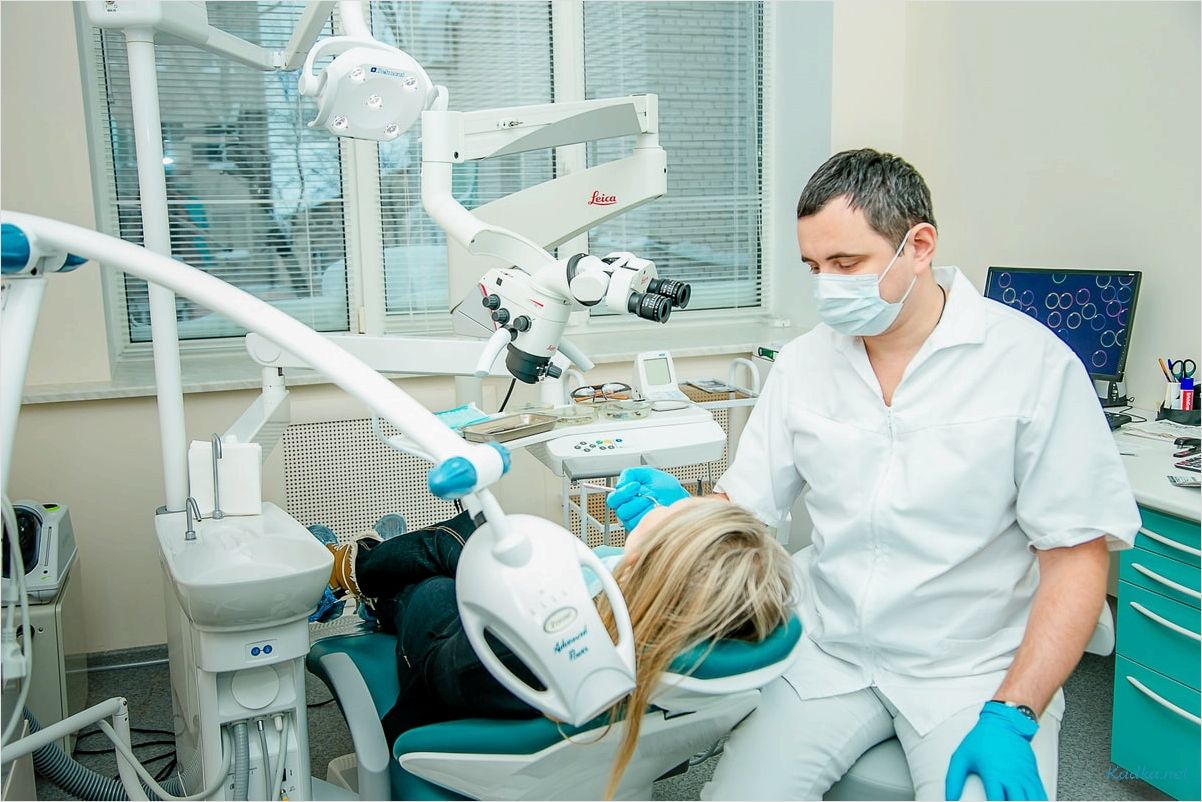
- Overall, modern dentistry has reached an incredibly high level, and new technologies only enhance its capabilities;
- Digitalization and new diagnostic technologies allow dentists to choose more precise treatment methods, reduce the risk of complications, and improve patients’ quality of life.
Innovative Treatment Methods in Modern Dentistry
Modern dentistry in Volgograd strives to apply innovative treatment methods to optimize the tooth restoration process and improve patients’ quality of life. One of the most popular treatment methods is dental implants—artificial tooth roots that are screwed into the jawbone. This method allows for the replacement of missing teeth without the need to grind down healthy teeth for prosthetics. The use of implants in dental restoration leads to long-term treatment success.
Another innovative treatment method is laser dentistry. It is used to treat cavities, periodontitis, cosmetic defects, and other oral diseases. Laser technology allows for treatment without instruments or anesthesia, making the process as comfortable as possible for the patient.
In addition, modern dentistry utilizes CAD/CAM computer-aided design and manufacturing. Using this technology, dentists can create 3D models of teeth, dentures, and crowns, and then fabricate them using milling machines. This method ensures high precision in fabrication and minimizes the number of visits required for treatment.
- Implants — long-term treatment success;
- Laser dentistry — a more comfortable treatment process;
- CAD/CAM computer-aided design — high treatment precision and fewer visits to the dentist.
Prevention of Oral Diseases
Oral care begins with preventive measures that stop various diseases from developing. These include hygiene practices, a healthy diet, and regular visits to the dentist.
In modern dentistry, various methods and technologies are used to prevent oral diseases. One of these is dental fluoridation, which increases the teeth’s resistance to cavities.
Another preventive method is the removal of plaque and tartar. This helps prevent the development of periodontitis and gingivitis—diseases that can lead to tooth loss.
- A key factor in preventing oral diseases is a healthy diet. It is important to eat foods rich in calcium and phosphorus, which promote healthy teeth and bones;
- Regular visits to the dentist are essential for preventing oral diseases. The dentist performs preventive procedures and examines the oral cavity, identifying potential problems at the earliest stage.
Thus, the prevention of oral diseases is an important component of modern dentistry, enabling the preservation of healthy teeth and gums. Adherence to hygiene practices, a healthy diet, and regular visits to the dentist will help prevent many oral diseases.
The Fundamentals of a Patient-Centered Approach in Modern Dentistry
Modern dentistry is based on the principles of a patient-centered approach, which means that the focus is on the patient, not the dentist. This means that the dentist must take into account the individual needs and preferences of each patient to provide the best care and treatment outcomes.
A patient-centered approach involves not only professional care from the dentist but also the patient’s active participation in the treatment process. The dentist should explain all diagnoses and treatment options to the patient so that the patient can make more informed decisions about their care.
- A patient-centered approach also involves taking the patient’s psychological and emotional state into account. This can be particularly important for people who experience fear or anxiety about visiting the dentist;
- Another important aspect is addressing the patient’s individual needs. Some patients may require special equipment to feel more comfortable during treatment;
- Finally, a patient-centered approach helps the dentist maintain ongoing communication with the patient and monitor their condition throughout the treatment process and beyond.
Thus, in modern dentistry, the patient-centered approach is a key element in ensuring high-quality, personalized treatment for each patient. It helps the dentist build a trusting relationship with the patient by taking their needs and individual characteristics into account, which is the key to successful treatment.
Integrating social and environmental considerations into dental practice
Modern dentistry must take into account not only medical considerations but also social and environmental factors. One of the key issues is the ethical aspect of dental care. Dentists must consider not only the patient’s health but also their social status and financial circumstances. Everyone should have access to high-quality dental care.
In addition, the environmental responsibility of dentists is an important consideration. The use of certain materials can harm the environment and human health. Dentists should choose the safest and most environmentally friendly materials for treatment and inform patients about the benefits of using such materials.
- It is also necessary to consider the impact of dental practices on the environment;
- When selecting equipment for dental offices, its energy efficiency and environmental safety must be taken into account;
- Dentists can also conduct educational programs for patients, explaining personal hygiene rules and various ways to behave in an environmentally responsible manner.
Integrating social and environmental aspects into dental practice not only improves the quality of services provided but also has a positive impact on the environment and society as a whole.