Modern Hearing Aid Manufacturing: Differences Between Models for Children, Adults, and Seniors
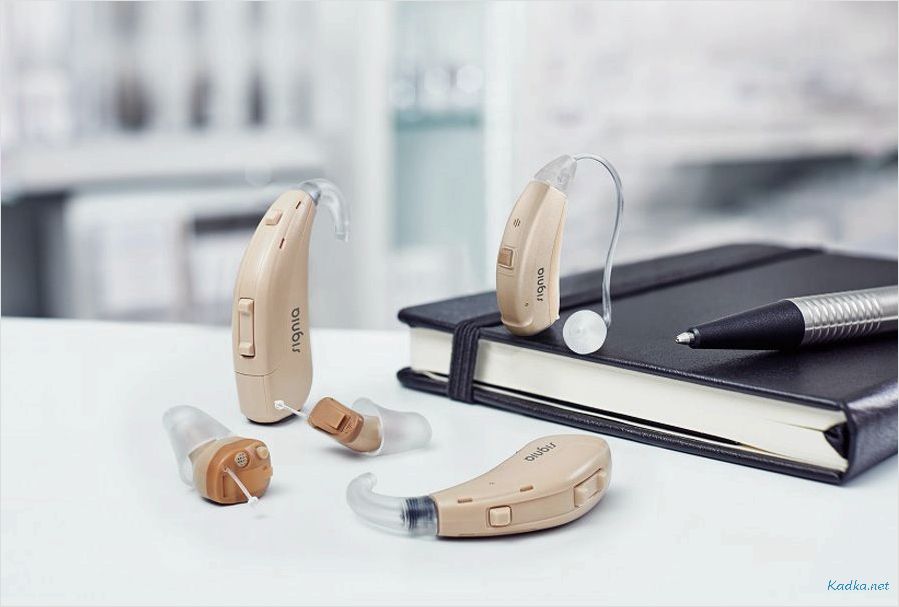
Hearing aids play a vital role in the lives of people with hearing loss. Modern technology enables the production of devices that cater to users’ diverse needs based on their age and specific hearing characteristics.
In this article, we will examine the differences between models for children, adults, and seniors, as well as the importance of visiting a hearing center for a comprehensive approach. Modern manufacturing of these devices combines cutting-edge technology with a personalized approach to each user.
Each user category (children, adults, seniors) requires a specific approach to design, functionality, and ease of use.
Children’s hearing aids are designed with children’s growth and the development of their auditory system in mind. They are built to be durable enough to withstand active play. Children grow quickly, so the devices often require adjustments to accommodate their changing hearing.
Bright designs are particularly important in this case. Attractive colors and shapes are used to make using the device more comfortable and interesting for children.
The adult models offer a wide range of features, including noise control and the ability to connect to other devices (phones, TVs). It’s worth noting their ergonomic design—the models are designed to be comfortable to wear all day long and are made from hypoallergenic materials.

These hearing aids, available on the website “simerex,” are capable of processing more complex sound scenarios and adapting to various environmental conditions.
Hearing aids for seniors and their features
- Ease of use. Models for seniors often feature large buttons and simpler controls, making them ideal for those who are not accustomed to technology.
- Speech clarity enhancement. Older users often face challenges with speech perception, so modern models emphasize this feature.
- Comfortable materials. Lightweight and soft materials are used to minimize discomfort during prolonged wear.
Visiting a hearing center is key to successful hearing correction. Specialists conduct a detailed hearing assessment to accurately identify hearing impairments and select the appropriate solutions.
Every user has unique needs, and professionals can help you choose the right hearing aid, taking into account your age, lifestyle, and health.