Cuba: The Best Destinations for Tourism and Travel
In a world full of diversity and uniqueness, there are places that attract with their inimitable atmosphere and history. One such corner of the earth is an island that adorns the Caribbean Sea with its vibrant palette and cultural heritage. This paradise, shrouded in legend and romance, is known for its white beaches, picturesque towns, and hospitable residents.
Article Contents:
- Historical_Monuments_and_Cultural_Heritage_of_Cuba
- Studying_the_Colonial_Heritage_in_Havana
- Into the depths of history: visiting the Museum of the Revolution in Havana
- Freedom_Island: iconic places of Cuba associated with Fidel Castro
- Natural_resources of the island: national parks and beaches
- Getting to know the culture of Cuba: rhythms, movements, and traditions
- Authentic flavors of the Caribbean: traditional dishes and..
On On this island, where time seems to stand still, every traveler can find a haven from the hustle and bustle of modern life. Experience the magic of local traditions and customs, immerse yourself in an atmosphere of true freedom and ease—this is what Cuba offers, where every square meter is steeped in history and beauty.
Cuba’s natural beauty is designed to captivate everyone. Picturesque landscapes and diverse ecosystems harmoniously blend here. Mountains, deserts, tobacco plantations, sugarcane valleys, and rocky shores—all of this is just a small part of what can be seen on this island. Dense tropical forests and national parks, nature reserves and reefs, bustling cities and quiet villages—every corner of Cuba’s natural landscape is unique and leaves a lasting impression.
Historical_Monuments_and_Cultural_Heritage_of_Cuba
On the beautiful island of Cuba, located in the Caribbean Sea, you can discover a rich historical heritage and unique culture that attract tourists from all over the world. Here you can immerse yourself in the past, exploring ancient landmarks and enjoying an atmosphere that has been preserved for centuries.
Old Havana is a true gem of Cuba, the oldest city in the Americas, founded in 1519. Its narrow streets, colorful facades, and colorful buildings are testament to its rich history and centuries-old culture. Here you can stroll through the Plaza de Armas, visit the famous Cathedral, or admire the city views from the tower of the Real Fort.
Located in southern Cuba, Trinidad is a vibrant historical city founded in 1514. It is famous for its colonial buildings, narrow cobblestone streets, and beautiful churches. Visit the Rum Museum or stroll through the main square, where time seems to stand still.

Casillo del Morro is a fortress located in Havana Bay, built in 1589 to protect the port from pirate attacks. Today, it is one of Cuba’s main attractions, offering stunning views of the city and the sea.
Valle de Vinales is a unique valley located in western Cuba, known for its tobacco plantations and karst mountains. Here you can visit a farm, see how the famous Cuban cigars are made, and enjoy the beautiful scenery.
Cuba’s cultural heritage is also reflected in its music, dance, and cuisine. Here you can hear live salsa or reggae, enjoy traditional dances, and sample authentic Cuban dishes like Caribbean-style clam chowder or arroz con pollo, a Cuban version of paella.
Exploring Colonial Heritage in Havana
1. Old Havana
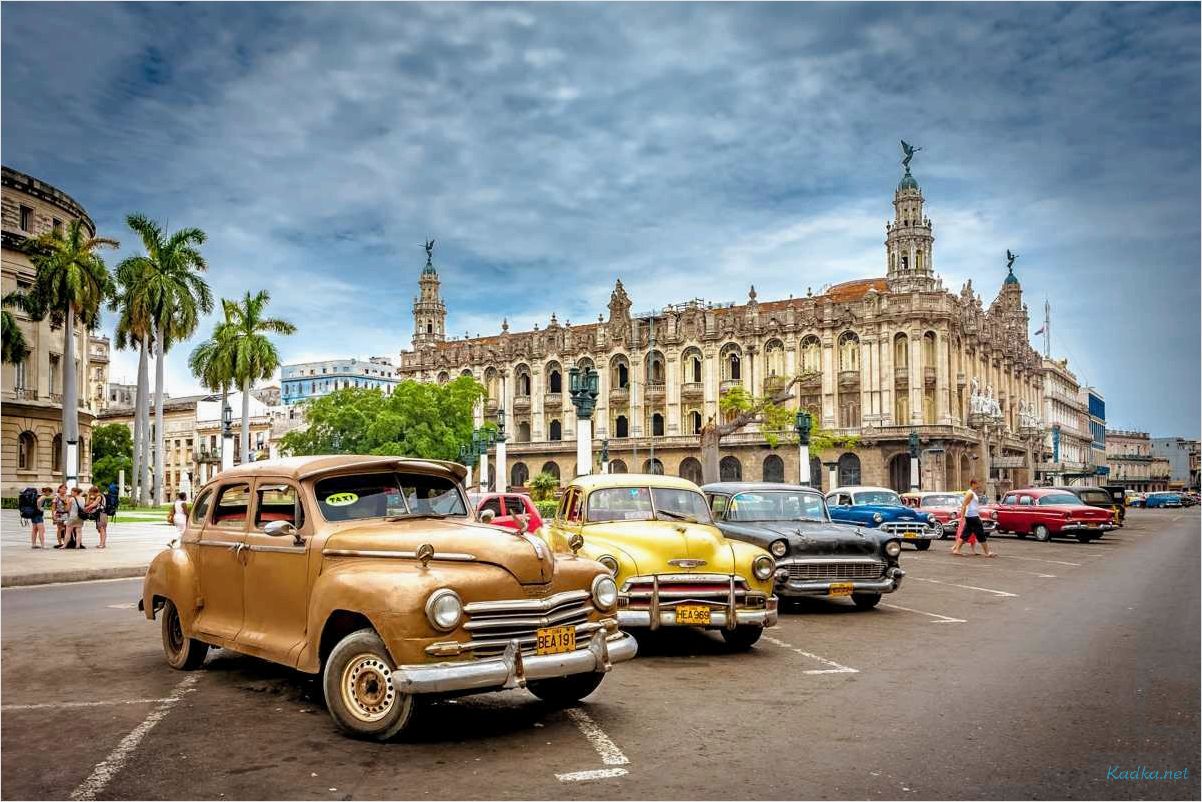
Old Havana, or Habana Vieja, is the city’s historic center and one of the best-preserved colonial cities in Latin America. Strolling through its narrow streets, you’ll immerse yourself in the atmosphere of the 16th to 18th centuries, mingling with modern influences. Here you’ll find numerous historic buildings, churches, plazas, and museums that will tell you about Havana’s history and its colonial heritage.
2. Krepost_Cabaña
Located on the other side of Havana Bay, the Cabaña Fortress is one of Havana’s most important landmarks. It was built in the 18th century to protect the Havana port from attacks. Today, the fortress houses a museum that tells its history and allows visitors to learn more about Cuba’s colonial era.
3. Plaza de Armas
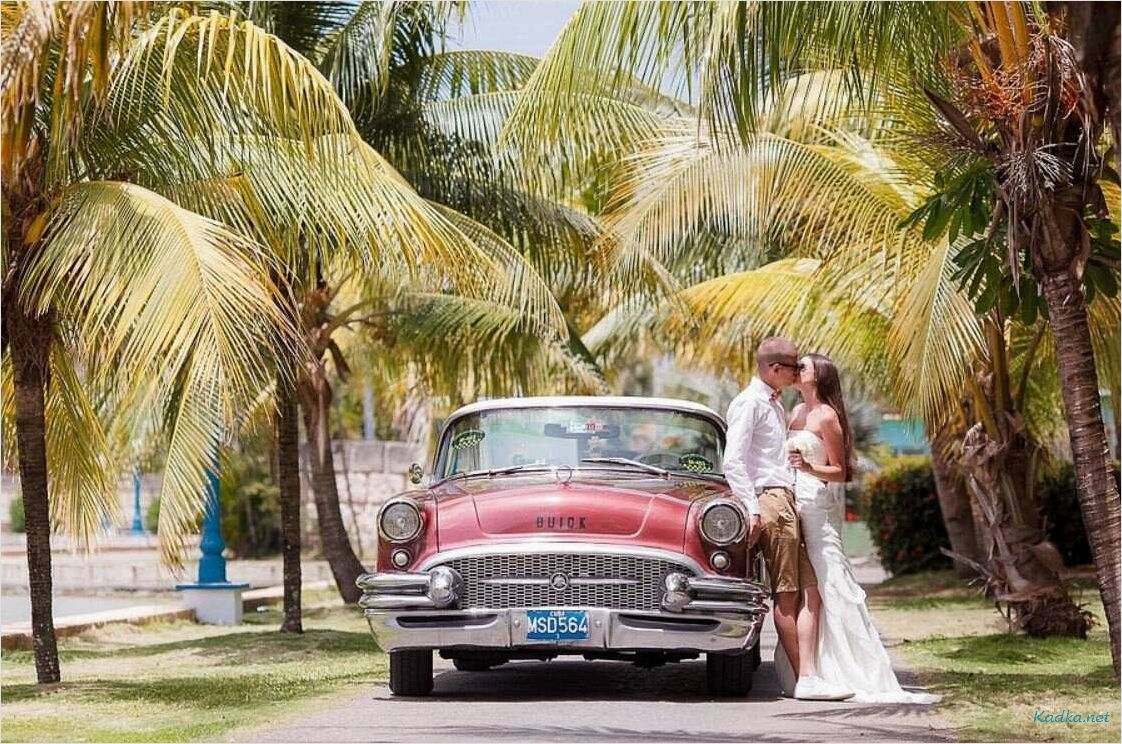
Plaza de Armas is one of the oldest squares in Havana and the central point of Old Havana. Here you will find many historic buildings, including the Main Church of Havana and the Capitol. The square also served as a venue for public events and gatherings, reflecting its importance during the colonial era.
Exploring Havana’s colonial heritage will allow you to immerse yourself in the history and culture of this fascinating place. The city offers numerous opportunities to immerse yourself in the colonial era, and every corner will be a new discovery and adventure.
Into the depths of history: visiting the Museum of the Revolution in Havana
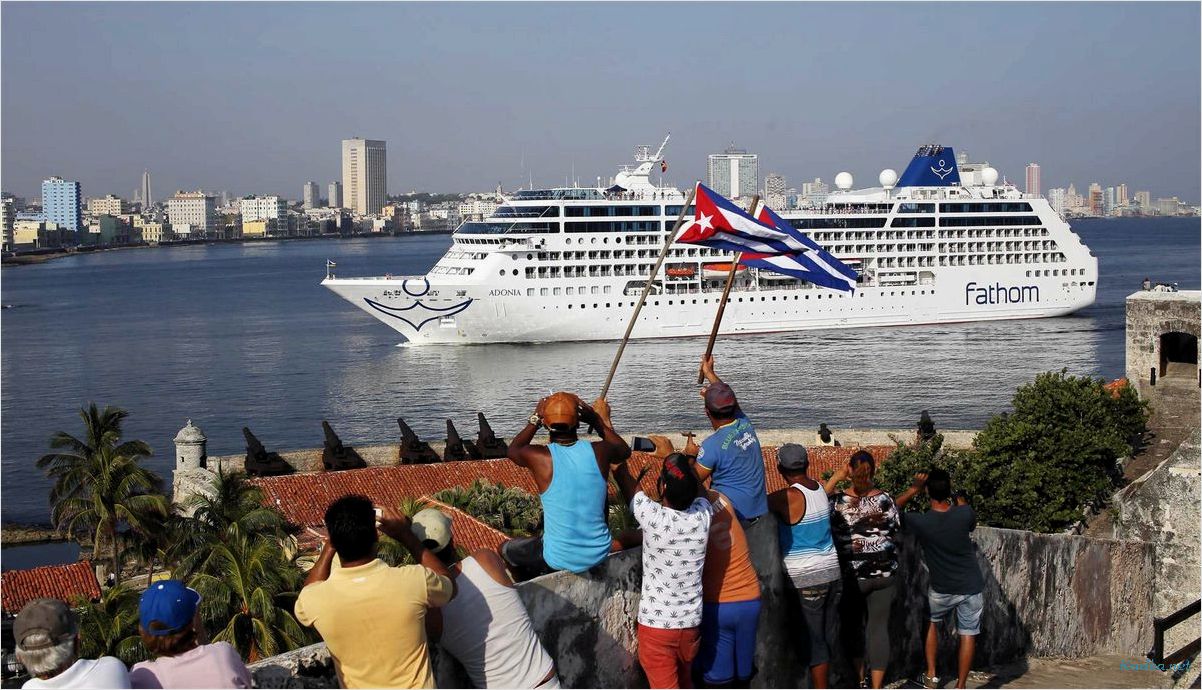
The Museum of the Revolution recreates the events and heroes who played a key role in the struggle for Cuban independence. Here you will find exhibits that tell the story of the main stages of the revolution, how the Cuban people fought for their liberation and justice. The museum is a true treasure trove, preserving the memory of glorious deeds and revolutionary ideals.
Entering the museum’s halls, you are immersed in the atmosphere of dramatic events, accompanied by photographs, documents, and personal belongings of the heroes of the revolution. You will learn about key leaders of the revolutionary movement, such as Fidel Castro and Che Guevara, their role in the struggle, and their adherence to the ideals of socialism.
One of the most impressive exhibits is the yacht “Granma,” on which Fidel Castro and his comrades sailed from Mexico to Cuba to start the revolution. The majestic yacht recreates the atmosphere of those days and recalls the daring beginning of a new era.
At the Museum of the Revolution, you can also see a collection of weapons used in the struggle, as well as various awards and decorations awarded to the heroes of the Revolution. Each exhibit bears witness to the events that changed Cuba and inspire us to this day.
A visit to the Museum of the Revolution is a unique opportunity to experience Cuban history and understand the efforts and sacrifices that went into achieving independence. Here you will find inspiration and a deeper understanding of the national identity of this amazing country. Your trip to Cuba is incomplete without this unique historical experience.
Freedom Island: Iconic Places in Cuba Associated with Fidel Castro

One such place is Bahia de Nipe, where Fidel Castro made his historic landing in Cuba in 1956. This place is a symbol of the struggle for freedom and the beginning of the revolution. Here you can see a monument to this event and feel the spirit of those times.
Another iconic place associated with Fidel Castro is the Museum of the Revolution in Havana. This museum is located in the former presidential palace, where Fidel Castro held his speeches and met with political figures. The museum displays numerous exhibits dedicated to the revolution and the work of Fidel Castro.
Also worth visiting is the José Martí Mausoleum in Santiago de Cuba, where Fidel Castro is buried. This site is a symbol of the struggle for independence and a memorial to the country’s outstanding leaders. Here you can honor the memory of Fidel Castro and other Cuban heroes.
Also worth visiting is the Comandante en Jefe, where Fidel Castro held many important events and meetings with political figures. This place is a symbol of Fidel Castro’s power and authority, and a place where important decisions for Cuba were made.
All these places allow you to immerse yourself in Cuban history and learn more about Fidel Castro, a legendary figure who left an indelible mark on this island of freedom.
Natural_resources_of_the_island:_national_parks_and_beaches”>Natural_resources_of_the_island:_national_parks_and_beaches
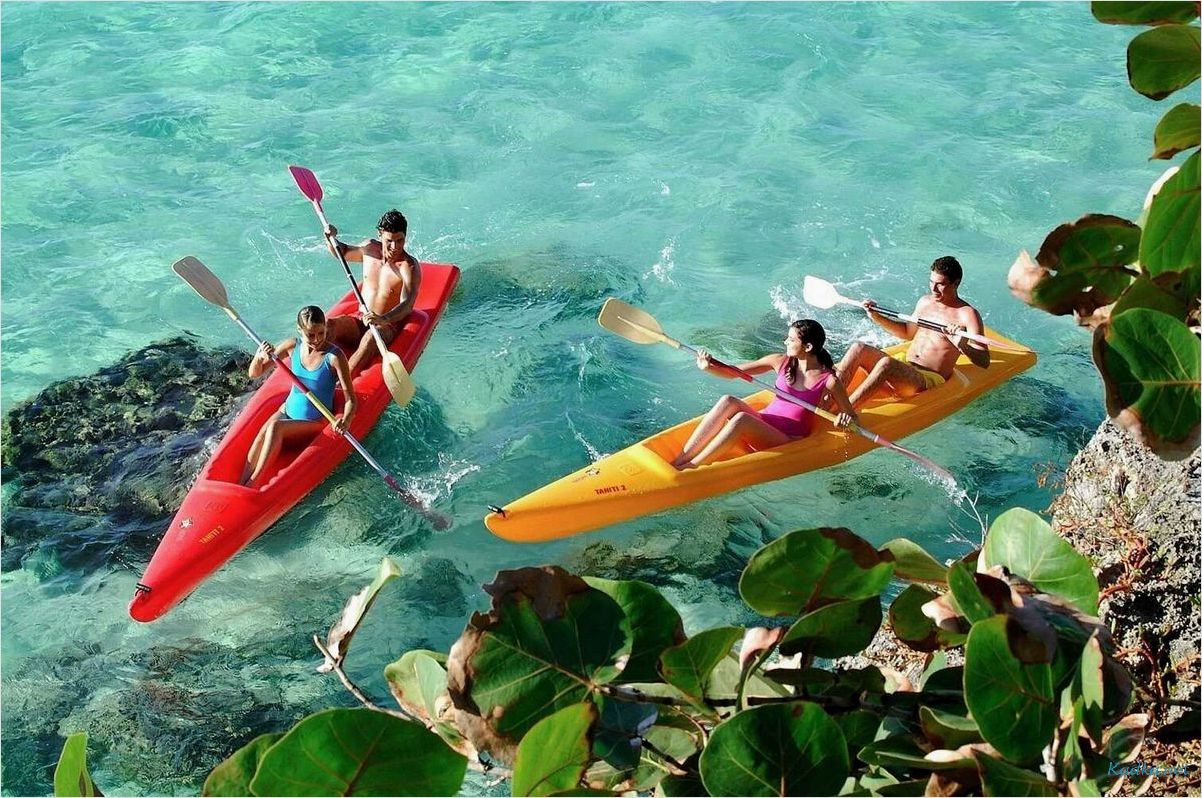
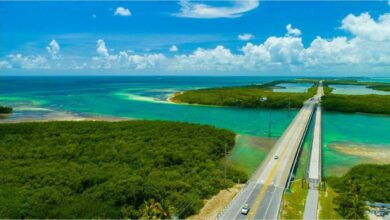
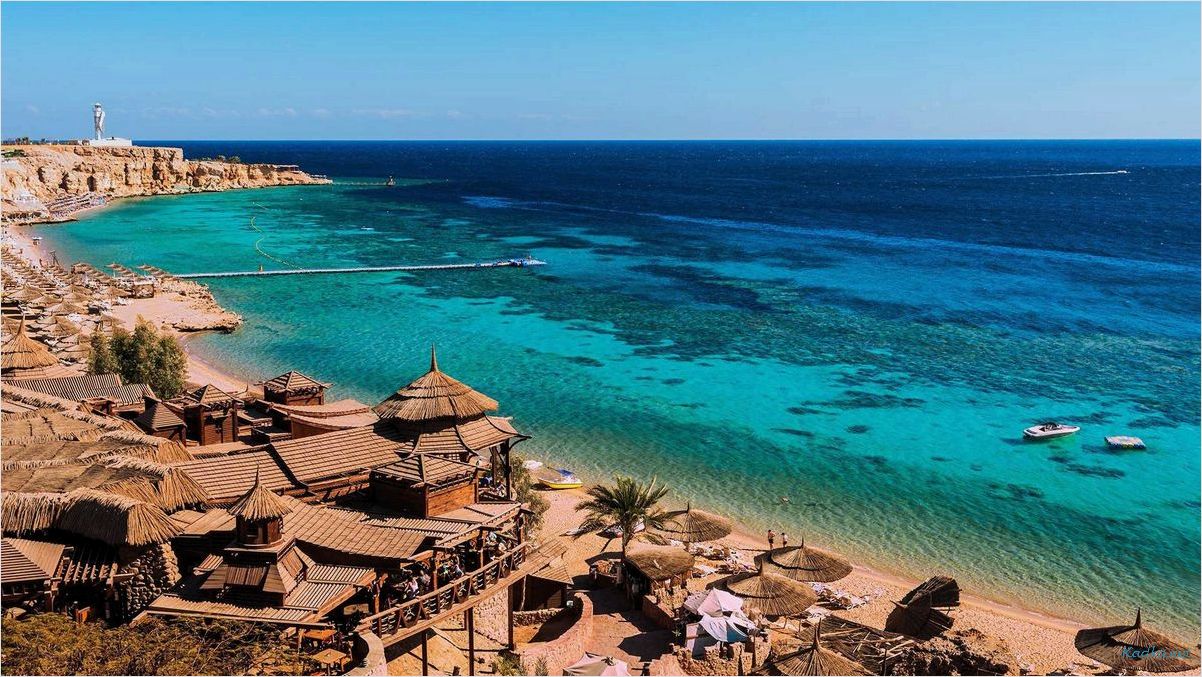
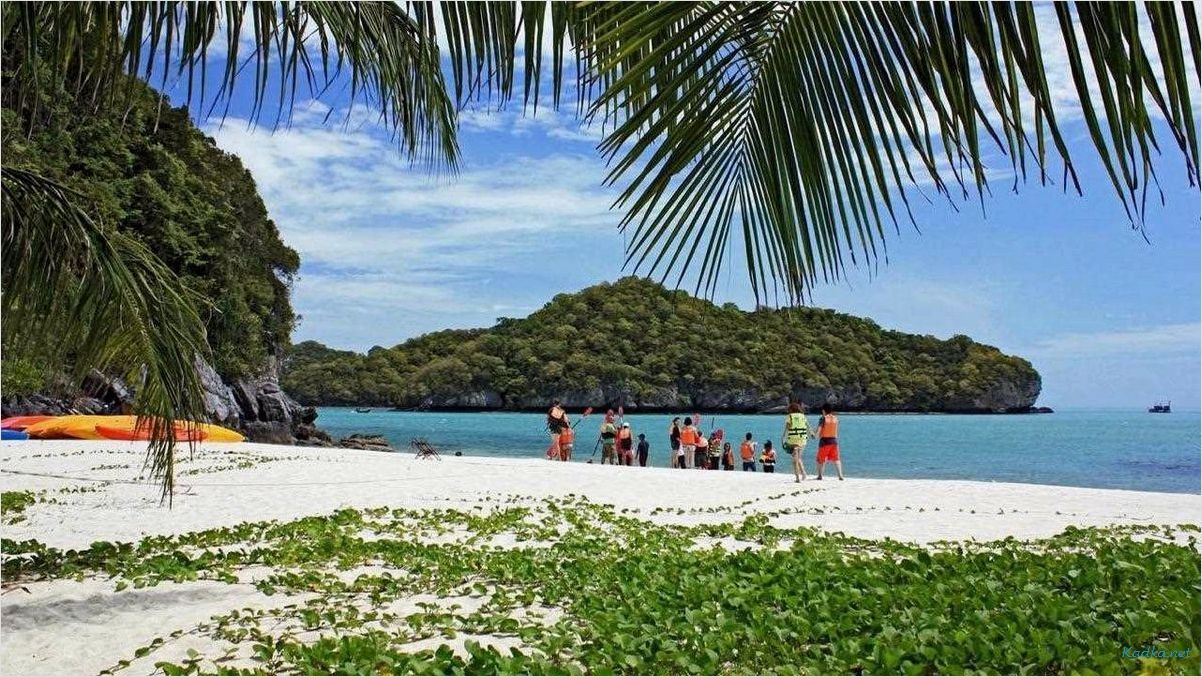
When we talk about Cuba, we can’t help but mention its incredible natural beauty, which makes this island truly unique. Cuba’s national parks and beaches attract tourists from all over the world with their stunning beauty and diversity. Here you can enjoy magnificent landscapes, explore unique ecosystems, and relax on white sandy beaches lapped by the warm waters of the Caribbean Sea.
National Parks
One of Cuba’s most famous national parks is Topes de Collantes National Park. Situated in the Sierra Maestra Mountains, this park offers visitors a unique opportunity to immerse themselves in a world of wild nature and enjoy beautiful views. Here you’ll find numerous hiking trails, waterfalls, mountain lakes, and a rich diversity of flora and fauna.
Another interesting national park is Peninsula de Guanahacabibes National Park. This park is located in the westernmost part of the island and is a unique biosphere reserve. Here you can see mangrove forests, coral reefs, salt marshes, and much more. The park is also home to many rare and unique plant and animal species.
Beaches
Cuba is famous for its beautiful beaches, which attract sun and sea lovers from all over the world. One of the most popular beaches in Cuba is Varadero. This beach stretches for 20 kilometers and amazes with its beauty and purity. Here you can enjoy white sand, clear water, and immerse yourself in a true paradise.
Another famous beach in Cuba is Cayo Largo Beach. This beach is located on the island of Cayo Largo and is famous for its white sand dunes and crystal clear water. Here you can swim with dolphins, scuba dive, and enjoy excellent conditions for rest and relaxation.
Cuba’s natural beauty impresses with its diversity and uniqueness. The island’s national parks and beaches offer visitors the opportunity to enjoy stunning landscapes and immerse themselves in a world of wildlife. Cuba is a true destination for travelers looking to enjoy natural beauty and relax on the beautiful beaches of the Caribbean.
Exploring Cuban Culture: Rhythms, Movements, and Traditions
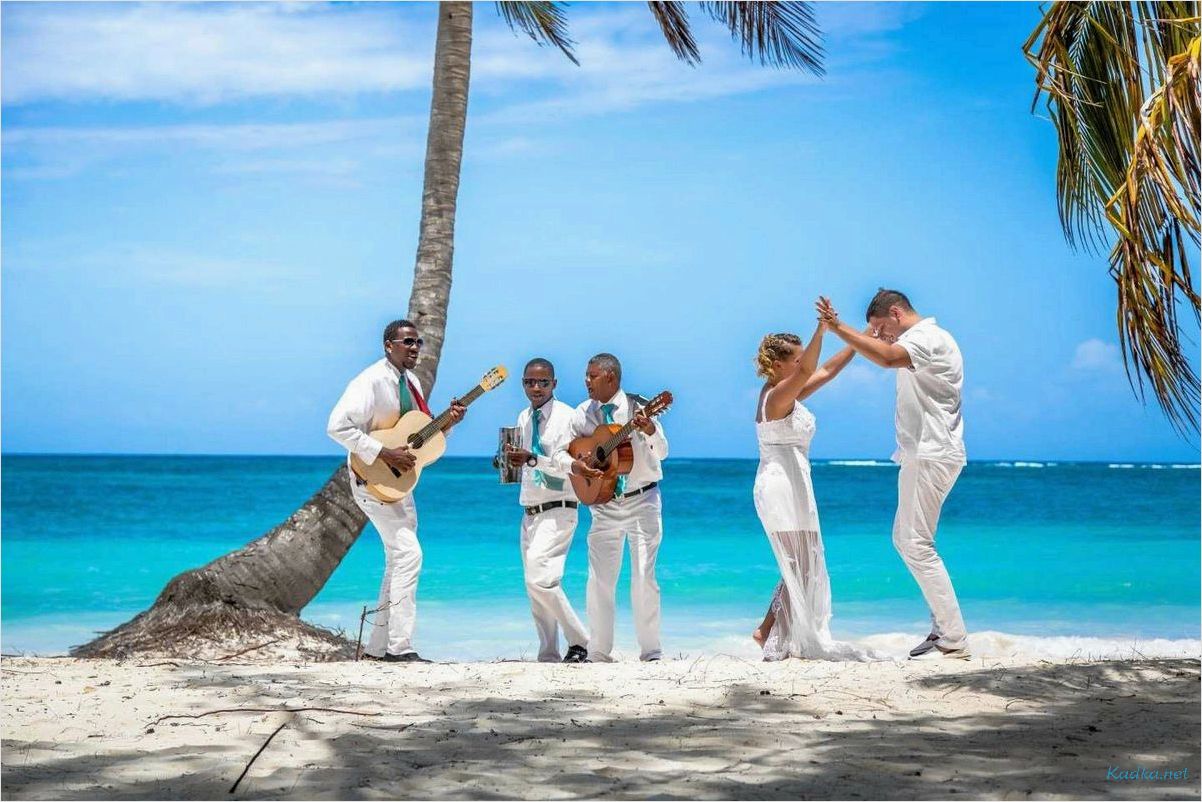
Music is an integral part of Cuban culture and holds a special place in the hearts of locals. The rhythms, sounds, and melodies of Cuban music fill the streets, clubs, and restaurants of the island, creating a unique atmosphere. Salsa, mambo, and cha-cha-cha all originate from Cuba and reflect its cheerful and passionate character.
Dancing in Cuba is not only entertainment but also a form of self-expression. Following the rhythms of the music, Cubans convey their emotions and mood, captivating everyone around them. At the same time, dancing in Cuba has deep historical roots and reflects the national characteristics of this country.
- Cigars are one of the most famous symbols of Cuba and a true work of art. Cuban cigars are handcrafted and considered among the best in the world. They are part of Cuban culture and tradition, and their production has a rich history.
- Cuban cigars are not only a product but also a symbol of status and luxury. They have their own characteristics in shape, taste, and aroma, making them unique and inimitable. Travelers visiting Cuba can’t pass by local tobacco shops without trying authentic Cuban cigars.
- Cigars in Cuba are not only a product but also a part of a cultural heritage passed down from generation to generation. Their production process requires skill and experience, and their quality depends on many factors, including Cuba’s climate and soil.
Exploring Cuban traditions is an opportunity to immerse yourself in a unique world of music, dance, and cigars that will leave a lasting impression. While traveling through Cuba, be sure to enjoy these vibrant and unique aspects of the island’s culture.
Authentic Flavors of the Caribbean: Traditional Food and Drinks
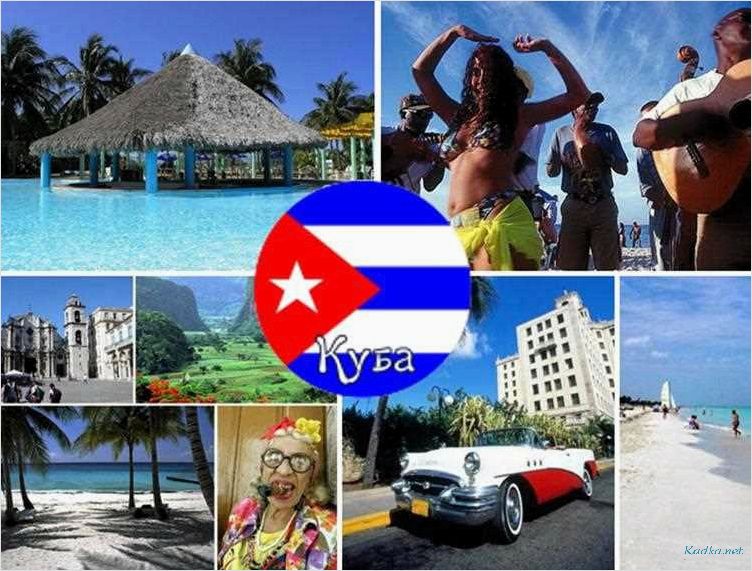
Seafood delicacies and local specialties
One of the most popular dishes in Cuba is “ropa vieja” – a traditional Cuban meat dish made from beef and pork combined with vegetables and spices. This dish has a rich flavor and thick consistency, which is achieved by simmering the meat for a long time in a special pot. Additionally, in Cuba, you can try local specialties such as “moros y cristianos”—a combination of black beans and rice, “piapa rellena”—stuffed mango fruit pastry, and “frijoles”—Cuban meatballs made with beef or pork.
Aromatic_drinks_and_cocktails
Cuba is also known for its aromatic drinks and cocktails. One of the most famous drinks is the “mojito,” which consists of fresh mint, lemon juice, sugar, club soda, and rum. This refreshing and cooling drink is perfect for enjoying on the beach or on a hot day. Also popular in Cuba are the daiquiri—a cocktail made with rum, lemon juice, and sugar—and the canchánchara—a local cocktail made with rum, lemon juice, and honey.
Experiencing authentic Cuban cuisine means immersing yourself in a unique world of flavors and aromas that reflect the rich history and culture of this beautiful island. Don’t miss the opportunity to enjoy these national dishes and drinks, which will be an unforgettable addition to your trip to Cuba.