Choosing Contact Lenses
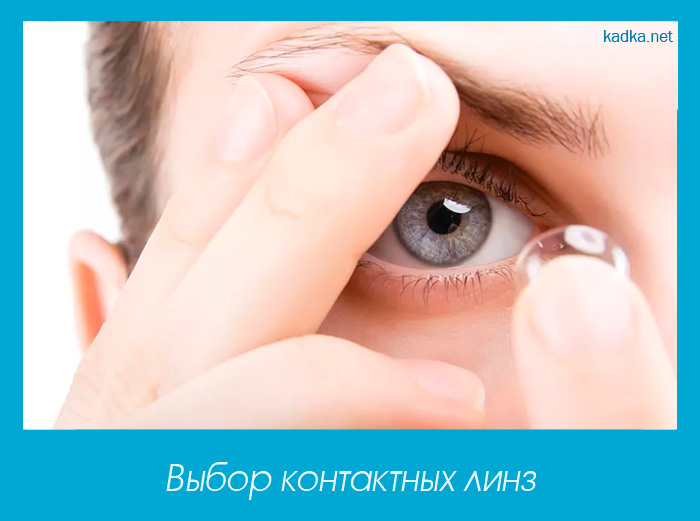
Do you have poor vision, but find wearing glasses uncomfortable or tiring? Did you know contact lenses exist? Perhaps you’ve heard of them but haven’t tried them because you’ve heard they’re uncomfortable? I’ll dispel those myths, as this article focuses specifically on contact lenses—both for everyday use and as an alternative to glasses. It is contact lenses that solve a number of problems that arise when we wear glasses—and there are quite a few of them, from fogging to slipping off.
Contact lenses have become a staple in the lives of people with both poor and good vision, and the variety available is simply amazing! How can you be sure to choose the right product?
A confident look without glasses
Comfort and ease of wear are the main considerations for selecting the right contact lenses, which should only be purchased at specialized stores and clinics.
Compared to glasses, these clear aids offer significant advantages:
- they provide high-quality vision;
- they expand the field of view;
- they increase visual acuity up to 100%;
- they help restore binocular vision;
- they boost productivity;
- reduce eye strain.
However, before purchasing the product you want, it is essential to make time to visit an ophthalmologist. After conducting an examination, the doctor will either approve the use of contact lenses or deny permission if serious contraindications are found. It is important to get advice from a specialist on lens selection, care, and their effect on the cornea. Only perfectly fitted lenses will not cause discomfort and will guarantee excellent vision.
Based on the client’s individual characteristics, it is possible to determine which lenses will be optimal and comfortable to wear. Depending on the material and intended use, contact lenses are classified as follows:

- soft – made of silicone or hydrogel;
- rigid – significantly improve visual acuity;
- daily and flexible – used only during the day, for a maximum of two days;
- extended-wear – can be worn for up to 7 days, and in some cases for a whole month, but under the supervision of an ophthalmologist;
- traditional – the most economical, capable of lasting up to 1 year with proper care;
- scheduled replacement – must be replaced at specific intervals – weekly, monthly, or every 3 months;
- Night lenses – used only at night, they have a beneficial effect on the cornea and improve vision.
Eyes in a new color
Colored contact lenses are particularly popular among modern fashionistas. The product’s appeal stems from the ease and affordability of changing eye color or creating a striking look.
Principles for making the right choice:
- consider your natural eye color;
- use a computer to select a suitable color beforehand;
- tinted lenses are recommended for light-colored eyes;
- Lenses with a dense tint are designed for dark eyes;
- Consider your skin tone and hair color.
In today’s world, science, as we know, never stands still and is constantly making new discoveries, which in turn offer good alternatives for solving what might seem to us to be the most ordinary problems. One such alternative—specifically, an alternative to glasses, which not everyone likes to wear—is contact lenses. Before purchasing colored lenses, you should visit an ophthalmologist, undergo an examination, and receive professional advice.