Types of workwear by profession
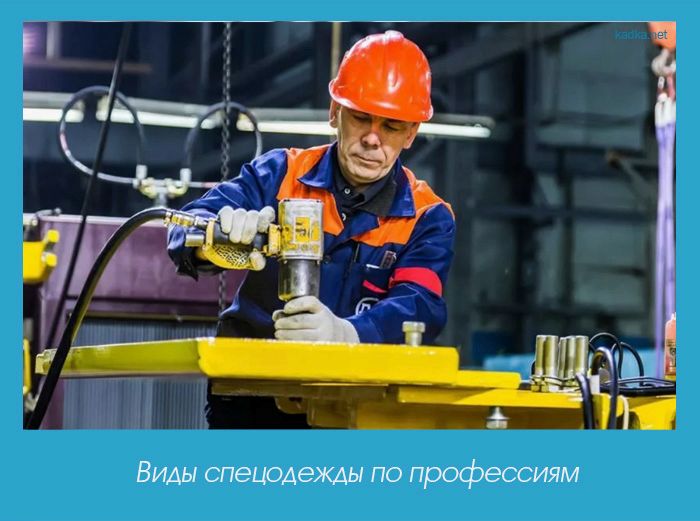
The purpose of workwear is to protect a person from the effects of negative factors, which vary depending on the profile of the organization. A welder needs protection from sparks and splashes of molten metal, a laboratory assistant from solutions of acids and alkalis, and a cook from splashes of oil. Workers with different working conditions need separate types of workwear. It is divided by functionality and professions.
Types of protective clothing according to protective properties
The classification of special clothing, hand and foot protection is set forth in GOST 12. 4. 103-83. Overalls are grouped according to the direction of protection from various negative factors.
From general industrial pollution
This group includes clothing that protects against dust in the air, splashing of contaminated water, paint, glue and oil. For example, a cloakroom attendant’s robe or a waiter’s apron. This also includes sanitary clothing.
From mechanical influences
These are factors in production that cause damage to the fabric of workwear – moving machines, moving parts of equipment, sharp corners of reinforcement, earth and bulk materials. This includes thick protective clothing and safety shoes that protect a person from cuts, vibration and slipping. For example, a carpenter’s or mechanic’s suit, gloves with dot coating and boots with a protective toe cap.

From high/low temperatures
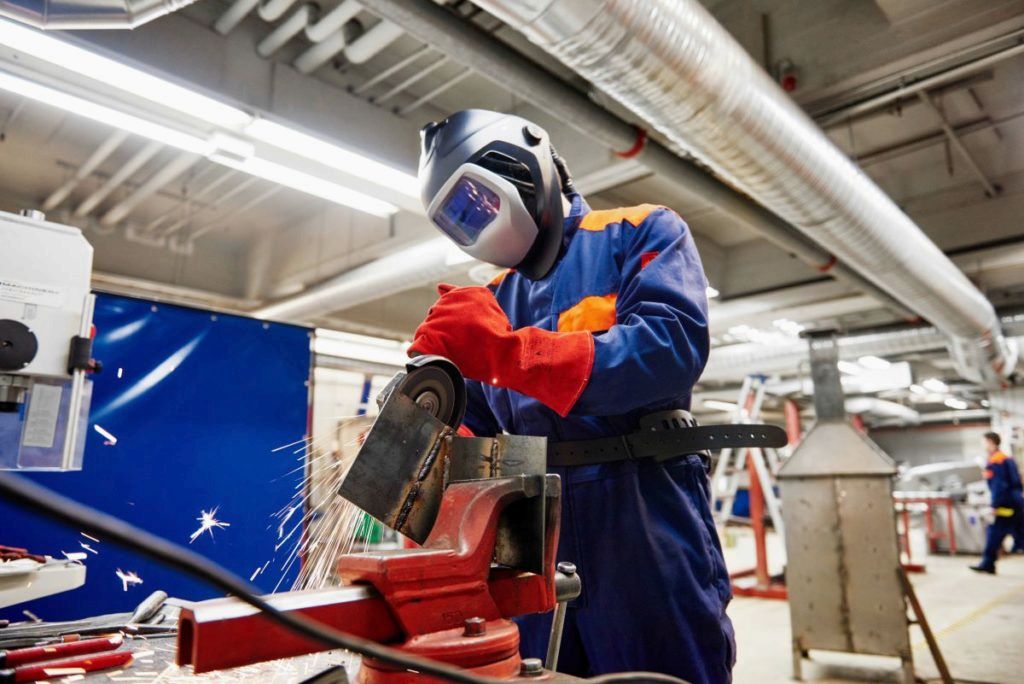
This includes clothing that makes it possible to work in heat and cold, and also protects the worker from contact with molten metal, open flame, cooled and heated surfaces above 45 °C:
- fire-resistant suit, heat-resistant boots, boots with protective toe caps, gloves against sparks and molten metal splashes, face shield or goggles;
- warm clothes – short fur coat, felt boots.
From radiation
This group contains clothing that protects a person from exposure to radioactive contamination and x-rays – an apron made of leaded rubber, glasses made of leaded glass.
From electric current
Here is clothing that protects workers from electric shock: protective kits, dielectric boots and gloves.
From dust
Here are clothing to protect against dust, fiberglass particles and asbestos. For example, safety glasses, gloves and respirators.
From toxic substances
This includes clothing that protects against solid, liquid, gaseous toxins and aerosols – overalls made of non-woven materials, polymer-coated gloves, goggles and respiratory protection.
From the water
This group includes waterproof and water-resistant workwear and footwear: rubber and waders, gloves, aprons, and polymer-coated armlets.
Against Acid and Alkali Solutions
This includes protective equipment against chemical contact with the skin, eyes, and respiratory system, including a smock, bib apron, acid- and alkali-resistant gloves, rubber boots, a face shield, or respirator goggles.
Against Oil and Petroleum Products
Workwear that protects against crude oil, solid petroleum products, and petroleum oils. Protective suits and footwear are made of water-, oil-, and oil-repellent fabrics, such as artificial leather and polymer-coated materials. The parameters and requirements for these materials are specified in GOST 12. 4. 310-2016. Protective equipment against harmful biological factors
Protection against ticks and blood-sucking insects includes a suit with tight-fitting cuffs, a hood, and a face net. A repellent kit is provided.
High-visibility clothing
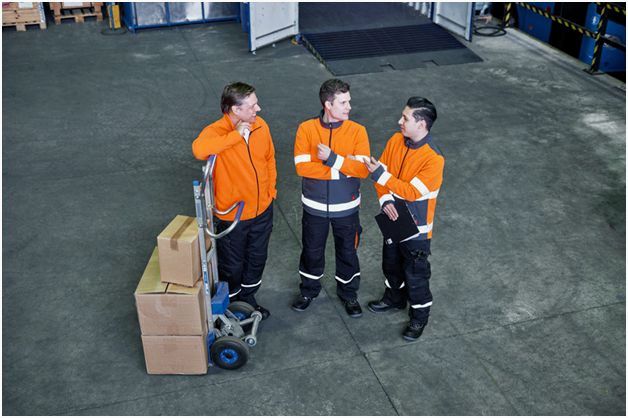
Clothing for those working in low-visibility conditions, such as railway and road workers. Fluorescent vests and jackets with reflective stripes prevent accidents.
Types of personal protective equipment
Respiratory protection. Industrial and medical respirators are used to prevent workers from inhaling harmful substances. A distinction is made between filtering and isolating respirators.
Eye protection. To prevent dust and splashes from damaging the eyes, goggles and face shields are used. For example, laboratory safety glasses and a welder’s mask.
Skin protection. To protect the skin from exposure to chemicals, blood-sucking insects, extreme temperatures, and mechanical damage, various types of equipment are used:
shoes with protective toes;
- Gowns, aprons, and coveralls;
- gloves;
- face shields and hoods with mesh face coverings;
- insulated clothing and heat-resistant, fire-resistant suits.
- Hearing protection. Noise in the workplace can damage hearing. To prevent this, workers are provided with earmuffs or earplugs.
Types of Fabrics for Workwear
Twill fabrics made of pure cotton or blended with polyester fiber are most often used for workwear. Lighter plain weave materials are used for clothing for service workers. There are also special materials for protection from wind and rain, mosquitoes and ticks, sparks, and metal spatter. Here are some types of fabrics for workwear:
moleskin – a dense cotton fabric with a brushed interior and a smooth exterior; it retains heat, is moisture-resistant, and protects against dust;
- Ripstop – a nylon or polyester fabric with reinforced thread, characterized by increased durability;
- Cordura – a thick nylon fabric with a water-repellent impregnation and a polyurethane coating;
- Lyocell – a textile fiber made from cellulose that prevents bacterial growth, is breathable, does not pill or lose shape after washing, and is highly wear-resistant (it is used to make automotive cables).
- We use lightweight and breathable, yet durable fabrics in our collections. For example, ProTencel – 50% lyocell/50% polyester (CarePro and HoReCaPro lines) and materials made from polyester and cotton in varying ratios:
ProStretch – 64% PE/32% cotton, 4% elastane (HoReCaPro collection);
- ProTwill – 65/35 (WorkerPro, FoodInPro, and CarePro collections);
- ProOutdoor – 70/30 (insulated WorkerPro line);
- ProChef – 67/32 cotton (chef’s clothing);
- Single Knit and Sweater Knit – 50/50 (universal lines of T-shirts and jumpers).
- Workwear Types by Occupation
Types of workwear by profession
Restaurants and Hotels: These areas require protection from common industrial hazards, such as dust, splashes of dirty water, and hot oil. Chef, waiter, and housekeeper clothing includes shirts, trousers, aprons, vests, and jackets. Items should be practical and well-fitting, allowing employees to move easily and greet and serve guests. The HoReCaPro collection will help employees maintain a neat and presentable appearance. Standard colors are white, gray, and blue.

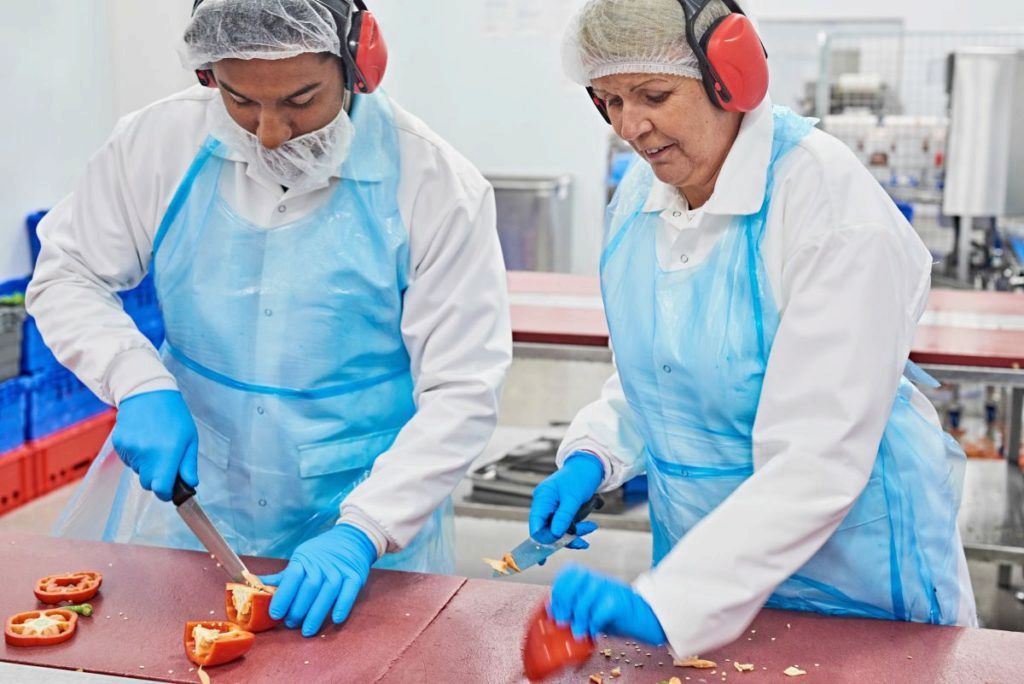
Food Industry. When creating workwear for food industry workers, hygiene requirements, temperature, and other working conditions are taken into account. Depending on the industry, protection from water, acid solutions, mechanical damage, and general contamination is required. Furthermore, the garments must be comfortable to wear and not deform after frequent washing. The FoodInPro collection includes suits, coveralls, jackets, aprons, and headwear. The standard color is white.
Automotive service centers, mechanical engineering, and heavy industry. In these industries, workwear must protect against dust, elevated temperatures, and mechanical damage. Workers must also feel comfortable when moving and operating complex equipment. Our workwear collections can withstand harsh industrial conditions without causing hot or uncomfortable temperatures. Standard colors are gray, blue, and green.
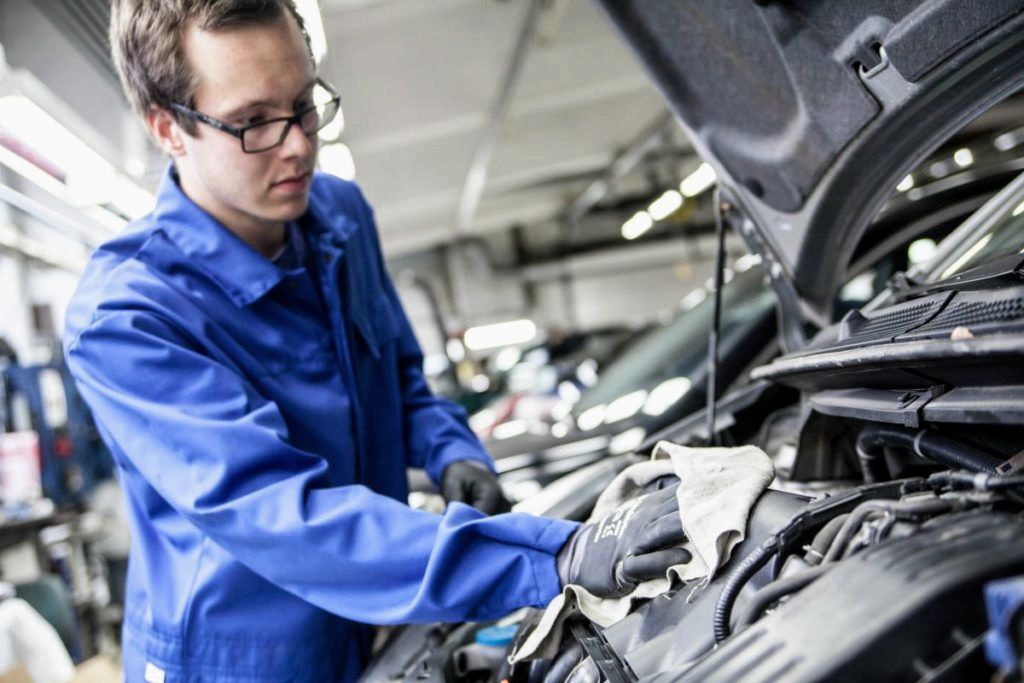
WorkerPro – workwear for mechanical engineering and industrial workers: jackets, vests, trousers, overalls and dungarees, shirts, and insulated suits.
- WelderPro – clothing for protection against sparks and molten metal splashes during welding and similar work: class 2 protection overalls and suits. They are made from dense cotton with a twill weave and a special heat-resistant impregnation. The collection complies with the safety requirements of TR CU 019/2011 and GOST R ISO 11611-2011.
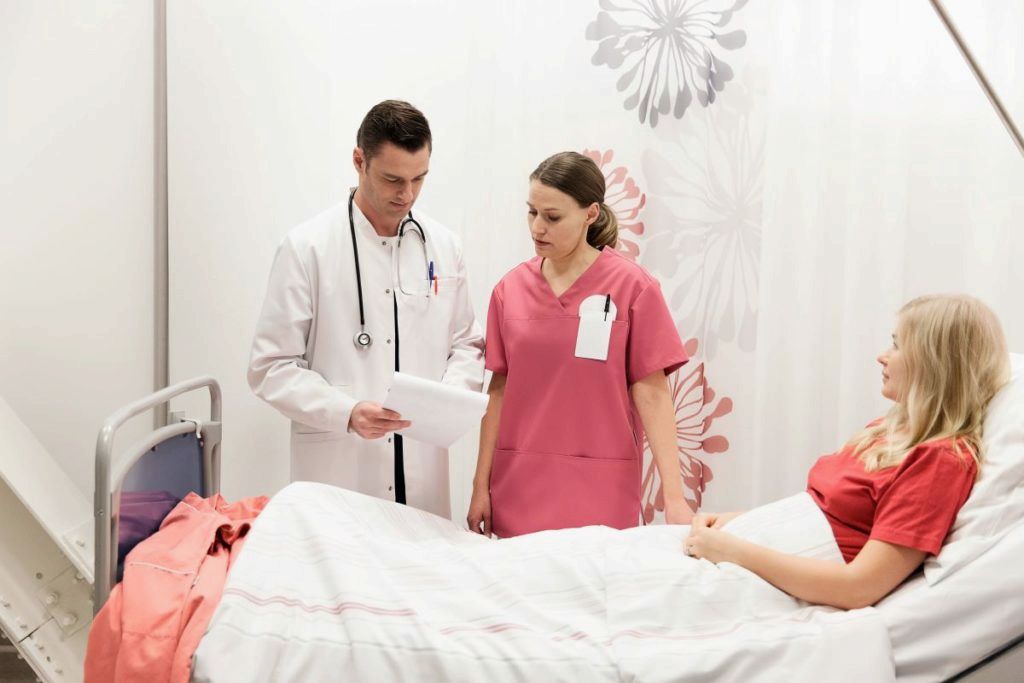
- Medical organizations. Medical clothing must meet occupational health and safety requirements. This requires protection from general contamination, and laboratory technicians also need protection from acid and alkaline solutions. At the same time, clothing must be comfortable to wear and stylish to appeal to patients. When developing the CarePro collection, we took into account the needs of medical professionals and created workwear made of lightweight, breathable, and soft materials – gowns, shirts, and trousers. Standard colors are white and blue.
Standard or Custom Design
If necessary, we can create a custom design for workwear, but this is only suitable for those with ample time. If you need workwear on short notice, we recommend renting our standard collections. Each collection is tailored to the working conditions of a specific professional field and contains various types of workwear, allowing you to choose the one that best suits your needs.
Rental
Another advantage is that you can rent such clothing: your employees wear it, but the renter is responsible for the care of the textiles. Workers leave their dirty clothes in containers and return home to rest. The next morning, a clean set of workwear will be waiting for them, protecting them from the challenges of the new day. With this service, your employees can fully focus on their work without worrying about protective clothing. They focus on their work, and the company does the rest. And of course, you can
buy workwear in St. Petersburg from the Agat agency types, workwear, by profession