Microgreens: Tender sprouts rich in nutrients
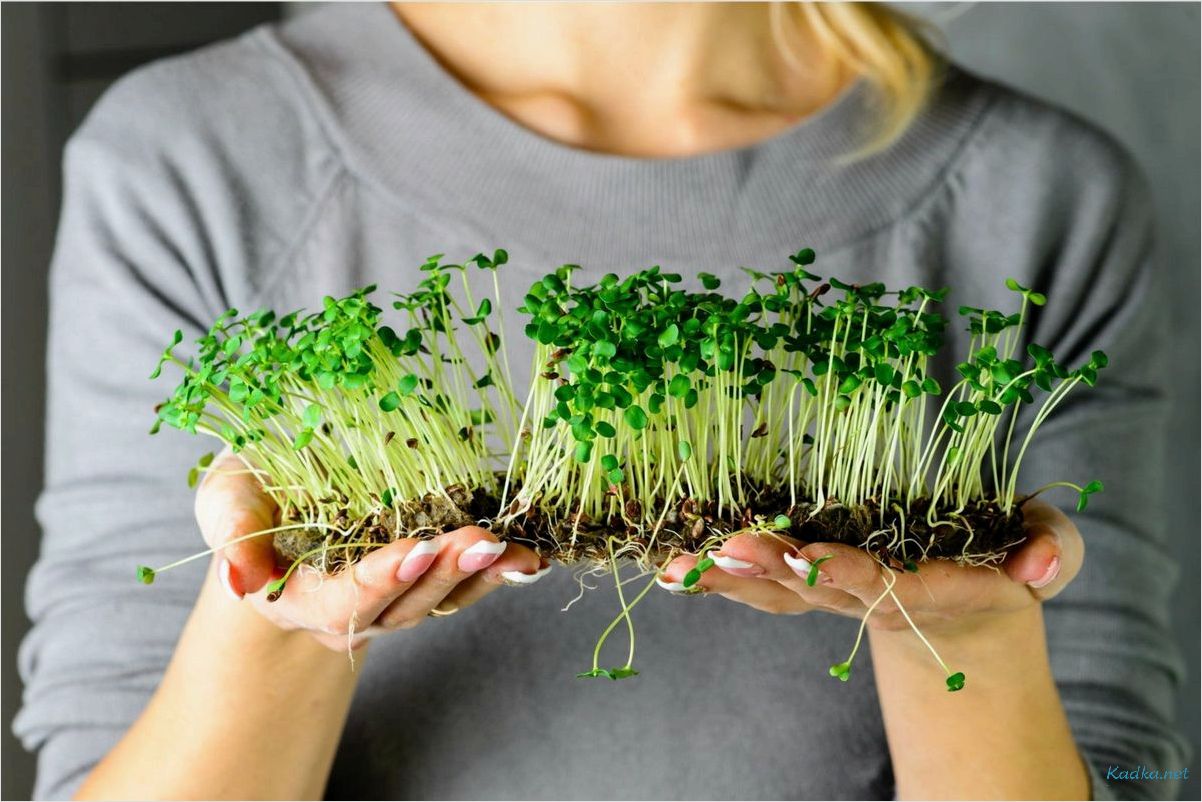
Microgreens are a unique plant wealth that attracts attention not only for their delicate appearance, but also for their rich nutritional content. Unlike mature plants, microgreens are collected at the very initial stage of their growth, when the plant is just beginning to form its first leaves and shoots. It is at this point that it has the highest concentration of vitamins, minerals and phytonutrients, which makes it especially valuable for a healthy diet.
Contents of the article:
Sprouts can come from a variety of plants – from fragrant basil to spicy mustard or tender radishes. This allows every culinary enthusiast to choose microgreens according to their taste and preferences, adding original notes to a variety of dishes.
Microgreens not only have high nutritional value, but also provide variety in culinary experiments. Its intense taste and aroma gives dishes an unusual charm, making them more attractive and appetizing. Because of their versatility, microgreens can be used in a wide variety of recipes, from light salads and refreshing soups to savory sandwiches and creative smoothies.
Necessary conditions for growing microgreens at home
Growing microgreens at home is a fun activity that allows you to get fresh, healthy sprouts right in your kitchen. However, in order to achieve successful growth and produce high-quality microgreens, there are several key aspects to consider.
Selecting microgreen seeds is the first and most important step in the growing process. It depends on your taste preferences and the desired characteristics of the sprouts. You can choose basil seeds for flavor, hot mustard for heat, or tender radishes for mild flavor. However, regardless of the choice, it is important to properly prepare seeds for germination. This involves pre-treating them to stimulate germination, such as soaking them in water for several hours.
To successfully grow microgreens, it’s also essential to provide the plants with adequate light. Bright, diffused light is ideal for vigorous plant growth. If natural light is insufficient, artificial lighting, such as fluorescent lamps, can be used to provide the plants with the necessary light for photosynthesis and growth.

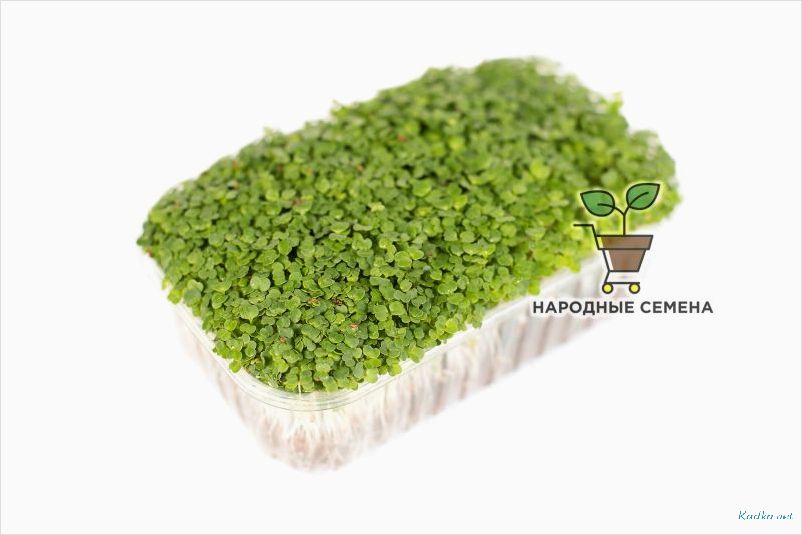
Optimal temperature and humidity also play an important role in growing microgreens. Plants require warmth and moisture for successful germination and growth. Maintaining an optimal temperature will help the plants develop healthily and quickly, while regular watering and sprays will help maintain the necessary moisture level in the soil.
Regular watering is essential to maintain soil moisture, but avoid overwatering to prevent root rot. Ventilation will help prevent rot and provide the plants with sufficient oxygen for healthy growth. Therefore, by following these key aspects, you can successfully grow microgreens at home and enjoy fresh, healthy sprouts right in your own home. Practical Tips for Growing Microgreens
Practical tips for growing microgreens
Choose a suitable location for your microgreen containers. It’s important for the plants to have access to bright light, so placing the containers on a windowsill or other well-lit area is ideal. Also, make sure the chosen location is easy to care for.
- Rotate the microgreen containers periodically. This will help the plants receive even light from all sides and prevent the stems from bending toward the light source.
- Monitor the soil in the containers. Regularly check the moisture level to prevent it from drying out or becoming too wet. Optimal moisture levels will help the plants thrive and receive the necessary nutrients.
- Harve your microgreens on time. The optimal time to harvest sprouts is usually 1-2 weeks after sowing, when they have reached their optimal height and are actively accumulating nutrients. Cut them with a sharp knife or scissors, being careful not to damage the plants.
- By following these practical tips, you can enjoy fresh and healthy microgreens grown at home, adding a special touch of flavor and nutritional value to your dishes.
Microgreens: Tender Sprouts Rich in Nutrients