Tile adhesive: types, features of selection and application
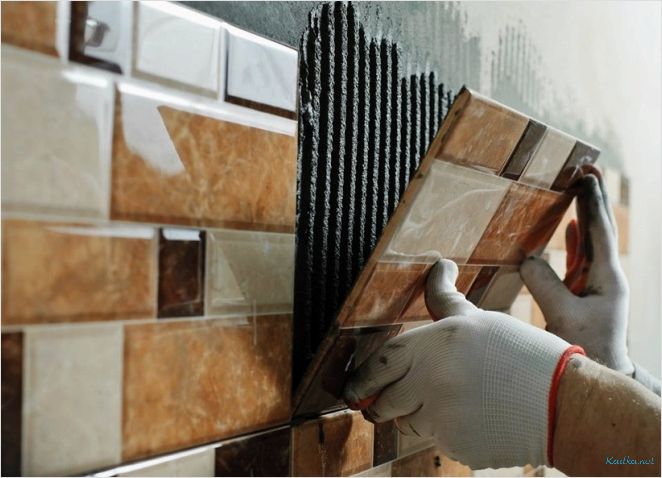
Ceramic tiles are one of the most popular materials for finishing floors and walls in rooms. To ensure that the tiles are securely attached and ensure their durability, it is necessary to use a special tile adhesive.
Contents of the article:

Tile adhesive is a special mixture designed to adhere ceramic tiles to a variety of surfaces. It has high adhesion and strength, which allows you to confidently fix the tiles on walls and floors.
One of the key properties of tile adhesive is its water resistance. This allows it to be used in areas with high humidity, such as bathrooms and kitchens. In addition, tile adhesive is highly resistant to mechanical stress, which allows the tiles to be used on floors with high traffic.
What is tile adhesive?
Tile adhesive is a special material that is used to attach ceramic tiles to various surfaces. It has high strength and elasticity, which allows you to securely fix the tiles and prevent their peeling.
Tile adhesive consists of several components:
- The binder is the main component of the adhesive, which provides its strength and elasticity.
- A filler is an additive that gives the adhesive the desired consistency and improves its adhesion to the surface.
- Modifiers are substances that improve the performance and properties of the adhesive.
Tile adhesives come in different types, depending on their intended use and operating conditions:
- Universal adhesive – suitable for most tile types and various surfaces. Typically has medium strength and elasticity.
- Fast-setting adhesive – has a fast setting and curing time, allowing you to quickly move on to the next step.
- Flexible adhesive – has high elasticity and strength, making it suitable for use on surfaces subject to deformation or vibration.
- Waterproof adhesive – suitable for laying tiles in areas with high humidity, such as bathrooms and kitchens.
When choosing a tile adhesive, consider the tile type, operating conditions, and surface characteristics. It is important to follow the manufacturer’s recommendations and select the right adhesive for the best results. Advantages of tile adhesive:
Disadvantages of tile adhesive:High strength and reliability
|
|
is an indispensable material for laying tiles, ensuring a strong and secure bond between tiles and the surface Features of Tile Adhesive tile adhesive is an integral part of the ceramic tile installation process. It ensures a secure bond between tiles and the surface, guaranteeing their durability and strength. It is important to understand the characteristics of tile adhesives to choose the right one and achieve optimal results.
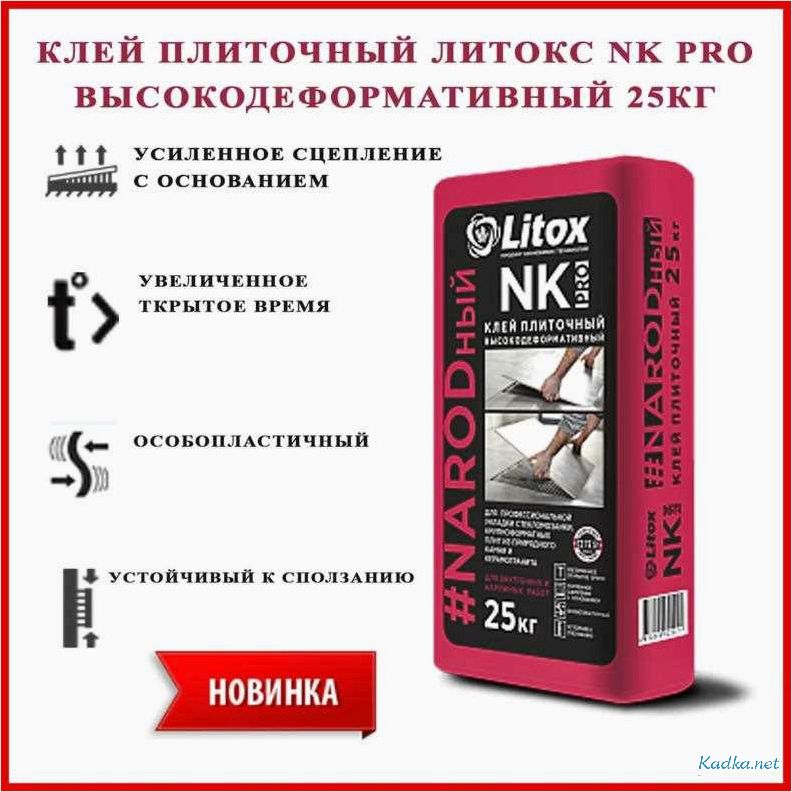
Features of tile adhesive
There are several types of tile adhesives, which differ in composition and application:
1. Types of tile adhesive
Gypsum adhesive is used for laying tiles on drywall surfaces. It has good adhesion to drywall and hardens quickly.
- Dispersion adhesive – consists of polymer dispersions and additives. It has high elasticity, which allows it to compensate for base deformations. Dispersion adhesive is suitable for laying tiles on surfaces subject to vibration or temperature changes.
- 2. Factors for choosing tile adhesive
- When choosing tile adhesive, the following factors must be considered:
2. Factors for choosing tile adhesive
Tile size and type – Larger, heavier tiles require a stronger adhesive. In addition, special types of adhesive are used to lay tiles with an uneven surface.
- Operating conditions – if the tiles will be located in a room with high humidity or are subject to mechanical stress, it is necessary to choose an adhesive with appropriate characteristics (for example, waterproof or reinforced).
- 3. Rules for using tile adhesive
- When using tile adhesive, you must adhere to the following rules:
3. Rules for using tile adhesive
Applying glue – the glue is applied in an even layer to the surface using a notched trowel. Then the tile is laid on the glue and pressed.
- Leveling tiles – laid tiles must be leveled using a lathe and a rubber hammer to achieve even distribution of the adhesive.
- Removing Excess Adhesive – Excess adhesive should be removed immediately after laying the tiles to prevent it from hardening and causing unevenness.
- Curing time – After laying the tiles, you must allow time for the adhesive to cure, following the manufacturer’s recommendations.
- 4. Advantages of tile adhesive
- Using tile adhesive has several advantages:
4. Advantages of tile adhesive
Moisture Resistant – Some types of tile adhesive are water-repellent, making them an ideal choice for tiling wet areas such as the bathroom or kitchen.
- Adaptable to Various Surfaces – Different types of tile adhesive are suitable for different types of surfaces, including concrete, drywall, wood and more.
- Durability – properly laid tiles using high-quality tile adhesive have high strength and durability, which allows them to maintain their appearance for a long time.
- 5. Conclusion
- Tile adhesive is an important component of the tile installation process. Knowledge of the features and rules for using tile adhesive allows you to achieve optimal results and ensure the durability and strength of the laid tiles.
5. Conclusion
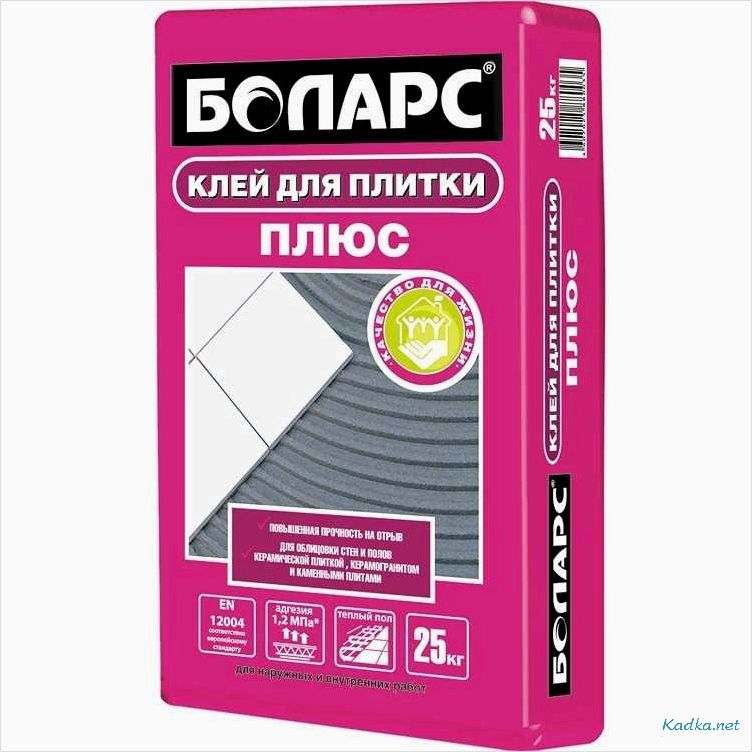
Tile adhesive is a special material that is used to attach ceramic tiles to various surfaces. There are several types of tile adhesive, each of which has its own characteristics and uses.
Types of tile adhesive
Dry mix is the most common and easiest to use type of tile adhesive. It is a powdery composition, which must be diluted with water before use until a homogeneous mass is obtained. The dry mixture has good adhesion and is suitable for attaching tiles to vertical and horizontal surfaces.
1. Dry mix
Liquid glue is a ready-to-use composition that does not require preliminary exploration. It has a thick consistency and is easy to apply to the surface. Liquid adhesive provides quick and reliable fixing of tiles and is especially suitable for working with small and thin tiles.
2. Liquid glue
Additive glue is a special type of glue that contains additives to improve its properties. For example, polymers can be added that increase the elasticity and strength of the adhesive, or additives that improve adhesion to difficult surfaces. The adhesive with the additive has high adhesion and resistance to moisture, so it is often used for laying tiles in areas with high humidity, such as bathrooms and kitchens.
3. Adhesive with additive
Hot melt adhesive is a special type of adhesive that is activated by heat. It is used for fixing tiles to surfaces that are exposed to high temperatures, such as stoves or fireplace mantels. Hot-melt adhesive is highly durable and resistant to heat, allowing it to be used in extreme conditions.
4. Hot glue
Features
Dry mixEasy to use, good adhesionLiquid glueReady to use, easy to applyAdhesive with additiveHigh adhesion, moisture resistanceHot melt adhesiveDurability, heat resistanceWhen choosing tile adhesive, it is necessary to take into account the characteristics of the surface on which the tiles will be laid, as well as operating conditions. The correct choice of adhesive guarantees reliable fastening of the tiles and the durability of the coating.Choosing tile adhesive for different surfaces
When carrying out renovation work, especially when laying tiles, it is important to choose the right tile adhesive. Glue plays an important role in the installation process, since the strength and reliability of the coating depends on its quality. When choosing tile adhesive, it is necessary to take into account the type of surface on which the tiles will be laid.
Choosing tile adhesive for different surfaces
When laying tiles on a plasterboard surface, it is necessary to use a special adhesive for plasterboard. This adhesive has high adhesion to the surface of drywall and ensures reliable fastening of the tiles.
1. Drywall adhesive
When laying tiles on concrete or brick surfaces, you should use an adhesive that has high strength and adhesion. This adhesive usually contains additives that improve its adhesion to mineral substrates.
2. Adhesive for concrete and brick
To lay tiles on wooden surfaces, you should use a special adhesive that is highly elastic and can compensate for the movement of the wood. This adhesive prevents cracks and peeling of the tiles.
3. Adhesive for wooden surfaces
When laying tiles on plastic surfaces, it is necessary to use an adhesive specifically designed for this type of substrate. This glue has high adhesion to plastic and prevents its deformation.
4. Adhesive for plastic surfaces
To lay tiles on metal surfaces, it is necessary to use an adhesive that has high adhesion to metal. This glue usually contains special additives that improve its adhesion to metal and prevent corrosion.
5. Adhesive for metal surfaces
If you are unsure about the type of surface or need to lay tiles on different types of substrates, you can use a multi-purpose adhesive. This adhesive has good adhesion to various surfaces and can be used for laying tiles on most substrates.
6. Universal glue
How to apply tile adhesive correctly?
When renovating a bathroom or kitchen, tile adhesive is often required. This material ensures reliable adhesion of tiles to the surface and guarantees their durability. However, to achieve a high-quality result, the adhesive must be applied correctly.
How to apply tile adhesive correctly?
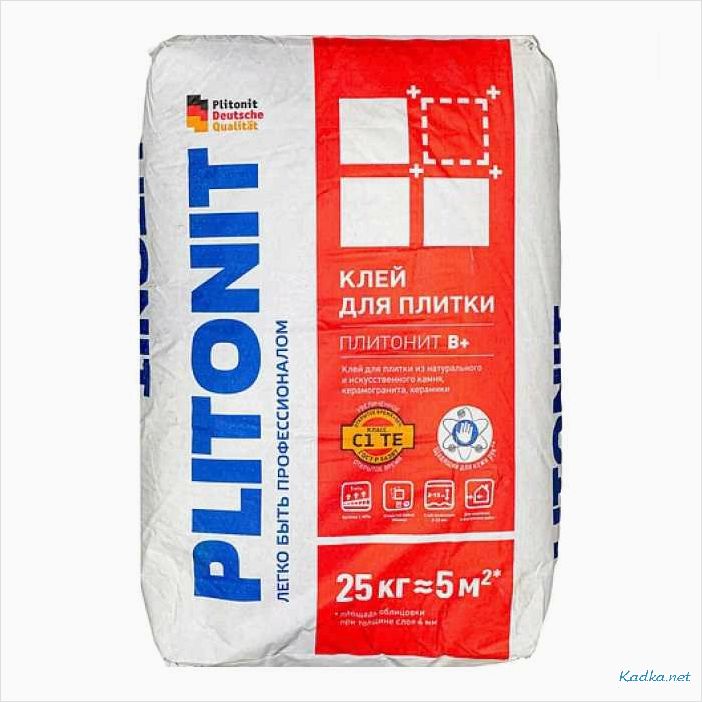
Before applying the adhesive, the surface must be prepared. It must be clean, dry, and smooth. If the surface has any unevenness or cracks, they must be repaired first. It is also recommended to use a primer to ensure better adhesion of the adhesive to the surface.
Surface preparation
An appropriate adhesive is selected for each type of tile. Its characteristics and application recommendations are listed on the adhesive packaging. Cement- or gypsum-based adhesives are typically used for ceramic tiles.
Selecting and mixing glue
Applying the Adhesive
A notched trowel can be used to apply the adhesive. The notch size is selected based on the tile size and the desired adhesive layer thickness. Hold the trowel at an angle of approximately 45 degrees and apply the adhesive evenly to the surface. Then, draw the trowel over the applied adhesive to create an even layer.
Applying glue
After applying the adhesive to the surface, you can begin laying the tiles. Gently press the tiles onto the adhesive layer and gently move them in all directions to ensure good adhesion. If necessary, use a straightedge or level to ensure the tiles are level.
Laying tiles
After laying the tiles and allowing the adhesive to harden, remove any excess adhesive from the tile surface. A damp sponge or cloth can be used for this. If necessary, you can also use special adhesive removers.
Glue and tile care
Benefits
Explanation
Secure Tile Adhesion
Properly applied adhesive ensures a strong bond between the tiles and the surface, ensuring durability and preventing peeling.Even Tile LayingProperly applied adhesive allows for even tile laying and prevents unevenness or improper alignment.Ease of useCorrectly applied adhesive facilitates the process of laying tiles and allows you to achieve a high-quality result.Benefits of using tile adhesiveAbility to work with various tile types1. Durability and reliability
Benefits of using tile adhesive
2. Resistance to moisture and temperature changes
1. Durability and reliability
3. Ease of use
2. Resistance to moisture and temperature changes
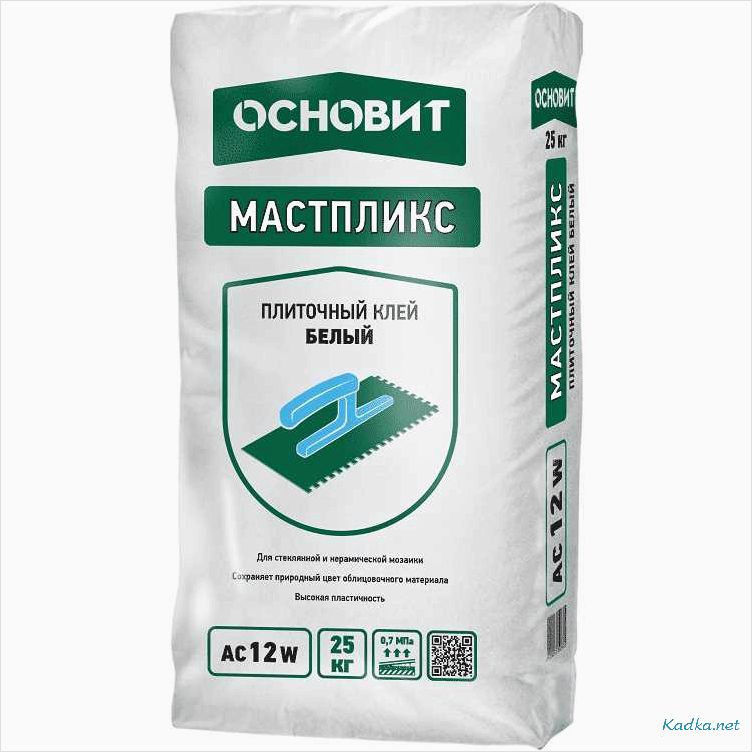
4. Variety of types and compositions
3. Ease of use
5. Cost-effective
4. Variety of types and compositions
6. Aesthetic appearance
5. Cost-effective
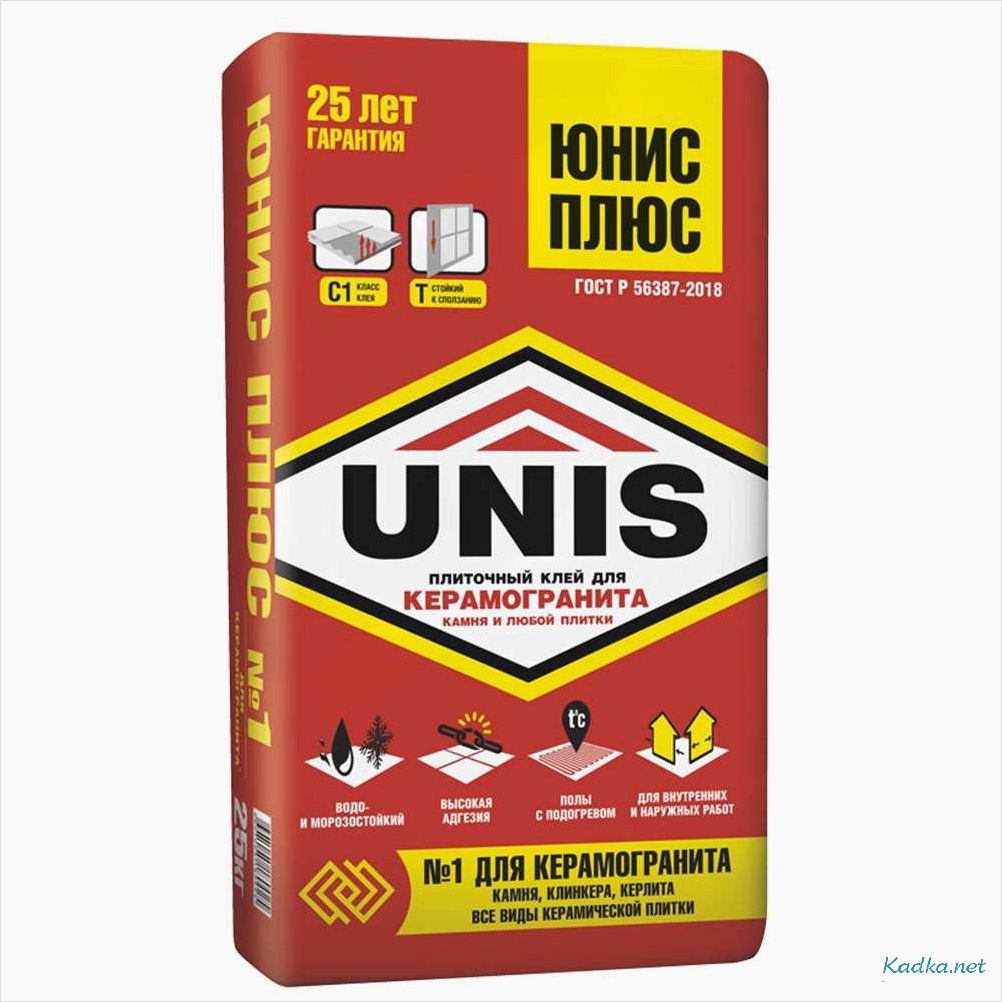
As a result, using tile adhesive is the best solution when laying tiles. It has a number of advantages that make it an indispensable material when carrying out repair work.
6. Aesthetic appearance
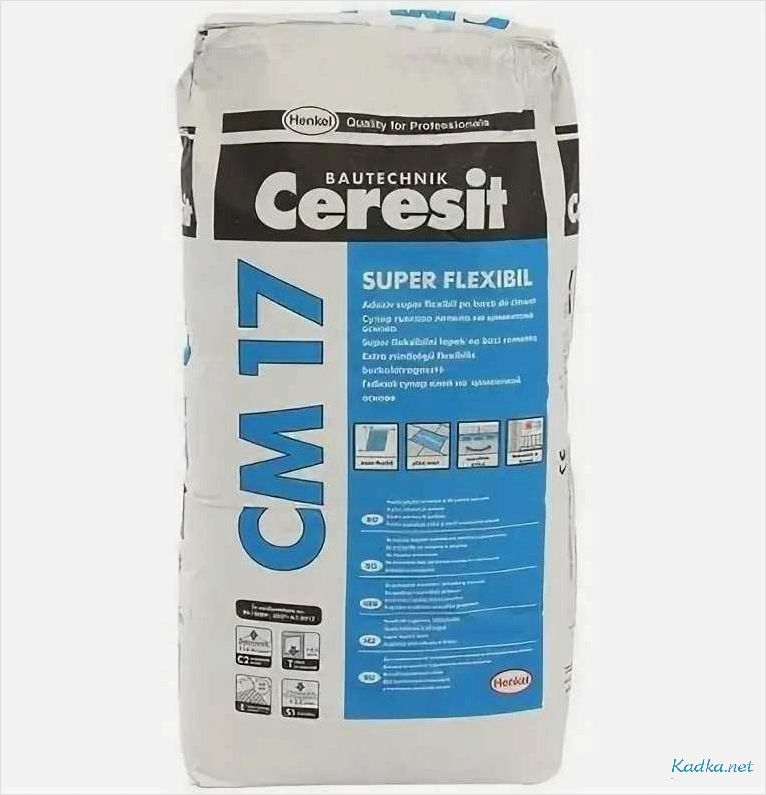
When renovating a bathroom, one of the important steps is laying tiles. To ensure that the tiles adhere firmly to the surface, you need to choose a high-quality tile adhesive. Below are the main factors to consider when choosing tile adhesive for your bathroom.
1. Type of glue
Which tile adhesive to choose for the bathroom?
2. Water Resistance
1. Type of glue
3. Adhesion Strength
2. Water resistance
4. Consumption
3. Degree of adhesion
5. Price
4. Consumption
6. Manufacturer’s Recommendations
5. Price
Ultimately, when choosing a tile adhesive for your bathroom, consider its type, water resistance, adhesion, coverage, price, and the manufacturer’s recommendations. Careful selection of the adhesive will help ensure reliable and durable installation of bathroom tiles.
6. Manufacturer’s recommendations
Tile adhesives for outdoor use differ from those used for indoor use in their characteristics and properties. When choosing an adhesive for outdoor use, factors such as humidity, temperature changes, and aggressive environmental influences must be considered. Key features of outdoor tile adhesives:
Moisture resistance: Outdoor tile adhesives must be water-resistant to ensure secure adhesion even after prolonged exposure to moisture. This is especially important for tiles laid in open areas or near bodies of water.
Features of tile adhesive for exterior use
UV resistance: Exterior adhesive must have special additives that protect it from exposure to ultraviolet rays. This allows you to maintain the strength and elasticity of the glue even with prolonged exposure to sunlight.
Main features of tile adhesive for exterior use:
- When choosing tile adhesive for outdoor use, pay attention to the above features to ensure reliable and durable tile installation outdoors.
- Tile adhesive: types, features of selection and application
- Tile adhesive: types, features of selection and application
- Tile adhesive: types, features of selection and application
Tile adhesive: types, features of selection and application