Full-color images on textiles, leather and polymer coatings
Modern printing technologies open up incredible opportunities for creating bright and detailed decorative solutions. In the era of innovation and high technology, printing is becoming not only a way of transmitting information, but also an art that allows you to transform any surface. From soft fabrics to durable coatings, modern printing techniques bring new colors and shapes into our lives.
Contents of the article:
One such advanced technology is dtf print , which is gaining popularity due to its versatility and quality. This method allows you to apply bright and durable designs to a wide variety of materials. With its help you can easily decorate clothes, accessories, shoes and even interior elements. The main advantage of this technology is the ability to create detailed and durable designs that retain their brightness and saturation for a long time.

DTF printing combines advanced design and innovative materials, making it the ideal choice for those who want to stand out and add uniqueness to their products. Whether it is designer clothing or exclusive accessories, this method ensures high quality and durability of the applied patterns. In this article we will look at the features and advantages of this technology, as well as its application in various fields.
Textile and leather printing technologies
Modern methods of transferring graphic elements to fabrics and leather make it possible to achieve high quality and durable results. The technologies used in this field ensure vibrant colors and resistance to wear and tear, making them popular in applications ranging from fashion to industrial production.
DTF printing: features and benefits
DTF printing (Direct to Film) is an innovative method that is gaining increasing popularity due to its versatility and efficiency. This method allows high-quality images to be transferred to a variety of surfaces, providing excellent detail and durability.
- Ease of use: The DTF printing process requires no complex equipment and can be easily integrated into existing production lines.
- Wide range of applications: Suitable for applying graphics to clothing, accessories, footwear, and other products.
- Eco-friendliness: Using eco-friendly inks and materials minimizes environmental impact.
DTF printing process
The DTF printing process involves several stages, each of which is essential for achieving a high-quality result.
- Film preparation: A layer of adhesive is applied to a special film that will hold the ink.
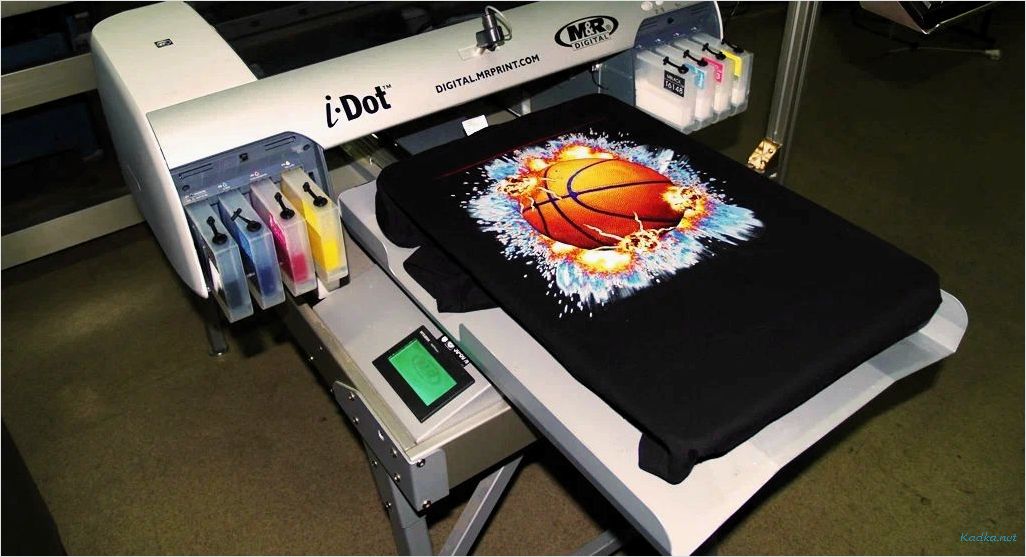
- Image printing: The graphic element is applied to the film using a special printer and ink.
- Drying and curing: The printed film passes through a drying machine, where the ink dries and bonds to the film.
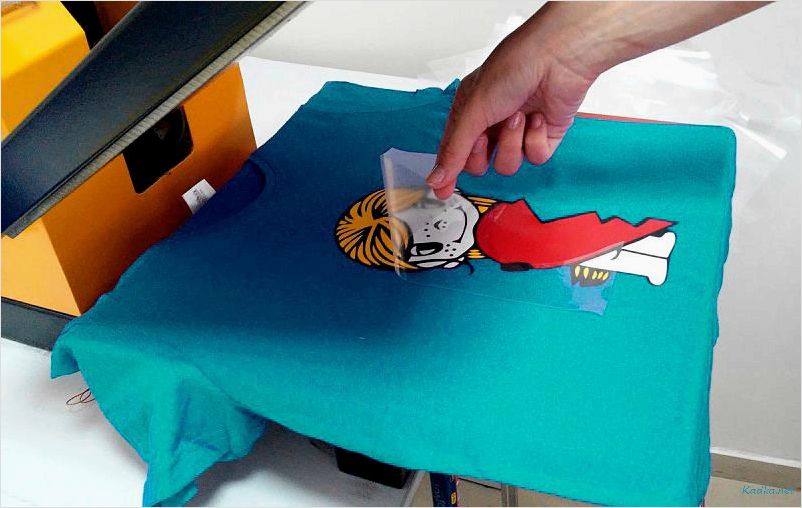
- Material transfer: The film with the image is transferred to fabric or leather using a heat press, which applies high temperature and pressure.
DTF printing opens up new possibilities for manufacturers and designers, offering a high-quality and flexible way to create unique products. Due to its versatility and simplicity, this method is becoming increasingly popular in the industry.
Methods for transferring images to fabrics
DTF printing
DTF (Direct to Film) printing is an innovative method of transferring graphics to fabric surfaces. This method uses specialized films that produce clear, detailed images with rich colors. The process begins with the graphic being printed onto the film using a specialized printer, after which the image is transferred to the fabric using a heat press. This approach ensures durability and wear resistance, making it ideal for creating both fashion apparel and advertising materials.
Advantages of DTF printing
One of the main advantages of DTF printing is its ability to work with a variety of fabrics, including cotton, polyester, and blended materials. This method is also characterized by high color and detail accuracy, which is especially important when creating complex and multi-color designs. Furthermore, DTF printing creates soft, tactile images that don’t weigh down the material and retain its original properties.
DTF printing is becoming increasingly popular among designers and manufacturers due to its efficiency and quality. This method opens up vast creative possibilities and allows for the realization of the most daring ideas in textile design.
Features of printing on leather
The DTF printing process on leather goods involves several key stages, each requiring meticulous adherence to technology and the use of specialized equipment. This is necessary to ensure the design is clear and resistant to external influences.
Successful completion of all stages ensures that the final product is not only visually appealing but also resistant to abrasion and other mechanical stress. DTF printing opens up wide possibilities for decorating leather goods, making them unique and stylish.
Comparison of printing on eco-leather and leatherette
Modern technologies make it possible to apply vibrant and detailed graphic elements to a wide variety of materials, including leatherette. In this article, we will examine the main differences between printing on eco-leather and leatherette using DTF printing. We will discuss the features, advantages, and potential limitations of each of these materials. Eco-leather, thanks to its properties, is highly wear-resistant and environmentally friendly. It has good ink adhesion, ensuring durability and resistance to fading. DTF printing on eco-leather produces clear and rich graphic elements that retain their visual qualities over time.
Leatherette, on the other hand, has its own unique characteristics. This material is often more economical and widely available. However, printing on leatherette may require more careful surface preparation and the use of specialized inks to achieve optimal results. With the right approach, DTF printing on leatherette can also be high-quality and durable.
The main difference between these materials is their composition and physical properties, which directly impact the printing process and the final result. Eco-leather provides a more stable base for DTF printing, while leatherette may require additional efforts to achieve comparable quality. However, the choice between these materials depends on the specific requirements and objectives of the project.
Thus, understanding the features and advantages of each material allows you to take a more conscious approach to choosing a substrate for DTF printing, ensuring the best results under various operating conditions.
Printing on polymer coatings
Printing on polymer coatings
The benefits of DTF printing include the ability to create fine details and gradients, making it an ideal choice for complex and multi-layered designs. In addition, DTF allows you to work with a wide range of polymer surfaces, including PVC, polyurethane and other types of synthetic materials. This opens up new horizons for designers and manufacturers in various industries.
The key stage in DTF printing is the preparation of the film onto which the design is applied using a specialized printer. After this, the film is applied to a polymer coating and exposed to heat, which ensures strong and durable adhesion. This process does not require complex equipment and allows you to get high-quality results in a short time.
The use of DTF printing on polymer coatings is becoming increasingly widespread due to its versatility and cost-effectiveness. This technique allows you to create unique and creative designs that will satisfy even the most demanding clients. Whether for industrial production or custom orders, DTF printing offers solutions that exceed expectations in quality and durability.
Full-color images on textiles, leather and polymer coatings