GLONASS GPS equipment monitoring systems: advantages and functionality
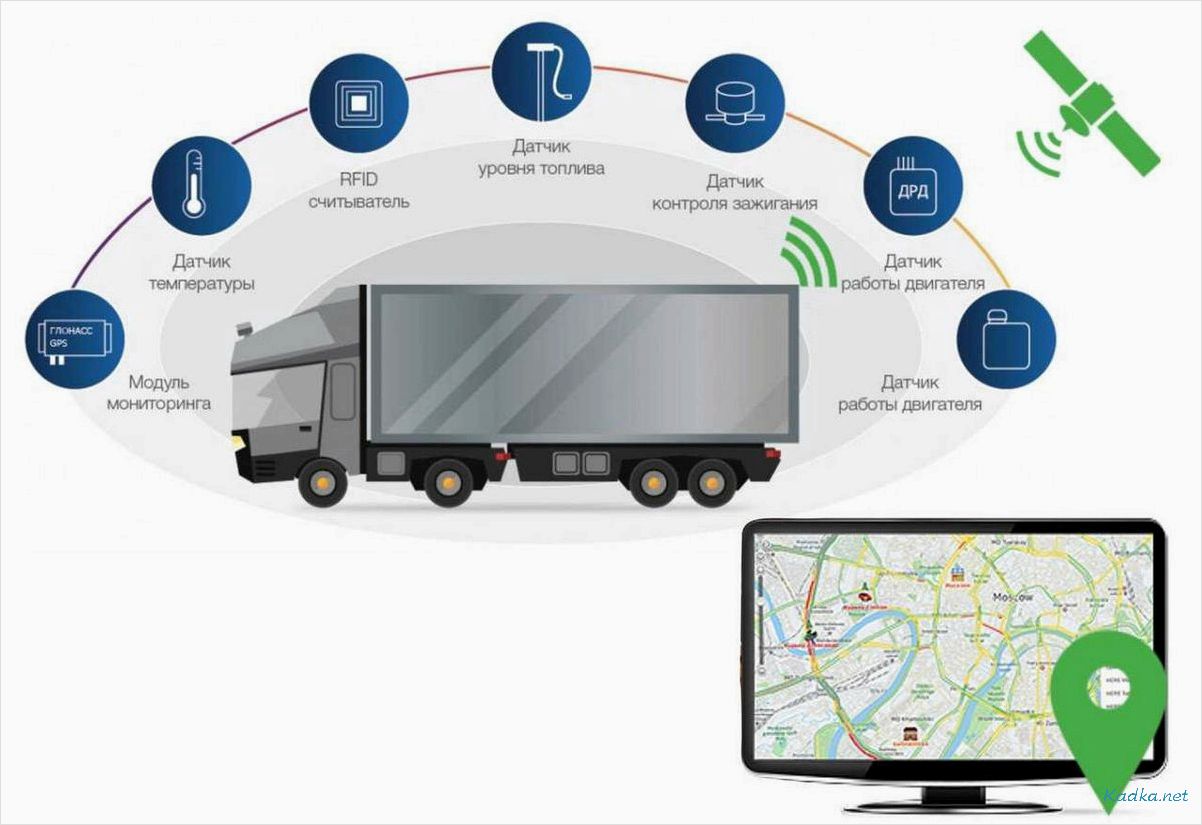
GLONASS GPS equipment monitoring systems are innovative technologies that allow monitoring and control of various types of vehicles and special equipment. With their help, you can track the location and movement of objects, control fuel costs, manage operating modes, and much more.
Contents of the article:
- The principle of operation of GLONASS and GPS systems
- Advantages of using Glonass GPS monitoring
- Technical characteristics of GPS equipment
- GLONASS/GPS receiver
- GPS antenna
- Communication module
- Battery
- Additional features
- Application of Glonass GPS systems in various industries
- Transport and logistics
- Agriculture
- Construction and mining
- Energy
- Trade and services
- Security
- Tourism and recreation
- Selection and installation of GPS equipment
The advantages of GLONASS GPS equipment monitoring systems are obvious. They make it possible to increase the efficiency of enterprises, reduce the cost of maintenance and repair of equipment, and improve safety and control over transportation. Thanks to these systems, companies can optimize their operations and improve the quality of service to their customers.
GLONASS GPS equipment monitoring systems are an indispensable tool for vehicle fleets, logistics companies, construction organizations and other enterprises where efficient vehicle management plays an important role.
The main components of GLONASS GPS equipment monitoring systems are satellite navigation receivers, data transmitters, as well as special software for analyzing and visualizing the received information. Thanks to these components, users can receive up-to-date and reliable information about the operation of their facilities in real time.
Thus, GLONASS GPS equipment monitoring systems represent a modern solution for effective management of vehicles and special equipment. They help businesses reduce costs, increase security and control, and improve the quality of their services. The implementation of these systems is becoming increasingly popular among companies that seek to optimize their activities and improve the level of service.
The principle of operation of GLONASS and GPS systems
GLONASS and GPS systems are satellite navigation systems that allow you to determine the location of an object on Earth with high accuracy. The operating principle of these systems is based on the use of satellites, which transmit signals received by receivers installed at the site.

The GLONASS system consists of 24 satellites located in low-Earth orbit. Each satellite orbits the Earth, completing a complete revolution in approximately 11 hours and 15 minutes. GLONASS satellites transmit special signals containing information about time and their location.
The GPS system also consists of satellites, but the number of satellites in the system may vary. Currently, the GPS system has about 30 satellites located in high orbit. GPS satellites also transmit special signals with time and location information.
To determine the location of an object using the GLONASS or GPS system, you must have a receiver capable of receiving signals from satellites. The receiver collects data from several satellites simultaneously and, using information about the time and location of each satellite, calculates its location.
To more accurately determine the location of an object, the receiver can use information from more satellites. The more satellites used to determine the location, the higher the accuracy of the determination.
The obtained object location data can be displayed on the receiver screen or transferred to a computer or other device for further processing and analysis.
Thus, the principle of operation of the GLONASS and GPS systems is to transmit signals from satellites and receive them by a receiver, which, based on this data, determines the location of the object.
Advantages of using Glonass GPS monitoring
Glonass GPS monitoring is a system that uses satellite navigation to track and control the movement of objects. This technology has many benefits that make it an integral part of modern business and everyday life.
- Accuracy and reliability: Glonass GPS monitoring provides high accuracy in determining the location of objects. This allows you to control the movement of vehicles, cargo and other valuable assets with a high degree of reliability.
- Increased efficiency: The Glonass GPS monitoring system allows you to optimize routes and plan cargo delivery. This helps reduce transportation time and costs, increasing business efficiency.
- Improved security: Glonass GPS monitoring allows you to track the movement of objects in real time. This helps prevent theft of vehicles and cargo, as well as quickly respond to emergency situations.
- Cost reduction: Thanks to Glonass GPS monitoring, you can control fuel costs, avoid inappropriate use of vehicles and optimize the use of resources. This allows you to reduce costs and improve the financial performance of the company.
- Improving customer service: Using Glonass GPS monitoring, you can provide customers with accurate information about the location of cargo and predict the time of its delivery. This increases customer satisfaction and improves the company’s reputation.
As a result, Glonass GPS monitoring is a powerful tool that helps improve business management, reduce costs and increase security. It is widely used in various industries such as logistics, transport, construction and others.
Technical characteristics of GPS equipment
GPS equipment is used to determine the location of objects and transmit data about them in real time. It consists of several components, each of which has its own technical characteristics.
GLONASS/GPS receiver
- Receive frequency: typically 1 GHz or higher.
- Sensitivity: Determines the receiver’s ability to detect weak signals. Expressed in dB.
- Number of channels: determines the number of satellites with which communication can be established simultaneously. Typically from 12 to 50 channels.
- Positioning accuracy: indicated in meters and depends on the quality of the receiver and environmental conditions. Usually from 2 to 10 meters.
GPS antenna
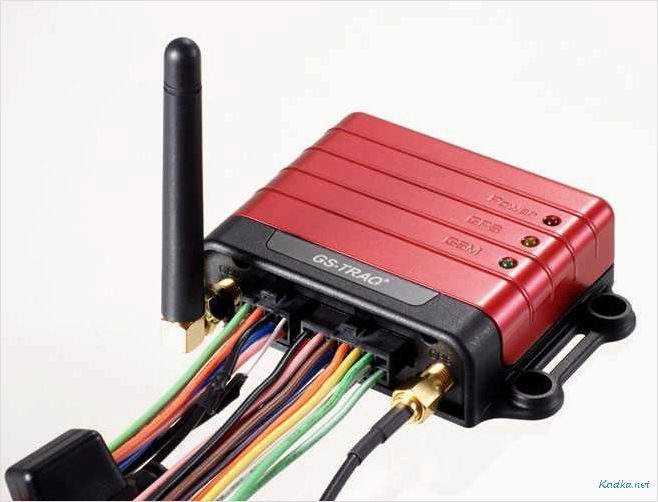
- Type: active or passive.
- Gain: Determines how much the antenna amplifies the signal.
- Operating frequency: typically 1. 57542 GHz.
- Polarization: vertical or horizontal.
Communication module
- Type: GSM, GPRS, 3G, 4G, LTE, NB-IoT.
- Operating frequency: depends on the type of module.
- Data transfer rate: indicated in bits per second.
Battery
- Capacity: indicated in mAh.
- Operating time: depends on the capacity and operating mode of the equipment.
- Type: Li-ion, Li-polymer, Nickel-metal hydride, etc.
Additional features
- Sensors: accelerometer, gyroscope, light sensor, etc.
- Inputs/outputs: for connecting external devices and sensors.
- Resistance to external factors: moisture, dust, vibration, temperature, etc.
Specifications of GPS equipment may vary depending on the manufacturer and model. When choosing GPS equipment, you must take into account the requirements and tasks that it must perform.
Application of Glonass GPS systems in various industries
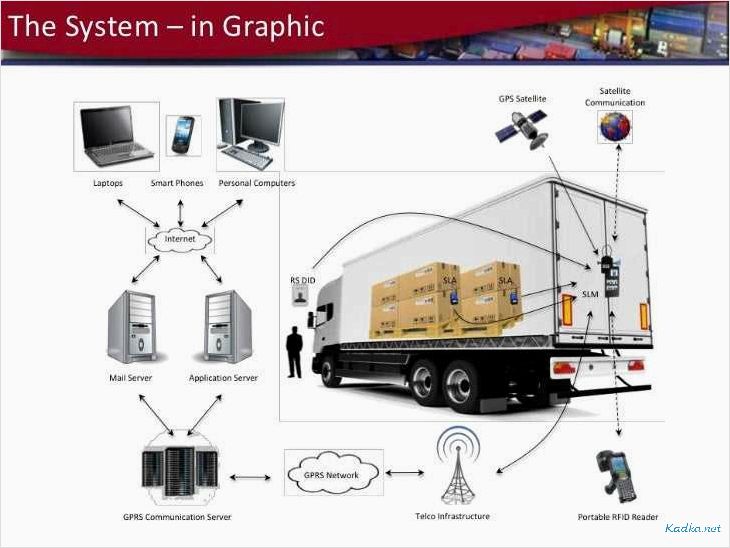
Glonass systems gps monitoring equipment have found wide application in various industries where control over the movement and operation of equipment is required. Below are the main industries that use GLONASS GPS systems.
Transport and logistics
In the field of transport and logistics, Glonass GPS monitoring systems are widely used to monitor the movement of vehicles. With their help, you can track routes, speed, mileage, parking time and other parameters. This allows you to optimize logistics processes, control the work of drivers and reduce the risks of theft and theft of cargo.
Agriculture
In agriculture, Glonass GPS monitoring systems are used to control agricultural machinery. They allow you to control the operation of agricultural machines, optimize field processing, improve the quality of work and reduce fuel and resource costs.
Construction and mining
In the construction and mining industries, GLONASS GPS monitoring systems are used to monitor the operation of construction and mining equipment. They allow you to track the movement and use of equipment, improve planning and coordination of work, increase production efficiency and occupational safety.
Energy
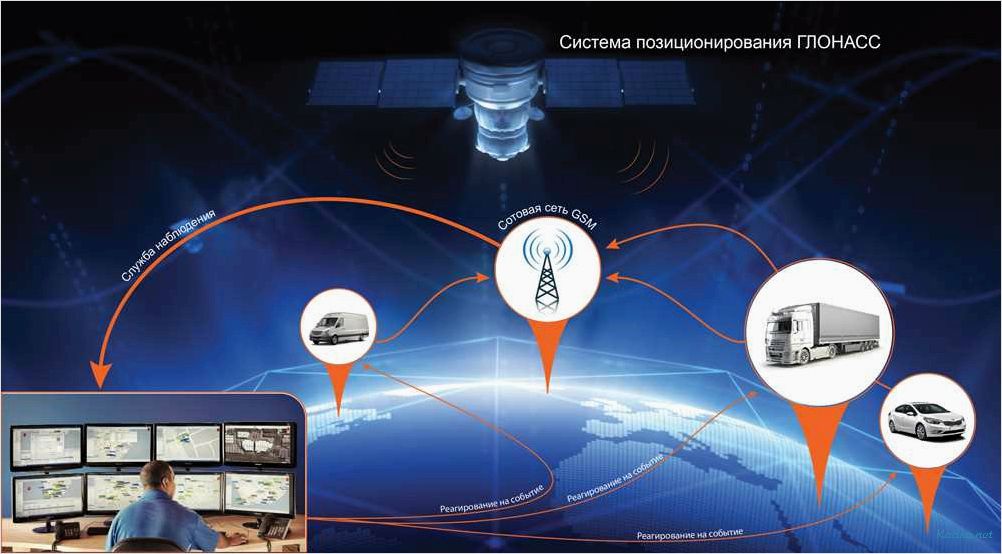
In the energy industry, GLONASS gps monitoring systems are used to monitor the operation of energy equipment, such as generators, transformers, power lines and other objects. They allow you to monitor equipment operation, prevent accidents and reduce risks to personnel.
Trade and services
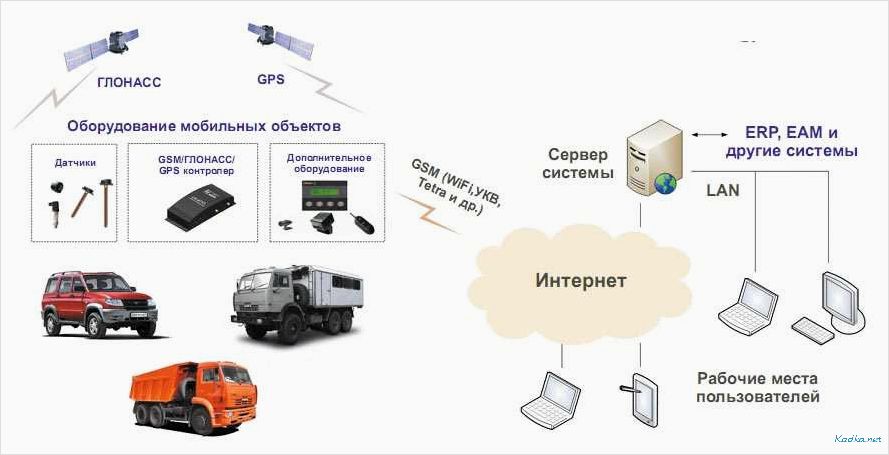
In the field of trade and services, Glonass gps monitoring systems are used to monitor the movement of commercial vehicles such as trucks, buses, taxis and others. They allow you to track the location and movement of vehicles, monitor the work of drivers, improve route planning and customer service.
Security
In the security field, Glonass gps monitoring systems are used to monitor the movement and work of security services, such as security guards, patrols, rescuers and others. They allow you to track the location and movement of personnel, coordinate their actions, improve incident response and ensure the safety of facilities and people.
Tourism and recreation
In the field of tourism and recreation, Glonass GPS monitoring systems are used to monitor the movement and safety of tourists. With their help, you can track hiking routes, prevent confusion and loss, provide communication with the group and prompt assistance in emergency situations.
An example of the use of GLONASS GPS systems in various industries
IndustryApplication of GLONASS GPS systemsTransport and logisticsControl over the movement of vehicles, optimization of logistics processesAgricultureManagement of agricultural machinery, optimization of field processingConstruction and miningMonitoring the operation of construction and mining equipment, improving planning and coordination of workEnergyMonitoring the operation of power equipment, preventing accidentsTrade and servicesControl over the movement of commercial vehicles, improved route planningSecurityControl over the movement and work of security services, ensuring the safety of objects and peopleTourism and recreationControl over the movement and safety of tourists, prevention of misconceptions and loss
Selection and installation of GPS equipment
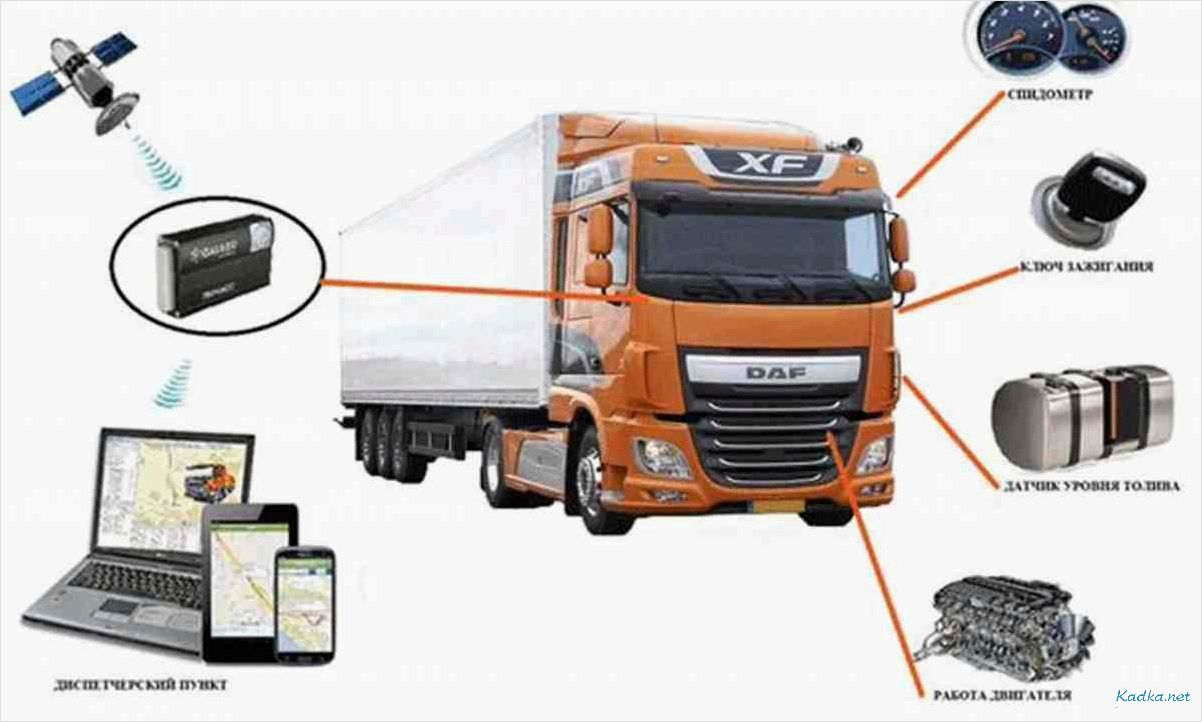
GPS equipment monitoring is an important component of effective management of vehicles and other types of equipment. The correct selection and installation of GPS equipment allows you to get the maximum benefit from the Glonass GPS monitoring system.
1. Definition of goals and requirements
Before choosing GPS equipment, you need to determine the goals and requirements that you want to achieve with the help of a monitoring system. This can be control of speed, route, fuel consumption, equipment operation and other parameters.
2. Analysis of market opportunities
There are many manufacturers and models of GPS equipment on the market. Analyze and compare the characteristics, functionality and prices of different models. Choose those that best suit your requirements.
3. Equipment installation
Installation of GPS equipment can be done independently or with the help of specialists. If you install it yourself, you must follow the manufacturer’s instructions and pay attention to proper physical installation and power connections.
4. Functionality check
After installation, it is necessary to check the operation of the GPS equipment and its compliance with the specified requirements. Make sure that the data is correctly transferred to the monitoring server and displayed in the appropriate interface.
5. User training
Once GPS equipment is installed, users must be trained in its use. Tell them about the capabilities of the monitoring system, show them how to use the interface and analyze the data received.
6. Regular maintenance and updating
GPS equipment requires regular maintenance and updating. Check its functionality, update the software and monitor the availability of free space in the device memory.
Conclusion
Selecting and installing GPS equipment is an important step in creating a Glonass GPS monitoring system. The right choice and high-quality installation will allow you to achieve your goals and get the maximum benefit from the monitoring system.