What’s the difference between a café and a restaurant, and a brasserie and a bistro?
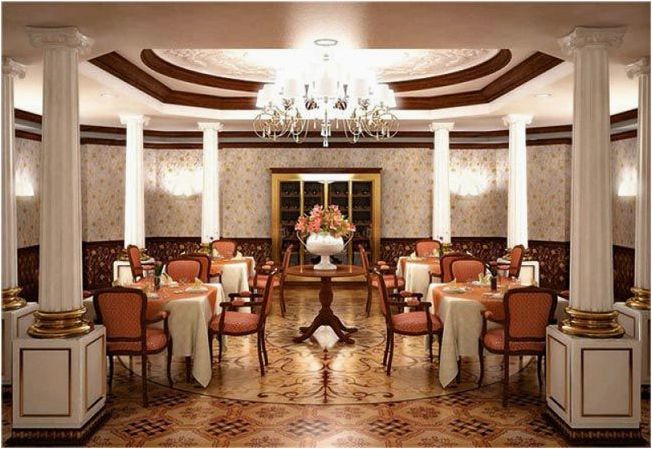
At first glance, cafés are the same as restaurants, only with smaller spaces and a more modest menu. And a brasserie isn’t all that different from a bistro. However, things aren’t as simple as they seem.
Contents of the article:
When and how did cafés and restaurants appear?
Although the word “café” comes from the French “café,” the tradition of drinking coffee drinks at a communal table originated not in France, but in the former territories of the Ottoman Empire. There, in the 16th century, this hot, invigorating drink quickly became popular: intellectuals discussed lofty matters, lit up the atmosphere over board games, and, of course, drank coffee. Until now, people have speculated about the magical powers of coffee. It was believed to awaken and activate creative abilities. It’s therefore not surprising that in England, cafés were popular meeting places for writers and artists, while in France, the Le Procope coffee house was a favorite haunt of the great minds of the Enlightenment—Voltaire, Rousseau, and Diderot.
Restaurants appeared somewhat later. The first such establishments opened in France in the 18th century: in 1765, Mathurin Rose de Cheinotaso founded a tastefully decorated establishment serving meat soup, macaroni, and other “improved” dishes. The word “restaurant” itself comes from the Latin “restaurant,” nothing more.
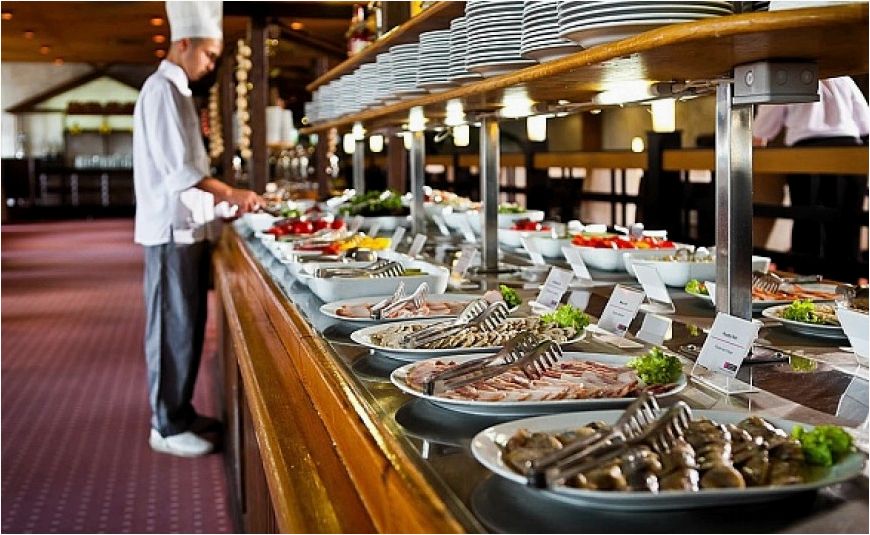
At a café for a pastry, at a restaurant for lunch
The main difference between a café and a restaurant is the menu and the selection of dishes: as they did five centuries ago, cafés emphasize a wide selection of coffee drinks, tea, and lemonades. Here, patrons can enjoy a cup of coffee or a drink, but cannot dine. This type of establishment primarily offers desserts, pastries, and light appetizers.
The restaurant’s menu offers a wide variety of dishes (from breakfast and dinner to exquisite desserts), as well as a plethora of drinks to suit every taste. However, it’s unlikely that you’ll order a latte with ten syrups and triple whipped cream at such an establishment. The gastronomic experience comes at the restaurant, where the main dishes are salads, steaks, and haute cuisine creations. Furthermore, all dishes must undergo the entire production cycle (from slicing to cooking) directly on-site. “Convenience food” is practically a taboo term for restaurants.
Serving arrangements and menu
Linen tablecloths and napkins are an integral part of a good restaurant offer. As for cutlery, they are waiting for guests at the table or the waiter brings them. In the cafe, the service is more restrained. The absence of tablecloths is allowed, cloth napkins are replaced with paper ones, and forks, knives and spoons are usually taken from a special stand or can be customized with the order.

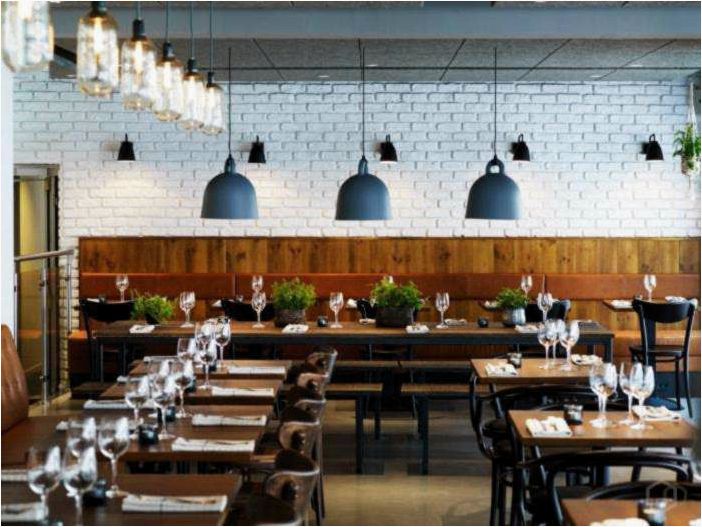
By the way, not all cafes have paper menus. Many establishments of this kind limit themselves to signs with prices for drinks and food at the cashier. However, finding a restaurant without a food “guide” is almost impossible. And if there is chik chik menu , then the waiter brings the items and cutlery selected from him, and, as a rule, in a cafe guests have to be content with self-service.
What is a brasserie?
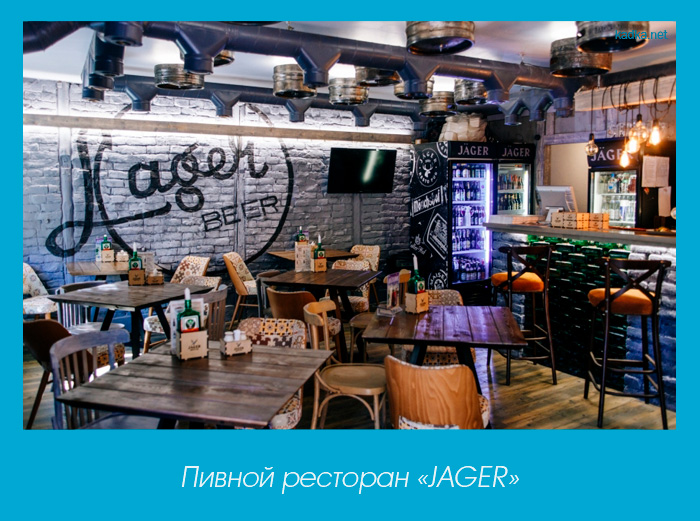
Another common form of public establishment is the brasserie. This is a cafe with beer and traditional French cuisine, served from morning until late evening. Brasserie began to spread in Paris in the 19th century. At that time, intoxicating drinks became popular among residents of the French capital. Initially, brasserie meant a brewery, but over time the gastronomic meaning of the term expanded, and it began to refer to catering establishments that brewed their own beer. Such establishments are often decorated with dark wood furniture, leather banquettes and large mirrors.
How does a brasserie differ from a bistro?
It is believed that the term “bistro” originated from Russian soldiers who occupied Paris after the Napoleonic Wars and allegedly shouted “bistro” (in Russian). Be that as it may, bistros really stand out for their fast service.
The main difference between a bistro and a brasserie is that the former is usually only open for lunch and dinner and closed between the two meals. Opening hours vary: lunch runs from 12. 00 to 14. 30, and dinner from 19. 00 to 22. 30. When it comes to food, bistros also serve traditional French dishes, but tend to have a much more limited menu than a brasserie, which places more of an emphasis on simple home cooking.