Rome, Italy: tourism and travel
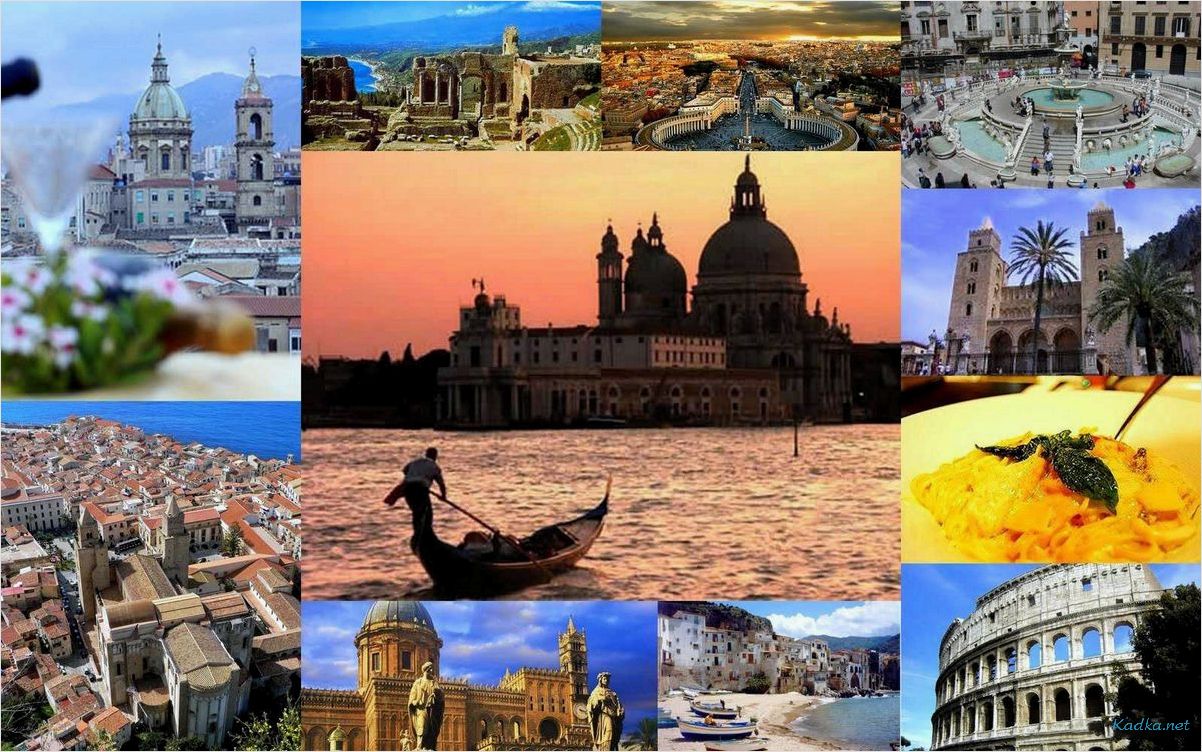
Where antiquity and modernity meet, where every corner is imbued with history, where narrow streets intertwine with wide avenues – this is a city that personifies the greatness of Italian culture. It attracts with its magic and an inexhaustible number of attractions. Here you can feel like you are part of a great era, take in the endless squares and enjoy the atmosphere of old Europe.
Contents of the article:

this is a place where every stone holds incredible secrets of the past. Here you can hear the voices of great emperors and feel the pulse of life, which is in no hurry to change over time. Rome is a city that delights and fascinates, forcing you to return here again and again.
Having inspired the whole spirit of Italian culture, Rome offers its guests not only amazing historical monuments, but also a rich cultural program. Here you can enjoy works of art in numerous museums, stroll through picturesque parks and gardens, taste gourmet Italian cuisine, browse fashion brands and enjoy the atmosphere of the city’s nightlife.
The Roman heritage is not only the Colosseum, the Vatican and the Forum, but also many hidden corners that can only be discovered on your own. It is here that you can immerse yourself in the atmosphere of real Italy, feel its flavor and feel that time has stopped to allow every traveler to enjoy this unique country.
History of the great city: from its inception to the present day
This section is dedicated to the amazing history of Rome, one of the most ancient cities in the world. Here we look at the eras, events and transformations that made Rome such a significant and influential center of culture, politics and the arts.
Let’s start with the distant past, when the first settlement appeared on the banks of the Tiber River, inhabited by tribes that later became known as the Romans. Over time, Rome grew into a powerful republic that conquered new territories and expanded its influence into neighboring regions.
- The period of the Roman Republic was a time when the city became the center of political and social life, and its leaders – senators and consuls – made important decisions for the development of Rome and its possessions.
- The era of the Roman Empire is the time when Rome became the capital of a powerful empire stretching from Britain to Egypt. During this time, many magnificent structures were built, such as the Colosseum and the Pantheon, reflecting the power and grandeur of Rome.
- The Fall of the Western Roman Empire was a period when Rome found itself in a state of decay and destruction caused by internal conflicts and invasions by barbarian peoples. This led to the decline of the city and the loss of its former power and influence.
- The Middle Ages and the Renaissance are eras when Rome became the center of the Christian church and a place where art and science flourished. At this time, such architectural masterpieces as St. Peter’s Basilica and the Capitoline Museums were created.
- Modern times and modernity are the period when Rome became the capital of a united Italy and one of the main tourist destinations in the world. Today here you can see historical monuments that have been preserved since ancient times and continue to amaze with their beauty and grandeur.
The history of Rome is a history of struggle, prosperity, fall and rebirth. Each era has left its mark and contributed to the formation of the modern appearance of the city. Immerse yourself in the wonderful world of the capital of Italy and discover its centuries-old history.
The Greatness of the Ancient World: Rome
Founded in the 8th century BC, Rome became the capital of the Roman Republic and the subsequent Roman Empire. Over many centuries it has become the center of world politics, culture and art. Rome has witnessed great battles, exploits and victories, and its history is filled with legends and myths.
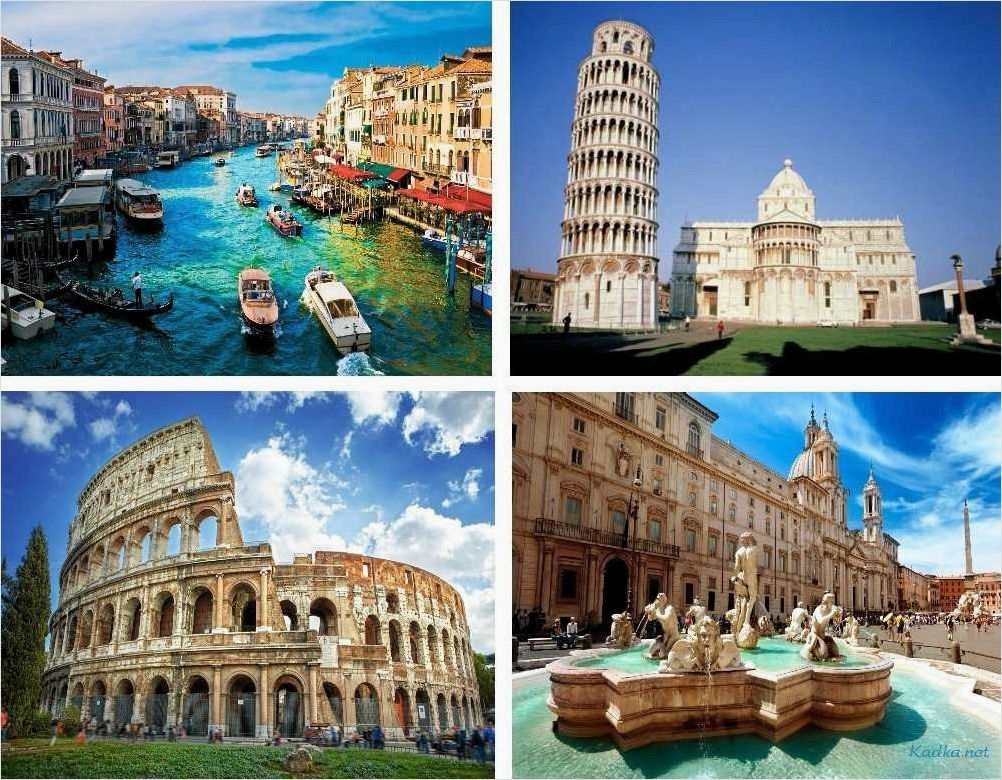
- Rome is a city of monumental buildings such as the Colosseum, Pantheon and Forum Romanum. These architectural masterpieces embody the grandeur and power of ancient Rome.
- Rome is a city of museums, where you can see works of art from different eras and styles. The world-famous Vatican Museums and their treasure trove – the Sistine Chapel with stunning frescoes by Michelangelo – are not to be missed.
- Rome is a city famous for its cuisine. Here you can try real Italian pizza, pasta, tiramisu and other dishes that have won the hearts of gourmets from all over the world.
- Rome is a city of monuments, where at every step you can stumble upon ancient statues, fountains and columns that are witnesses of past eras.
- Rome is the city of faith, where the main Catholic church is located – St. Peter’s in the Vatican. Many pilgrims and tourists come here to see the Pope and feel the spirit of the ancient Christian religion.
A trip to Rome is an opportunity to plunge into the unique atmosphere of the grandeur of the ancient world, enjoy the beauty of architecture and art, taste delicious Italian cuisine and unravel some of the secrets and mysteries that permeate this amazing city.
The Roman Colosseum is a symbol of greatness and progress
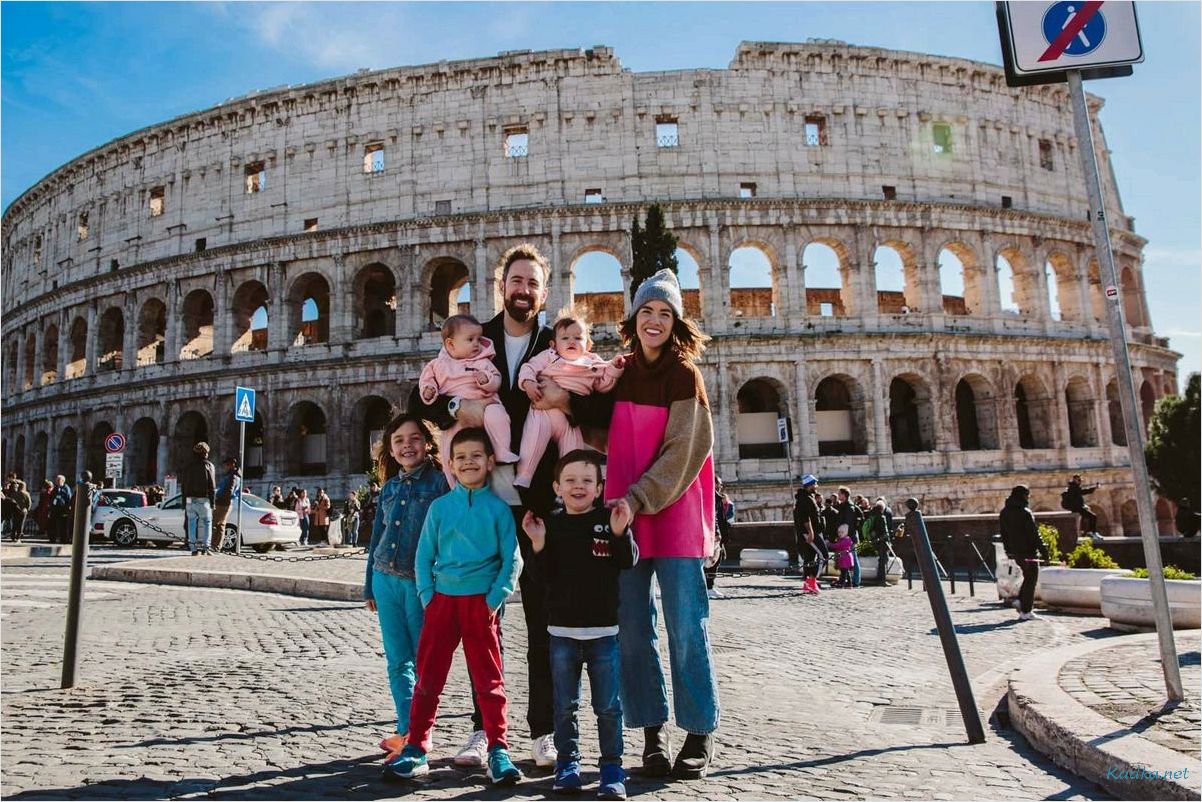
The Colosseum was built during the era of the Roman Empire and served as an arena for grandiose gladiator fights, inheriting the traditions of the ancient Greek amphitheater. This is a place where thousands of spectators gathered to watch the fights of strong and brave warriors, as well as for various public events, including folk festivals and ceremonies.
The architectural genius of the Colosseum is evident in its enormous size and unique design. Inside the amphitheater there were three tiers with 80 rows of seats, capable of accommodating up to 50 thousand spectators. Powerful arches and columns gave the building grandeur and grandeur, and a system of underground tunnels and elevators provided quick access to the arena for gladiators and animals.
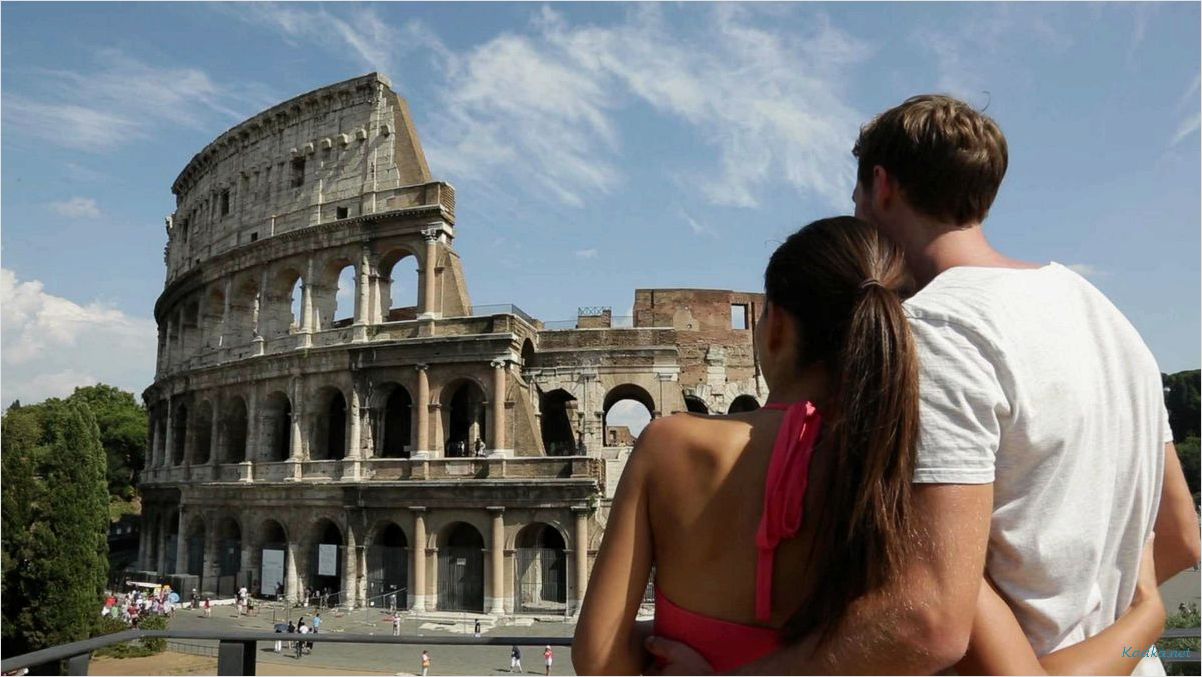
The Colosseum is not only an architectural masterpiece, but also a witness to historical events. Over the centuries it has survived destruction and restoration, becoming a symbol of the endurance and eternity of the Roman Empire. Today, the Colosseum attracts tourists from all over the world, being a popular place for excursions and learning about history.
A visit to the Roman Colosseum allows you to plunge into the ancient world and feel its power and splendor. This is a place where history comes to life and reveals its secrets, inspiring and impressing everyone who sets foot on its sacred ground.
Historical and cultural riches of the eternal city
Colosseum
One of the most famous and visited attractions in Rome is the Colosseum, a symbol of the greatness of the Roman Empire. This amphitheater, built in the 1st century AD, was the venue for gladiatorial fights, folk entertainment and grand performances. Today, the Colosseum is a popular place for excursions and a source of inspiration for many artists and writers.
Pantheon
Another significant landmark of Rome is the Pantheon, a temple erected in the 2nd century AD. The majestic domed architecture and unique interior decoration make this temple one of the most impressive structures of Ancient Rome. The Pantheon also served as the burial place of many prominent historical figures.
- Piazza Navona
- Vatican Museums
- Forum Romanum
- Santa Maria Maggiore
- Baths of Caracalla
This is just a small part of the cultural attractions that can be seen in Rome. The city offers a rich selection of historical and cultural sites that immerse visitors in the unique atmosphere of antiquity and the greatness of the Roman Empire.
The Vatican and the Sistine Chapel are the shrines of Christianity
Vatican
The Vatican is a small state surrounded by the territory of Rome. It is a place of pilgrimage for millions of believers from all over the world. Inside the Vatican there are unique architectural structures, squares and gardens. The most famous sights of the Vatican are St. Peter’s Basilica, the Vatican Museums and the Sistine Chapel.
Sistine Chapel
The Sistine Chapel is one of the most significant shrines of Christianity. It is the site of papal ceremonies and conclaves, and also attracts tourists with its frescoes created by Michelangelo and other great Renaissance artists. The main work of art found in the Sistine Chapel is the ceiling, which depicts scenes from the Bible, including the famous scene of the Creation of Adam.
A visit to the Sistine Chapel is a unique opportunity to see magnificent works of art and feel the spirit of religion and history. It is here that you can admire the talent of great artists and feel the deep meaning of Christian symbols and stories. When visiting the Sistine Chapel, you must follow rules of conduct such as silence and respect for the shrine.
- Explore the history of the Sistine Chapel and its significance to Christianity.
- Examine the ceiling and walls of the chapel, pay attention to the details and symbolism.
- Appreciate the talent and skill of Michelangelo and other artists who worked on the frescoes.
- Feel the atmosphere of the shrine and be imbued with its spiritual significance.
A visit to the Sistine Chapel is an unforgettable experience for every traveler interested in art and religion. The majestic frescoes created by great artists and the atmosphere of the place will leave an unforgettable impression and a sense of presence in the history of Christianity.
The Pantheon is a magnificent example of architecture and a symbol of rich history.
Majestic external building
Amazing architectural design
The Pantheon is a unique example of architectural excellence. Its dome, completely unsupported, creates a feeling of lightness and airiness. Inside the building there is a huge circular area where you can see monumental statues and other architectural elements.
- The Pantheon is one of the most visited tourist sites in Rome.
- Many famous historical figures are buried here, including Italian kings.
- The pediment of the temple is decorated with the inscription “Marcus Vipsanius Agrippa, son of Lucius, grandson of Marcus,” indicating its historical significance.
The Pantheon is more than just a building, it is a symbol of Rome’s rich history and a wonderful example of the greatness of architecture.
Rome’s gastronomic heritage: The delicious culture of the Eternal City
History and traditions
Roman cuisine has ancient roots, dating back to the deep history of the Eternal City. Its main features were formed during the Roman Empire and still remain relevant. The combination of simple and fresh ingredients, as well as unique cooking methods, make Roman cuisine truly unique and inimitable.
Traditional dishes and specialties
One of the most famous dishes of Roman cuisine is pasta carbonara, which is prepared using fresh eggs, guanciale (a special type of pork bacon), Pecorino Romano cheese and spices. Another traditional dish is Romana, which is a thin flatbread dough baked with various fillings such as tomatoes, olives, mozzarella and basil.
Also not to be missed is fritto misto, a traditional Roman appetizer consisting of various types of fried seafood and vegetables. Fresh vegetables cooked in Italian style and a variety of meat dishes, such as abbacchio – stewed lamb with vegetables, are also a must at the table in Rome.
Rome’s gastronomic heritage also includes many desserts and sweets. One of the most famous is tiramisu – a layered dessert made from mascarpone cheese, coffee, chocolate and savoiardi. Another popular dessert is cannoli – crispy tubes filled with ricotta and chocolate buttercream.
Gastronomic masterpieces of Italy: pasta and pizza
Italian cuisine is famous for its delicious dishes, but pasta and pizza occupy a special place among them. These two dishes have become real symbols of Italy and are very popular not only among local residents, but also among tourists from all over the world.
Pasta is a kind of foundation of Italian cuisine. These are tender and aromatic products made from flour and eggs, which are prepared in a variety of forms and combined with various sauces. Pasta can be spaghetti, rigatoni, fettuccine or lasagna, but in any case it is always a tasty and filling dish. In Italy, each region has its own characteristics in the preparation of pasta, so every time you can discover something new and surprising.
And pizza is certainly one of the most popular and recognizable Italian inventions. This is a thin and aromatic dough prepared with yeast and baked in the oven. Pizza can have various toppings: from classic margherita with tomatoes and mozzarella to original variations with seafood, vegetables or cheeses. Each restaurant or pizzeria has its own secret recipes, so you can try the most varied and interesting versions of this dish.
Pasta and pizza are not just food, they are a whole culture and history that is reflected in every dish. They allow you to plunge into the atmosphere of Italian cuisine and enjoy tastes that are unique and memorable. Try these gastronomic masterpieces of Italy and immerse yourself in the world of Italian cuisine that will forever remain in your heart.