Metalworking – basic methods, technologies and equipment for successful production
Metalworking is a process that involves various methods of processing metal products in order to improve their quality and functional characteristics. Not only the strength and durability of metal products, but also their aesthetic appearance depends on the choice of the correct processing method.
Contents of the article:
Modern metalworking technologies make it possible to achieve high precision and increase process productivity. One of these methods is computer numerical control (CNC), which allows you to automate the processing process and obtain high accuracy and repeatability of the result.
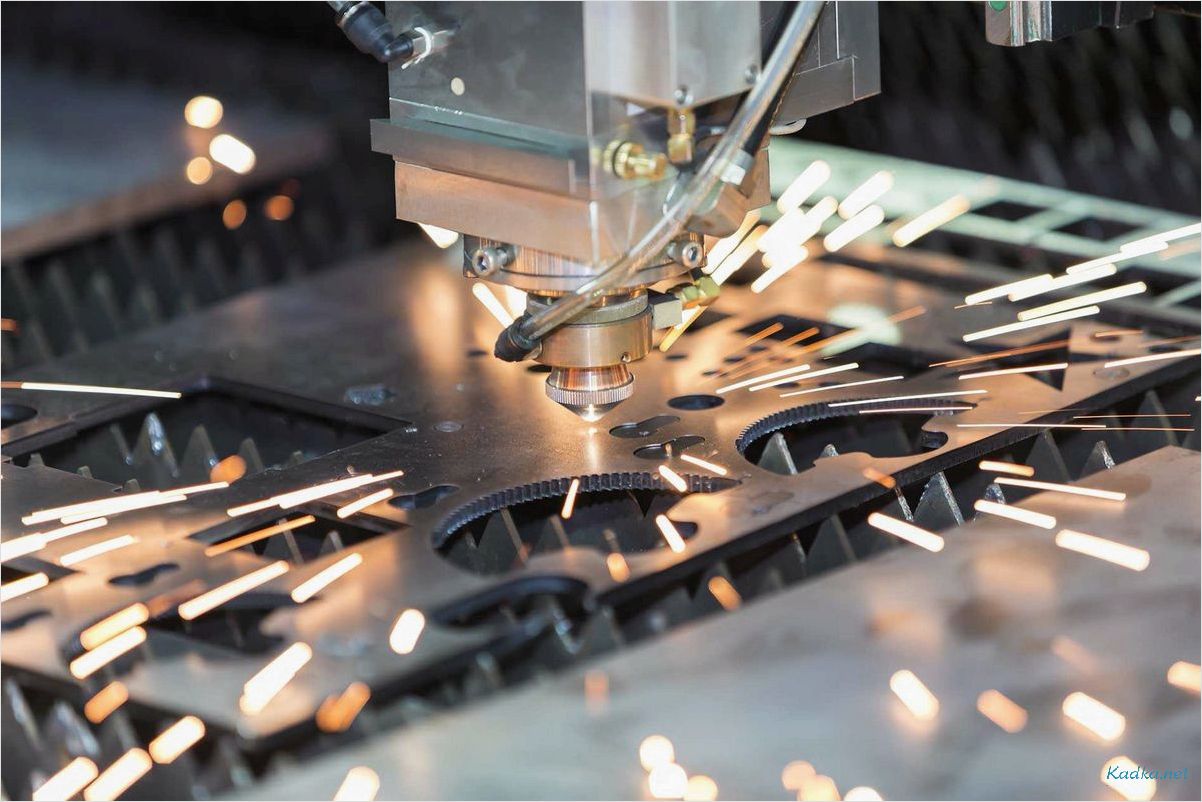
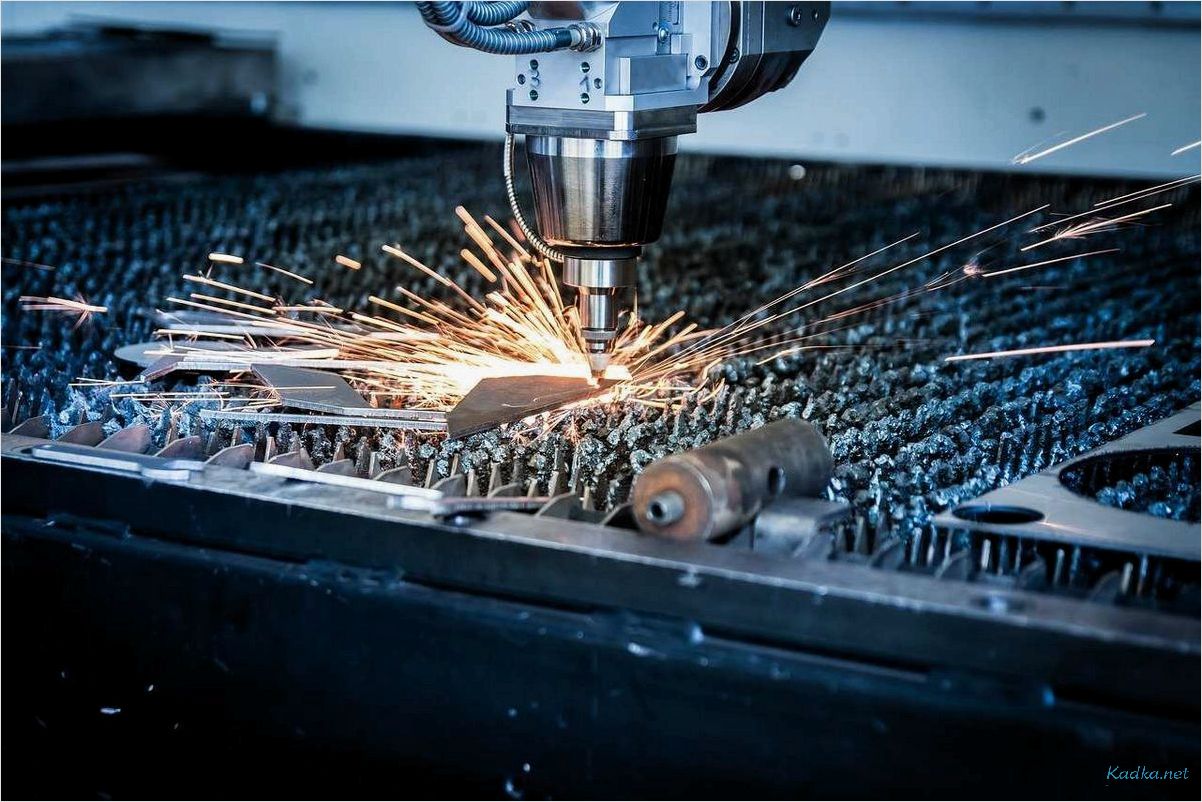
Another important technology in metalworking is laser cutting. It allows for precise and high-quality cutting of metal of any shape and complexity. Due to its high speed and minimal material loss, laser cutting has become one of the most popular methods in metalworking.
In recent years, the 3D printing process in metalworking has become increasingly popular. This technology allows the creation of complex metal products that were previously difficult or impossible to produce using traditional methods. 3D printing opens up new possibilities in the design and production of metal products, reducing production time and costs and producing lighter, stronger products.
Metalworking Basics
The basic principles of metalworking include the following steps:
- Preparation of material. This stage includes cleaning the metal surface from contaminants and protecting it from corrosion.
- Open it up. The process of separating a metal sheet into individual parts of the desired shape and size.
- Drilling. An operation in which holes of various diameters and depths are drilled into metal.
- Milling. The process of shaping metal using a milling cutter to create grooves, recesses, and other complex shapes.
- Turning. An operation in which a metal object is mounted on a lathe and rotated around its axis, resulting in the removal of material.
- Grinding. The process of obtaining a smooth and even surface of a metal product using an abrasive tool.
Metalworking is one of the main industries and is widely used in various fields, including mechanical engineering, automotive industry, construction and others. Properly performing metalworking operations requires knowledge of basic principles and skill in operating equipment.

Technologies and processes
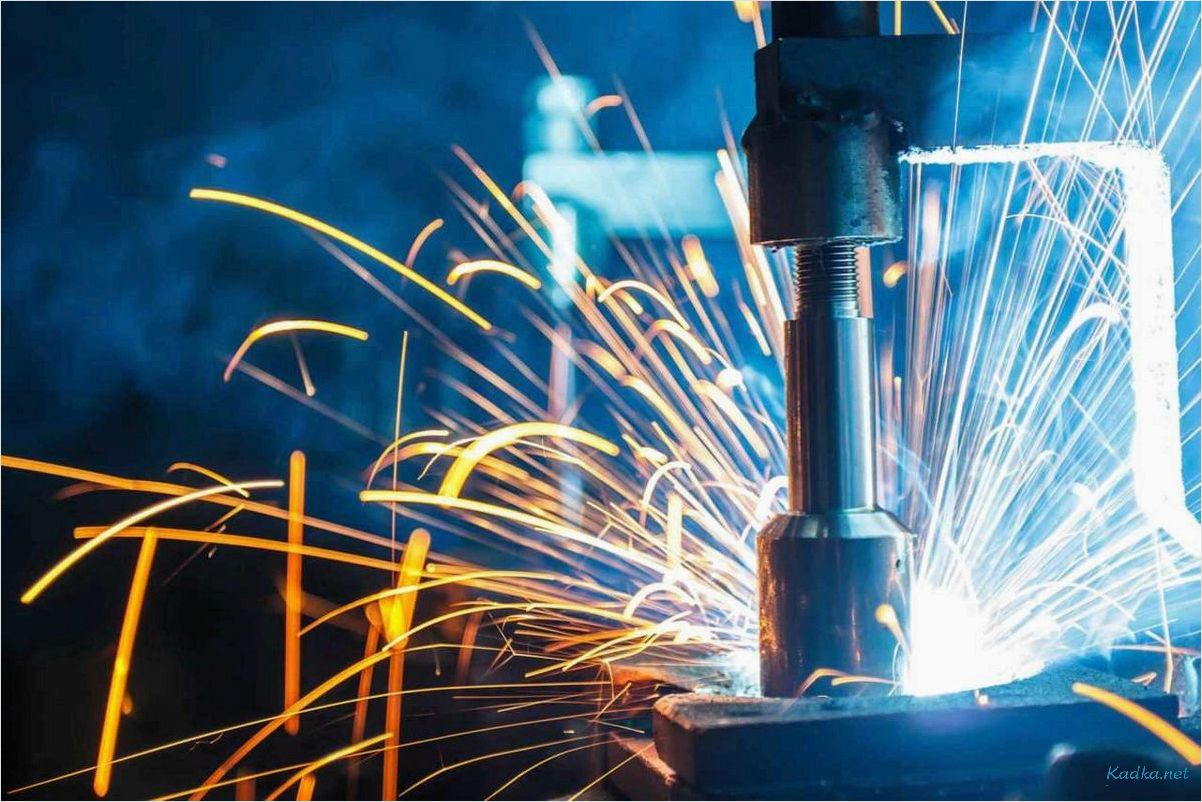
Modern metalworking technologies make it possible to achieve high precision and quality of metal processing. They are based on the use of specialized equipment such as CNC machines, laser and plasma cutters, robotic systems and others.
Metalworking processes include not only physical operations on metal, but also preliminary preparation and subsequent processing of products. These include mechanical processing, heat treatment, surface coating and other technologies.
Particular attention is paid to modern processing processes such as additive manufacturing and metal printing. They allow you to create complex parts and structures from metal using 3D printers and special materials.
Metalworking technologies and processes are constantly being developed and improved to meet the ever-increasing demands of industry and production. The use of modern methods allows us to reduce the time and costs of metal processing, as well as improve the quality and reliability of finished products.
Equipment and tools
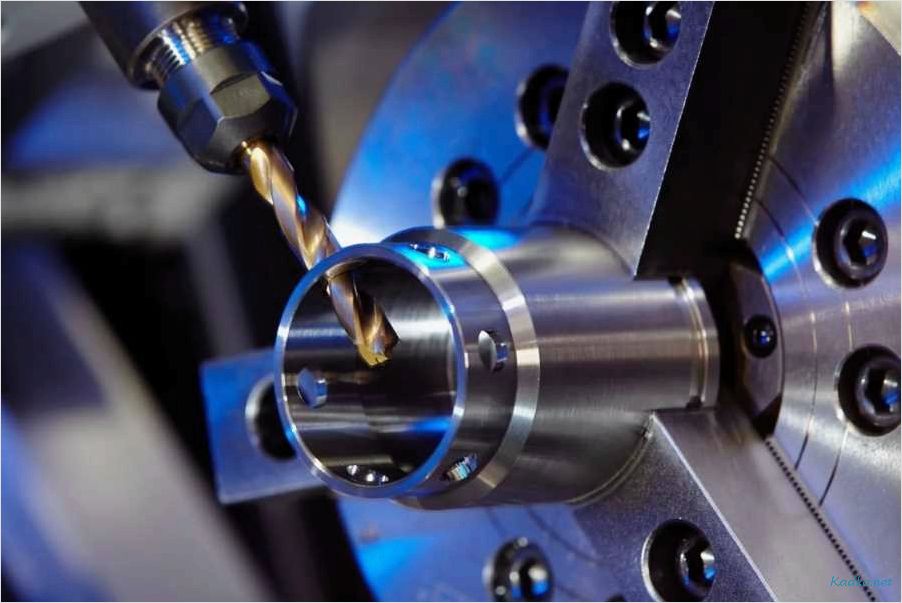
- Lathes – used to machine the surfaces of parts using a cutting tool that moves along the axis of rotation of the workpiece.
- Milling machines – allow you to process parts by rotating a cutter that moves along or across the workpiece.
- Press brakes are used for bending and forming sheet metal.
- Grinding machines are designed to remove excess material and give parts the desired shape and smooth surface.
- Drilling machines – used for drilling holes of various diameters and depths in metal parts.
- Laser and plasma cutting machines – allow you to accurately cut metal using a laser beam or plasma.
- Measuring Tools – Includes rulers, micrometers, calipers and other instruments needed to measure dimensions and control the quality of workmanship.
- Power Tools – Includes angle grinders, drills, power saws, and other tools used for metal working.
- Molds – used to mold metal parts under pressure.
In addition to the listed equipment and tools, metalworking also uses special devices, equipment, press dies and other accessories that allow you to perform various operations with metal.
Operators working with metalworking equipment must have the professional skills and knowledge to effectively use tools and equipment to achieve high quality metalworking.
Application and prospects
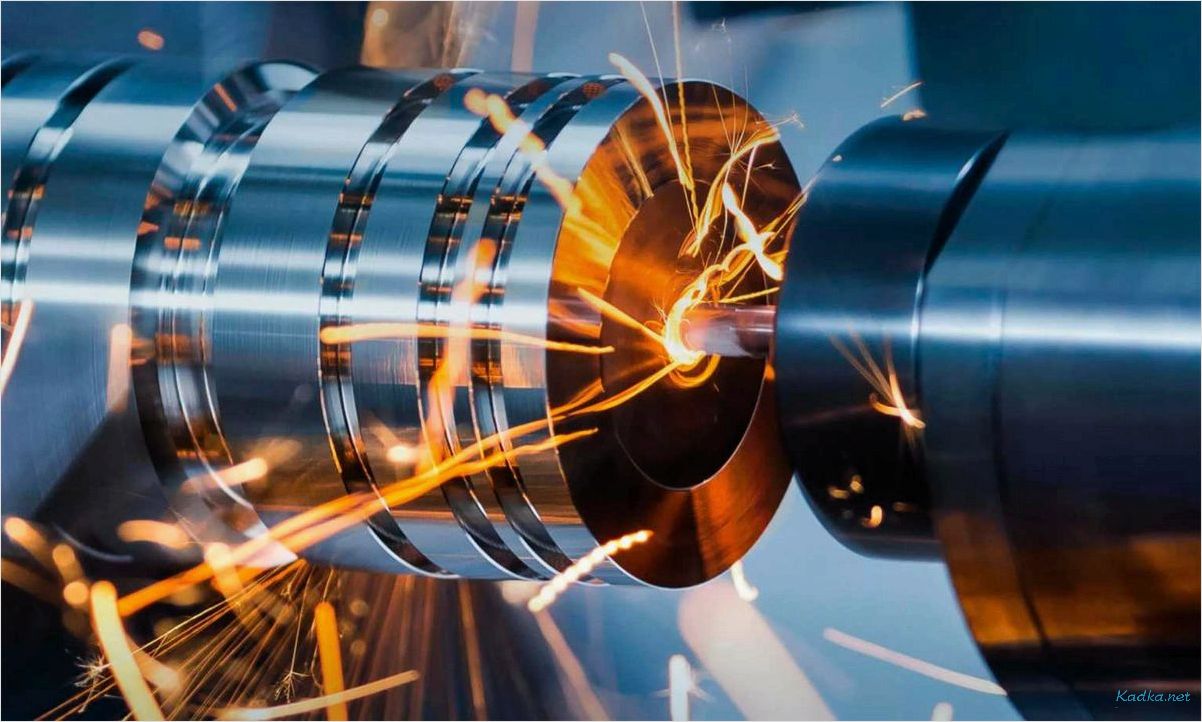
- Mechanical Engineering: Metalworking is used to make parts and components for machinery and equipment. Thanks to the precision and reliability of metalworking processes, it is possible to create complex and high-precision mechanisms.
- Automobile industry: Metal processing plays an important role in the production of automobiles. It is used for the manufacture of bodies, engines, suspensions and other parts. Thanks to the use of modern technologies, cars are becoming safer and more efficient.
- Aerospace: Metalworking is used to make parts and structures for aircraft and spacecraft. This requires high precision and reliability, since the safety and viability of these technically complex systems depend on the quality of the metalwork.
- Energy: Metalworking is used in the production of equipment for energy installations, including turbines, generators and other components. It is also used to make solar panels and wind turbines, which play an important role in the development of renewable energy sources.
The prospects for metalworking are associated with the development of new technologies and materials. Currently, areas such as nanotechnology, laser processing and additive technologies are being actively researched. These innovations enable the creation of more complex and functional parts, as well as increased efficiency in metalworking processes.