How to Get Rid of Pigment Spots on Your Face
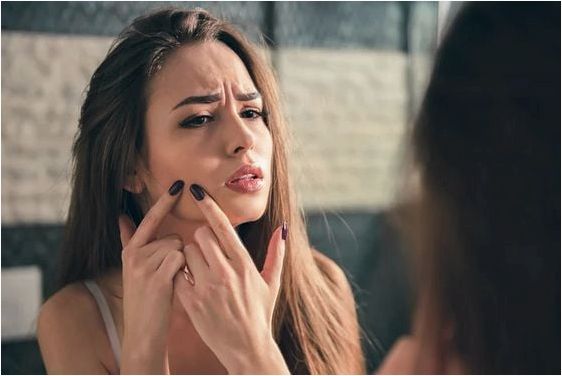
Facial pigmentation is a common occurrence. Pigmentation can be congenital, acquired, or age-related. In this section, you’ll learn how to get rid of pigmentation on your face and body.
Article Contents:
Causes of pigment spots
Brown spots are areas of skin that have darkened due to excessive melanin production. Dark pigment is formed by melanocytes (cells involved in melanin production) and transported to the surface of the epidermis by keratinocytes (the main cells of the stratum corneum).

The most common causes of pigmentation are excessive exposure to ultraviolet radiation or being over 50 years of age. Examine what each type of spot looks like and what these symptoms are associated with.
Types of pigment spots
Freckles are small brown spots, 1–2 mm in diameter, found primarily on exposed areas of the body, such as the face, hands, neck, and shoulders. As a rule, freckles appear at an early age, become more prominent with sun exposure (in spring and summer), fade with the onset of fall, and may disappear completely by winter. The more intense the exposure of the skin to ultraviolet radiation, the darker the freckles become.
Moles and nevi are the most common type of pigmentation, found in all people, regardless of age, on various parts of the body, including the head; however, moles appear particularly frequently in older adults. Some nevi should be monitored by a dermatologist. As moles increase in size, color, and shape, there is a risk of developing melanoma.
Solar lentigines are large pigmented spots ranging from 2 to 20 mm in diameter, oval in shape with a clearly defined border. Lentigines are caused by excessive exposure of the skin to ultraviolet radiation, but unlike freckles, these spots are static and do not fade during the colder months. Yellow spots under the eyes are most often associated with excessive sun exposure and tissue dehydration. Lentigines are considered age-related pigmentation and often appear in place of freckles.
Melasma is a type of hyperpigmentation that manifests as large, irregularly shaped patches, primarily on the forehead, chin, and cheeks. It often occurs due to hormonal changes in a woman’s body, such as during pregnancy. Lentigines intensify after sun exposure and fade as soon as hormonal levels return to normal.
Post-acne marks are atrophic, raised skin defects that appear in areas where acne (acne vulgaris) was present: the chest, forearms, back, and face. These are persistent skin changes that indicate the depth of epidermal damage, the intensity of inflammation, and the skin’s insufficient ability to regenerate. Acne scars may remain for a person’s entire life or fade over time thanks to aesthetic cosmetic procedures.

How to get rid of pigment spots on the face using cosmetics?
When you notice pigmentation, the first thing to do is to incorporate a sunscreen containing rutin into your skincare routine, as it reduces the transport of new melanin into cells and lightens the skin. A cosmetic expert explains how to get rid of dark spots on the face and how to treat them at home.
Corrective care for pigment spots
When used regularly, skin-lightening creams help remove dark spots and prevent new ones from forming on the skin. Although cosmetic products for facial pigmentation cannot completely eliminate severe pigmentation, products that lighten the skin using acids and retinoids can help significantly even out skin tone.
Brightening cosmetics can help:
- Reduce the contrast of visible dark pigment spots on the skin of the face, neck, and hands;
- Minimize the size of spots;
- Prevent the appearance of new darkening of existing blemishes.
Types of anti-pigmentation skincare products:
- Creams are suitable for daily use, and with prolonged use, they regulate existing spots and prevent new ones from appearing;
- Serums have a high concentration of active ingredients and have a strong effect on dark areas of the skin, lightening them;
- Masks are an effective way to quickly brighten the skin and help even out the complexion.
Ingredients in skin-lightening cosmetics
1. Retinoid derivatives (vitamin A) accelerate skin cell regeneration and help combat post-acne marks and stubborn age-related pigmentation.
- RIFLUMIC[R] Concentrated anti-aging treatment with retinol lightens dark spots on the face, smooths emerging wrinkles, and evens out skin tone.
2. Vitamin C (ascorbic acid) is another ingredient that helps renew the epidermis and accelerate collagen synthesis. Vitamin C helps skin cells fight free radicals and prevents oxidative stress. Cosmetics with a high vitamin C content can help eliminate dark spots on the face.
- The antioxidant skin-renewing serum with Vitamin C10 evens out skin tone and texture, is suitable for sensitive skin, and combats all signs of aging, even those with high severity;
- RIFURMIC C10 Intensive Anti-Aging Care, enriched with pure vitamin C (10% of the formula) and hyaluronic acid, restores the skin’s elasticity and natural radiance while effectively combating wrinkles and pigmentation.
3. Arbutin slows down melanin synthesis and is known for its remarkable brightening properties.
4. Acids (glycolic, lactic, malic, salicylic, and azelaic) accelerate skin renewal and improve pigmentation.
- Glabridin not only lightens pigmentation but also has anti-inflammatory effects.
It minimizes hyperpigmentation not only on the face and back but also on other areas of the body where the skin is thicker and less receptive to aesthetic treatments. It aids in the performance of aesthetic procedures using devices and injections.
How to remove pigment spots on the face with cosmetic procedures?
Laser therapy involves deeply heating the tissue with a laser beam, which stimulates active renewal of the dermis and epidermis.

- Phototherapy is a non-invasive, targeted method for removing pigment spots using broad-spectrum light pulses that stimulate collagen and elastin production;
- Elos (electro-optical synergy) is a combination of light and electrical technology that destroys cells with high pigment content without damaging surrounding tissues;
- Mesotherapy is an injection method that uses a mesoroller with multiple needles to administer a clear solution or perform an alternative treatment on darkened areas of the skin;
- Acid-based chemical peels affect the upper or deeper layers of the skin, promote accelerated tissue renewal, cleanse the face, and even out skin tone and texture;
- Cryotherapy is a method of exposing the skin to low temperatures (inert nitrogen gas or cold air a t-150/-190°C), which promotes blood flow and accelerates cellular metabolism;
- Phonotherapy involves applying ultrasound to problem areas of the skin, which delivers an active brightening and rejuvenating ingredient into the dermis;
- Dark spots on the face can also be lightened using home remedies, such as a mask made from ground almonds, lemon juice, honey, parsley, and sour cream. Such home remedies are ineffective and not recommended by dermatologists and cosmetologists, as they can cause allergic reactions and skin irritation, as well as increase photosensitivity.
Can pigment spots on the face be removed with home remedies?
Cosmetic formulas use standardized, modified plant extracts. This is more reliable, as it provides a targeted, long-lasting, and noticeable effect.
Every day, even on cloudy days, use products with a high SPF to prevent excessive melanin production and the appearance of dark spots caused by sun exposure. For UV protection in urban environments, products with SPF 25/30 are suitable. For beach vacations, choose products with SPF 50.
Prevention of pigment spots on the skin
- Do not squeeze pimples or touch inflamed areas of the skin. As we age, the epidermis’s ability to regenerate decreases, and dark spots may remain where inflammation occurred;
- Avoid using harsh treatments. For example, harsh chemical exfoliants, including products containing alcohol, which slows down cell renewal;
- For mature skin care, use antioxidants that prevent oxidative stress and premature aging before the age of 35. Such products serve as effective prevention against pigmentation and the development of wrinkles;
- After skin-lightening aesthetic procedures, peels, or facial hair removal—such as under the nose—pigment spots or irritation may appear. To prevent their appearance, use CICAPLAST BAUME B5 SPF 50—a restorative, soothing treatment that softens the skin, prevents the appearance of pigment spots, and relieves irritation;
- How to get rid of pigment spots on the face.