Who is a dermatologist, and what conditions do they treat?
t?

A dermatologist is a doctor who specializes in diseases of the skin, nails, hair, and mucous membranes. Some skin conditions manifest as symptoms of other, systemic diseases, in which case the condition is treated by several specialists.
Since dermatologists diagnose and treat any conditions related to the human skin, you should also consult them for allergic reactions to medications. Before prescribing any medications, the doctor will perform a skin allergy test to prevent unwanted reactions to the ingredients in the medication. You can also consult a dermatologist about foods to avoid during allergic reactions. Additionally, during the examination, dermatologists may recommend the best cosmetics to use. The “Desir” clinic network also includes skin rehabilitation clinics, which offer a wide range of services. You can learn more about them by clicking the link http://dezir-clinic.ru/ , including services provided by specialists such as dermatologists and cosmetologists.
People most often consult dermatologists when they notice skin spots of unknown origin, rashes, an unhealthy complexion, bags under the eyes, wrinkles, swelling, cellulite, or other skin conditions.
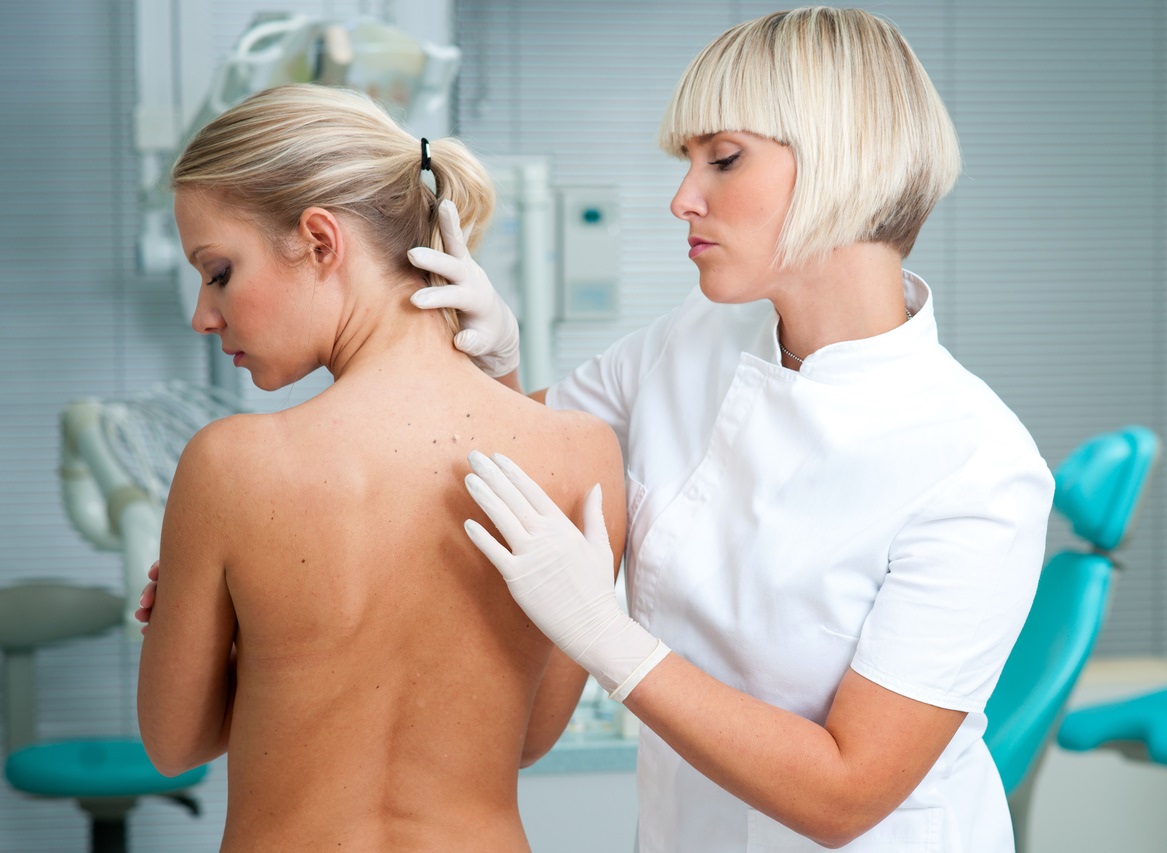 skin rashes can occur for a wide variety of reasons. Quite often, skin rashes indicate an allergy, which can be caused by medications, household chemicals, food products, cosmetics, and animal fur. In addition to allergens, rashes can be caused by parasites, such as scabies mites, as well as infectious skin diseases.
Skin spots can be either congenital or acquired during one’s lifetime. Since spots can indicate potentially dangerous diseases (such as skin cancer), it is advisable to seek a consultation when they appear and, if necessary, undergo treatment.

The following diagnostic methods are used to diagnose skin diseases:
- Skin biopsy – histology;
- PCR testing – used for infectious diseases;
- Cytology – a method based on examining the overall condition of cells as well as their structure;
- Microscopy – used for fungal diseases; a skin scraping is taken;
- Testing for rheumatoid factors and assessing the overall condition of the liver and pancreas.
Regardless of how a particular skin condition develops, do not ignore it. Even if the rash does not cause you any discomfort, you should still visit your local clinic for a consultation so as not to put your health at unnecessary risk. Modern dermatology has made significant strides in treating a wide variety of skin diseases that were previously considered incurable.