What Are Lingual Braces?
s?
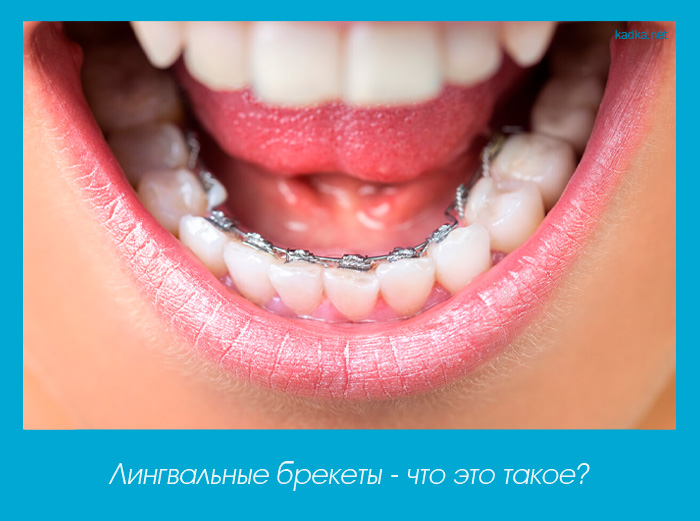
lingual braces are a discreet orthodontic appliance that can effectively correct bite issues, as they are placed on the inner, chewing surface of the teeth.
Today, there are many lingual systems available for correcting malocclusion and aligning the teeth. Each of these systems has its own advantages and, of course, each is effective.
The variety of options makes it possible to choose the most suitable solution for a specific case, taking into account the unique structure of the jaw, the bite, and the oral cavity itself. Similarly, lingual braces vary in cost.
Advantages and Disadvantages
The main advantage of this system is that the braces are invisible. Additionally, it:

- Quickly corrects deep bite.
- Has no age restrictions.
- The effect of wearing lingual braces is imperceptible even in cases of enamel demineralization, due to the method of attachment to the inner surface.
- The braces system is custom-made.
- Comfortable to wear.
- Aesthetically pleasing appearance.
However, despite these advantages, lingual braces have some drawbacks, including:
- A shortage of specialists skilled in the technique of lingual braces.
- High cost of the procedure.
- Difficulty in performing orthodontic work due to limited visibility.
- Limited applicability in cases of insufficient crown height.
- Prolonged treatment and results dependent on the dentist’s expertise.
- Changes in the patient’s diction and speech.
Contraindications
This procedure is contraindicated in the following cases:
- In cases of teeth grinding during sleep.
- In cases of gum and tooth diseases, such as periodontitis, periodontal disease, or gingivitis.
- In cases of malocclusion.
- In cases of allergy to the components of the structure.
- In cases of thin crowns or crooked teeth.
- In cases of short teeth.
- For patients under the age of eleven.
The installation process
The system is installed using an indirect method. First, the appliance must be bonded to a plaster model made from impressions of the jaw. After that, the braces are placed in the mouth and secured in place.
The process is quite labor-intensive, and installing the system takes about three hours. Before installing the braces, a panoramic X-ray is taken, and photographs of the patient’s face and oral cavity are taken to create a diagnostic model.
Care instructions
The most time-consuming aspect of wearing braces is maintaining oral hygiene and caring for the braces themselves. While wearing braces, the greatest risk comes from bacteria that enter the mouth.