The Complete Guide to Choosing and Caring for Contact Lenses
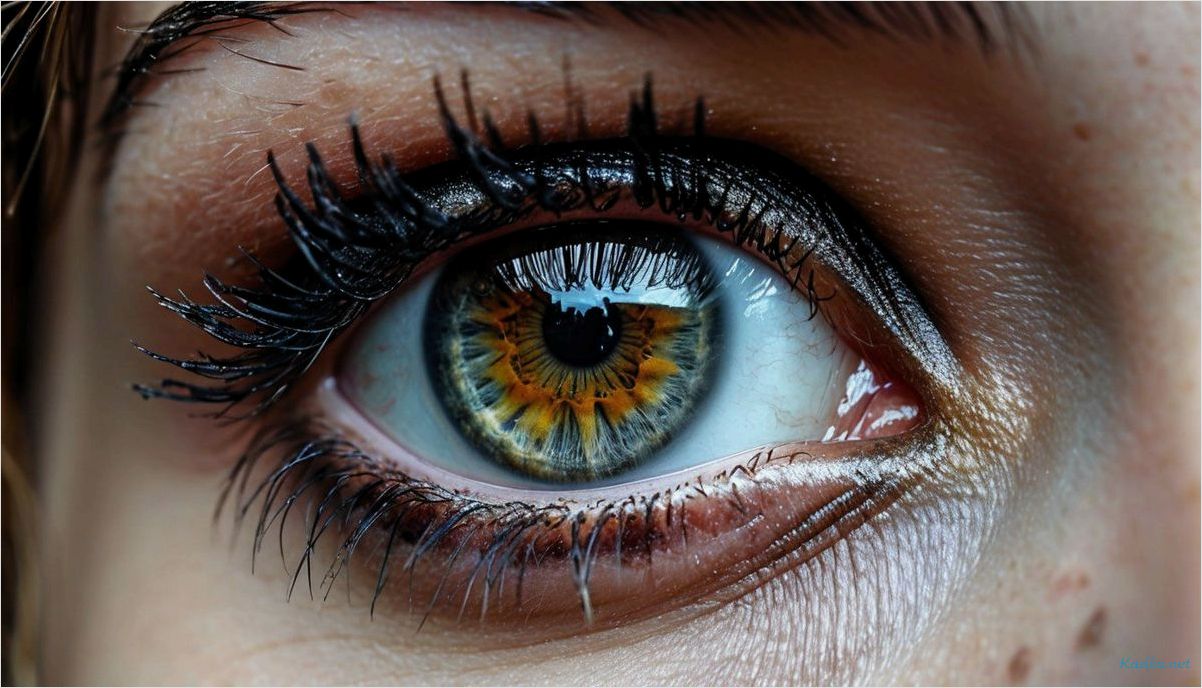
Silicone hydrogel lenses are your best choice if comfort and eye health are your top priorities. Their key feature is high oxygen permeability, which allows your eyes to breathe naturally throughout the day. This is especially important for those who wear lenses for more than 8 hours at a time.
Article Contents:
when choosing contact lenses, it is important to consider your lifestyle and needs. For example, lenses with UV protection and high moisture content are suitable for active people. Silicone hydrogel models combine these qualities, reducing the risk of eye fatigue and irritation even in low-humidity conditions. In addition, they are ideal for people with sensitive eyes due to their softness and biocompatibility.
To ensure your contact lenses provide only benefits, it is important to follow proper care guidelines. Regularly replacing your storage case, using high-quality solutions, and maintaining good hygiene will help prevent inflammation and other complications. Consult an ophthalmologist for the right lens selection and to determine the appropriate wearing schedule. Silicone hydrogel lenses quickly adapt to the eye’s surface and are suitable for most users, even on their first attempts at wearing lenses.
How to Choose Contact Lenses for Your Eyes
When choosing contact lenses, it’s important to consider the material they’re made of. Silicone hydrogel lenses are considered one of the best options due to their ability to allow oxygen to reach the cornea, which significantly reduces the risk of eye hypoxia. This type of lens is suitable for people with high myopia or hyperopia, as well as those diagnosed with dry eyes.

Considering Wear Schedule
Pay attention to the wearing schedule recommended by the manufacturer. Silicone hydrogel lenses are suitable for both daily and extended wear (up to several days without removal). However, even if the lenses are designed for extended wear, it is recommended to remove them at night to give your eyes a rest.
Fitting Parameters
Lens parameters play an important role. It is essential to consider the curvature radius and diameter of the lenses—they must match the shape of your cornea to ensure comfort and a proper fit. These parameters are determined by an ophthalmologist during the diagnostic examination. Attempting to select lenses on your own without consulting a doctor can lead to discomfort, vision deterioration, and other problems.
Don’t forget that modern silicone hydrogel lenses oasys with hydraclear plus offer a wide selection of models for correcting astigmatism, multifocal solutions for presbyopia, as well as options with increased moisture content. Follow your doctor’s recommendations and pay attention to the additional features of the lenses that meet your needs.
Care instructions for daily disposable contact lenses
- Always wash and thoroughly dry your hands before handling contact lenses. Use a mild, fragrance-free soap to avoid introducing irritants to the lens surface.
- Silicone hydrogel lenses require special attention to the cleanliness of the lens case. Replace it at least once a month. After each use, rinse the case with solution, not plain water, and leave it open to air dry.
- Never use water to moisten or rinse your lenses. Use only a special multi-purpose solution for these purposes. It not only cleans the lenses but also maintains the necessary level of comfort throughout the day.
- Even if your lenses are designed for daily wear without extended storage, cleaning them after each use helps remove protein deposits, dust, and microorganisms, which reduces the risk of irritation and inflammation.
- Limit lens use in dry air, as well as in conditions that may contribute to contamination (such as contact with sand or water). If you experience dry eyes, use moisturizing drops compatible with silicone hydrogel materials.
Following all recommendations not only extends the comfort of wearing your lenses but also protects your eye health by preventing potential complications.
When and how to properly replace contact lenses
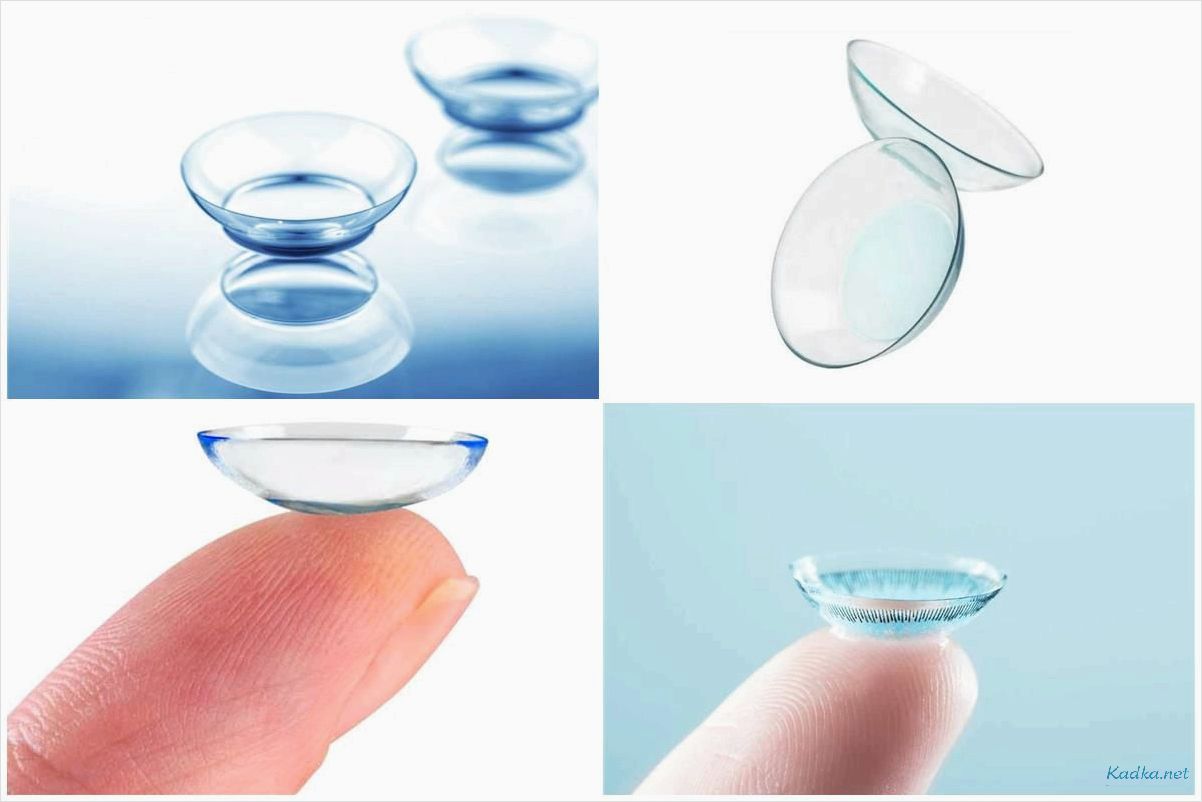
Always follow the recommendations of your eye doctor and the lens manufacturer. Daily disposable contact lenses must be discarded at the end of the day, even if they look clean. If you use extended-wear lenses, such as two-week or monthly silicone hydrogel lenses, replace them strictly according to the schedule indicated on the packaging. Wearing these lenses beyond their recommended replacement period increases the risk of corneal damage and eye infections.
Watch for signs that may indicate the need to replace your lenses. If you notice discomfort, redness, decreased vision, or a foreign body sensation, this is a reason to replace your lenses or see a doctor to have your eyes checked. Also, pay attention to any changes in the texture of the lens material: if it becomes less elastic or loses its shape, replace it even before the recommended replacement date.
Use a convenient reminder system for lens replacement. Many manufacturers offer apps or simple calendars that remind you when it’s time to change your lenses. This is especially helpful if you use different types of lenses for different wearing schedules. For example, overnight silicone hydrogel lenses may require more careful monitoring.
Always check the packaging for damage before opening a new pair of lenses and ensure they are stored properly. Using lenses that have expired or come from improperly sealed packaging can cause eye irritation or increase the risk of infection.
Proper lens replacement is important for maintaining eye health and comfortable wear. Consult your eye doctor regularly and follow these recommendations for safe contact lens use.