Chronic gastritis
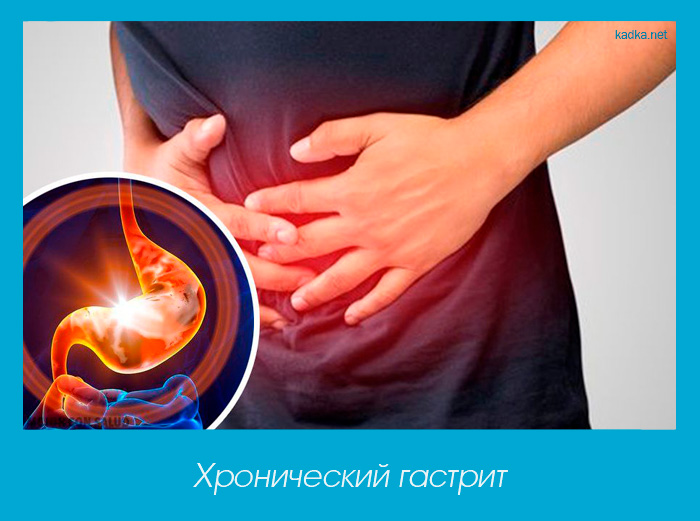
I once underwent a medical examination, and the doctors diagnosed – chronic gastritis i didn’t immediately understand what they were talking about, since I’m not familiar with medical terminology. However, shortly thereafter, I read a medical encyclopedia and researched everything I could about this unfamiliar condition.
Chronic gastritis has been diagnosed by doctors constantly in recent years. Most patients receive this diagnosis following an endoscopy, provided no stomach ulcers were found. Medical research has made significant progress in this area, and much more is now known about this common condition.
It turns out the problem lies with bacteria!
Doctors have discovered a completely new bacterium—Helicobacter pylori. This microorganism colonizes the mucous layer of the stomach and is considered the primary cause of chronic gastritis. Research has made it possible to treat the condition and predict its course.
Acute gastritis itself is caused by an infection resulting from exposure to chemical and toxic alkalis (concentrated acids, excessive alcohol consumption, and other substances containing alkalis). This form is considered a serious complication, so treatment should be provided by gastroenterologists, infectious disease specialists, addiction specialists, and surgeons.
Among the key forms of chronic gastritis, the following should be noted:

- superficial;
- atrophic.
How can you tell if you have gastritis and it’s time to see a doctor?
Most patients will experience the typical symptoms of dyspepsia and digestive disturbances between flare-ups. The condition is characterized by heaviness, a feeling of pressure, and a sense of fullness in the epigastric region. Additionally, after eating, the following symptoms are likely to occur: belching, nausea, unpleasant tastes in the mouth, heartburn, and a burning sensation. These signs indicate chronic antral gastritis. The patient will experience significant discomfort in the stomach.
Patients infected with Helicobacter pylori may experience constipation, fatigue, loose stools, rumbling, and bloating in the abdominal region. As a rule, this leads to cardiovascular irritation syndrome.
The general range of symptoms includes: general weakness, irritability, and cardiovascular disorders.
If the first signs of the disease are detected, you should consult a gastroenterologist as soon as possible to determine the type of gastritis and only then proceed with treatment. Under no circumstances should you wait until the last minute!
How is chronic gastritis treated?
Treatment methods for chronic gastritis vary. In most cases, patients should follow special diets during periods of acute flare-ups. Once the gastritis subsides and remission sets in, the patient can return to their normal diet.