Rotary compressor – operating principle, features and application in various industries
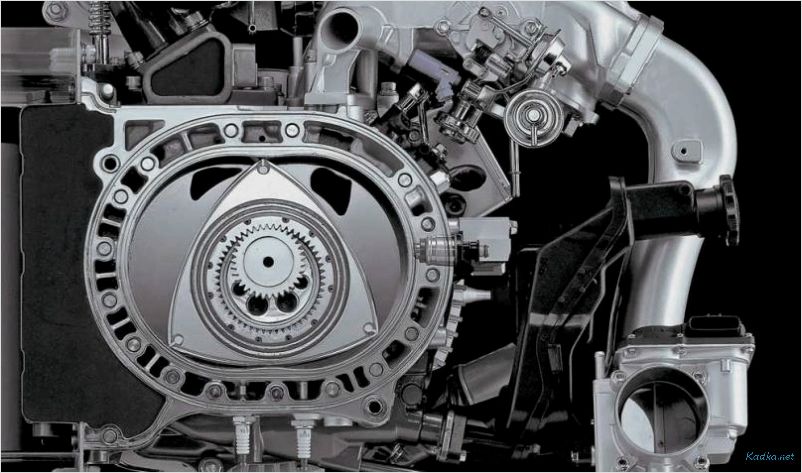
A rotary compressor is one of the most effective and widespread devices for compressing gases and vapors. It is based on the rotor rotation principle, which ensures high performance and reliable operation.
Contents of the article:
A rotary compressor consists of two main parts – a housing and a rotor. The housing is usually cylindrical and contains inlet and outlet openings for gas. A rotor is a rotating element that has special blades or channels for compressing gas.
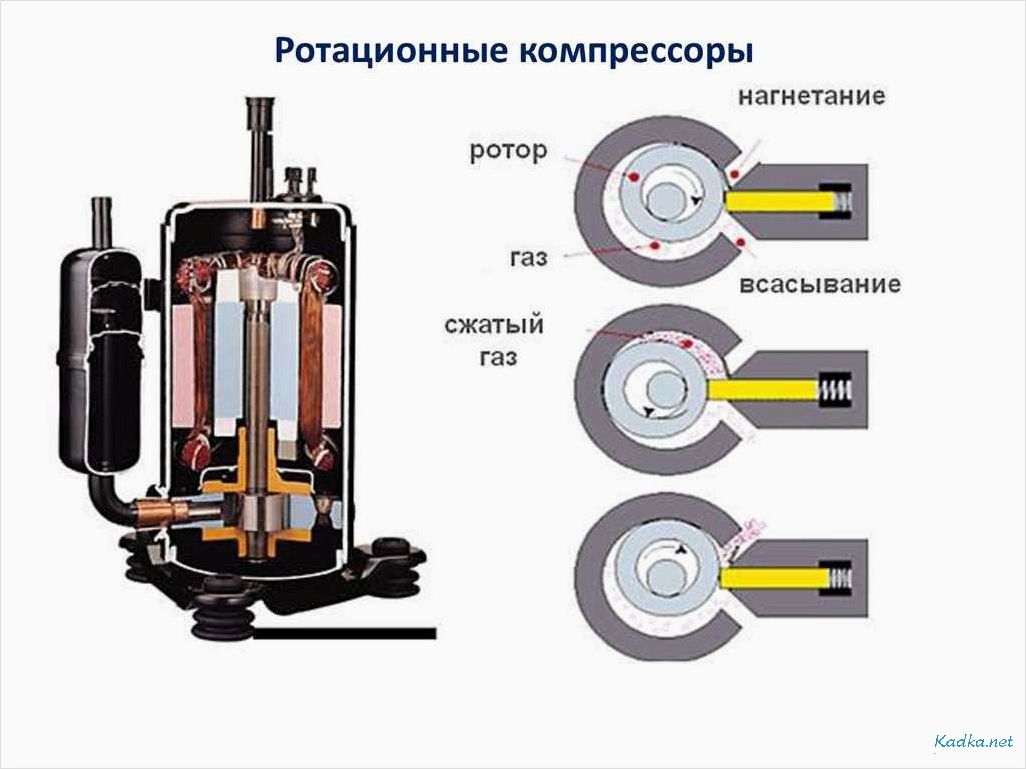
The operating principle of a rotary compressor is based on the rotation of the rotor, which creates a vacuum in the inlet and captures gases from the environment. The gases are then compressed and moved through the rotor channels to the outlet, where they are thrown out at high speed. Thus, the rotary compressor provides continuous compression and pumping of the gas flow.
Rotary compressor widely used in various industries, such as oil and gas, chemical, food and others. They are used to compress and transport gases and vapors, as well as to create high pressure in compressed air systems. Due to their efficiency and reliability, rotary compressors are indispensable equipment in many industries.
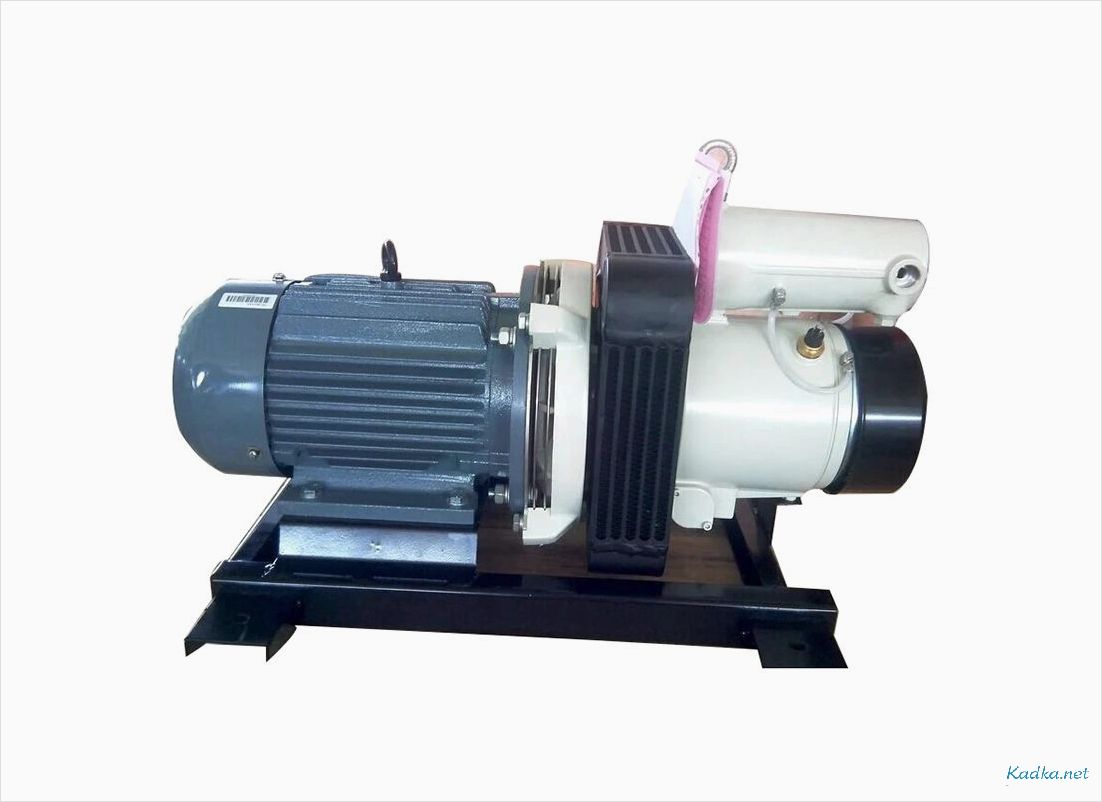
Operating principle of a rotary compressor
The main elements of a rotary compressor are the rotor and the casing. The rotor is a rotating element with blades or screws that create a flow of gas. The housing serves to close the rotor and ensures the tightness of the compressor.
The process of operation of a rotary compressor begins with the entry of gas into the housing. Then the rotor begins to rotate, creating a vacuum and drawing gases inside. After this, as the rotor continues to rotate, the gases are compressed and move to the compressor outlet.

The advantages of a rotary compressor include high efficiency, compactness and reliability. It is capable of providing large volumes of compression with small dimensions and weight. In addition, the rotary compressor has low vibration and noise levels, which makes it attractive for use in various industries.
Vortex movement of gas
The vortex movement of gas occurs due to the rotation of the compressor rotor. When the rotor rotates, the speed and direction of gas movement changes. This creates vortex gas flows that move from the inlet to the outlet of the compressor.
The vortex movement of gas allows you to effectively compress the gas and achieve high pressure values. It also promotes uniform distribution of gas throughout the working chamber of the compressor, which increases its efficiency.
The vortex movement of gas has its own characteristics and depends on the design of the compressor rotor. Different types of rotors create different vortex gas flows, which affects the performance and characteristics of the compressor.
Understanding gas vortex motion is important for the design and optimization of rotary compressors. Using the right rotor type and optimal configuration helps achieve the best gas compression results.
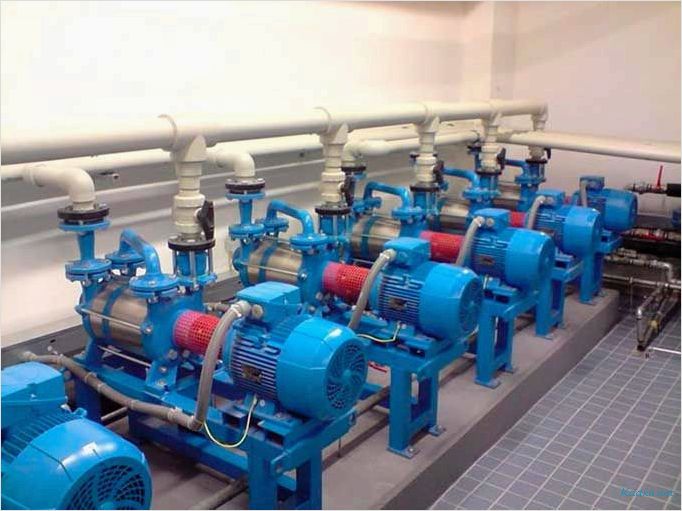
Main components of a rotary compressor
- Rotors: The main element of a rotary compressor, which is responsible for compressing gas. Rotors are two or more rotating elements that are specially shaped and placed opposite each other. They create a rotating field, causing the gas or air to be compressed and move through the compressor.
- Compression chamber: This is the space between the rotors in which the gas is compressed. The compression chamber is specially shaped to provide optimal conditions for gas compression and minimize energy loss.
- Bearings: A rotary compressor operates at high rotation speeds, so bearings play an important role in ensuring that the rotors rotate smoothly and reliably. They reduce friction and wear on compressor elements.
- Drive: The drive rotates the compressor rotors. It can be mechanical, hydraulic or electrical, depending on the type of compressor and its application.
All of these components interact with each other to ensure efficient compression of the gas or air. The rotary compressor is widely used in various industries such as industry, aviation, oil and gas industry and others.