Berlin, Germany: The Best Places for Tourism and Travel
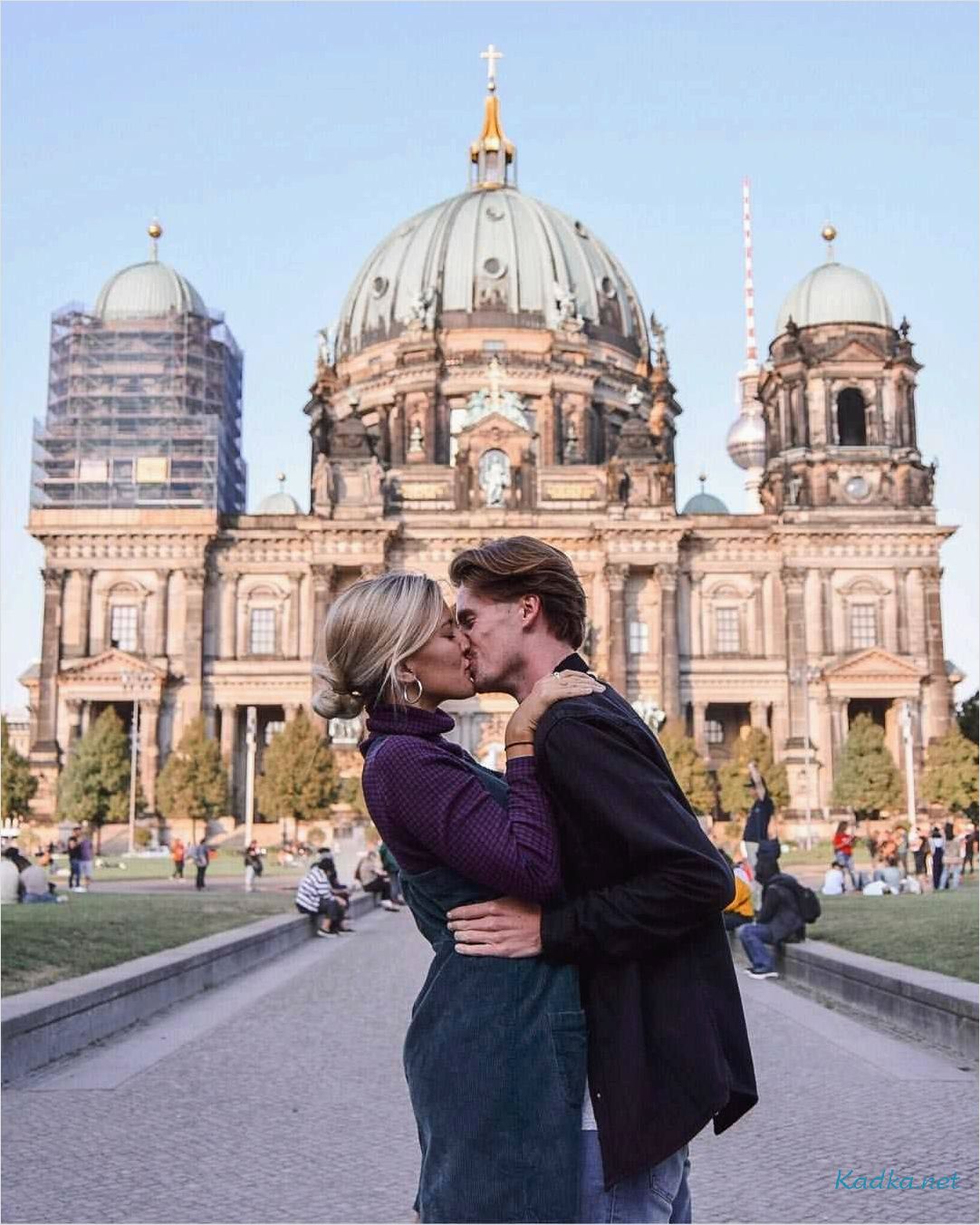
We all want to travel, seek new experiences, immerse ourselves in other cultures, and expand our horizons. And how wonderful it is that there are so many beautiful places on earth where you can experience unforgettable emotions and discover something new. One of these unique places is Berlin, the capital of Germany.
Article Contents:
- Berlin History: From Division to Unification
- Berlin Division after World War II
- Construction of the Berlin Wall and its consequences
- Fall_of_the_Berlin_Wall_and_the_reunification_of_the_city
- Historical_sights_of_Berlin
- Berlin Museums: Treasures of World Culture
- Modern Berlin: City of Art and Culture
At first glance, Berlin appears to us as a majestic and powerful city where history and modernity merge. Here, every corner is imbued with the spirit of the past, while simultaneously pulsating with the pulse of the present. This is a place where you can find everything: from cultural attractions and museums to trendy shops and cafes with a unique atmosphere.
Berlin is a city of contrasts, where ancient castles stand side by side with modern skyscrapers, and narrow streets intertwine with wide avenues. Here you can stroll through the narrow streets of the Old Town, admire the architecture of historic buildings, and feel the spirit of the past. Then, moving into the modern part of the city, immerse yourself in a world of contemporary art, modern architecture, and modern trends.
History of Berlin: from division to unification
This section is dedicated to the history of Berlin and its journey from division to unification. Here we will examine the key events and periods that shaped the city’s modern appearance. Let’s look at the historical facts surrounding the division and subsequent reunification of Berlin and discover how these events impacted the city’s life and culture.
Division of Berlin: The Wall and Life on the Border
One of the most famous and significant events in Berlin’s history was the division of the city by the Wall. The construction of the Berlin Wall in 1961 divided the city into East and West Berlin, symbolizing the division between East and West Germany. Life on the border became incredibly difficult for many Berliners, who found themselves separated from their loved ones and friends. East Berlin became a symbol of brutality and oppression, while West Berlin continued to develop and attract international attention.
Berlin’s Unification: the Fall of the Wall and a New Era
But in 1989, a historic event occurred—the fall of the Berlin Wall. This event became a symbol of German unification and the beginning of a new era for Berlin. After reunification, the city became a place where ideas of freedom, creativity, and innovation flourished. Berlin’s former eastern districts experienced rapid development, while West Berlin maintained its cultural and economic significance. Today, Berlin is a dynamic and diverse city, blending historical heritage with modern trends.

The story of Berlin, from division to reunification, is a unique journey that shaped the city as we know it today. It is a story filled with complex ups and downs, heroism, and a yearning for freedom. Traveling through Berlin, you can experience the spirit of the past and present, and see how the city overcame its difficulties to become a symbol of peace and unity.
Division of Berlin after World War II
The historical period following World War II left an indelible mark on the city of Berlin. The events of that time led to the division of the city into two parts, each controlled by different countries. This division became a symbol of the Cold War and a reflection of the geopolitical contradictions of the time.
The Allies and the Division of Berlin
After the end of World War II, Berlin was divided between four Allied countries: the USSR, the USA, Great Britain, and France. Each country received its own sector of the city, which subsequently led to the emergence of East and West Berlin. This division became a symbol of the struggle and confrontation between the Eastern Bloc and the Western democracies.
Construction of the Berlin Wall
Several years after the division, tensions between East and West Germany continued to mount. In 1961, East German authorities decided to build the Berlin Wall, dividing the city into two. This decision had profound consequences for residents, who were forced to live under strict controls and restrictions on freedom of movement.
The division of Berlin after World War II was one of the most significant events in the city’s history. It reflected the complex political and social realities of the time, as well as the impact of the Cold War on the European continent. Today, visiting and exploring Berlin’s historic sites associated with this period allows us to better understand and appreciate the significance of those events and their impact on the modern world.
Construction of the Berlin Wall and its Consequences
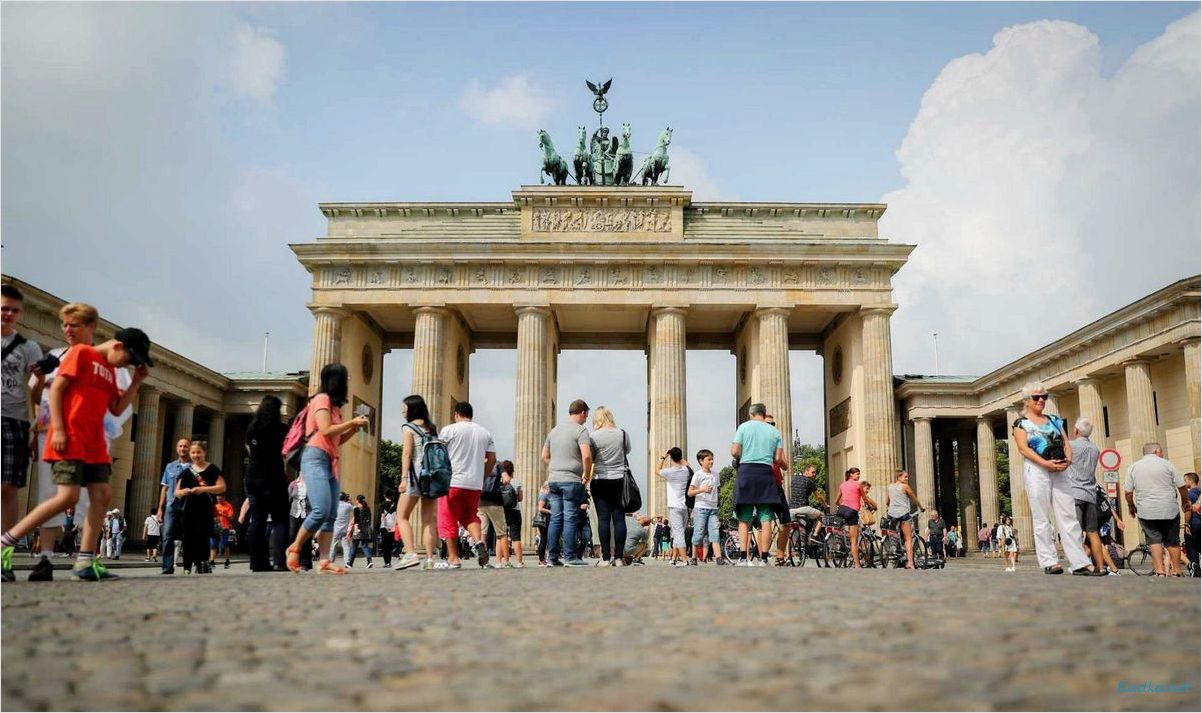
Construction of the Berlin Wall
In 1961, during the Cold War, construction began on the Berlin Wall—a concrete barrier that divided the city into two parts: East and West Berlin. This decision was made by the GDR authorities to prevent the mass emigration of East Germans to West Germany through Berlin.
Consequences of the Construction of the Berlin Wall
The construction of the Berlin Wall had enormous consequences for both the city and its residents. East Berlin was completely cut off from the West, and the borders became insurmountable for many. Numerous families were separated, losing freedom of movement and the ability to communicate with relatives and friends on the other side of the Wall.
The construction of the Berlin Wall also divided the city into two halves with different political and economic systems. East Berlin became a symbol of the socialist GDR, while West Berlin symbolized freedom and democracy. This led to differences in the development and life of the two halves.
The construction of the Berlin Wall sparked international protests and condemnation from the West. It became one of the most famous symbols of the Cold War and the division of the world into two camps. The Berlin Wall remained standing for 28 years, until its destruction in 1989, leading to the fall of the Berlin Wall and the reunification of Germany.
Today, the Berlin Wall remains a historical monument and a reminder of those times. Remaining fragments of the wall in various parts of the city have become popular tourist attractions and symbols of unity and freedom.
The Fall of the Berlin Wall and the Reunification of the City
In this section, we examine the events that ushered in a new era in Berlin’s history and led to the unification of the divided city. The Berlin peaceful protests and the fall of the wall became a symbol of the victory of democracy and unity, impacting the life and culture of the city.
Beginning_of_the_Movement
In the late 1980s, an era of change began in Berlin. Popular discontent, a desire for freedom, and a desire to unite the city became the driving force behind peaceful protests. Citizens expressed their demands on the streets, including freedom of movement and democratic reform. These events laid the foundation for the future fall of the Berlin Wall.
Fall of the Berlin Wall
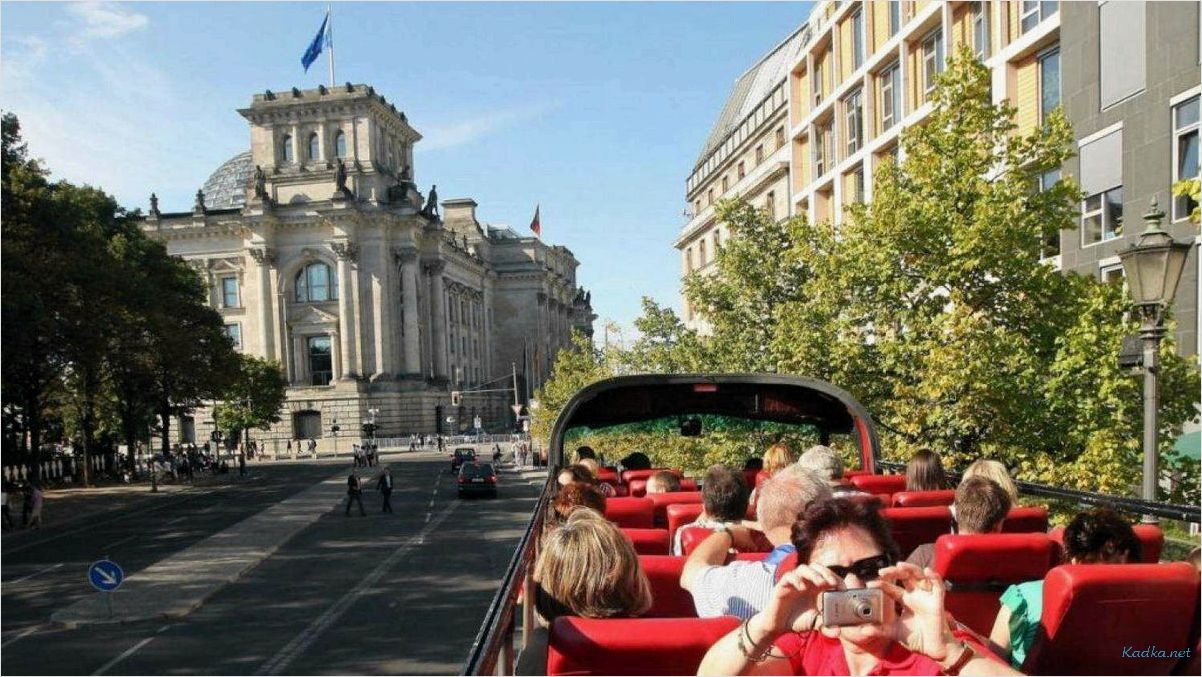
The fall of the Berlin Wall opened up new opportunities for the city and its residents. Berlin’s reunification was a long-awaited moment, leading to the city’s restoration and development. Berlin became a symbol of unity and a place where history and modernity uniquely blend.
Today, Berlin attracts tourists from all over the world, offering them the opportunity to explore its rich history and enjoy a variety of cultural, artistic, and recreational events. The city continues to transform, maintaining its unique character and appeal to all who wish to learn about and understand its past and present.
Historical_sights_of_Berlin
In this section, we will explore unique historical sites that can be visited in the German capital. Here you can immerse yourself in Berlin’s rich history and see many unique architectural structures that bear witness to past eras and events.
These are just a few of Berlin’s historical attractions. The city is full of unique and fascinating places, each with its own story. Visiting these attractions will give you a deeper understanding of Berlin’s history and a sense of its unique spirit.
Berlin Museums: World Cultural Treasures
One of Berlin’s most famous and visited museums is the Pergamon Museum. This unique museum is comprised of several architectural complexes housing ancient sculptures, magnificent frescoes, and reconstructed architectural structures such as the Pergamon Altar and the Ishtar Gate. Visitors can admire the splendor of art and immerse themselves in the world of ancient civilizations.
Another important museum in Berlin is the Museum of Egyptian Art, which offers a unique opportunity to explore ancient Egyptian artifacts. Here, visitors can see pharaonic mummies, tomb treasures, and a collection of ancient writings, including papyri and engravings. This museum allows visitors to immerse themselves in the world of ancient Egypt and experience its mystery and grandeur.
The Berlin History Museum reflects the city’s rich and complex history. Here, visitors can learn about the various periods of Berlin’s development, from its founding to the present day. The museum offers exhibitions on World War II, the division of Berlin, and its subsequent reunification. This place allows visitors to understand the history and significance of Berlin in the context of world events.
Modern Berlin: City of Art and Culture
Art on the Streets of Berlin
One of the distinctive features of modern Berlin is the presence of street art. Graffiti, street installations, and unique murals adorn building facades, parks, and even the subway. While strolling the city streets, you can enjoy these manifestations of contemporary art, which give Berlin its unique character.
Museums and Galleries
Berlin is known for its numerous museums and galleries, which offer visitors unique exhibitions and displays. The National Gallery, the Museum of Modern Art, and the Berlin State Opera Studio are just a few of the places where you can immerse yourself in the world of art and culture. Here you can see works by renowned artists and sculptors, as well as discover new creative directions and ideas.
- Visit the National Gallery to see a collection of German art from the Middle Ages to the modern era.
- Visit the Museum of Modern Art, which features works by contemporary artists from around the world.
- Enjoy high-quality opera productions and concerts at the Berlin State Opera Studio.
Visiting Berlin’s museums and galleries will immerse you in a unique artistic and cultural atmosphere, expanding your knowledge and experience.
Berlin is steeped in art and culture, and every corner of the city offers unique opportunities to immerse yourself in this world. Don’t miss the chance to visit modern Berlin and experience its vibrant arts and culture scene.